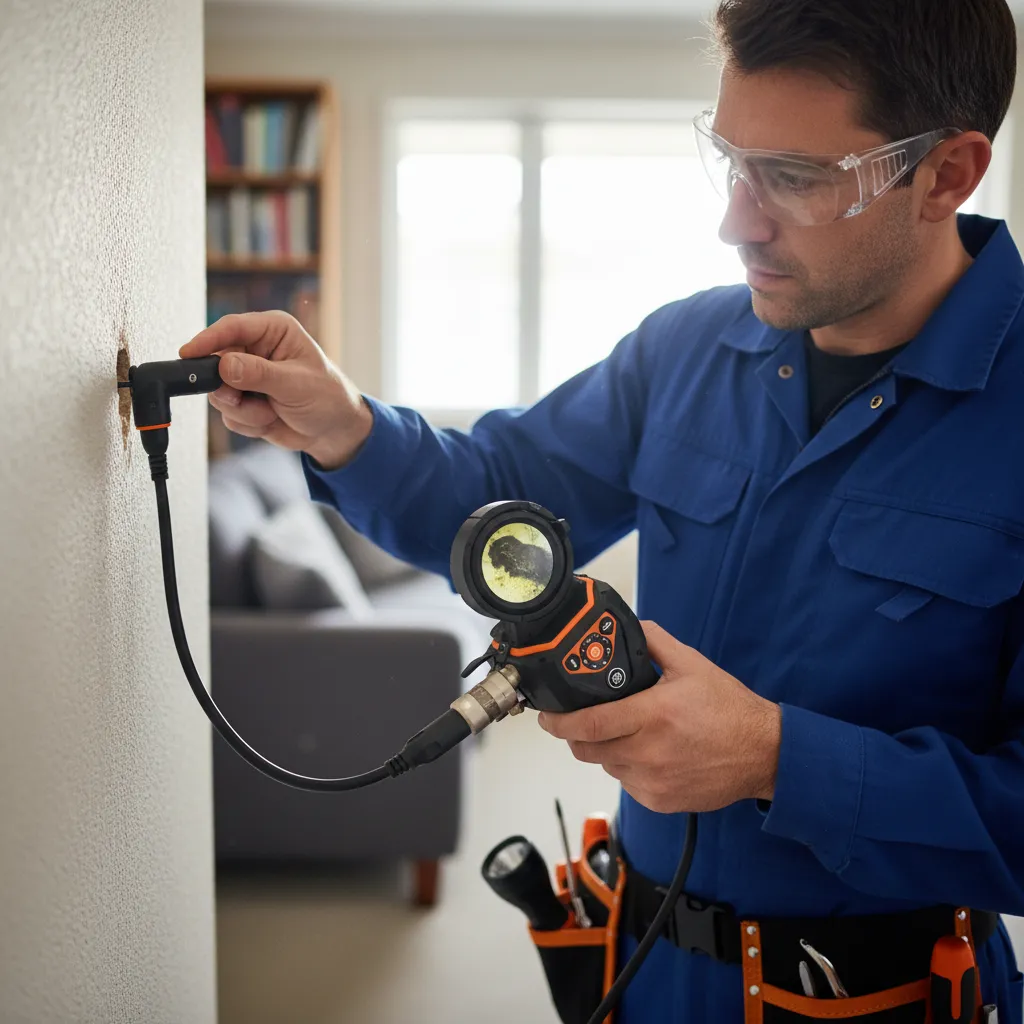
Pest control Hibiscus Coast refers to the professional management and eradication of unwanted pests, specifically rodents, within the coastal suburbs of Auckland, such as Orewa, Whangaparaoa, and Silverdale. To effectively control infestations in this region, certified technicians employ a combination of eco-sensitive baiting, trapping, and exclusion techniques designed to protect local marine environments while securing holiday homes and permanent residences against invasion.
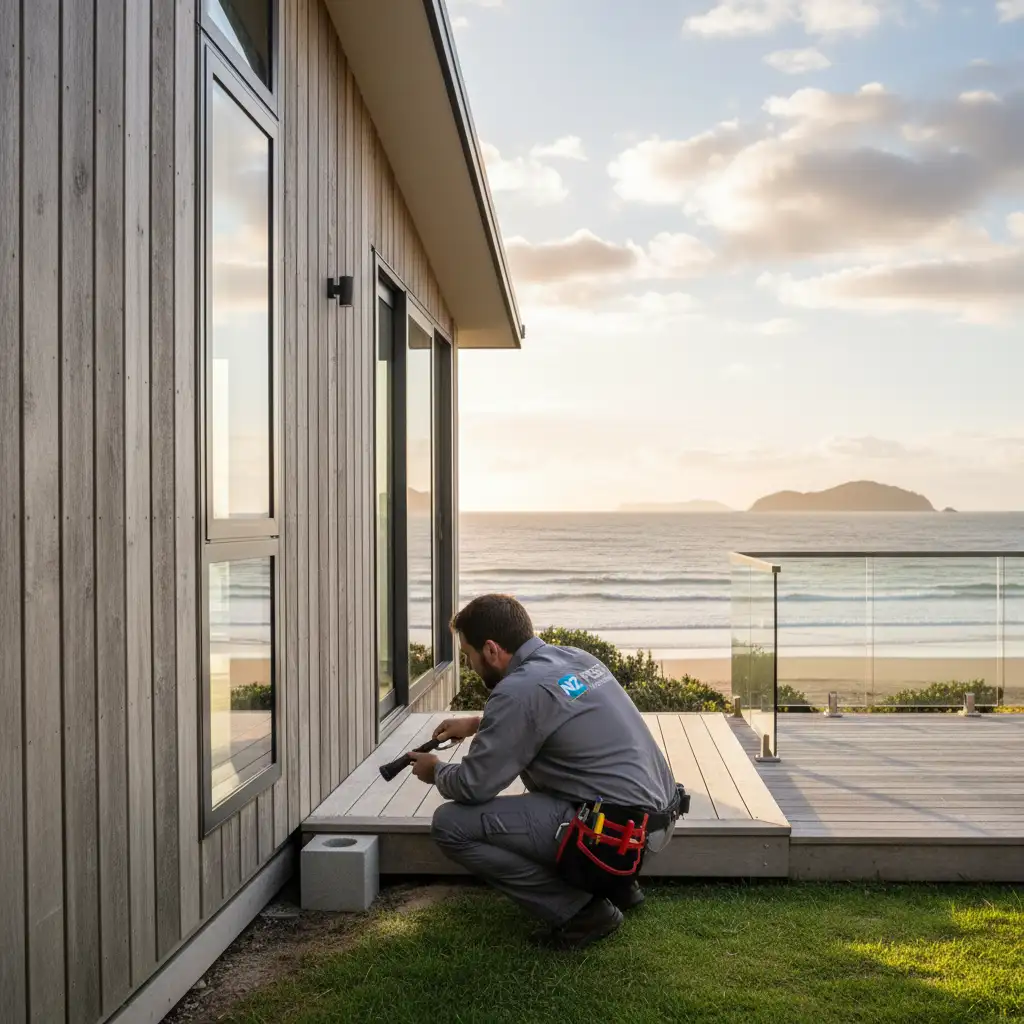
The Unique Challenge of Coastal Rodent Control
The Hibiscus Coast presents a unique set of challenges when it comes to pest management. Unlike urban city centers, this region is a blend of dense residential areas, sprawling regional parks, and coastline. This geography creates a perfect storm for rodent populations. The proximity to bush reserves, such as Shakespear Regional Park, means that rodents often migrate from wild areas into residential zones in search of food and shelter.
Furthermore, the high density of holiday homes (baches) in areas like Stanmore Bay, Red Beach, and Gulf Harbour exacerbates the issue. Rodents are opportunistic survivors. When a holiday home is left unoccupied for weeks or months, it becomes an ideal sanctuary for rats and mice. They can breed undisturbed, causing significant structural damage to wiring, insulation, and plumbing before the owners even return for the summer.
The coastal climate also plays a role. The humidity and salt air can degrade older building materials faster, creating small entry points that rodents exploit. A comprehensive approach to pest control on the Hibiscus Coast requires not just setting traps, but understanding the seasonal migration patterns of these pests as they move from the cooling dunes and bushland into the warmth of roof voids and sub-floors.

Identifying the Culprits: Rats and Mice on the Coast
Effective pest control begins with accurate identification. On the Hibiscus Coast, homeowners primarily deal with three specific types of rodents, each requiring a slightly different eradication strategy.
The Norway Rat (Rattus norvegicus)
Also known as the brown rat or sewer rat, these are large, aggressive rodents that typically burrow. In coastal areas, they are often found near the shoreline, in retaining walls, or under the foundations of homes. They are strong swimmers and are frequently associated with drainage systems. If you hear scratching under the floorboards rather than the ceiling, you are likely dealing with Norway rats.
The Roof Rat (Rattus rattus)
The Roof Rat, or ship rat, is the most common invader of homes in the Whangaparaoa Peninsula. As their name suggests, they are excellent climbers. They access homes via overhanging Pohutukawa branches, power lines, and vines. They prefer to nest in roof voids, attics, and wall cavities. They are notoriously neophobic (afraid of new things), which makes amateur trapping difficult.
The House Mouse (Mus musculus)
While smaller, mice should not be underestimated. They reproduce rapidly and can squeeze through gaps as small as a pencil width. In the context of holiday homes, mice often cause the most widespread contamination, leaving droppings on kitchen counters, in pantries, and on soft furnishings.
Winter Rodent Proofing for Baches and Permanent Homes
As the temperature drops, the demand for pest control on the Hibiscus Coast surges. Rodents do not hibernate; instead, they seek warmth. Winter is the critical season for “proofing” your property. Whether you own a permanent residence in Silverdale or a bach in Army Bay, specific steps must be taken to secure the perimeter.
Exclusion Techniques
Exclusion is the process of physically blocking entry points. This is the most sustainable form of pest control. Key areas to address include:
- Pipe Penetrations: Check where plumbing pipes enter the home. Rodents often chew through the foam sealant used by builders. These should be sealed with steel wool and high-grade caulk or concrete.
- Roof Lines and Eaves: Ensure that soffits are secure. Any gap wider than 10mm is a potential doorway for a Roof Rat.
- Garage Door Seals: The rubber seal at the bottom of a garage door is often chewed through. Installing a brush strip or a metal kick plate can prevent entry.
- Vegetation Management: Keep tree branches trimmed back at least 2 meters from the roofline. In the lush environment of the Hibiscus Coast, vegetation grows quickly, creating “rodent bridges” to your home.
The “Bach” Checklist
For holiday home owners, the strategy involves preparation before leaving the property vacant:
- Remove all perishable food items from the pantry.
- Store dry goods (flour, rice, sugar) in hard plastic or glass containers, not cardboard.
- Ensure rubbish bins are thoroughly washed to remove food residue.
- Turn off water mains if possible, as rodents also enter homes seeking hydration.
Eco-Sensitive Options Near Waterways and Reserves
The Hibiscus Coast is defined by its beautiful waterways and proximity to marine reserves. This environmental sensitivity dictates that pest control methods must be carefully selected to avoid “secondary poisoning.” Secondary poisoning occurs when a non-target species (like a Ruru/Morepork or a pet cat) eats a rodent that has consumed poison.
Professional pest controllers in this area utilize low-toxicity baits and encapsulate them in tamper-resistant bait stations. These stations are designed to allow rodent entry while preventing access by children, pets, and native wildlife. Furthermore, the use of first-generation anticoagulants is often preferred in sensitive areas as they break down faster in the environment compared to second-generation alternatives.
For areas strictly bordering marine environments or protected bush, non-toxic trapping networks are the gold standard. These include self-resetting CO2 traps which offer a humane and toxin-free solution. According to the Department of Conservation (DOC), protecting our native taonga requires vigilant pest management that does not compromise the ecosystem. Professional services align their strategies with these conservation goals, ensuring that while the pests are removed, the local birdlife thrives.

Integrated Pest Management (IPM) Strategies
Relying solely on poisons is rarely a long-term solution. Top-tier pest control providers on the Hibiscus Coast utilize Integrated Pest Management (IPM). IPM is a holistic approach that combines biological, cultural, physical, and chemical tools to minimize economic, health, and environmental risks.
1. Inspection and Monitoring
The process begins with a thorough site audit. Technicians use UV tracking dust and moisture meters to identify high-activity zones and nesting sites. Monitoring stations (non-toxic baits) may be placed to gauge the population size before full treatment begins.
2. Sanitation
Rodents need three things to survive: food, water, and shelter. Removing one or more of these reduces the carrying capacity of the environment. This might involve advice on composting, securing chicken coops (a major attractant in semi-rural Silverdale), and managing pet food bowls.
3. Strategic Treatment
Once the environment is managed, eradication methods are deployed. This is where professional expertise is vital. Placing a trap in the wrong location is useless. Professionals understand the “run lines”—the paths rodents travel along walls and fences—and place interventions directly in these paths.
Local Team Availability: Serving the Hibiscus Coast
When dealing with a rodent infestation, speed is of the essence. Rats can produce up to 2,000 descendants in a single year if left unchecked. Choosing a local provider ensures rapid response times. Local technicians are familiar with the specific building styles of the area, from the pole houses of Arkles Bay to the brick-and-tile homes of Millwater.
Local teams cover the entire peninsula and surrounding areas, including:
- Orewa & Hatfields Beach: Dealing with coastal erosion and older baches.
- Whangaparaoa Peninsula: From Red Beach to Army Bay, handling the high density of residential and holiday homes.
- Gulf Harbour: addressing pests in marina-adjacent properties and luxury homes.
- Silverdale & Millwater: Managing pests in new developments where construction disturbs established rodent colonies.
- Dairy Flat & Wainui: servicing lifestyle blocks where agricultural pest control meets residential needs.
By hiring locally, you also support businesses that understand the specific council regulations regarding pest control substances in the Auckland region. For more information on health risks associated with rodents, such as Leptospirosis, you can consult resources like Health New Zealand.
Frequently Asked Questions (PAA)
Below are common questions regarding pest control services in the Hibiscus Coast region.
How much does pest control cost on the Hibiscus Coast?
The cost varies depending on the size of the property and the severity of the infestation. generally, a standard rodent treatment for a 3-bedroom home ranges between $250 and $450 NZD. This typically includes an initial inspection, bait station deployment, and a follow-up visit. Commercial properties or severe infestations requiring extensive proofing will cost more.
Is the pest control treatment safe for my pets and children?
Yes, when performed by certified professionals. Modern pest control utilizes tamper-resistant bait stations that prevents dogs, cats, and children from accessing the bait. Technicians also use specific formulations that have antidotes available (Vitamin K1) in the rare event of ingestion. Always inform your technician about pets prior to treatment.
How often should I have my holiday home treated for pests?
For holiday homes that sit empty for periods, an annual preventative treatment is recommended, ideally in autumn before the winter influx of rodents. However, if the property is near bushland or water, a 6-monthly service (bi-annual) is safer to ensure bait stations remain active and fresh.
Can I do my own pest control with supermarket baits?
While DIY baits can handle minor issues, they often fail for established infestations. Supermarket baits are generally less potent than commercial-grade products. Furthermore, improper placement can lead to bait shyness (where rats learn to avoid the bait) or accidental poisoning of non-target wildlife. Professional service ensures the root cause is addressed.
How long does it take to get rid of rats in the roof?
Typically, you will see a significant reduction in activity within 5 to 10 days after the initial treatment. However, complete eradication can take 3 to 4 weeks depending on the colony size. The process involves the rodents consuming the bait and leaving the nest; it is not instantaneous.
Do you offer eco-friendly pest control options?
Yes, many Hibiscus Coast providers specialize in eco-sensitive solutions. This includes the use of non-toxic traps (like Goodnature A24s), synthetic-free lures, and careful bait selection that minimizes secondary poisoning risks to local owls and marine life.