Retail store pest control in Auckland is an essential service for maintaining a pristine customer experience and protecting business assets. It involves implementing strategic pest management solutions to detect, eradicate, and prevent infestations, ensuring a hygienic and professional environment crucial for brand reputation and operational continuity.
Impact of Pests on Retail: Safeguarding Your Brand and Bottom Line
Pests in a retail environment are more than just a nuisance; they represent a significant threat to a business’s reputation, operational integrity, and ultimately, its profitability. In Auckland’s competitive retail landscape, maintaining an impeccable store environment is paramount to customer satisfaction and loyalty. An unchecked pest problem can rapidly erode public trust and inflict substantial financial damage.
Immediate Customer Experience Deterioration
The sight of a cockroach scurrying across a display, a mouse darting under a shelf, or evidence of insect activity can instantly shatter a customer’s positive shopping experience. First impressions are critical, and such encounters often lead to immediate negative perceptions of cleanliness and hygiene. Customers may feel uncomfortable, unsafe, and disgusted, leading them to abandon their purchases and leave the store prematurely. This direct impact on the customer journey can result in lost sales and, more importantly, a reluctance to return, thus diminishing foot traffic and potential revenue over time.
Reputational Damage and Trust Erosion
Word travels fast, especially in the digital age. A single negative customer experience due to pests can quickly escalate into widespread reputational damage through online reviews, social media posts, and word-of-mouth. Once a retail brand is associated with pest problems, rebuilding trust is an arduous and costly endeavour. Consumers seek reliability and quality; a pest infestation signals a lack of care and professionalism, undermining the very foundation of customer confidence in the brand and its products.
Financial Losses from Damaged Goods and Lost Sales
Pests such as rodents, moths, beetles, and cockroaches are notorious for causing physical damage to merchandise. They can chew through packaging, contaminate food products, stain fabrics, and destroy valuable inventory, leading to significant financial write-offs. Beyond direct damage, the necessity to discard affected goods results in lost revenue. Furthermore, stores may be forced to temporarily close for extensive treatment, incurring operational losses and further impacting sales.
Health and Safety Risks for Staff and Shoppers
Many pests carry bacteria, viruses, and allergens that pose serious health risks. Rodents can transmit diseases like leptospirosis, while cockroaches can spread salmonella and E. coli. For retail staff, working in an infested environment can lead to illness, reduced productivity, and increased absenteeism. For customers, especially those with allergies or compromised immune systems, the presence of pests can trigger adverse health reactions, potentially leading to liability issues for the business.
Legal and Regulatory Compliance Issues
Retail businesses, particularly those handling food or consumables, are subject to stringent health and safety regulations. A pest infestation can lead to non-compliance, resulting in hefty fines, mandatory closures, and even legal action. Local authorities in Auckland, such as the Auckland Council, enforce strict standards for commercial premises. Failing to adhere to these standards can severely impact a business’s license to operate and its standing within the community. For more information on public health pest control guidelines, refer to the New Zealand Ministry of Health.
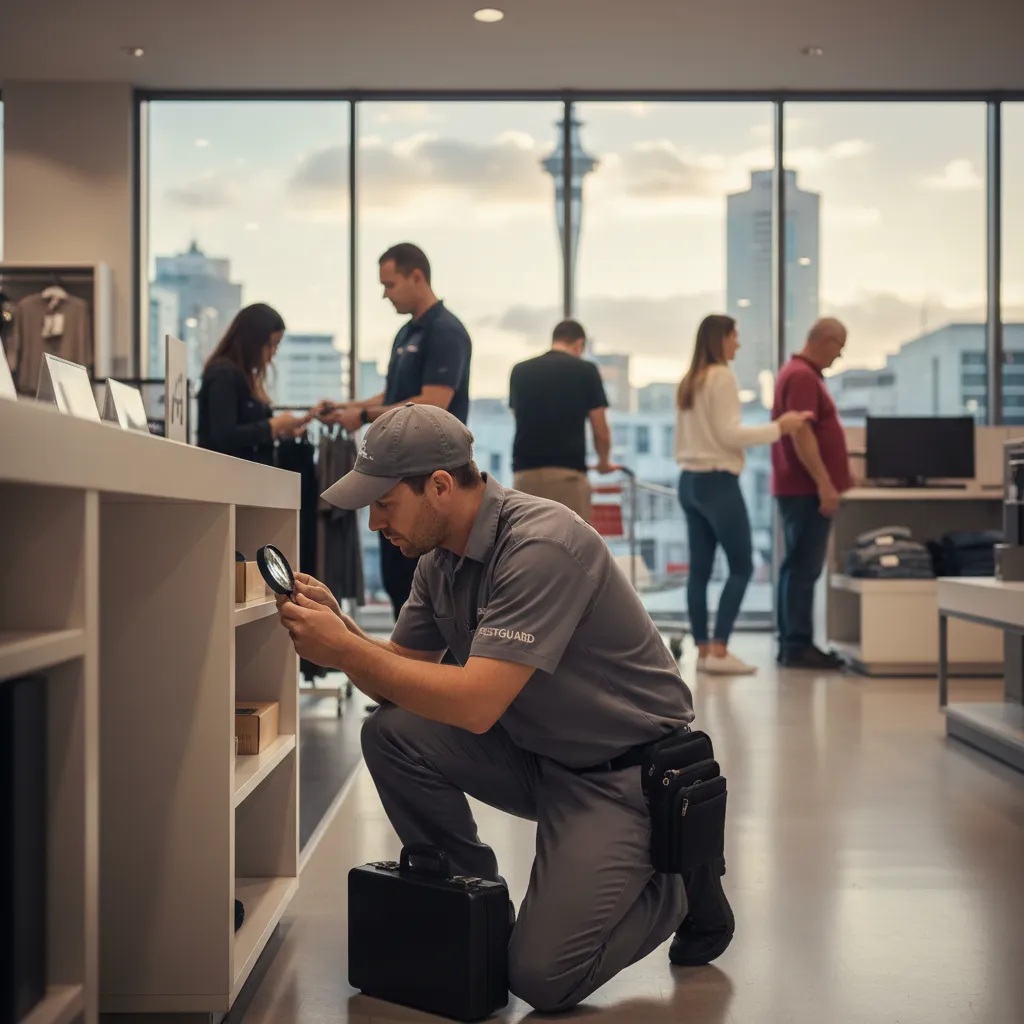
Discreet & Fast Pest Eradication: Minimising Business Disruption
When a pest problem is identified in a retail setting, immediate and effective action is crucial. However, the unique nature of retail—requiring continuous operation and maintaining an appealing environment—demands that pest control efforts are executed with the utmost discretion and speed. The goal is not just eradication, but also minimal disruption to daily business, staff, and customer flow.
The Importance of Covert Operations
For any retail store, the presence of pest control technicians or equipment can raise alarms among customers, reinforcing negative perceptions. Therefore, pest eradication efforts must be as discreet as possible. This often involves scheduling treatments outside of regular business hours, using unmarked vehicles, and employing technicians who are trained to work efficiently and unobtrusively. The aim is to resolve the issue without drawing unwanted attention, preserving the store’s clean image and customer confidence.
Rapid Response and Emergency Services
An active pest sighting during peak hours or a sudden discovery of an infestation requires an immediate and decisive response. Reputable Auckland pest control services offer rapid response times for retail clients, understanding that every hour of delay can exacerbate the problem and increase potential damage or reputational harm. Emergency services ensure that critical situations are addressed promptly, preventing further spread and mitigating the immediate impact on business operations.
Tailored Treatment Plans for Retail Environments
One-size-fits-all pest control is rarely effective in complex retail environments. A comprehensive pest management plan must be tailored to the specific layout, merchandise types, and operational hours of each store. This includes identifying high-risk areas, selecting appropriate, safe, and effective treatments that won’t harm products or people, and implementing strategies that integrate seamlessly with the store’s existing routines. Whether it’s baiting systems, traps, or targeted sprays, the methods chosen must align with the retail context.
Integrated Pest Management (IPM) for Long-Term Solutions
Discreet and fast eradication is vital for immediate relief, but a sustainable solution involves Integrated Pest Management (IPM). IPM is a holistic approach that focuses on long-term prevention of pests through a combination of techniques, including biological control, habitat manipulation, modification of cultural practices, and the use of resistant varieties. In a retail context, IPM involves regular monitoring, identification of pest entry points, improving sanitation, proper waste management, and educating staff on early detection. This proactive strategy reduces reliance on chemical treatments and ensures a more sustainable, pest-free environment, which is particularly crucial for maintaining a healthy and safe retail space. For broader understanding of pest types, consider consulting resources like Wikipedia’s overview of pests.
Protecting Merchandise from Pests: A Critical Asset Management Strategy
For any retail business, merchandise represents capital. Protecting this investment from pest damage is not merely a matter of cleanliness, but a fundamental aspect of asset management. Pests can inflict considerable harm to products, from foodstuffs to high-value electronics and apparel, leading to direct financial losses and undermining product integrity.
Identifying Vulnerable Merchandise
Different types of merchandise attract different pests. Food retailers face challenges from rodents, cockroaches, pantry moths, and stored product beetles. Apparel stores can suffer from fabric pests like clothes moths and carpet beetles. Even electronics and hardware can be damaged by rodents chewing through wires or cockroaches seeking shelter in sensitive components. A thorough assessment of the merchandise on display and in storage is essential to identify specific vulnerabilities and tailor protective measures accordingly.
Storage Solutions and Preventative Measures
Effective pest prevention begins with smart storage. Merchandise should be stored off the floor, away from walls, and in sealed, airtight containers where possible. Rotating stock regularly helps ensure that products don’t sit undisturbed for long periods, becoming attractive havens for pests. Implementing proper inventory management practices reduces clutter and makes it easier to spot early signs of infestation. In a retail setting, this also extends to display practices, ensuring that items on shelves are not left to become dusty or forgotten, which can invite pests.
Regular Inspections and Early Detection
Proactive monitoring is key to preventing widespread damage. Retail staff should be trained to recognise common signs of pest activity, such as droppings, gnaw marks, webbing, or live sightings. Regular, systematic inspections of shelving, display units, stockrooms, and customer-facing areas can help detect problems before they escalate. Early detection allows for targeted intervention, minimising the scope of damage and avoiding the need for more extensive, disruptive treatments.
Specialised Treatments for Product Protection
When an infestation is detected, the chosen treatment methods must be safe for the merchandise. For example, fumigation may be appropriate for large quantities of non-food items in a sealed storage area, while targeted baiting or trapping might be better for active display areas. The pest control specialist should employ methods that effectively eradicate pests without contaminating or damaging products. This requires a deep understanding of pest biology, product materials, and safe application techniques to ensure both pest eradication and asset preservation.

Seasonal Pest Prevention for Retail: Proactive Strategies for Auckland Businesses
Auckland’s temperate climate means that pest activity can fluctuate significantly throughout the year. Effective retail store pest control in Auckland requires a proactive, seasonal approach, anticipating pest trends and implementing preventative measures before infestations take hold. Understanding these seasonal patterns allows businesses to stay one step ahead, ensuring year-round protection.
Summer: Increased Insect Activity
During Auckland’s warmer summer months, insect populations thrive. Flies, ants, cockroaches, and various stored product pests become more active and numerous. Retailers, especially those with open doors or outdoor displays, are particularly vulnerable. Prevention during summer involves vigilant sealing of entry points, enhanced waste management to remove food sources, and regular perimeter treatments to deter insects from entering the premises. Keeping cool, well-ventilated spaces can also help deter some pests.
Autumn: Rodent Influx and Preparations
As temperatures drop in autumn, rodents like rats and mice seek warmer, sheltered environments, often migrating indoors. Retail stores, with their abundant hiding spots and potential food sources (especially food retailers), become prime targets. Autumn prevention strategies should focus on reinforcing exclusion measures – sealing gaps in foundations, walls, and around pipes. Strategic placement of tamper-resistant bait stations and traps around the exterior perimeter is crucial to intercept rodents before they gain entry.
Winter: Seeking Shelter and Indoor Infestations
Winter brings a peak in indoor pest activity for creatures seeking refuge from the cold. Rodents, spiders, and certain overwintering insects may already be established inside. During this season, emphasis shifts to interior monitoring and control. Detailed inspections of storage areas, false ceilings, and infrequently used spaces are vital. While outdoor pest activity may slow, indoor populations can grow exponentially if left unchecked, posing significant threats to merchandise and hygiene.
Spring: Breeding Cycles and New Threats
With the arrival of spring, many pest species begin their breeding cycles. This can lead to a rapid increase in populations, with new generations emerging. Spring prevention focuses on breaking these cycles. This includes identifying and treating breeding sites, such as standing water for mosquitoes or food debris for cockroaches. Thorough cleaning and sanitation efforts are paramount to eliminate potential nurseries for new pest generations. Retailers should also be mindful of new stock deliveries potentially introducing hitchhiking pests.
Year-Round Monitoring and Adjustment
Ultimately, seasonal pest prevention for retail in Auckland is not a set-and-forget task. It requires continuous monitoring, regular inspections, and flexible pest management plans that can be adjusted based on real-time pest activity and environmental changes. A professional pest control partner will provide ongoing support, adapting strategies to ensure comprehensive, year-round protection against Auckland’s diverse pest threats.

Choosing the Right Pest Control Partner in Auckland
Selecting a pest control service for your retail store in Auckland is a critical decision that directly impacts your business’s reputation, operational continuity, and financial well-being. It’s not just about eradicating pests; it’s about finding a partner who understands the unique sensitivities of a retail environment and can deliver services with professionalism, discretion, and efficacy. A poorly chosen provider can lead to ongoing problems, customer complaints, and further financial strain.
Experience and Local Expertise
An effective pest control partner must possess extensive experience specifically within commercial and retail settings. They should understand the complexities of operating in a public-facing environment, including the need for minimal disruption, compliance with health and safety regulations, and the protection of various types of merchandise. Local expertise in Auckland is equally vital. A company familiar with the specific pest challenges prevalent in the Auckland region – from indigenous species to those introduced – will be better equipped to implement targeted and effective strategies tailored to the local environment and climate.
Discretion and Professionalism
As previously discussed, discretion is paramount in retail pest control. The ideal partner will employ technicians who are not only skilled in pest management but also trained in customer service and sensitive to the retail context. This includes arriving in unmarked vehicles, working outside operating hours or during low-traffic periods, and maintaining a professional, unassuming presence. Their methods should be designed to be unobtrusive, ensuring that your customers’ shopping experience remains undisturbed and your brand image uncompromised.
Comprehensive and Eco-Friendly Solutions
Look for a pest control provider that offers comprehensive solutions, encompassing not just eradication but also proactive prevention, ongoing monitoring, and detailed reporting. An Integrated Pest Management (IPM) approach is highly desirable, focusing on sustainable, long-term prevention with minimal reliance on chemicals. Furthermore, inquire about their use of eco-friendly and low-toxicity products that are safe for use around customers, staff, and sensitive merchandise, aligning with modern consumer expectations for responsible business practices.
Commitment to Customer Service and Follow-Up
The relationship with your pest control partner shouldn’t end after the initial treatment. A reliable service will offer ongoing support, regular follow-up visits, and clear communication. This includes providing detailed reports on findings, treatments applied, and recommendations for preventative measures that your staff can implement. They should be responsive to your concerns and proactive in adjusting their strategies as needed. A strong commitment to customer service ensures that your retail store remains pest-free and your partnership is a valuable asset to your business.
Conclusion: Upholding Retail Excellence Through Superior Pest Control
In the dynamic retail environment of Auckland, customer experience is king, and a pest-free store is the cornerstone of that experience. Neglecting pest control can lead to devastating consequences, from immediate customer discomfort and significant reputational damage to substantial financial losses through damaged merchandise and regulatory fines. By understanding the profound impact of pests, prioritising discreet and rapid eradication, implementing robust merchandise protection strategies, and adopting a proactive, seasonal prevention approach, retail businesses can safeguard their brand and bottom line. Choosing the right pest control partner – one with local expertise, a commitment to discretion, comprehensive solutions, and excellent customer service – is not merely an expense, but a strategic investment in upholding retail excellence and ensuring a consistently pristine shopping environment for every customer who walks through your doors.
People Also Ask
How often should a retail store in Auckland get pest control?
The frequency of pest control for a retail store in Auckland typically depends on several factors, including the store’s location, type of merchandise (especially food items), historical pest activity, and surrounding environment. Generally, most retail stores benefit from quarterly inspections and preventative treatments. However, businesses handling food, located in high-risk areas, or with a history of recurrent infestations may require more frequent, monthly services to maintain optimal pest control. A professional pest control specialist can provide a tailored schedule after an initial assessment.
What are the signs of a pest infestation in a retail store?
Key signs of a pest infestation in a retail store include droppings (small, dark pellets) on shelves, floors, or in storage areas; gnaw marks on packaging, wires, or furniture; unusual odours, especially musty or ammonia-like smells; visible damage to merchandise such as holes in fabric or chewed food packaging; live sightings of pests like insects or rodents; and unexplained noises such as scratching or scurrying sounds within walls or ceilings. Employee or customer complaints about pest sightings are also a definitive indicator.
How does pest control protect retail merchandise?
Pest control protects retail merchandise by eradicating existing pests that chew, contaminate, or otherwise damage goods, and by implementing preventative measures to deter future infestations. This includes sealing entry points, applying targeted treatments around storage areas, using pest-safe storage solutions (e.g., airtight containers), and monitoring for early signs of activity. By controlling pest populations, businesses prevent financial losses from spoiled, unsellable stock and maintain the quality and integrity of their products.
Is discreet pest control important for retail businesses?
Yes, discreet pest control is extremely important for retail businesses. The visible presence of pest control services or equipment can negatively impact customer perception, suggesting a lack of hygiene and potentially deterring shoppers. Discreet services, often performed outside business hours or with unmarked vehicles and unobtrusive techniques, help maintain the store’s professional image, protect its reputation, and ensure customer comfort without drawing unwanted attention to a pest issue.
What types of pests commonly affect retail stores in Auckland?
Retail stores in Auckland are commonly affected by a range of pests. These include rodents (rats and mice) seeking food and shelter; cockroaches, particularly German and American cockroaches, which thrive in food-rich environments; ants, often attracted to food spills; flies, especially near entrances or food areas; and various stored product pests like beetles and moths, which infest cereals, grains, and dry goods. Fabric pests such as clothes moths and carpet beetles can also be an issue for apparel or homeware stores.
How can I choose the best retail pest control service in Auckland?
To choose the best retail pest control service in Auckland, look for providers with specific commercial and retail experience. Prioritise companies that offer discreet services, operate with professionalism, and use Integrated Pest Management (IPM) strategies. Verify their local expertise, licensing, and insurance. Check client testimonials and ask for references. Ensure they provide comprehensive plans, use safe and eco-friendly products where possible, and have a strong commitment to responsive customer service and ongoing support to maintain a pest-free environment.