Moth infestation treatment in Auckland involves a comprehensive strategy to identify, eradicate, and prevent fabric and pantry pests. Effective solutions range from targeted DIY methods to professional pest control services, addressing specific moth species and protecting your property from significant damage and contamination.
Identifying Moth Species & Damage
Effectively treating a moth infestation in Auckland begins with accurate identification of the species involved. Different moths target different materials and require tailored approaches for successful eradication. Misidentification can lead to ineffective treatments and prolonged infestations, costing you more time and money in the long run. Understanding the specific threats posed by various moth types common in Auckland is the first critical step toward resolving the problem.
Common Moth Types in Auckland
Auckland homes and businesses commonly encounter two primary categories of moths that cause significant issues: fabric moths and pantry moths. Each category includes several species with distinct characteristics and habits.
- Fabric Moths (Clothes Moths): These pests, primarily the Webbing Clothes Moth (Tineola bisselliella) and the Casemaking Clothes Moth (Tinea pellionella), are notorious for damaging natural fibers. They are small, typically 6-10mm long, and usually drab in color (golden or grayish-brown). Unlike many other moths, clothes moths prefer dark, undisturbed areas, making wardrobes, attics, and storage boxes ideal breeding grounds. Their larvae are the destructive stage, feeding on wool, silk, fur, feathers, and even synthetic blends containing natural fibers.
- Pantry Moths (Food Moths): The most common pantry moth in Auckland is the Indianmeal Moth (Plodia interpunctella), often characterized by its distinctive bi-colored wings – reddish-brown on the outer two-thirds and grayish-white on the inner third. Other pantry pests include the Mediterranean Flour Moth and the Warehouse Moth. These moths infest stored food products, including grains, cereals, nuts, dried fruit, pet food, and spices. Their presence is often first noticed when adults fly erratically around kitchen areas or when larvae and webbing are found directly in food packages.
Accurate identification is crucial because treatments for fabric moths are vastly different from those for pantry moths. A professional pest control service in Auckland can provide definitive identification if you are unsure.
Signs of a Moth Infestation
Recognizing the early signs of a moth infestation can prevent extensive damage. Vigilance and knowing what to look for are key to prompt action.
- For Fabric Moths:
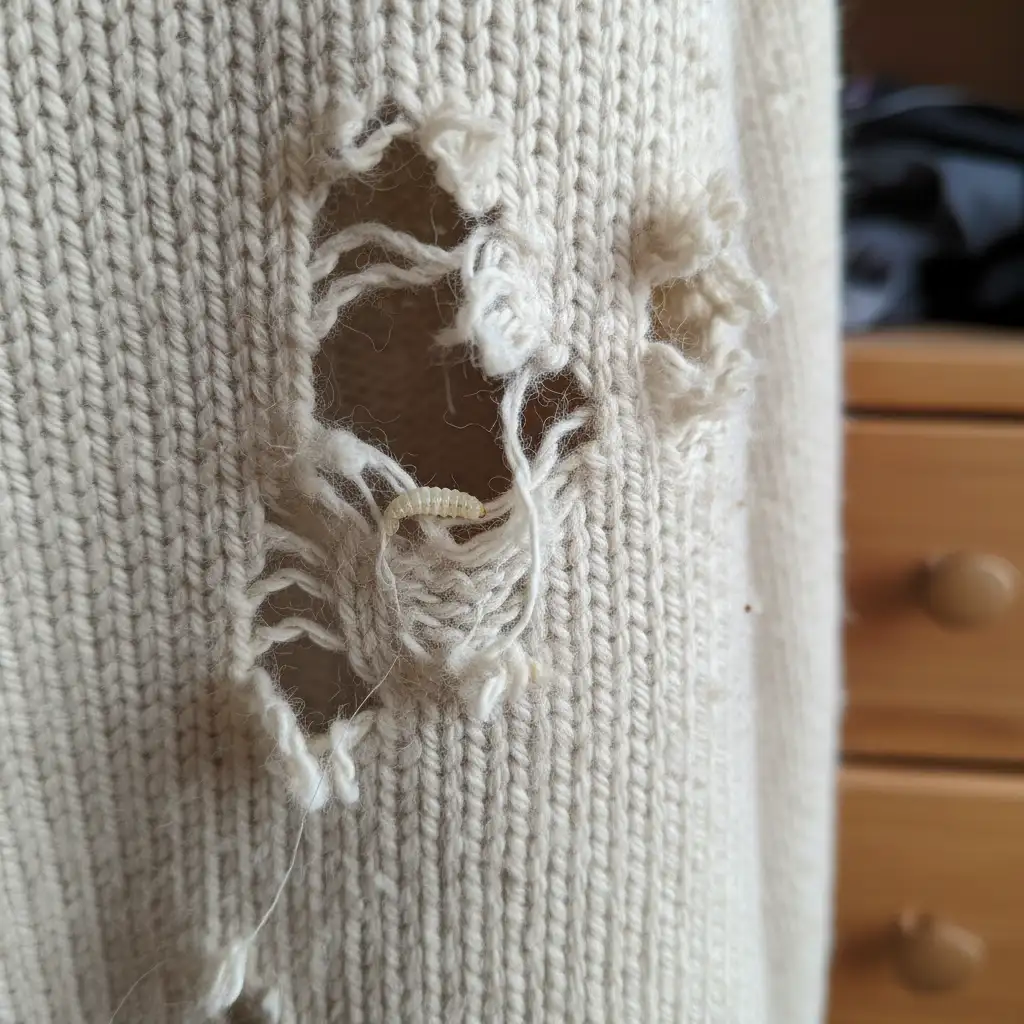
- Irregular holes in fabrics: Particularly in woolens, silks, furs, and cashmere.
- Small, silken tubes or cases: Casemaking clothes moth larvae create silk cases that they carry with them. Webbing clothes moth larvae spin silken tunnels or patches as they feed.
- Live larvae or pupae: Small, cream-colored larvae (up to 12mm) might be found on damaged items or in dark crevices.
- Adult moths flying: While adult moths don’t feed, their presence indicates an active infestation. They are often seen fluttering weakly in dimly lit areas or crawling rather than flying.
- Frass: Tiny fecal pellets resembling sand or dust, often found near damaged items.
- For Pantry Moths:
- Adult moths flying: Often observed flying in kitchens, pantries, or near food storage areas, especially in the evenings.
- Webbing in food products: Silken webbing spun by larvae is a tell-tale sign, particularly visible in corners of packages or on the surface of grains.
- Clumped food items: Larval activity can cause cereals, flours, or grains to stick together.
- Larvae or pupae in food: Small, white or pinkish-white larvae (up to 17mm) or cocoons might be present within food packages, cupboards, or on ceilings near food storage.
- Damaged packaging: Tiny holes in bags or boxes where larvae have chewed through.
Effective Moth Eradication Methods
Once you’ve identified the type of moth and the extent of the infestation, the next step is implementing effective eradication methods. This often involves a combination of thorough cleaning, targeted treatments, and, for severe cases, professional intervention. A multi-pronged approach ensures that you address both the adult moths and their destructive larvae and eggs.
DIY Moth Control Strategies
For minor infestations, several DIY methods can be effective. Consistency and thoroughness are key to their success.
- Thorough Cleaning: This is paramount. Vacuum all affected areas extensively, including cracks, crevices, under furniture, and along baseboards. For fabric moths, vacuum inside wardrobes, drawers, and storage containers. For pantry moths, empty all pantry shelves, vacuum thoroughly, and wipe down surfaces with hot soapy water or a vinegar solution.
- Temperature Treatments:
- Freezing: For smaller items (clothing, fabric art, sealed food packages), place them in airtight bags and freeze at -18°C (0°F) for at least 72 hours. This kills all life stages.
- Heat: Washing clothes in hot water (above 60°C or 140°F) for 20-30 minutes, or tumble drying on a high heat setting, can kill moths. For heat-tolerant pantry items, a brief time in an oven at low temperature (e.g., 60°C for 30 minutes) can be effective, but monitor closely to prevent cooking.
- Pheromone Traps: These traps use specific pheromones to attract and capture adult male moths, primarily for monitoring purposes or to disrupt mating cycles. They are effective for pantry moths and certain fabric moths but do not kill larvae or eggs, so they won’t solve an infestation on their own. They are excellent for identifying the presence of moths and monitoring treatment efficacy.
- Natural Repellents: While not eradicators, natural repellents like cedarwood, lavender, rosemary, and bay leaves can deter moths from settling in certain areas. Cedar chests and blocks are effective for clothing storage due to their natural oils. However, these only work as repellents and do not kill existing infestations.
Professional Pest Control in Auckland
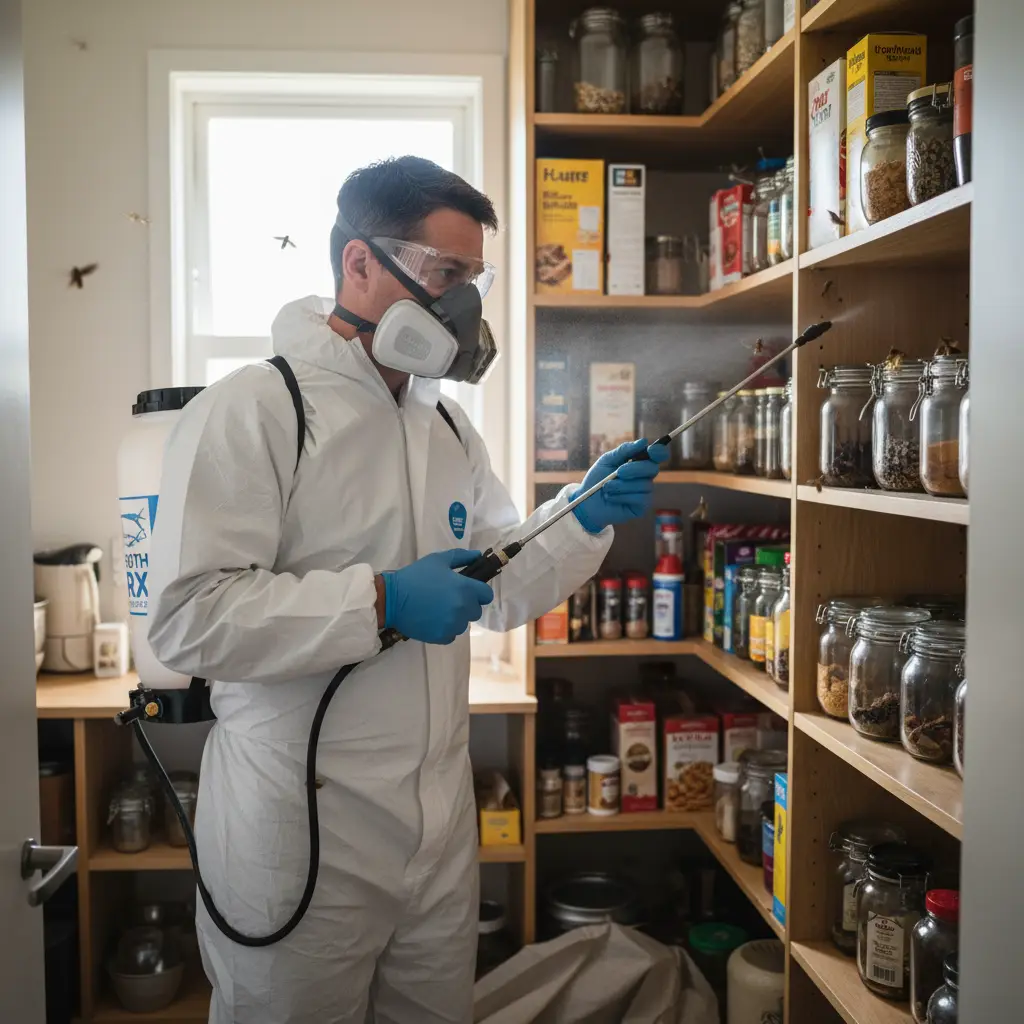
When DIY methods fall short, or for extensive and persistent infestations, professional moth infestation treatment in Auckland is highly recommended. Pest control experts offer specialized knowledge, tools, and treatments that are often unavailable or unsafe for homeowner use.
- Thorough Inspection: Professionals conduct a detailed inspection to accurately identify the moth species, pinpoint all infestation sources, and assess the extent of the problem. This expertise is crucial for designing an effective treatment plan.
- Targeted Treatments: Depending on the moth species and location, treatments may include:
- Residual Insecticides: Applied to surfaces where moths crawl or lay eggs, providing long-lasting control. These are carefully chosen for safety and effectiveness, especially in food storage areas or near textiles.
- Insect Growth Regulators (IGRs): Disrupt the life cycle of moths, preventing larvae from maturing into adults and breaking the breeding cycle.
- Fumigation: In severe cases, especially for entire property infestations or commercial premises, fumigation might be necessary. This involves sealing the area and releasing a gas that penetrates all crevices, eliminating all life stages of moths.
- Heat Treatments: Some professionals offer whole-room or whole-house heat treatments, raising the ambient temperature to levels lethal to moths, similar to the DIY method but on a larger, controlled scale.
- Integrated Pest Management (IPM): Auckland pest control experts often employ an IPM approach, combining various strategies to achieve long-term control while minimizing environmental impact. This includes advising on sanitation, structural repairs, and ongoing monitoring. For more detailed information on integrated pest management, resources like the U.S. Environmental Protection Agency (EPA) provide comprehensive guidelines.
Choosing a reputable Auckland pest control service ensures effective, safe, and lasting eradication of moth infestations.
Protecting Clothing & Food from Moths
Once an infestation has been treated, or as a preventative measure, protecting your valuable clothing and stored food items from future moth attacks is essential. This involves strategic storage solutions, regular maintenance, and mindful practices.
Safeguarding Textiles and Wardrobes
Fabric moths can cause irreparable damage to clothing, carpets, and upholstery. Implementing proactive storage and care routines is vital for their protection.
- Clean Before Storing: Always wash or dry-clean clothes before storing them for long periods. Moths are attracted to human scent, food stains, and body oils on soiled garments.
- Airtight Storage: Store seasonal clothing, blankets, and other valuable textiles in airtight containers, vacuum-sealed bags, or cedar chests. Plastic bins with tight-fitting lids are excellent for this purpose. Avoid cardboard boxes for long-term storage as moths can chew through them.
- Cedar Products: Cedarwood contains natural oils (cedrol) that act as a repellent for moths. Cedar blocks, hangers, or linings for wardrobes can be effective. Remember that the scent diminishes over time, so periodically sand cedar items lightly to refresh their effectiveness.
- Regular Inspection and Rotation: Regularly check items stored in wardrobes, drawers, and attics, especially natural fibers. Rotate clothes, air them out, and shake them to disturb any potential moth activity.
- Maintain Low Humidity: Moths thrive in humid environments. Use dehumidifiers in damp areas of your home, like basements or poorly ventilated wardrobes, to make them less hospitable for moths.
Securing Pantry Items and Food Storage
Pantry moths can quickly contaminate entire food supplies, making proper storage and vigilance crucial.
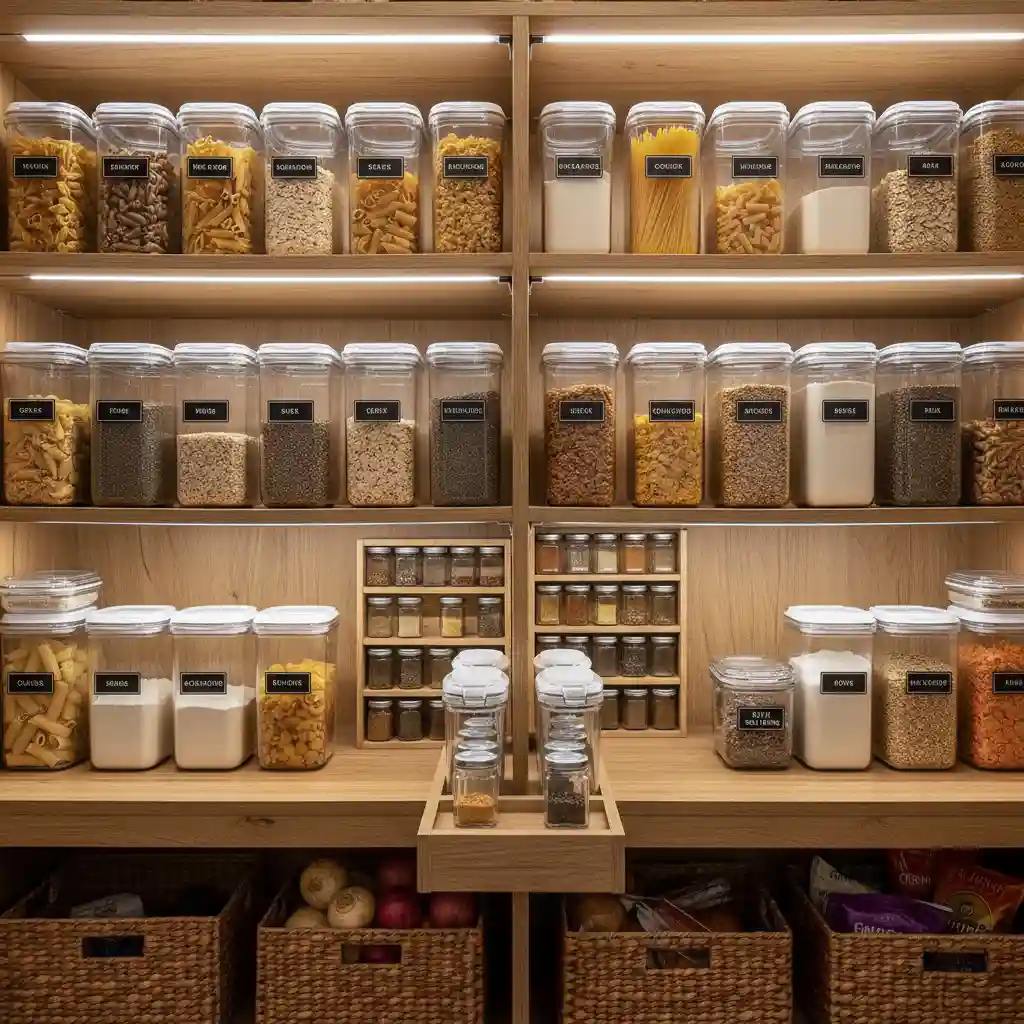
- Airtight Containers: Transfer all dry goods (flour, rice, pasta, cereals, nuts, pet food, spices) from their original packaging into sturdy, airtight containers made of glass, thick plastic, or metal immediately after purchase. This prevents moths from laying eggs on the packaging or chewing their way in.
- Inspect Groceries: Before bringing new groceries into your home, especially bulk items, inspect them for any signs of moths (webbing, larvae). Freezing new grains or flours for 48-72 hours can pre-emptively kill any hidden eggs or larvae.
- Regular Pantry Cleaning: Routinely empty your pantry, vacuum shelves, and wipe them down with a disinfectant or a vinegar solution. Pay close attention to cracks and crevices where food particles might accumulate.
- First In, First Out (FIFO): Practice good inventory management. Use older items first to prevent food from sitting for too long and potentially becoming infested.
- Avoid Overstocking: While it’s tempting to buy in bulk, overstocking can lead to items sitting unused for extended periods, increasing the risk of infestation. Buy quantities that you can consume within a reasonable timeframe.
Preventing Future Moth Outbreaks
Prevention is always better than cure, especially when it comes to persistent pests like moths. Establishing robust preventative measures after treatment, or as a proactive strategy, is crucial for maintaining a moth-free home or business in Auckland. This involves continuous vigilance, environmental control, and smart storage practices.
Long-Term Prevention Strategies
To keep moths from returning, integrate these habits into your routine maintenance.
- Seal Entry Points: Moths can enter through tiny cracks, gaps around windows and doors, or unscreened vents. Seal any visible entry points in your home’s foundation, walls, and around utility lines. Ensure window and door screens are in good repair.
- Manage Humidity: As mentioned, moths thrive in damp conditions. Use dehumidifiers in basements, attics, and poorly ventilated rooms. Ensure proper ventilation throughout your home, especially in laundry rooms and bathrooms, to reduce overall humidity levels.
- Regular Cleaning Schedule: Maintain a consistent cleaning schedule that includes vacuuming carpets, rugs, upholstery, and hard floors regularly. Pay extra attention to corners, under furniture, and areas where lint and dust accumulate, as these can provide food sources and hiding spots for moth larvae.
- Careful Second-hand Purchases: Be cautious when bringing second-hand clothing, furniture, or rugs into your home. Inspect them thoroughly for any signs of moths. Consider having them professionally cleaned or performing a deep clean yourself before integration.
- Garden Maintenance: Some outdoor moths can inadvertently find their way inside. Keep vegetation trimmed away from your home’s foundation and ensure proper drainage around the perimeter to deter various pests.
For more detailed insights on pest prevention and home maintenance, authoritative sources like the New Zealand Ministry of Health often provide general advice on maintaining a healthy environment free from pests.
Seasonal Maintenance and Monitoring
Adapting your prevention strategy to the seasons can further bolster your defenses against moths.
- Spring Cleaning: Use spring as an opportunity for a deep clean. Empty wardrobes, clean out drawers, and thoroughly inspect all stored items. Clean out pantries, checking expiry dates and ensuring all food items are in airtight containers.
- Summer Vigilance: Moths are often more active in warmer months. Be extra vigilant during summer, regularly checking vulnerable areas. If you use pheromone traps, replace them according to manufacturer instructions to ensure continuous monitoring.
- Autumn Preparation: Before storing away summer clothing for the winter, ensure everything is clean and properly stored in airtight containers. Inspect winter clothing before bringing it out of storage.
- Winter Checks: While moth activity might slow down in colder months, it doesn’t stop entirely, especially in heated homes. Continue routine checks, particularly in less-frequented areas like attics or basements.
By integrating these proactive and consistent strategies, you can significantly reduce the risk of future moth infestations, protecting your Auckland home or business from these persistent pests. Should an infestation recur despite your best efforts, do not hesitate to contact a professional pest control service in Auckland for expert assistance.
People Also Ask About Moth Infestations
What attracts moths to homes in Auckland?
Moths are primarily attracted to homes in Auckland by food sources. Fabric moths are drawn to natural fibers like wool, silk, fur, and feathers, especially if they are soiled with human oils, food stains, or perspiration. Pantry moths are attracted to dry food products such as grains, cereals, nuts, seeds, dried fruit, and pet food. Dark, undisturbed areas also provide ideal breeding and hiding spots for fabric moths, while accessible food storage draws pantry moths.
How do I get rid of moths permanently?
Getting rid of moths permanently requires a multi-faceted approach. First, identify the moth type and remove all infested items. For fabric moths, clean/freeze/heat all textiles and thoroughly vacuum storage areas. For pantry moths, discard infested food, clean the pantry with hot soapy water, and store all dry goods in airtight containers. Utilize pheromone traps for monitoring. For persistent or widespread infestations, professional pest control in Auckland is often necessary for complete and lasting eradication.
Are moth balls effective against fabric moths?
Moth balls contain chemicals (naphthalene or paradichlorobenzene) that can kill moth larvae and adults, but they are most effective in tightly sealed containers where the fumes can concentrate. They are less effective in open closets or rooms and are not recommended for direct contact with clothing or food due to potential health risks and strong odors. Modern, safer alternatives like cedar, lavender, or professional treatments are generally preferred for clothing protection.
Can pantry moths spread to other rooms?
Yes, pantry moths can definitely spread to other rooms in a home. While they primarily infest kitchen and pantry areas, adult Indianmeal moths can fly throughout the house, seeking out new food sources to lay eggs. Larvae can also crawl out of infested packages and pupate in crevices in ceilings, walls, or other rooms, leading to infestations in unexpected places if not contained promptly.
When should I call a professional pest controller for moths in Auckland?
You should call a professional pest controller in Auckland for moths if you have a widespread or persistent infestation that DIY methods haven’t resolved. If you’re unsure about the moth species, cannot locate the source, or if you see moths consistently over several weeks, it’s time for expert intervention. Professionals have specialized tools, knowledge, and treatments to ensure thorough eradication and prevention.
What’s the difference between fabric moths and pantry moths?
The primary difference lies in their diet and habitat. Fabric moths (e.g., Webbing Clothes Moth) feed on natural fibers like wool, silk, and fur, damaging clothing, carpets, and upholstery, and are typically found in dark, undisturbed storage areas. Pantry moths (e.g., Indianmeal Moth) feed on dry food products like grains, cereals, and nuts, contaminating food supplies, and are found in kitchens and pantries. They also have distinct appearances and life cycles.