Pest exclusion techniques in Auckland involve a strategic, proactive approach to prevent pests from entering your property by identifying and sealing potential entry points. This comprehensive guide outlines the essential steps and methods homeowners can employ to create a robust barrier against common pests, safeguarding their health, property, and peace of mind.
Identifying Pest Entry Points in Your Auckland Home
Effective pest exclusion begins with a thorough inspection of your property to pinpoint vulnerabilities that pests exploit. Auckland’s diverse climate and urban-bush interfaces mean homes are constantly at risk from a range of pests, including rodents, cockroaches, ants, spiders, and even larger creatures like possums. Understanding where these pests gain access is the crucial first step in any exclusion strategy.
Common Pest Entry Points
Pests are incredibly resourceful, often utilizing the smallest openings to infiltrate your home. A diligent inspection should cover both the exterior and interior of your property, focusing on areas where different materials meet or where utility lines enter.
- Doors and Windows: These are primary targets. Look for gaps under doors, worn-out door sweeps, damaged weatherstripping, and torn window screens. Even a small gap, the thickness of a pencil, can be an invitation for mice, while insects can squeeze through much smaller openings. Check the seals around window frames and ensure they are intact.
- Foundation Cracks and Vents: The foundation of your home is a common entry point for rodents and insects. Inspect for cracks, crumbling mortar, and unsealed utility penetrations (pipes, wires). Foundation vents, often covered by flimsy screens, can also be easily compromised.
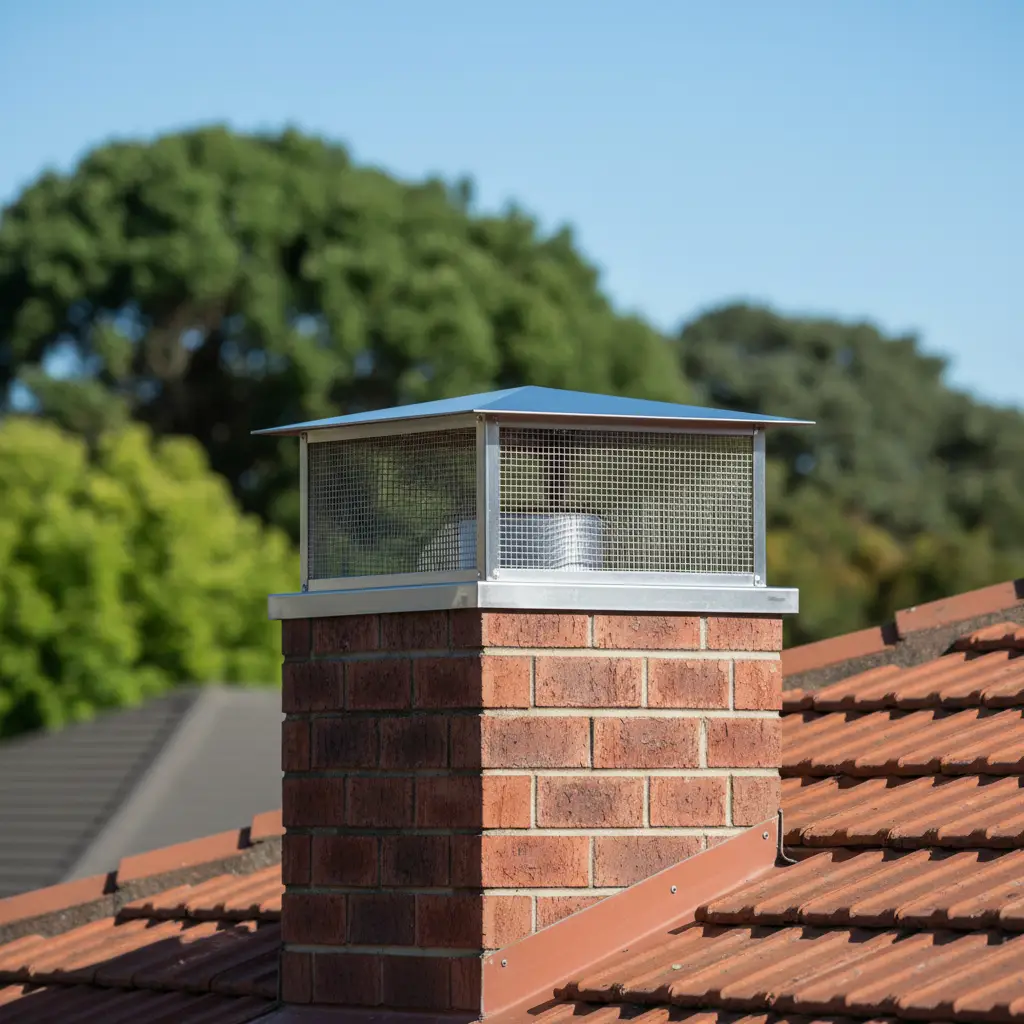
- Roof and Attic Access: Gaps around chimneys, loose flashing, damaged roof tiles, and uncovered attic vents offer easy access for rodents, birds, and possums. Tree branches overhanging the roof can act as bridges for pests.
- Utility Penetrations: Pipes for water, gas, and electrical conduits often leave gaps where they enter the home through walls or foundations. These gaps, sometimes hidden behind appliances, are perfect highways for pests.
- Garages and Sheds: Often less sealed than the main house, garages and sheds can serve as staging areas for pests before they move indoors. Check garage door seals, windows, and any structural gaps.
Tools for Inspection
Equipping yourself with the right tools makes the inspection process more effective. A strong flashlight is essential for dark corners and attics. A mirror can help you see behind pipes or in tight spaces. A screwdriver or putty knife can test the integrity of rotting wood or loose seals. For larger properties, consider a pair of binoculars for inspecting high-up areas like the roofline.
Pay particular attention to areas near overgrown vegetation, woodpiles, or outdoor waste bins, as these are natural harborage points for pests that will seek warmth and shelter inside your home, especially during Auckland’s cooler, wetter months.

Sealing Cracks & Gaps Effectively for Maximum Protection
Once you’ve identified all potential entry points, the next critical step is to seal them off effectively. This process requires careful material selection and proper application to ensure long-lasting pest deterrence. The goal is to eliminate any opening larger than 1/4 inch (about the diameter of a pencil) for rodents and much smaller for insects.
Choosing the Right Sealant
The type of sealant you choose will depend on the size and location of the gap, as well as the material you are sealing.
- Caulk (Silicone or Latex): Ideal for sealing small cracks and gaps around windows, doors, pipes, and other stationary elements. Silicone caulk offers excellent flexibility and water resistance, making it suitable for exterior use. Latex caulk is easier to clean and paintable, perfect for interior cosmetic seals.
- Expanding Foam Sealant: Effective for filling larger, irregular gaps around pipes, vents, and in wall cavities. It expands to fill voids, creating a barrier that is difficult for pests to penetrate. Ensure you use a pest-resistant type, as some rodents can chew through regular foam.
- Steel Wool: An excellent physical barrier for holes and gaps that rodents might chew through. Stuff steel wool tightly into larger openings (e.g., around pipes) before sealing with caulk or foam. The rough, indigestible nature of steel wool deters rodents.
- Hardware Cloth (Mesh): For larger openings like vents or weep holes, install hardware cloth with a mesh size of 1/4 inch or smaller. This durable material can be cut to size and secured with screws or sealant.
- Mortar/Concrete Repair: For significant cracks in foundations or masonry, use appropriate concrete patch or mortar mix to repair structural integrity and eliminate pest access.
Application Techniques
Proper application is key to the longevity and effectiveness of your sealing efforts. Always clean the surface thoroughly before applying any sealant to ensure good adhesion. For caulk, cut the tip at a 45-degree angle to create a bead that fills the gap completely. Apply a consistent, steady pressure and smooth the bead with a wet finger or tooling tool for a neat finish.
When using expanding foam, apply it sparingly as it expands significantly. Read product instructions carefully. For steel wool, ensure it is packed tightly into the void; loosely placed steel wool is less effective.
Installing Pest-Proof Barriers: Fortifying Your Defenses
Beyond sealing existing cracks, installing specific pest-proof barriers provides an additional layer of protection, particularly in high-traffic areas or common entry points. These barriers are designed to withstand pest attempts at entry and require minimal ongoing maintenance once installed.
Door Sweeps and Thresholds
Many pests, especially insects and small rodents, enter under doors. Installing a high-quality door sweep can close this gap effectively. Choose sweeps made of durable materials like rubber, brush, or vinyl, and ensure they are flush with the threshold. For exterior doors, a robust threshold combined with a sweep offers maximum protection. Regularly check the condition of these components, as they can wear down over time, particularly in high-traffic Auckland homes.
Window Screens and Vents
Intact window screens are essential for keeping flying insects out while allowing ventilation. Repair any tears or holes promptly. For added protection, consider installing finer mesh screens, especially in areas prone to small insects. Similarly, ensure all attic, crawl space, and foundation vents are covered with sturdy, fine-mesh hardware cloth. This prevents rodents, birds, and larger insects from nesting or entering through these openings. Chimney caps with mesh covers are also vital for preventing birds and possums from entering your flue.
Gutter Guards and Downspouts
While not a direct entry point, clogged gutters can lead to moisture issues that attract pests and provide easy access to the roofline. Installing gutter guards prevents leaves and debris from accumulating, reducing standing water and denying harborage sites for insects. Ensure downspouts direct water away from the foundation to prevent moisture accumulation around your home, which can attract various pests.
For a comprehensive guide on maintaining your property and its surrounding environment to deter pests, you might find valuable resources on Auckland Council’s official website regarding urban maintenance and environmental health.
DIY Pest Exclusion Tips for Long-Term Auckland Home Protection
Beyond the initial sealing and barrier installation, maintaining a pest-resistant home in Auckland requires ongoing vigilance and adherence to certain DIY exclusion practices. These tips focus on environmental management and regular maintenance to sustain your pest-free environment.
Regular Maintenance Schedule
Pest exclusion is not a one-time task; it’s an ongoing commitment. Regularly inspect your home, especially after significant weather events like heavy rains or storms, which can create new cracks or dislodge existing seals. Check door sweeps, window screens, and vent covers annually. Reapply caulk or sealant as needed, particularly in areas exposed to the elements. A proactive approach saves time and money in the long run by preventing infestations before they occur.
Landscaping for Prevention
Your garden and landscaping play a significant role in pest management. Keep trees and shrubs trimmed away from your home’s exterior, ensuring at least a foot of clearance. Overhanging branches act as pest bridges to your roof. Remove leaf litter, excessive mulch, and woodpiles from immediately adjacent to your foundation, as these provide ideal hiding and breeding grounds for many pests. Maintain a gravel or rock barrier around the foundation where possible, as this deters burrowing pests.
Proper Waste Management
Proper waste management is a fundamental aspect of pest exclusion. Store all rubbish in tightly sealed bins, both indoors and outdoors. Regularly empty indoor bins and clean them to prevent odours that attract pests. For outdoor bins, ensure they have secure lids and are placed away from your home’s foundation. Rinse recyclables to remove food residues. Promptly clean up any food spills, both inside and outside, to eliminate food sources for pests.
When to Call Professionals
While many pest exclusion techniques are suitable for DIY application, some situations warrant professional intervention. If you encounter a significant infestation, suspect pests in hard-to-reach areas like wall voids, or deal with pests that require specialized treatment (e.g., termites, severe rodent problems), it’s wise to consult a licensed pest control professional. They have the expertise, equipment, and treatments necessary to resolve complex issues and can provide advanced exclusion solutions that are beyond the scope of a typical homeowner.
For further authoritative information on urban pest management and species identification relevant to New Zealand, resources like Wikipedia’s article on Pest Control can offer broader context and scientific insights into integrated pest management strategies.
By diligently implementing these pest exclusion techniques and maintaining a vigilant approach, Auckland homeowners can significantly reduce the risk of infestations, creating a healthier, safer, and more comfortable living environment.
People Also Ask (PAA) About Pest Exclusion in Auckland
What are the most common pests in Auckland homes that require exclusion?
In Auckland, common pests requiring exclusion include rodents (mice, rats), cockroaches, ants, spiders, and occasionally possums or birds. Each pest type has unique entry methods, necessitating varied exclusion techniques.
How often should I inspect my home for pest entry points?
It’s recommended to conduct a thorough inspection of your Auckland home for pest entry points at least once annually, preferably in early autumn before pests seek winter shelter. Regular spot checks, especially after heavy weather, are also advisable.
Can DIY pest exclusion truly be effective against severe infestations?
DIY pest exclusion is highly effective for prevention and minor issues. However, for severe or established infestations, particularly with rodents, termites, or large colonies of insects, professional pest control services are often necessary to fully eradicate the problem before exclusion can be fully effective.
What materials are best for sealing gaps around plumbing pipes?
For gaps around plumbing pipes, use a combination of materials. Tightly pack steel wool into larger gaps to deter rodents, then seal over it with a high-quality silicone caulk for a durable, moisture-resistant, and aesthetically pleasing finish.
Is it necessary to use pest-specific exclusion methods?
While many exclusion methods are universal (e.g., sealing cracks), some are pest-specific. For example, fine mesh screens are critical for tiny insects, while sturdy hardware cloth and steel wool are vital for rodent exclusion due to their chewing abilities. Tailoring methods to potential threats improves effectiveness.
Does landscaping impact pest exclusion around my Auckland home?
Yes, landscaping significantly impacts pest exclusion. Keeping trees and shrubs trimmed away from your home, removing ground clutter, and ensuring proper drainage can prevent pests from using your garden as a bridge or harborage area, thereby reducing their chances of entering your home.