Bee hive removal in Auckland involves the safe and humane relocation of bee colonies from residential or commercial properties to suitable environments. This critical service ensures the protection of both human inhabitants from potential stings and the vital bee populations, which are essential for pollination and ecosystem health, requiring expert handling.
Auckland’s lush environment and temperate climate make it an ideal habitat for various bee species, leading to occasional encounters between human residences and bee colonies. While bees are crucial for our ecosystem, an active hive or swarm in close proximity to homes or businesses can pose significant risks, from structural damage to potential health hazards for those with allergies. This guide provides comprehensive insights into understanding bee behavior, identifying threats, and the importance of professional, humane bee hive removal services across Auckland.
Understanding the nuances of bee hive removal is not just about eliminating a nuisance; it’s about responsible environmental stewardship. The goal is always to relocate bees safely, preserving these essential pollinators while securing your property. Whether you’re dealing with a sudden swarm or an established hive, knowing the correct steps to take is paramount for both your safety and the well-being of Auckland’s bee population.
Identifying Bee Swarms & Hives
Before any action can be taken, it’s crucial to accurately identify whether you’re dealing with a temporary bee swarm or a more permanent, established bee hive. Misidentification can lead to unnecessary panic or, worse, improper and harmful intervention. In Auckland, where bee activity is common, knowing the difference is the first step toward a safe and humane resolution.
Understanding Bee Swarms vs. Established Hives
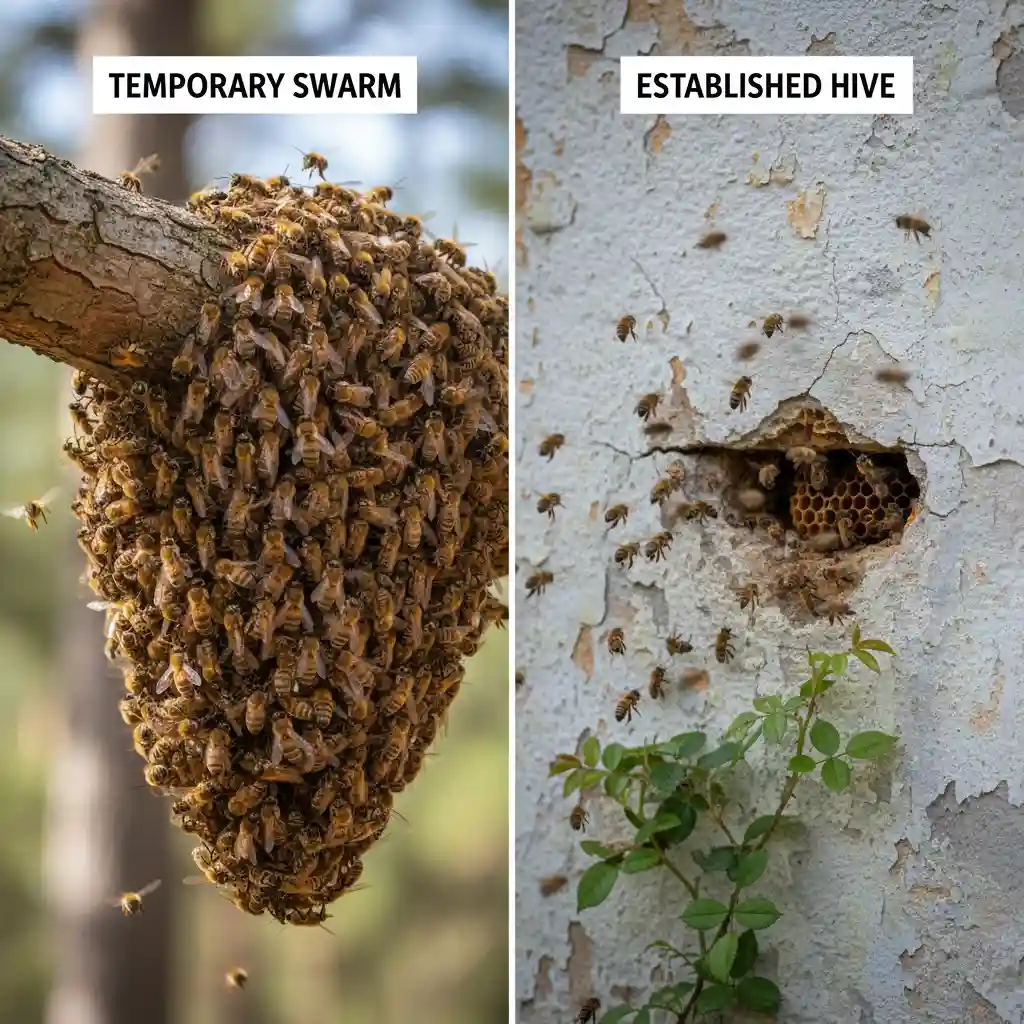
A **bee swarm** is a transient collection of bees, typically a large, buzzing cluster often seen clinging to a tree branch, fence post, or even a car. This is a natural part of a bee colony’s reproduction cycle, where the old queen leaves with about half of the worker bees to establish a new home. Swarms are usually docile because they have no honey or brood to protect. They are merely resting, often for a few hours or a few days, while scout bees search for a permanent new residence. If left undisturbed, a swarm will typically move on its own.
An **established bee hive**, in contrast, is a permanent dwelling where bees have built combs, stored honey, raised brood, and are actively defending their territory. These can be found in sheltered, dark cavities such as wall voids, roof spaces, tree hollows, chimneys, and even compost bins. Established hives represent a long-term commitment by the bees to a specific location and require more intricate and careful removal procedures due to the presence of comb, honey, and the colony’s defensive nature.
Common Locations for Bee Hives in Auckland
In Auckland properties, bees seek out protected spaces. Common areas include:
- Wall Cavities: Bees can enter through small cracks or gaps in siding.
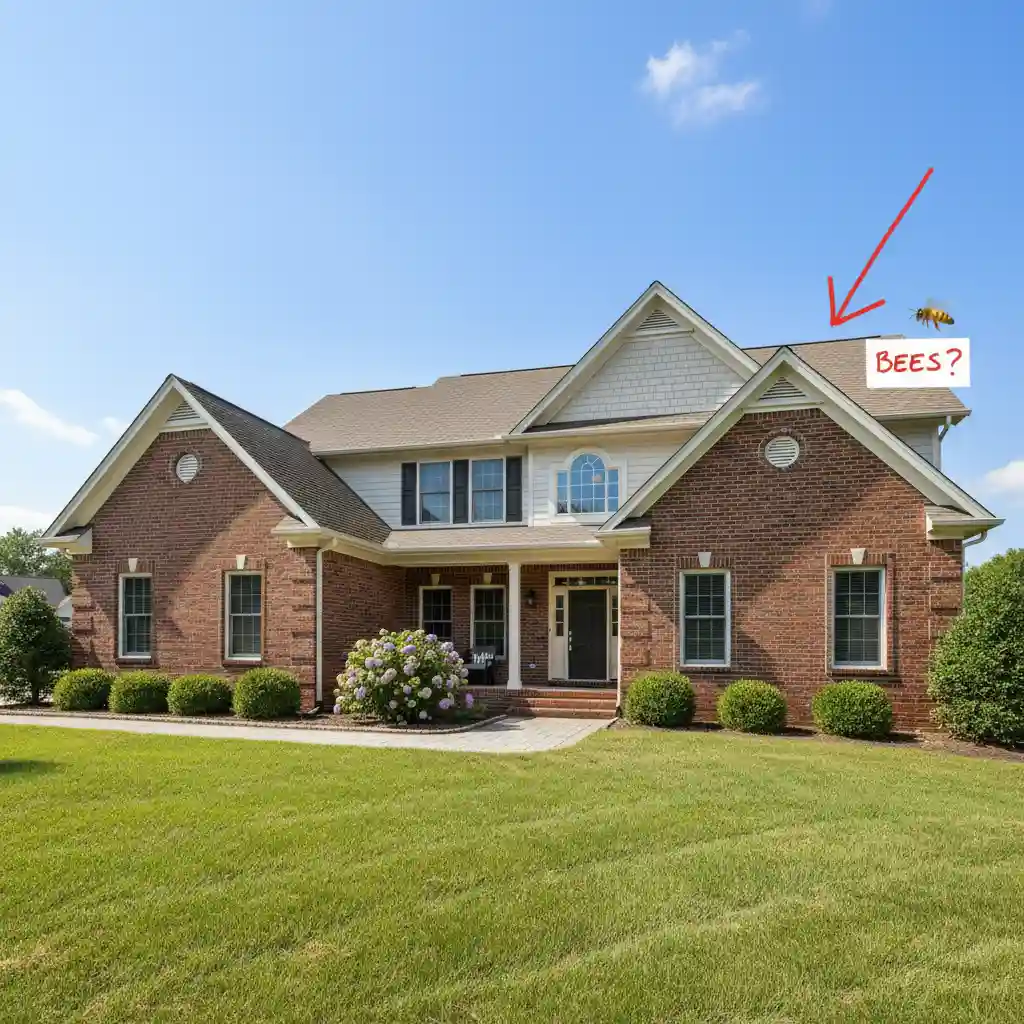
- Roof Voids & Eaves: Attics, roof spaces, and under eaves provide excellent shelter.
- Chimneys: Unused chimneys offer a dark, enclosed space.
- Garden Sheds & Outbuildings: Often less disturbed, making them ideal.
- Tree Hollows & Logs: Natural habitats, but can be problematic if too close to homes.
- Compost Bins & Water Meter Boxes: Surprisingly common due to their dark, enclosed nature.
Regular inspection of these areas, especially during warmer months, can help in early detection.
Signs of an Active Bee Hive
Identifying an active hive goes beyond just seeing a few bees. Look for:
- High Bee Traffic: A consistent, steady stream of bees entering and exiting a specific opening.
- Persistent Buzzing: A continuous humming sound emanating from walls, ceilings, or other structures.
- Honey Stains or Residue: Dark, sticky stains on exterior walls, especially below an entry point, indicating honey leakage.
- Sweet Odor: The distinct smell of honey or beeswax, particularly noticeable on warm days.
- Increased Bee Activity: A noticeable increase in bees around your property, especially foraging in flowering plants nearby.
Safe Bee Relocation Methods
When dealing with bees, the priority in Auckland and globally is increasingly shifting towards humane relocation rather than extermination. Bees are indispensable pollinators, vital for food production and ecosystem health. Consequently, effective bee hive removal strategies focus on ensuring their survival and continued contribution to the environment.
Why Humane Relocation is Paramount
Bees play a critical role in pollinating a vast array of crops and native plants, underpinning biodiversity and agricultural productivity. The global decline in bee populations due to habitat loss, pesticide use, and climate change makes every colony precious. Therefore, professional bee removal in Auckland adheres to ethical practices, seeking to safely transfer colonies to beekeepers or designated apiaries where they can thrive, rather than resorting to methods that would harm or kill them. This approach benefits the environment and aligns with modern ecological sensibilities.
DIY vs. Professional Relocation
While a small, docile swarm might seem manageable for a homeowner, attempting DIY removal of an established hive is highly discouraged. Established hives are defended aggressively by the colony, posing a significant stinging risk. Furthermore, incorrect removal can lead to:
- Incomplete Removal: Leaving behind honey and comb, which can attract other pests (e.g., rats, ants) or cause structural damage from rotting.
- Harm to Bees: Improper handling can injure or kill large numbers of bees, or compromise the queen, leading to colony collapse.
- Property Damage: Aggressive or inexperienced attempts can cause more damage to your property than the bees themselves.
Professional bee removers in Auckland have the necessary equipment, protective gear, and expertise to safely and humanely handle bee colonies, minimizing risks to both people and bees. They understand bee behavior and the intricacies of accessing hives in challenging locations without causing undue harm.
Techniques Used by Experts
Professional bee hive removal specialists employ various techniques tailored to the specific situation:
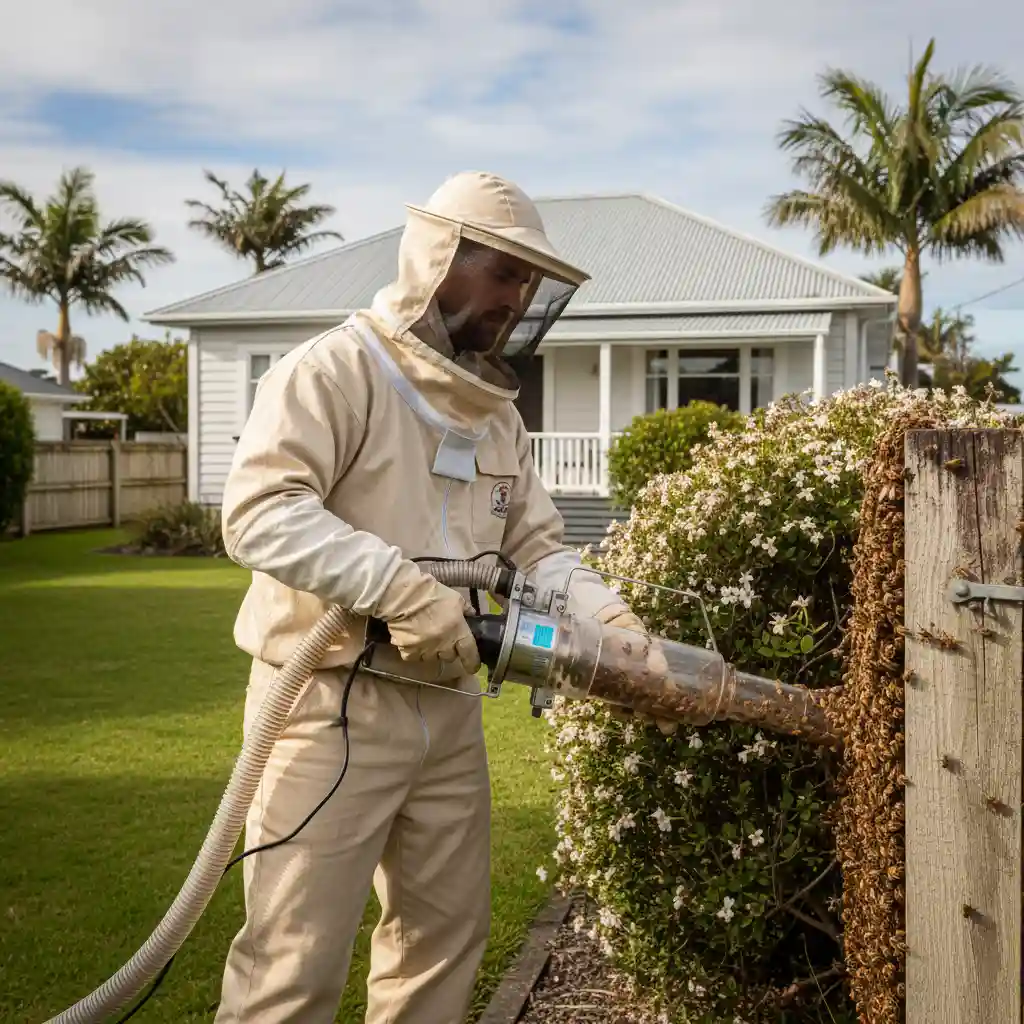
- Live Vacuuming/Swarm Collection: For accessible swarms or exposed hives, a specialized low-suction vacuum is used to gently collect bees without harming them. These bees are then transferred to a secure container and later introduced to a new hive box. This method is common for recently settled swarms.
- Cut-Out Removals: For established hives within structures (walls, roofs), a ‘cut-out’ is often required. This involves carefully opening up the structure to gain access to the comb, which is then meticulously removed along with the bees. The comb, containing brood, pollen, and honey, is typically transferred into frames for a new beehive. This is a delicate and time-consuming process that requires carpentry skills and a deep understanding of bee biology to ensure the queen and as much of the colony as possible are relocated.
- Trap-Outs: In situations where structural demolition is not feasible or desired, a trap-out method can be used. This involves placing a one-way exit cone over the hive entrance, allowing bees to leave but not re-enter. A new hive box is placed near the exit. Over several weeks, the foraging bees gradually join the new hive, and eventually, the old hive is abandoned. This method is slower but minimizes property disruption.
All these methods prioritize the well-being of the bees, aiming for their successful relocation to a suitable new home, often with local beekeepers who can provide them a safe haven. For more information on bee conservation efforts in New Zealand, you can visit organisations like Apiculture New Zealand, which supports the health and sustainability of bees. Apiculture New Zealand provides valuable resources for beekeepers and the public on bee welfare.
Protecting Bees and Property
Effective bee hive removal in Auckland isn’t just about getting rid of bees; it’s also about preventing future infestations and mitigating any damage caused by the current colony. Proactive measures and proper post-removal care are essential for both property integrity and bee health.
Preventative Measures Against Bee Infestations
The best defense against bee hives in undesirable locations is prevention. By making your property less attractive or accessible, you can significantly reduce the chances of a colony taking residence:
- Seal Entry Points: Inspect your home and outbuildings for cracks, gaps, or holes in walls, eaves, foundations, and around utility lines. Seal these openings with caulk, mesh, or expanding foam. Pay particular attention to soffits, fascia boards, and vents.
- Maintain Your Property: Regularly repair damaged siding, roofing, and windows. Ensure screens on windows and vents are intact.
- Trim Vegetation: Keep trees and shrubs trimmed away from your house, especially branches that provide direct access to your roof or attic.
- Remove Attractants: Promptly clean up spills of sweet liquids, exposed food, or fruit fallen from trees. While bees are primarily attracted to sheltered nesting sites, reducing general food sources for other insects can contribute to a less appealing environment overall.
- Block Off Cavities: If you have open pipes, unused chimneys, or other potential nesting sites, consider screening them off or capping them.
Addressing Property Damage Caused by Hives
Established bee hives, particularly those inside wall cavities or attics, can cause significant damage to your property over time. This damage is primarily due to:
- Honey & Wax: Honeycomb can melt in hot weather, leading to sticky, dark stains on interior or exterior walls. The honey can also ferment, creating an unpleasant odor.
- Structural Damage: The weight of a large hive, filled with honey and beeswax, can strain and damage structural components like drywall, ceiling joists, and studs.
- Moisture & Mold: Leaking honey and bee waste can introduce moisture into wall cavities, leading to mold growth and further degradation of materials.
- Attraction of Other Pests: The residual honey and comb left behind after an incomplete removal can attract other pests, such as ants, rodents, and cockroaches, creating a secondary infestation problem.
Professional bee removers not only relocate the bees but also advise on or assist with the complete removal of all comb and honey. After the bees and comb are gone, it’s crucial to thoroughly clean the area and make necessary repairs to prevent recurrence and further damage. This might involve replacing damaged drywall, insulation, or timber.
Post-Removal Care for Bees
For the relocated bees, proper post-removal care is vital for their survival and integration into a new colony. Reputable Auckland bee removal services work closely with local beekeepers who provide suitable apiaries and ongoing care. This typically involves:
- Safe Transport: Moving the collected bees and comb in secure, well-ventilated containers to minimize stress.
- Integration: Introducing the relocated colony to an existing or new hive structure, ensuring they have access to food and water.
- Monitoring: Beekeepers monitor the colony’s health, queen status, and food reserves to ensure they establish successfully in their new home.
By engaging with services that prioritize these steps, you contribute to the sustainability of Auckland’s bee populations, ensuring these crucial pollinators continue their work in a safe, managed environment.
When to Call Professional Bee Removers
While the sight of a few bees foraging in your garden is normal and beneficial, discovering a large swarm or an active hive on your property necessitates prompt and professional attention. Knowing when to call experts for bee hive removal in Auckland is crucial for safety, effectiveness, and humane outcomes.
Safety Concerns and Risks
The primary reason to engage professionals is safety. Bees, particularly when defending an established hive, can be aggressive. Multiple stings, especially for individuals with bee venom allergies, can lead to severe anaphylactic shock, a life-threatening medical emergency. Even for those without known allergies, numerous stings can cause significant pain, swelling, and localized reactions. Attempting to disturb or remove a hive without proper protective gear and experience puts you and others at unnecessary risk. Furthermore, bees may react to certain chemicals or DIY methods in unpredictable ways, potentially increasing their aggression.
Beyond direct stings, the act of accessing a hive in a difficult location (e.g., high on a roof, deep within a wall) can pose risks of falls, structural damage, or exposure to hazardous materials. Professional bee removers are trained to assess these risks and execute the removal safely and efficiently.
Identifying Reputable Auckland Bee Removal Services
When selecting a bee hive removal service in Auckland, consider the following to ensure you choose a reputable and responsible provider:
- Humane Practices: Prioritize services that explicitly state their commitment to humane bee relocation rather than extermination. Ask about their methods and where the bees are taken.
- Experience & Expertise: Look for companies with a proven track record in bee removal. Experienced technicians will understand different bee species, their behaviors, and the most effective removal techniques.
- Licensing & Insurance: Ensure the service is properly licensed and insured. This protects you from liability in case of accidents or property damage during the removal process.
- Local Knowledge: A local Auckland service will be familiar with common bee species in the region, typical nesting sites, and relevant local regulations or environmental considerations.
- Transparent Pricing: Obtain a clear quote that outlines all costs involved, including inspection, removal, and any potential repair recommendations.
- References & Reviews: Check online reviews or ask for references to gauge customer satisfaction and service quality.
Consulting with services that adhere to industry best practices, such as those recommended by official pest control associations, can provide peace of mind. For general information on responsible pest management, you might refer to government environmental protection sites that discuss invasive species and biodiversity. While not specific to bee removal, these resources highlight the importance of ecological considerations in pest control decisions.
The Removal Process: What to Expect
Once you contact a professional bee removal service in Auckland, you can generally expect a structured process:
- Initial Consultation & Assessment: The service will gather information about your situation over the phone. They may then schedule an on-site inspection to accurately locate the hive, identify the bee species, and assess the scope of the removal.
- Quotation: Based on the assessment, you will receive a detailed quote for the removal process, including any necessary structural access or repair work.
- Preparation: The technicians will arrive with specialized equipment, protective suits, and tools. They will ensure the area is safe for work and take measures to contain the bees.
- Safe & Humane Removal: Using appropriate techniques (live vacuuming, cut-out, trap-out), the bees, queen, comb, and honey will be carefully extracted. The emphasis is on preserving the colony as much as possible.
- Site Clean-up: All remnants of the hive, including wax and honey, are thoroughly removed to prevent re-infestation by other bees or attraction of other pests.
- Property Repair (if needed): If structural access was required, the service may offer repair work or advise on necessary repairs to seal the entry point permanently.
- Post-Removal Advice: You will receive guidance on preventative measures to deter future bee infestations and information about the relocation of the colony.
Choosing a professional ensures a safe, efficient, and humane solution to your bee problem, protecting both your property and Auckland’s vital bee populations.
Addressing a bee hive on your Auckland property requires a thoughtful and informed approach. While the presence of bees can be concerning, especially when in close proximity to human activity, the critical role they play in our ecosystem demands a humane and professional response. Identifying whether you have a swarm or an established hive, understanding the risks of DIY attempts, and recognizing the benefits of expert intervention are key steps toward a successful resolution.
By opting for professional bee hive removal services, you not only ensure the safety of your household and property but also contribute to the conservation of these invaluable pollinators. Reputable Auckland bee removal specialists possess the knowledge, equipment, and ethical commitment to relocate bee colonies safely, allowing them to continue their essential work elsewhere. Remember, responsible action today safeguards our environment for tomorrow, making expert bee hive removal in Auckland a critical service for both human and ecological well-being.