Rodent control in Auckland houses involves a strategic approach to eliminate existing infestations of mice and rats and implement robust preventative measures. This comprehensive guide details identification, safe trapping, exclusion techniques, and ongoing monitoring to ensure your home remains free from these pervasive pests, protecting your property and health effectively.
How to Spot Rodent Activity
Recognising the early signs of a rodent infestation is crucial for effective and timely intervention. Auckland houses, with their varied age and construction, offer numerous attractive entry points and harborage sites for both mice and rats. Being vigilant about these indicators can save homeowners significant hassle and expense down the line, preventing a small problem from escalating into a full-blown infestation.
Droppings & Urine Smells
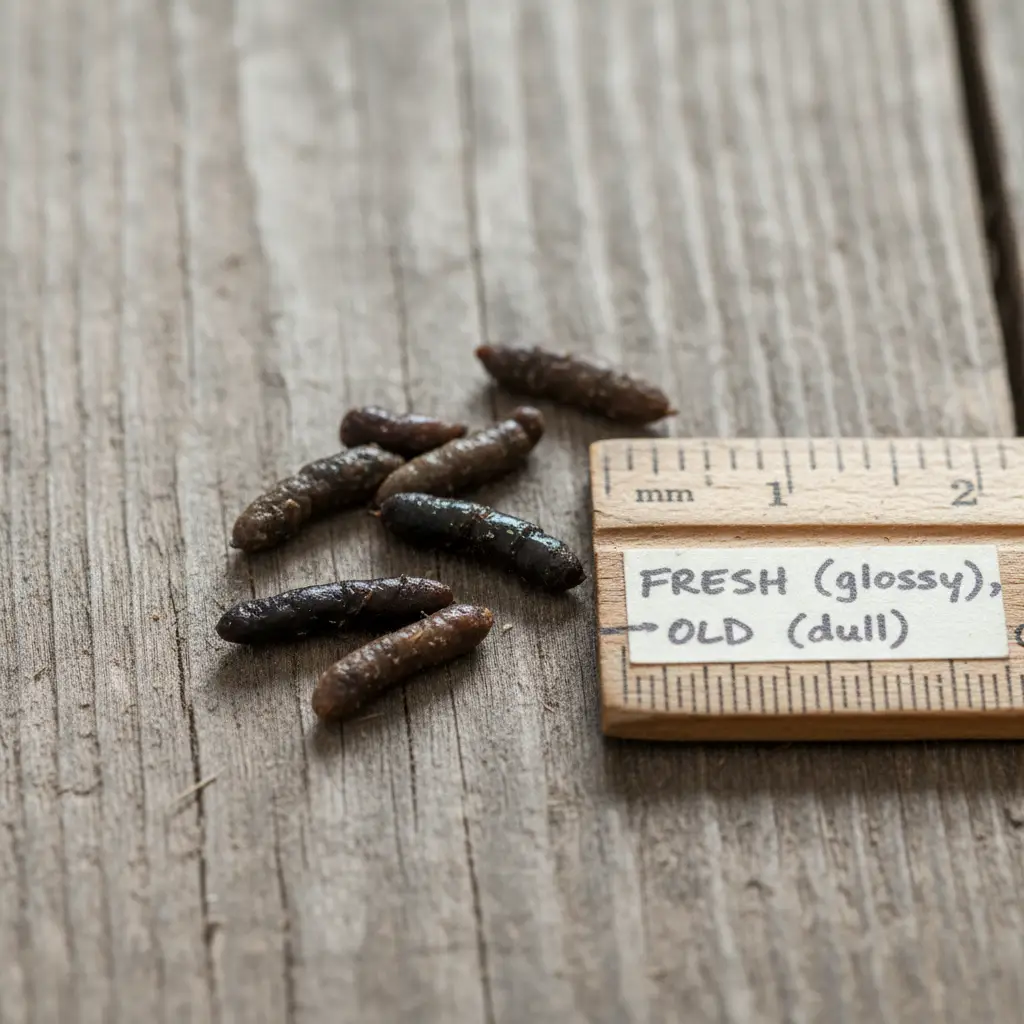
One of the most unmistakable signs of rodent presence is their droppings. Mouse droppings are small, dark, and pellet-shaped, resembling rice grains, typically 3-6mm long. Rat droppings are larger, about 10-20mm, spindle-shaped for brown rats or sausage-shaped for roof rats. The freshness of droppings can indicate the activity level, with fresh droppings being soft and dark. Additionally, a distinct, musky ammonia-like odour, particularly noticeable in enclosed spaces like cupboards or pantries, often points to a significant rodent population and accumulated urine.
Gnaw Marks
Rodents continuously gnaw on objects to keep their incisors sharp and to wear them down, as their teeth grow continuously. Look for small, parallel grooves on food packaging, electrical wires, wooden structures, pipes, and furniture. These gnaw marks can be fresh (light in colour, sharp edges) or old (darker, smoother edges). Damaged wiring poses a significant fire hazard, making prompt identification and control essential. Auckland homes, often with older wiring, are particularly vulnerable.
Scratching Noises
Mice and rats are primarily nocturnal. If you hear scratching, scurrying, or gnawing sounds coming from walls, ceilings, attics, or under floors, especially at night, it’s a strong indication of rodent activity. These noises are often more pronounced when rodents are active, searching for food, or moving between nesting sites. The location and intensity of these sounds can help pinpoint their pathways and nesting areas within your Auckland house.
Runways & Grease Marks
Rodents tend to follow established routes between their nests and food sources. These ‘runways’ often appear as subtle pathways through dusty areas, along baseboards, or behind appliances. Over time, the dirt and oils from their fur can leave greasy rub marks or smudges along these frequented paths, especially on walls, pipes, and beams. These marks are typically dark and greasy and confirm active, regular rodent movement.
Nests & Burrows
Rodents build nests from shredded materials such as paper, fabric, insulation, and plant matter. You might discover these nests in hidden, undisturbed areas like attics, wall cavities, basements, cluttered garages, or under appliances. Outside, rats may dig burrows along foundations, under sheds, or in compost piles. Finding a nest or burrow signifies an established presence and potential breeding activity, requiring immediate attention.
Pet Behavior
Changes in your pets’ behaviour can also be an early warning. Dogs and cats may become unusually agitated, scratching or sniffing intently at certain areas of the house, particularly walls, cupboards, or under furniture. They might also stand guard or bark incessantly at empty spaces where they detect rodent activity. Their heightened senses often pick up on rodent presence before humans do.
Safe & Humane Rodent Trapping
Once rodent activity is confirmed, the next crucial step is to implement effective trapping strategies. While complete eradication is the goal, utilising safe and, where possible, humane methods is paramount, especially in homes with children or pets. Understanding the different approaches and best practices ensures efficient removal while minimising risks.
Inspection & Identification
Before setting any traps, a thorough inspection is necessary to confirm the type of rodent (mouse or rat) and to identify their main travel routes, nesting sites, and food sources. This initial assessment helps in selecting the most appropriate traps and bait. For instance, mice are curious but cautious, while rats are more wary of new objects. A professional pest controller will conduct a detailed survey, leveraging their expertise to pinpoint critical activity zones within your Auckland property.
Baiting Strategies
Effective baiting is key to successful trapping. For mice, common baits include peanut butter, chocolate, soft cheese, or even nesting materials like cotton balls. Rats, being omnivores, respond well to similar items, but also to meats, fish, or even dry pet food. It’s crucial to use small amounts of bait initially to avoid making them suspicious and to ensure they consume the entire bait with the trap mechanism. Varying baits can also improve success rates.
Trap Placement
Traps should be placed strategically along runways, near gnaw marks, droppings, and potential entry points. Rodents often travel along walls, so placing traps perpendicular to walls (with the trigger plate facing the wall) is highly effective. In areas of high activity, multiple traps should be deployed. For rats, it can be beneficial to leave unset traps with bait for a few days to allow them to become accustomed to the traps before setting them.
Types of Traps
There are several types of traps available, each with its own advantages:
- Snap Traps: Traditional, inexpensive, and effective. They deliver a quick, lethal blow. Best for both mice and rats, ensuring they are placed out of reach of children and pets.
- Live-Catch Traps: Designed to trap rodents without harming them, allowing for release elsewhere (though this is often not recommended as they may return or become another property’s problem). These require frequent checking.
- Electronic Traps: Use a high-voltage shock to kill rodents quickly and humanely. Often reusable and safer for indoor use than snap traps if properly managed.
- Glue Traps: While effective, these are generally considered less humane as rodents often suffer prolonged distress. Their use is restricted or discouraged in many areas and should be avoided where possible, especially if humane removal is a priority.
Professional Rodent Removal
For significant infestations or if DIY methods prove insufficient, enlisting professional rodent control services in Auckland is highly recommended. Experts possess the knowledge, tools, and experience to identify rodent species, locate all harborage points, and implement a tailored eradication plan. They can safely use professional-grade baits and traps, ensuring a thorough and lasting solution while adhering to local regulations for pest management, often following guidelines provided by organisations like the Environmental Protection Agency (EPA) for rodenticide safety.
Sealing Entry Points for Rodents
Eradicating existing rodents is only half the battle; preventing their return is equally vital. Rodent exclusion – the process of sealing all potential entry points – is a critical long-term strategy for protecting your Auckland home. Without effective exclusion, new rodents will simply replace the ones you’ve removed, leading to recurring infestations.
Common Entry Points
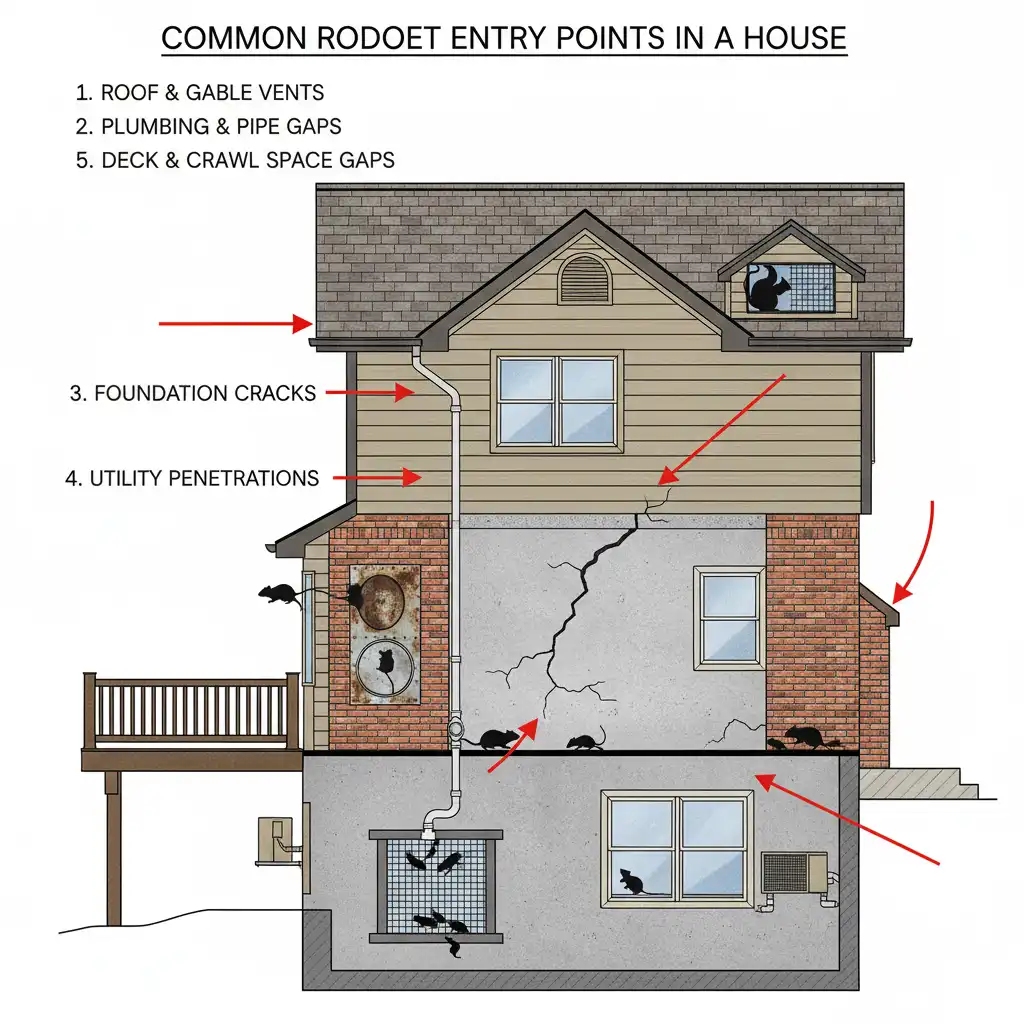
Rodents are incredibly adept at squeezing through tiny spaces. Mice can enter through gaps as small as 6mm (the size of a pen cap), while rats need only about 12mm (the size of a 20-cent coin). Common entry points include:
- Cracks and gaps in foundations or exterior walls.
- Openings around utility pipes (water, gas), electrical conduits, and cable lines where they enter the house.
- Damaged or unscreened vents (e.g., dryer vents, attic vents, crawl space vents).
- Gaps under doors, especially garage doors, and around windows.
- Loose-fitting or damaged screens on windows and doors.
- Roofline vulnerabilities: gaps where the roof meets the fascia, damaged soffits, uncapped chimneys, or trees/shrubs providing access to the roof.
- Attic and crawl space openings, often overlooked.
Materials for Sealing
Choosing the right materials is crucial for effective rodent exclusion, as rodents can gnaw through many common building materials. Steel wool, copper mesh, and cement are excellent choices for filling small holes and cracks. For larger gaps, hardware cloth (heavy-duty wire mesh) can be fastened over openings. Expanding foam can be used, but only if it’s rodent-proof or combined with steel wool, as rodents can chew through regular foam. Ensure all materials are durable and weather-resistant to provide long-lasting protection.
DIY vs. Professional Exclusion
Many homeowners can tackle smaller, easily accessible entry points themselves. A thorough walk-around of your property, both inside and out, can reveal obvious vulnerabilities. However, professional pest control companies offer specialised exclusion services. They have the expertise to identify less obvious entry points, such as those in crawl spaces, attics, or high up on the roofline, and use industrial-grade, rodent-proof materials and techniques. For comprehensive protection, especially in older Auckland houses, professional exclusion often provides the most effective and durable solution.
Regular Home Maintenance
Exclusion is not a one-time task; it requires ongoing vigilance. Regular home maintenance plays a significant role in preventing rodent re-entry. This includes:
- Periodically inspecting your home’s exterior for new cracks or damage.
- Trimming tree branches and shrubs away from the house to prevent roof access.
- Ensuring proper drainage to avoid standing water that attracts pests.
- Keeping clutter to a minimum, both inside and outside, which can provide harborage.
- Properly storing food in airtight containers and disposing of waste securely.
Ongoing Rodent Monitoring Services
Even after successful eradication and exclusion, an ongoing monitoring programme is essential to ensure long-term rodent freedom for your Auckland home. Rodents are persistent, and new populations can migrate into previously secured areas or find new weaknesses. A proactive approach helps catch any re-infestation early, preventing it from taking hold.
The Importance of Regular Checks
Regular inspections, whether conducted by yourself or a professional, are the backbone of effective long-term rodent control. These checks should focus on areas previously identified as high-risk, such as basements, attics, crawl spaces, utility entry points, and food storage areas. Look for any new droppings, gnaw marks, or suspicious sounds. For businesses or high-risk residential properties, scheduled professional checks can be invaluable.
Signs of Re-infestation
Being able to quickly identify signs of re-infestation is crucial. These are largely the same as the initial signs of activity but often appear subtle at first. Be alert for new droppings, fresh gnaw marks on food packaging or structures, faint scratching noises that weren’t there before, or disturbed dust patterns along walls. Any such indication warrants immediate investigation and action to prevent a new population from establishing itself.
Integrated Pest Management (IPM)
Integrated Pest Management (IPM) is a holistic approach that combines multiple strategies for long-term pest control. For rodents, IPM involves: detailed inspection, identification, sanitation, exclusion, habitat modification, and targeted trapping/baiting when necessary. The emphasis is on prevention and using the least toxic methods first, only resorting to stronger treatments if essential. Many professional pest control services in Auckland adopt IPM principles to provide sustainable and environmentally responsible rodent management solutions. For more information on effective pest management strategies, homeowners can refer to public health resources such as those provided by the New Zealand Ministry of Health, which offer guidance on managing pests for a healthier home environment.
Long-Term Prevention Strategies
Beyond exclusion and monitoring, several habits contribute to long-term rodent prevention:
- Sanitation: Keep your home meticulously clean. Wipe up crumbs, clean spills immediately, and ensure all food is stored in airtight containers.
- Waste Management: Use secure, lidded rubbish bins, both inside and outside. Take out trash regularly and clean bins to remove food residues.
- Clutter Reduction: Eliminate clutter in attics, basements, garages, and sheds. These areas provide ideal harborage for rodents.
- Landscaping: Maintain your yard. Keep grass short, remove fallen fruit, and prune back vegetation away from your home’s foundation and roofline.
- Pet Food Storage: Store pet food in rodent-proof containers and avoid leaving pet food bowls out overnight.

People Also Ask
How do I know if I have rats or mice in my Auckland house?
Look for droppings: mouse droppings are small (rice grain size), rat droppings are larger (spindle or sausage shaped). Listen for noises: mice make light scurrying sounds, rats produce heavier thuds. Also check for gnaw marks; rat marks are larger and more distinct.
What are the most effective ways to get rid of rats in Auckland?
Effective rat control in Auckland involves a combination of methods. Use sturdy snap traps or electronic traps baited with peanut butter or meat, placed along runways. Simultaneously, identify and seal all entry points with rodent-proof materials like steel wool or hardware cloth. For severe infestations, professional pest control is highly recommended.
Is professional rodent control necessary, or can I do it myself?
For minor, isolated rodent issues, DIY methods can be effective. However, for significant infestations, recurring problems, or if you prefer a humane and thorough approach, professional rodent control in Auckland is often necessary. Experts can accurately identify species, locate all entry points, and implement comprehensive, long-term solutions safely.
How can I prevent rodents from entering my home in Auckland?
Prevent rodents by sealing all cracks and openings larger than 6mm in your home’s foundation, walls, and around pipes. Trim trees and shrubs away from the house, keep your yard clean, store food in airtight containers, and manage waste securely in lidded bins. Regular maintenance checks are key.
Are rodenticides safe to use around pets and children in Auckland?
Rodenticides can be highly toxic to pets and children if ingested. If used, they must be placed in tamper-resistant bait stations that are inaccessible to non-target animals and young children. For safety, many experts recommend snap or electronic traps, or professional pest control services, especially in homes with vulnerable occupants.
How often should I get my Auckland house checked for rodents?
For preventative measures, an annual or bi-annual professional inspection is advisable, especially if you live in an area prone to rodent activity or have had past infestations. If you notice any fresh signs of rodents between checks, immediate investigation and action are recommended.