Mosquito diseases in Auckland, while not endemic for major tropical illnesses like Dengue or Zika, pose a significant concern due to imported cases and the potential for local transmission. Understanding the types of mosquitoes present, the diseases they can carry, and robust prevention strategies is crucial for protecting public health in the region.
Understanding Mosquito-Borne Diseases in Auckland: Risks and Realities
Auckland, with its temperate climate and increasing international travel, faces unique challenges regarding mosquito-borne diseases. While New Zealand has historically been free from many tropical diseases, the risk of introduction and potential establishment of exotic mosquito species and associated pathogens is a growing concern. Local health authorities and residents must remain vigilant.
Mosquito Species of Concern in Auckland
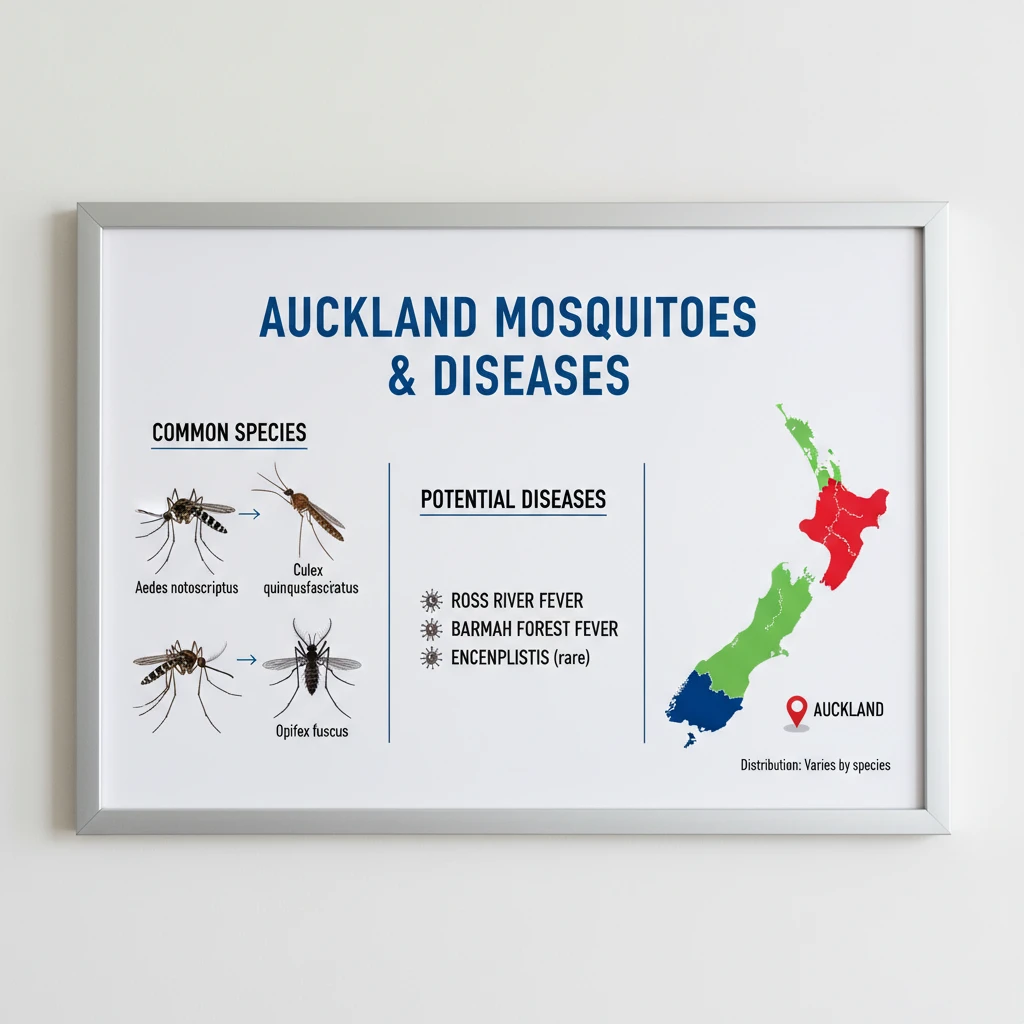
Several mosquito species inhabit Auckland, each with varying capacities for disease transmission. The most common nuisance mosquitoes are from the *Culex* genus, which can transmit diseases like Ross River virus and Barmah Forest virus, though these are not endemic to Auckland and typically associated with parts of Australia. The *Aedes notoscriptus* (New Zealand Small Striped Mosquito) is also present and can bite aggressively. The greatest concern for the future lies with invasive species like *Aedes aegypti* (Dengue mosquito) and *Aedes albopictus* (Asian tiger mosquito). While not currently established in Auckland, these highly efficient vectors are intercepted at New Zealand’s borders, highlighting a continuous biosecurity threat. Their establishment could fundamentally change the disease landscape, making diligent monitoring and eradication efforts paramount.
Primary Disease Concerns (Local & Imported)
Currently, major mosquito-borne diseases like Dengue, Zika, and Chikungunya are not endemic to Auckland. However, cases are frequently imported by travelers returning from affected regions. While local transmission is rare without the presence of the specific *Aedes* vectors, the risk exists if an infected traveler is bitten by an established *Aedes* mosquito, allowing the disease to enter the local mosquito population. Ross River virus and Barmah Forest virus, though primarily Australian, are occasionally detected in New Zealand through travelers, and theoretically, local *Culex* mosquitoes could facilitate their spread under specific conditions. Additionally, mosquitoes are responsible for nuisance bites that can lead to itchy welts, allergic reactions, and secondary bacterial infections from scratching, impacting quality of life for many Aucklanders.
The Role of Climate Change and International Travel
Climate change poses a significant threat by creating more favourable conditions for mosquito breeding and survival in previously unsuitable areas. Warmer temperatures can accelerate the mosquito life cycle, increase the frequency of blood meals, and shorten the extrinsic incubation period of viruses within the mosquito, leading to more rapid transmission. Simultaneously, Auckland’s status as a major international travel hub means a constant influx of visitors from regions where mosquito-borne diseases are endemic. This combination significantly elevates the risk of exotic mosquito species arriving and establishing, as well as the introduction of pathogens, making continuous surveillance and public health education critical. For more detailed information on global disease patterns and climate impact, the World Health Organization (WHO) provides extensive resources.
Proactive Strategies for Reducing Mosquito Breeding Sites
The most effective way to prevent mosquito-borne diseases is to control mosquito populations, primarily by eliminating their breeding grounds. Mosquitoes lay their eggs in stagnant water, and even small amounts can provide suitable habitats. Implementing proactive strategies across your property and community can drastically reduce mosquito numbers in Auckland.
Eliminating Standing Water Sources
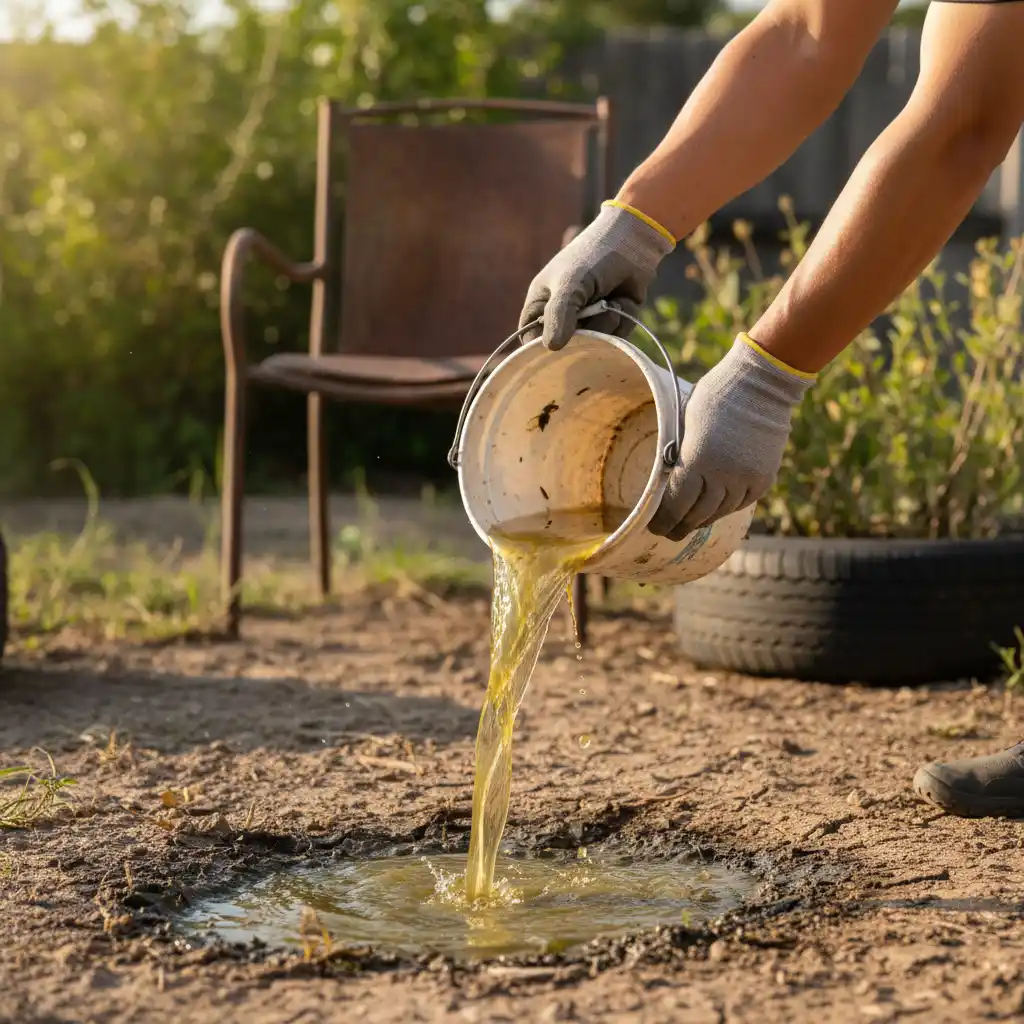
The vast majority of mosquito breeding occurs in artificial containers around homes and businesses. Regularly check and empty any object that can hold water: old tires, unused plant pots, bird baths, pet water bowls, tarpaulins, buckets, and even children’s toys. Clean clogged gutters and downspouts frequently, as they can accumulate water and debris. Ensure rainwater tanks are properly sealed with mosquito-proof screens over inlets and overflow pipes. If you have decorative ponds or water features, consider introducing mosquito-eating fish like goldfish or maintain proper circulation to prevent stagnation. Even bottle caps can hold enough water for mosquito larvae, underscoring the need for thoroughness in your property checks.
Maintaining Your Property
Beyond simply emptying containers, general property maintenance plays a crucial role. Keep lawns mowed short and vegetation trimmed, as mosquitoes often rest in dense shrubbery during the day. Regularly clear leaf litter and debris from your yard, which can trap water. Repair leaky outdoor faucets and irrigation systems that create puddles. For swimming pools, ensure they are properly chlorinated and circulated. If a pool is left unused, it must be completely drained or securely covered to prevent it from becoming a breeding ground. For properties with septic tanks, ensure they are well-maintained and sealed to prevent mosquito access.
Community-Level Efforts
While individual actions are vital, a community-wide approach amplifies effectiveness. Local councils often conduct mosquito surveillance and control programs, especially in high-risk areas. Residents should report any significant mosquito issues or suspected invasive species sightings to Auckland Council or the local health authority. Participating in community clean-up days, educating neighbours about mosquito prevention, and collectively maintaining public spaces like parks and reserves free of standing water can significantly reduce overall mosquito populations. Coordinated efforts ensure that breeding sites aren’t simply shifted from one property to another.
Larvicide Use (When Appropriate)
In cases where standing water cannot be eliminated, such as ornamental ponds or certain drainage systems, larvicides can be a targeted solution. These products, often containing bacteria like *Bacillus thuringiensis israelensis* (BTI), specifically target mosquito larvae without harming other wildlife, pets, or humans. Larvicides are available in various forms, including granules, dunks, or liquid concentrates. However, their use should be considered a secondary measure to source reduction. For large-scale or persistent problems, or in public health contexts, professional pest control services or council-led initiatives may apply more advanced larviciding techniques or adulticides, always adhering to environmental safety guidelines. Always read and follow product instructions carefully.
Essential Personal Protection from Mosquito Bites
Even with rigorous efforts to control mosquito populations, some will always remain. Therefore, personal protection strategies are critical to minimize the risk of mosquito bites and potential disease transmission, especially when traveling to or within areas with higher mosquito activity. Combining several methods offers the best defense.
Effective Insect Repellents
Using insect repellent is one of the most reliable ways to deter mosquitoes. Repellents containing DEET (N,N-diethyl-meta-toluamide), Picaridin (known as KBR 3023 or Icaridin), or Oil of Lemon Eucalyptus (OLE) are recommended by health authorities for their effectiveness. Always follow the product label instructions for application, especially regarding concentration levels and frequency, and note age restrictions for children. Apply repellent to exposed skin and clothing. Avoid applying it under clothing. When using sunscreen, apply it first, then the repellent. Ensure even coverage without over-applying, as excessive amounts do not increase effectiveness.
Protective Clothing and Barriers
When spending time outdoors, particularly during peak mosquito activity hours, wearing protective clothing can significantly reduce bite exposure. Long-sleesleeved shirts and long pants, preferably light-coloured, create a physical barrier between your skin and mosquitoes. Consider treating clothing with permethrin, an insecticide that repels and kills mosquitoes, but do not apply permethrin directly to skin. For homes, ensure windows and doors have well-maintained screens to prevent mosquitoes from entering. If sleeping outdoors or in unscreened areas, using a mosquito net, ideally treated with insecticide, can provide crucial protection, especially for vulnerable individuals.

Timing Outdoor Activities
Mosquitoes are most active during specific times of the day, typically at dawn and dusk. If possible, adjust your outdoor activities to avoid these peak biting hours. Planning outdoor gatherings or gardening tasks for midday, when mosquito activity is generally lower, can help reduce your exposure. While some mosquito species, like certain *Aedes* species, can bite aggressively during the day, avoiding dawn and dusk significantly lowers overall risk, particularly for *Culex* mosquitoes. Being mindful of these peak times, especially in areas with known mosquito populations, is a simple yet effective preventative measure.
Protecting Infants and Children
Infants and young children are particularly vulnerable to mosquito bites. For babies under two months old, insect repellents are generally not recommended. Instead, use physical barriers like mosquito nets over prams, strollers, and cribs. For older children, choose repellents with lower concentrations of active ingredients like DEET or Picaridin, and always follow manufacturer guidelines for age appropriateness. Never apply repellent to a child’s hands, eyes, mouth, or to cuts or irritated skin. Adults should apply repellent to their own hands first and then rub it onto the child. Ensuring children wear appropriate protective clothing when outdoors is also crucial.
Protecting Auckland from mosquito-borne diseases is a shared responsibility that requires vigilance from individuals, communities, and public health authorities. By understanding the risks, diligently eliminating breeding sites, and consistently implementing personal protection measures, we can significantly mitigate the threat. Stay informed, stay proactive, and contribute to a healthier, safer Auckland. For official health advice, residents can refer to the New Zealand Ministry of Health website.
People Also Ask (FAQs)
What are the main mosquito-borne diseases of concern in Auckland?
While major tropical diseases like Dengue, Zika, and Chikungunya are not endemic, Auckland faces risks from imported cases and potential future establishment of their mosquito vectors. Local concerns include nuisance bites, and historically, potential for viruses like Ross River, though not endemic to NZ.
Are there any invasive mosquito species in Auckland?
While invasive *Aedes* species (like *Aedes aegypti* and *Aedes albopictus*) are not currently established in Auckland, they are frequently intercepted at New Zealand’s borders. Strict biosecurity measures are in place to prevent their establishment.
What is the most effective way to prevent mosquito bites?
The most effective strategy involves a combination of eliminating mosquito breeding sites (standing water), using approved insect repellents (DEET, Picaridin, OLE), wearing protective clothing, and avoiding outdoor activities during peak mosquito hours (dawn and dusk).
How does climate change affect mosquito disease risk in Auckland?
Climate change can lead to warmer temperatures and altered rainfall patterns, creating more favourable conditions for mosquito breeding, survival, and accelerated virus development within mosquitoes, thereby increasing the risk of disease transmission.
Can mosquitoes in Auckland transmit Dengue or Zika?
Currently, the specific *Aedes* mosquito species (like *Aedes aegypti* and *Aedes albopictus*) capable of transmitting Dengue and Zika are not established in Auckland. Therefore, local transmission is not occurring, though imported cases are reported.
What should I do if I find a large number of mosquitoes or unusual mosquito species?
If you notice a significant increase in mosquito activity, or suspect you’ve encountered an unusual or exotic mosquito species, you should contact Auckland Council or your local public health unit immediately for identification and advice.