Protecting native wildlife from pest control efforts in New Zealand involves adopting targeted strategies and humane methods to eradicate invasive pests while safeguarding the country’s unique endemic species. This crucial balance ensures the preservation of New Zealand’s biodiversity, particularly in ecologically sensitive areas like Auckland, contributing to long-term ecological health.
The Importance of New Zealand’s Native Wildlife
New Zealand is renowned globally for its extraordinary and often unique native wildlife, a result of millions of years of isolated evolution. Prior to human settlement, the land was dominated by birds, reptiles, and invertebrates, with no native land mammals except bats. This distinct evolutionary path led to a remarkable degree of endemism, meaning many species are found nowhere else on Earth. Iconic examples include the flightless kiwi, the ancient tuatara, and a myriad of unique insects and plants, all forming a delicate ecological web.
A Unique Ecosystem Under Threat
The absence of mammalian predators for millennia meant New Zealand’s native species evolved without defenses against them. The arrival of humans brought with it a host of introduced predatory mammals such as rats, stoats, possums, and feral cats. These invasive species have had a devastating impact, leading to the extinction of many native species and severely endangering countless others. Conservation efforts are critically important to reverse these trends and protect the remaining unique biodiversity.
Ecological and Cultural Significance
Beyond their intrinsic value, New Zealand’s native species play vital roles in maintaining healthy ecosystems, from pollination and seed dispersal to nutrient cycling. They are also deeply interwoven with Māori culture, regarded as taonga (treasures) with significant spiritual and ancestral connections. The protection of these species is therefore not just an ecological imperative but also a cultural responsibility, reflecting the nation’s identity and heritage. Understanding this profound importance underpins the need for highly responsible and wildlife-conscious pest control strategies.
For more detailed information on New Zealand’s unique fauna, the Department of Conservation provides extensive resources: Department of Conservation – Native Animals.
Minimizing Non-Target Species Harm in Pest Control
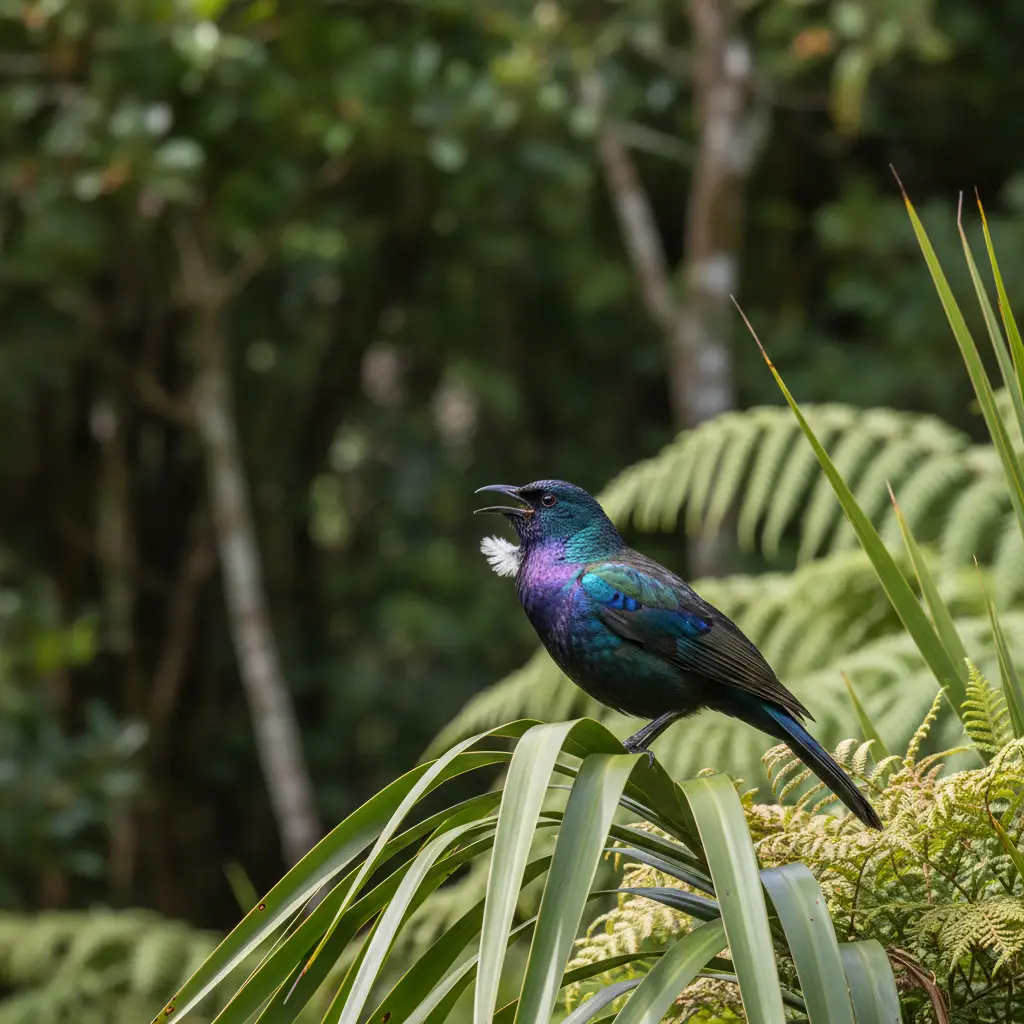
Pest control is a necessary tool in New Zealand’s battle against invasive species, but it carries the inherent risk of harming non-target native wildlife. Responsible pest control efforts must prioritize minimizing this harm, ensuring that strategies are specifically designed to target pests while leaving native species unharmed. This requires careful planning, selection of methods, and ongoing monitoring, particularly in areas rich in biodiversity.
Understanding Non-Target Risks
The risks to native wildlife from pest control methods are varied. Secondary poisoning, where a native animal preys on a poisoned pest, is a significant concern, especially for raptors like the kārearea (New Zealand falcon) or scavenging birds like the kākā. Accidental trapping can occur if traps are not designed or deployed correctly, inadvertently capturing curious native birds or reptiles. Furthermore, some broad-spectrum pesticides can harm insects or other invertebrates that form crucial parts of native food chains, disrupting entire ecosystems. Habitat disruption from overly aggressive pest management can also negatively impact native species by altering their living spaces.
Identifying Invasive Pests in NZ
Effective pest control starts with accurate identification of the target pest. In New Zealand, the most destructive invasive mammals include:
- Rats (Ship rats, Norway rats, Kiore): Devour eggs, chicks, insects, and seeds.
- Stoats, Weasels, Ferrets: Highly effective predators of birds and their eggs.
- Possums: Compete with native birds for food (leaves, fruit, nectar) and also eat eggs and chicks.
- Feral Cats: Prey on a wide range of native birds, lizards, and invertebrates.
Understanding the behaviour, diet, and habitat preferences of these specific pests allows for more targeted and less harmful control measures.
The “Pest-Free 2050” Initiative
New Zealand’s ambitious “Pest-Free 2050” goal aims to eradicate the most damaging introduced predators (rats, stoats, possums) from the entire country by 2050. This national effort underscores the severity of the threat posed by invasive species and the critical need for effective pest control. Achieving this goal relies heavily on innovative, large-scale, and, crucially, wildlife-safe pest management techniques, pushing the boundaries of what is possible in conservation while protecting non-target species. This initiative drives the development and adoption of more sophisticated and humane methods.
Safe and Humane Pest Control Practices Near Wildlife
Implementing pest control in areas where native wildlife is present demands a commitment to safe and humane practices. The goal is not just to eliminate pests but to do so with minimal impact on the environment and its endemic inhabitants. This section explores several key strategies that professional pest controllers and informed property owners can employ to achieve this delicate balance.
Integrated Pest Management (IPM): A Holistic Approach
Integrated Pest Management (IPM) is the cornerstone of wildlife-friendly pest control. IPM is a holistic strategy that emphasizes prevention, monitoring, and the judicious use of a combination of methods, rather than relying solely on chemical treatments. It starts with understanding the pest’s biology and environment, then employing non-chemical solutions first. This might involve improving sanitation, sealing entry points, modifying habitats, or using biological controls. If chemical intervention is necessary, IPM dictates the use of the least toxic and most targeted options, applied strategically to minimize exposure to non-target species and the wider environment.
Targeted Baiting and Trapping
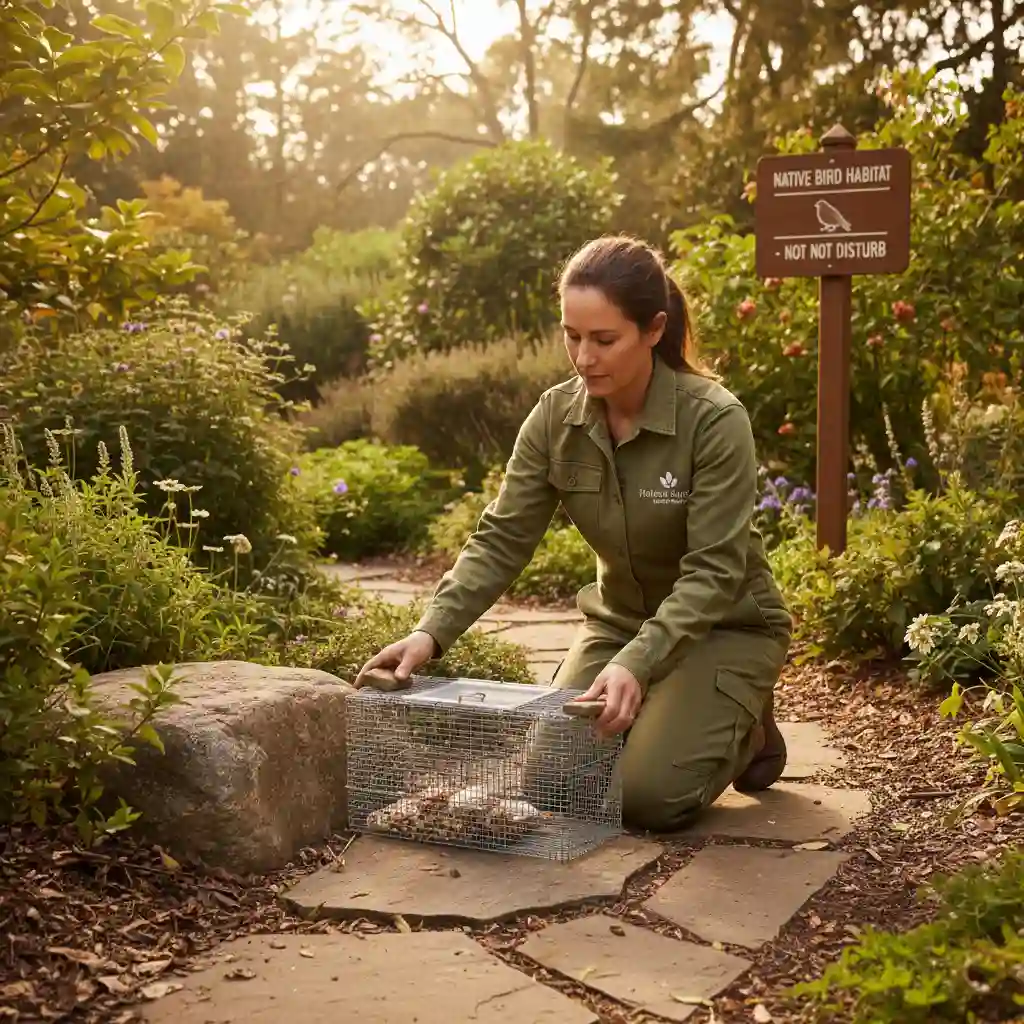
When baits or traps are necessary, their placement and design are paramount for protecting native wildlife. Bait stations should be tamper-proof and designed to be accessible only to the target pest, preventing larger native birds or animals from reaching the bait. Similarly, traps must be selected for their target specificity and humane killing capabilities. For example, tunnel traps for stoats or self-resetting traps for rats can be effective when placed strategically away from native bird nesting sites or known wildlife corridors. The use of specific lures can also attract only the target pest, further reducing the risk to non-target species. Regular monitoring of bait stations and traps is crucial to ensure they are working effectively and to remove any non-target captures quickly and humanely.
Non-Lethal and Exclusion Methods
Prioritizing non-lethal and exclusion methods is often the safest approach for native wildlife. This includes physical barriers like bird netting to protect fruit trees or deter nesting, sealing cracks and crevices in buildings to prevent rodent entry, and installing deterrents such as sonic devices (used with caution to avoid disturbing native species) or visual scares. Habitat modification, like removing overgrown vegetation that provides cover for pests but isn’t essential for native species, can also reduce pest populations without direct harm. These methods are particularly effective for long-term pest management and greatly reduce the risk of secondary poisoning or accidental trapping.
Chemical Alternatives and Safer Rodenticides
While some pest situations require chemical intervention, there’s a growing emphasis on using chemical alternatives and safer rodenticides. For rodent control, second-generation anticoagulant rodenticides (SGARs) pose a high risk of secondary poisoning to native predators. First-generation anticoagulant rodenticides (FGARs) or non-anticoagulant options like cholecalciferol or zinc phosphide, when used responsibly and with strict protocols, can offer lower secondary poisoning risks. However, even these must be used cautiously and precisely. Research into natural repellents, biological controls, and other innovative, eco-friendly pest control solutions continues to offer promising alternatives that minimize environmental impact while effectively managing pest populations.
Collaboration with Conservation Efforts in Auckland
Auckland, New Zealand’s largest city, is not only a vibrant urban centre but also home to significant pockets of native bush, coastal areas, and numerous islands that are crucial sanctuaries for native wildlife. Effective protection of these invaluable ecosystems requires strong collaboration between professional pest control services, local government, community groups, and individual residents. This collaborative approach ensures that pest management aligns with broader conservation goals, particularly within sensitive urban-wildlife interfaces.
Auckland’s Biodiversity Hotspots
Despite its urbanization, Auckland boasts remarkable biodiversity. Regional parks like Tawharanui Open Sanctuary, Shakespear Regional Park, and numerous offshore islands such as Tiritiri Matangi and Rangitoto, are vital havens for threatened native species, including kiwi, takahē, and various seabirds. These areas often have strict biosecurity protocols and active pest eradication programmes. Even within the urban sprawl, local parks, green spaces, and private gardens provide critical habitat and corridors for native birds like tūī, fantails, and kererū. Pest control efforts in these areas must be meticulously planned to safeguard these populations.
Role of Local Councils and Community Groups
Auckland Council plays a pivotal role in promoting sustainable pest management and supporting conservation. They develop strategies, provide resources, and often run initiatives like the “Pest-Free Auckland” programme, which encourages residents to get involved in local pest control. Alongside the council, numerous volunteer community groups are actively engaged in trapping and baiting efforts in their local reserves and neighbourhoods. These groups, often operating with expert guidance, demonstrate the power of collective action in protecting native wildlife, highlighting the need for pest control professionals to be aware of and integrate with these grassroots efforts.
You can learn more about Auckland Council’s environmental initiatives here: Auckland Council – Plants and Animals.
Professional Pest Control’s Ethical Imperative
For professional pest control companies operating in Auckland, there is an ethical imperative to align their practices with local conservation goals. This means staying informed about local ecological sensitivities, using methods approved by environmental authorities, and actively advising clients on wildlife-friendly solutions. Collaborating with conservationists, sharing knowledge, and even participating in community-led pest control projects are ways for the industry to demonstrate leadership and commitment to protecting New Zealand’s unique natural heritage. This not only enhances their reputation but contributes directly to the long-term health of Auckland’s ecosystems.

The Future of Responsible Pest Control and Wildlife Protection
The journey towards a Pest-Free New Zealand, where native wildlife thrives unthreatened by invasive species, is ongoing and dynamic. The future of responsible pest control lies in continuous innovation, adaptation, and an unwavering commitment to ethical and environmentally sound practices. As our understanding of ecosystems deepens and technology advances, so too will our ability to protect native wildlife more effectively.
Innovation in Pest Management
Research and development are key to discovering new, highly targeted, and humane pest control methods. This includes advancements in smart traps that can communicate their status, self-resetting trap networks, and sophisticated lure technology that attracts only specific pests. Genetic pest control, though raising ethical considerations, is also being explored as a potential future solution for eradicating entire pest populations without broad environmental impact. Furthermore, improved monitoring technologies, such as drone surveillance and AI-powered image recognition, can help track pest populations and native species with greater accuracy, enabling more precise interventions.
Public Awareness and Education
Ultimately, the success of protecting New Zealand’s native wildlife from pest control efforts depends on widespread public awareness and education. Property owners, businesses, and community groups must understand the critical role they play in pest management and the importance of choosing responsible, wildlife-friendly solutions. Educating the public about the risks of certain pesticides, the benefits of IPM, and how to identify and protect native species empowers individuals to make informed decisions that contribute to the collective conservation effort. Professional pest control providers have a vital role in leading this educational charge, sharing their expertise and advocating for best practices. By fostering a culture of environmental stewardship, we can ensure that pest control in New Zealand continues to evolve, becoming an ever more precise and protective tool for our precious native wildlife.
People Also Ask
What are the most common invasive pests threatening New Zealand’s native wildlife?
The primary invasive pests severely threatening New Zealand’s native wildlife include stoats, rats (especially ship rats and Norwegian rats), possums, and feral cats. These predators were introduced by early settlers and have devastating impacts on native birds, insects, and reptiles, which evolved without mammalian predators.
How does Auckland Council protect native species from pests?
Auckland Council implements various initiatives to protect native species, including supporting community conservation groups, running pest control programmes in regional parks and reserves, providing resources and advice to residents, and enforcing biosecurity measures, especially for offshore islands.
Are common rodenticides safe to use near native birds in New Zealand?
Many common rodenticides, particularly second-generation anticoagulant rodenticides (SGARs), pose a significant risk of secondary poisoning to native birds, such as owls (ruru) and raptors (kārearea), if they consume poisoned rodents. Safer alternatives and targeted, secure baiting methods are crucial to minimize this risk.
What is Integrated Pest Management (IPM) and how does it help protect wildlife?
Integrated Pest Management (IPM) is a holistic approach that combines multiple strategies, including prevention, monitoring, and various control methods, to manage pests effectively while minimizing risks to people and the environment. It prioritizes non-chemical solutions and the most targeted, least toxic options when chemicals are necessary, thereby reducing harm to non-target native wildlife.
Can homeowners in Auckland contribute to protecting native wildlife from pests?
Absolutely. Homeowners in Auckland can contribute significantly by setting humane traps for rats and possums in their gardens, planting native trees to provide habitat, sealing entry points to their homes to prevent pests, and using pest control methods that are safe for native birds and lizards. Joining local conservation groups also makes a big difference.
What steps should professional pest controllers take to ensure native wildlife safety?
Professional pest controllers should adhere to best practices like conducting thorough site assessments, identifying native species presence, using targeted baiting and trapping, employing secure bait stations, selecting humane and species-specific traps, and considering non-chemical or less-toxic alternatives whenever possible. Continuous training and adherence to environmental regulations are also essential.