The American cockroach (Periplaneta americana) in New Zealand is a large, invasive pest species distinguished by its reddish-brown color and substantial size, often exceeding 40mm in length. Unlike native bush cockroaches, these pests thrive in municipal sewer systems and drains, invading Auckland homes through plumbing gaps where they spread pathogenic bacteria and contaminate food surfaces.
Identifying the American Cockroach in NZ
Correct identification is the first critical step in effective pest management. In New Zealand, homeowners frequently confuse the American cockroach with the native Gisborne cockroach or the smaller German cockroach. However, for residents in Auckland seeking pest control solutions, distinguishing Periplaneta americana is vital because the treatment protocols differ significantly depending on the species.
The American cockroach is the largest of the common pest cockroaches found in New Zealand properties. Adults typically measure between 35mm and 50mm in length. They possess a shiny, reddish-brown to dark-brown exoskeleton. A key identifying feature is the pronotum (the shield-like plate behind the head), which often displays a yellowish margin or pale band, creating a subtle contrast against the darker center.
Unlike the German cockroach, which is strictly an indoor pest often found in kitchens, the American cockroach is peridomestic. This means it lives primarily outdoors or in subterranean environments but invades structures to forage or escape extreme weather. Furthermore, adult American cockroaches have fully developed wings and are capable of gliding or flying short distances, particularly in the humid climate of Auckland summers. If you see a very large cockroach flying across your living room, it is almost certainly an American cockroach.

American vs. Native Species
It is important not to confuse this pest with New Zealand’s native cockroaches, such as the Golden bloat or the common bush cockroach. Native species are generally harmless detritivores that live in gardens and rotting logs. They do not carry the same disease load as the American cockroach, which frequents sewers. American cockroaches are faster, more skittish, and tend to congregate in damp, dark, unsanitary areas, whereas native roaches are often found accidentally wandering inside from the garden and move more sluggishly.
Habitats and Common Entry Points
Understanding where these pests come from is the key to stopping them. The American cockroach is often colloquially referred to as the “sewer roach” for good reason. In urban environments like Auckland, the primary reservoirs for these populations are the municipal sewerage and stormwater systems. They thrive in these warm, humid, and food-rich environments, protected from the elements and most predators.
From these underground reservoirs, they migrate into homes and businesses. The most common entry points are directly linked to plumbing and utility lines:
- Drains and Floor Wastes: If the water trap (P-trap) in a floor drain, basement sink, or unused shower dries out, it creates an open highway for cockroaches to walk from the sewer directly into your bathroom or laundry.
- Plumbing Penetrations: Gaps where pipes enter through walls or concrete slabs are frequent entry points. American cockroaches can flatten their bodies to squeeze through surprisingly small cracks.
- Sub-floor Vents and Cavities: In many Auckland villas and bungalows, the sub-floor area provides a damp, dark environment that mimics their natural habitat. If this area is not well-ventilated, populations can explode and eventually move upward into the living quarters.
- Gaps Around Doors and Windows: While they prefer low-level entry, they can scale rough walls and enter through poorly sealed garage doors or windows lacking fly screens.
Because of their affinity for moisture, you will most often encounter them in bathrooms, laundries, basements, and kitchens. Unlike German cockroaches that hide in pantry crevices, American cockroaches are often found trapped in bathtubs or scurrying across laundry floors at night.
Health Risks and Contamination
The presence of American cockroaches in a home is more than just a nuisance; it is a significant health hazard. Because of their origin in sewers and reliance on decaying organic matter for food, their bodies are vectors for a multitude of harmful pathogens. As they move from drains to countertops, they mechanically transfer bacteria.
Research indicates that cockroaches can carry bacteria such as Salmonella, E. coli, and Staphylococcus. When they traverse food preparation surfaces, dishes, or exposed food, they deposit these bacteria via their legs, antennae, and feces. Consuming contaminated food can lead to gastroenteritis and other digestive infections.
Furthermore, cockroach allergens are a potent trigger for asthma and allergic reactions. The shed skins (exuviae), saliva, and fecal matter contain proteins that can become airborne in dusty environments. For sensitive individuals, particularly children in Auckland’s humid climate, exposure to these allergens can exacerbate respiratory conditions. For more detailed information on the biological hazards of cockroaches, you can refer to the Wikipedia entry on the American Cockroach, which details their role as vectors for disease.
Heavy-Duty Treatment for Severe Infestations
Eliminating an American cockroach infestation is rarely a “spray and pray” operation. Because the source of the population is often external (i.e., the city sewer system or a damp sub-floor), treating only the interior of the house is a temporary fix. A transactional approach to pest control in Auckland requires a multi-faceted strategy combining chemical barriers, baiting, and environmental management.
Residual Chemical Barriers
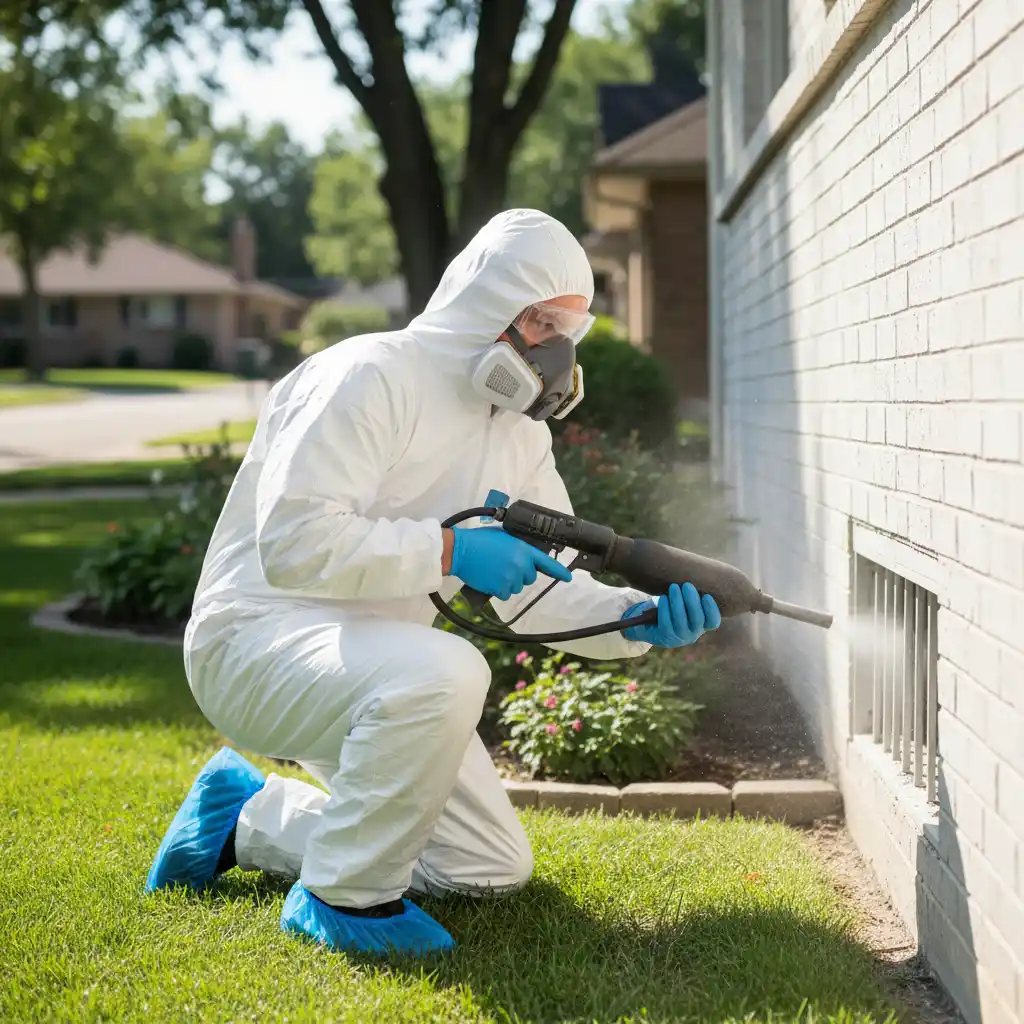
The first line of defense is a strong residual insecticide applied to the exterior perimeter of the home. Professional pest control technicians use micro-encapsulated formulations that remain active for months. This barrier is sprayed along the foundation, around window and door frames, and specifically around sewer vents and gully traps. When foraging roaches cross this treated zone, they pick up a lethal dose of the active ingredient.
Dusting Voids and Sub-floors
Liquid sprays often cannot reach the deep harborage areas where American cockroaches nest. To address this, professionals utilize insecticidal dusts. These dusts are injected into wall cavities, roof voids, and specifically the sub-floor area. The dust adheres to the waxy cuticle of the cockroach, causing desiccation and death. This is particularly effective for Auckland homes with raised foundations where moisture accumulates.
Targeted Gel Baits
For interior control, gel baits are superior to sprays. Baits contain a food attractant mixed with a slow-acting toxicant. Cockroaches consume the bait and return to their harborage sites. Through a process known as the “cascade effect” or secondary poisoning, other cockroaches consume the feces or carcass of the poisoned roach, spreading the toxin through the colony. This is essential for killing the roaches that stay hidden in the drains or wall voids.
Insect Growth Regulators (IGRs)
For long-term suppression, experts often mix an Insect Growth Regulator (IGR) with their treatments. IGRs mimic insect hormones, preventing juvenile cockroaches from molting into reproducing adults. This breaks the lifecycle and ensures that the population cannot rebound after the initial adult kill.
Sanitation and Long-Term Prevention
While professional treatment deals with the immediate infestation, sanitation and exclusion are necessary to prevent re-entry. American cockroaches are scavengers; if you remove their access to food and water, your home becomes far less attractive to them.
Moisture Control: This is the single most important factor. American cockroaches desiccate easily and need daily water. Fix all leaking taps, insulate sweating pipes, and ensure your sub-floor is well-ventilated. In bathrooms, ensure that floor drains are flushed regularly with water to keep the trap seal full.
Sealing Entry Points: Inspect the exterior of your home. Seal cracks in the foundation, install door sweeps on garage doors, and use silicone caulk to seal gaps around plumbing penetrations under sinks. Installing mesh screens over air bricks and vents can also physically block their entry.
Waste Management: Keep rubbish bins tightly sealed and away from the house wall. Do not leave pet food out overnight, as this is a high-protein attractant for American roaches. Regular cleaning behind appliances (stoves, fridges) removes the grease and organic debris that these pests feed on.
For further reading on integrated pest management and safety standards, the US Environmental Protection Agency (EPA) provides excellent general guidelines on safe cockroach control methodologies that are applicable worldwide.
Frequently Asked Questions
Are American cockroaches common in NZ?
Yes, American cockroaches are common in New Zealand, particularly in warmer, urban areas like Auckland. They are an introduced species often found in commercial buildings, sewers, and older residential properties with sub-floor voids.
How do I get rid of big cockroaches in my house NZ?
To eliminate large American cockroaches, you must treat the source. Use a combination of residual perimeter sprays, insecticidal dust in wall voids/sub-floors, and seal all plumbing entry points. Professional pest control is recommended for sewer-based infestations.
Do American cockroaches bite?
American cockroaches can bite, but it is extremely rare. They generally only bite humans if the population is massive and food is scarce. Their primary danger lies in spreading bacteria, not biting.
Why do I have cockroaches in a clean house?
American cockroaches often enter clean homes seeking moisture or shelter, not just food. They may travel up from drains or sewers. A clean house does not guarantee immunity if there are entry points and humidity.
What is the difference between Gisborne and American cockroaches?
The Gisborne cockroach is a native, outdoor species that is generally harmless and lacks the distinct yellow band on the neck found on the American cockroach. American cockroaches are pests associated with sewers, while Gisborne roaches live in wood and gardens.
Can cockroaches come up through the toilet?
Yes, American cockroaches are excellent swimmers and can hold their breath for long periods. They can navigate through the sewer pipes and swim through the water trap of a toilet to enter a bathroom.