Ant control in Auckland homes involves identifying the specific ant species, implementing targeted eradication strategies, and establishing robust preventative measures to safeguard properties from persistent infestations. Effective solutions range from diligent DIY efforts to engaging professional pest management services, ensuring a comprehensive approach to keep your home ant-free.
Identifying Common Ant Species in Auckland Homes
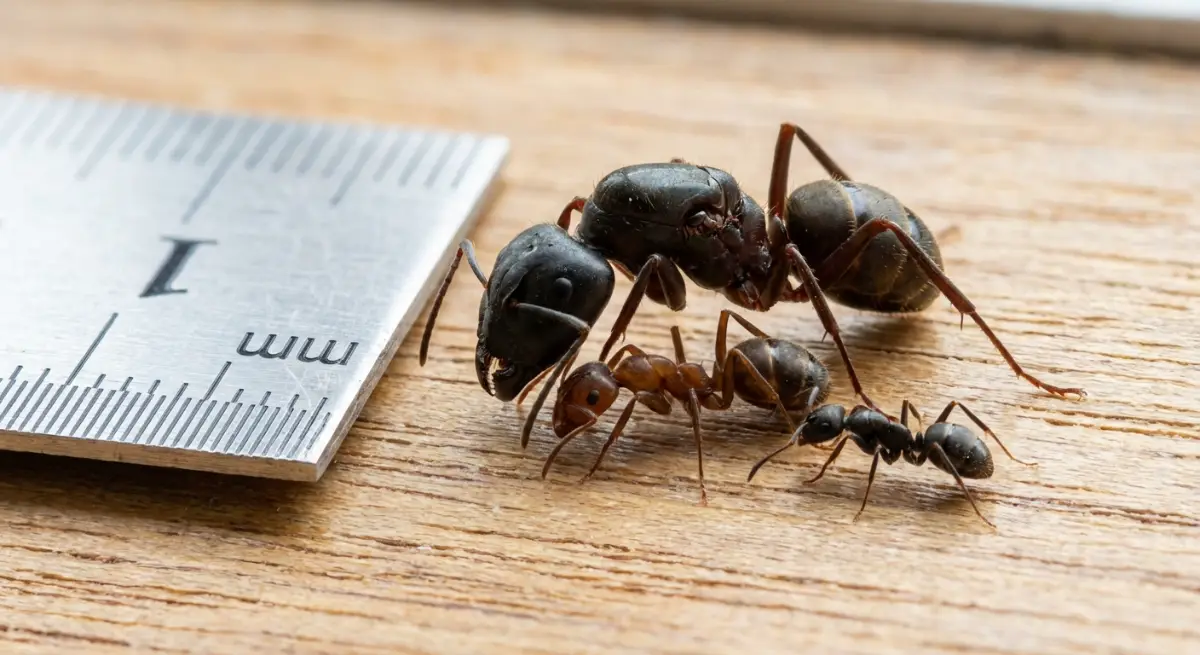
Before any effective ant control strategy can be implemented in Auckland homes, it is crucial to accurately identify the specific species causing the problem. Different ant species exhibit unique behaviours, foraging patterns, and nesting habits, which dictate the most appropriate treatment methods. Misidentification can lead to ineffective treatments and prolonged infestations.
Argentine Ants (Linepithema humile)
Perhaps the most common nuisance ant in Auckland, Argentine ants are small (2-3mm), light to dark brown, and move in distinct trails. They are known for their massive colonies, multiple queens, and ability to quickly establish new nests. They often enter homes in search of food and water, especially during hot, dry weather or heavy rains. Their trails can be seen leading from outside entry points directly to food sources.
Black House Ants (Ochetellus glaber)
These ants are shiny black, 2.5-3mm long, and are commonly found around kitchens, pantries, and outdoor areas in Auckland. They are attracted to sweets and greasy foods. Black house ants are often seen foraging singly or in small groups and tend to nest in wall cavities, under paving, or in rotting timber. Their presence can indicate a moisture issue within the home.
White-footed House Ants (Technomyrmex difficilis)
Measuring 2.5-3mm, these ants are dark brown to black with distinctive pale yellow or white feet, which are more noticeable under magnification. They are attracted to sweet foods and often establish nests in wall voids, attics, and subfloors. White-footed house ants are known for their large, multi-nest colonies and can be particularly challenging to eradicate without professional help due to their widespread nesting habits.
Pharaoh Ants (Monomorium pharaonis)
These are tiny (1.5-2mm), yellowish-brown ants that can be found in a range of environments, including homes, hospitals, and food establishments. Pharaoh ants are notorious for nesting in inaccessible areas like wall voids, behind skirting boards, and within electrical appliances. They are attracted to a wide variety of foods, including sweets, proteins, and fats, and can pose health risks by spreading pathogens. Their small size makes them difficult to detect and control, often requiring specialized baiting strategies.
Understanding Ant Behavior
Understanding the behaviour of these common Auckland ant species is key to effective control. Observing their trails, identifying their food preferences, and locating their entry points will guide your chosen intervention. For instance, ants foraging indoors are likely seeking food or water, while large outdoor trails might indicate a colony attempting to expand or relocate due to environmental changes. Knowledge of their nesting sites, whether in soil, decaying wood, or wall cavities, is also vital for direct treatment.
Effective Ant Eradication Methods for Auckland Properties
Once the ant species has been identified, a targeted eradication strategy can be deployed. A combination of DIY efforts and professional intervention often yields the best results for ant control in Auckland homes, addressing both immediate visible infestations and hidden colonies.
DIY Ant Control Strategies
For minor infestations or as a proactive measure, several DIY methods can be effective:
- Ant Baits (Gel, Granular, Liquid): Baits are highly effective because worker ants carry the poisoned food back to the colony, ultimately eliminating the queen and other ants. Place baits near ant trails but out of reach of children and pets. Different ants prefer different types of food (sweet vs. protein), so observe their preferences. For Argentine ants, sweet liquid baits are often highly effective.
- Sprays and Insecticides: Over-the-counter ant sprays can provide immediate knockdown for visible ants. However, they rarely eliminate the entire colony and can sometimes disperse ants, making the problem worse. Use barrier sprays around entry points, but be aware that ants may find alternative routes. Always read and follow product instructions carefully.
- Natural Remedies: Some natural deterrents like vinegar, lemon juice, or essential oils (peppermint, tea tree) can disrupt ant trails and repel them. Diatomaceous earth can also be sprinkled in cracks and crevices to dehydrate and kill ants. While less toxic, their efficacy is often limited to temporary deterrence rather than full eradication.
When to Call Professional Ant Control Services
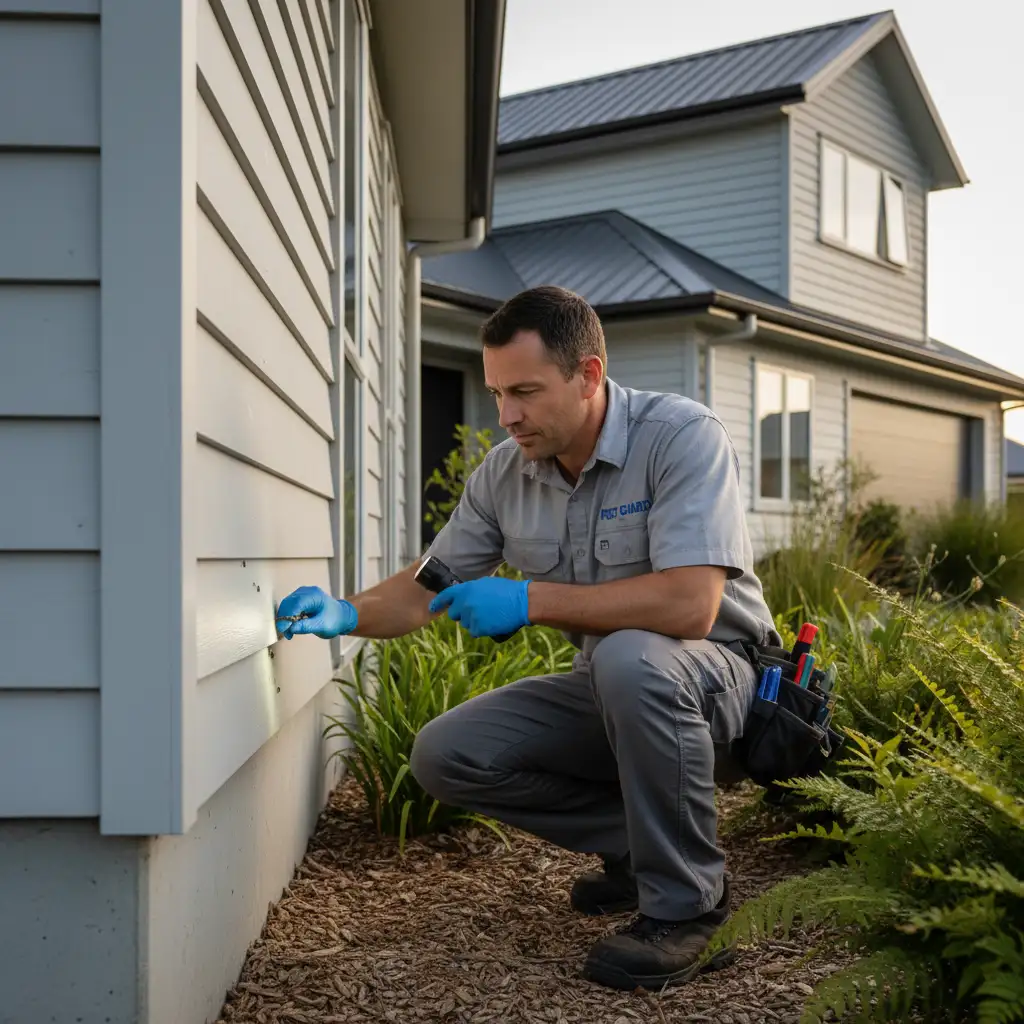
For severe, persistent, or recurring infestations, especially with species like Pharaoh ants or large colonies of Argentine ants, professional ant control in Auckland is often necessary. Professionals have access to stronger, more targeted products and advanced techniques that are not available to the public. They can accurately identify species, locate hidden nests, and apply treatments safely and effectively, providing a more permanent solution.
Integrated Pest Management (IPM) Approach
An Integrated Pest Management (IPM) approach combines various strategies for long-term ant control. This includes inspection, identification, sanitation, exclusion (sealing entry points), and targeted chemical treatments. IPM aims to minimize pesticide use while maximizing effectiveness, focusing on prevention and environmentally responsible practices. This holistic approach is often employed by professional pest controllers to deliver sustainable results.
Preventing Future Ant Infestations: Long-Term Strategies
Eradicating existing ants is only half the battle; preventing their return is equally crucial for sustained ant control in Auckland homes. Proactive measures create an environment less appealing and accessible to ants, significantly reducing the likelihood of re-infestation.
Sealing Entry Points
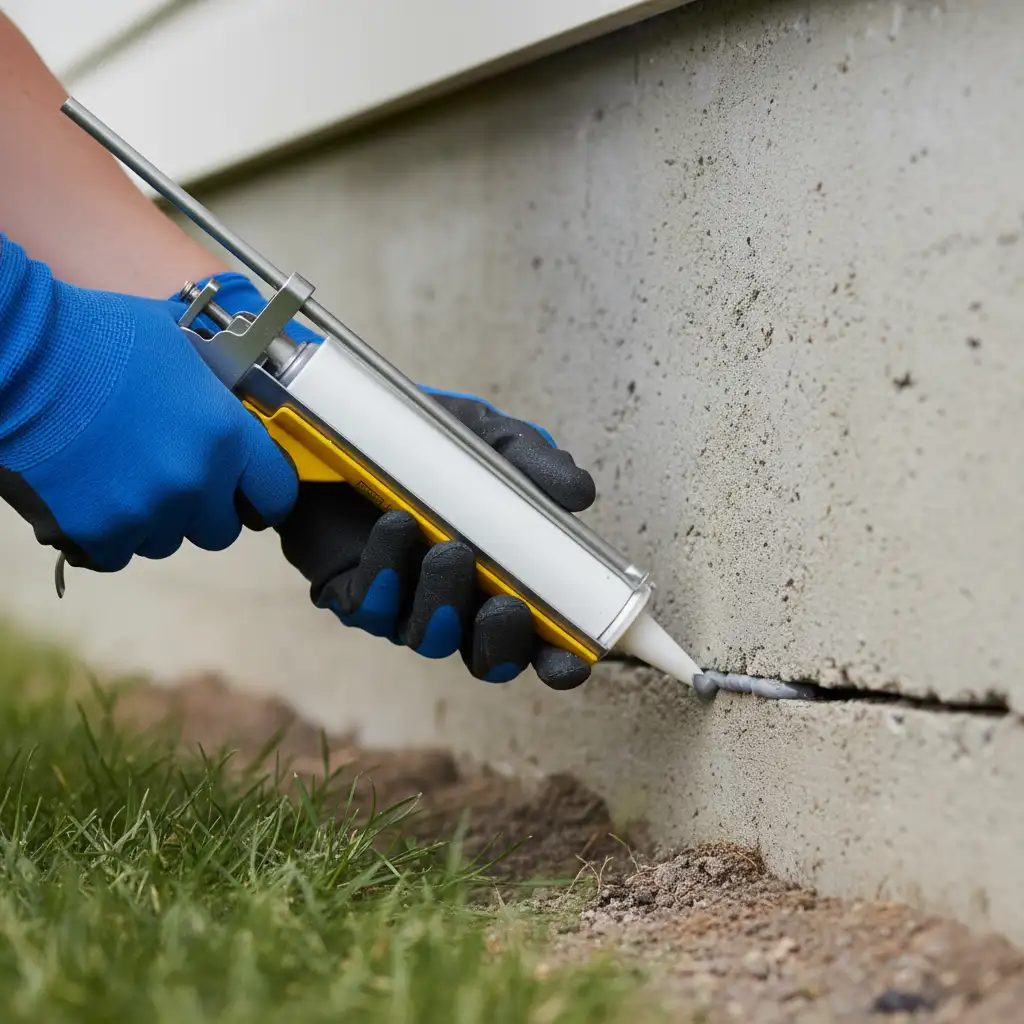
Ants can enter your home through the tiniest cracks and crevices. Thoroughly inspect your home’s foundation, walls, windows, and doors. Seal any gaps with caulk, weatherstripping, or sealant. Pay particular attention to utility line entry points, gaps around pipes under sinks, and electrical outlets. Repair any torn window screens or damaged door sweeps. This physical barrier is a fundamental step in prevention.
Maintaining Household Hygiene
Food and water are primary attractants for ants. Diligent hygiene practices are paramount:
- Clean Up Spills Immediately: Any spilled food or drink, even a tiny crumb, can attract ants.
- Wipe Down Surfaces: Regularly clean kitchen counters, dining tables, and other food preparation areas with a mild disinfectant.
- Empty Bins Frequently: Don’t let rubbish accumulate. Use bins with tight-fitting lids and take out the trash regularly, especially food waste.
- Clean Pet Food Bowls: Pet food is a common attractant. Clean pet bowls after meals or store pet food in airtight containers.
Outdoor Perimeter Control
Extending your prevention efforts to the exterior of your home can significantly reduce indoor ant activity:
- Trim Vegetation: Keep shrubs, trees, and other vegetation trimmed away from your home’s foundation and walls. These can serve as bridges for ants to access your property.
- Remove Debris: Clear away leaf litter, woodpiles, and other organic debris near your home, as these can be attractive nesting sites for ants.
- Manage Moisture: Repair leaky outdoor faucets, ensure gutters and downspouts are functioning correctly, and address any standing water issues. Ants are often attracted to moist environments.
Food Storage and Waste Management
Proper storage of food items is critical:
- Airtight Containers: Store all food, including cereals, sugar, flour, and pet food, in sealed, airtight containers.
- Refrigeration: Keep highly attractive items like fruits, syrups, and open food packets in the refrigerator.
- No Open Food: Avoid leaving food out on counters for extended periods.
Professional Ant Control vs. DIY Solutions in Auckland
When facing an ant infestation in an Auckland home, homeowners often weigh the pros and cons of tackling the problem themselves versus enlisting professional help. Both approaches have their place, but understanding their distinct advantages and limitations is crucial for making an informed decision.
Advantages of Professional Services
Engaging professional ant control services offers several significant benefits, especially for persistent or widespread infestations:
- Expert Knowledge and Identification: Pest control technicians possess in-depth knowledge of local ant species, their behaviours, and nesting habits. They can accurately identify the specific ant troubling your home, which is fundamental for selecting the most effective treatment. Incorrect identification is a common pitfall of DIY efforts.
- Access to Commercial-Grade Products: Professionals use advanced, often restricted, insecticides and baits that are more potent and have a longer residual effect than consumer-grade products. These treatments are specifically formulated for targeted ant control and colony eradication, leading to faster and more thorough results.
- Long-Term Guarantees: Reputable pest control companies typically offer guarantees on their services, providing follow-up treatments if the ants return within a specified period. This offers peace of mind and ensures the problem is resolved comprehensively.
- Safety Considerations: Professional technicians are trained in the safe application of pesticides, minimizing risks to occupants, pets, and the environment. They understand proper ventilation, dosage, and placement to achieve maximum efficacy with minimal hazard.
- Time and Effort Savings: Dealing with a persistent ant problem can be time-consuming and frustrating. Professionals handle the entire process, from inspection to treatment and follow-up, freeing up your time and reducing stress.
Limitations and Risks of DIY Methods
While DIY ant control can be suitable for minor, localised problems, it comes with several limitations and risks:
- Ineffectiveness: Without proper species identification and targeted treatment, DIY methods often only address the visible ants, leaving the colony intact to repopulate. This can lead to recurring infestations.
- Misapplication of Products: Incorrect use of pesticides can be harmful to humans, pets, and beneficial insects. Over-application can also lead to chemical resistance in ants, making future control more difficult.
- Dispersal of Colonies: Some DIY sprays can cause ants to ‘bud’ or scatter, creating multiple new colonies, especially with species like Argentine ants or Pharaoh ants, thereby exacerbating the problem.
- Cost Overruns: Repeated purchases of ineffective DIY products can accumulate, sometimes exceeding the cost of professional services in the long run.
- Time-Consuming: Continually battling ants with home remedies can be a significant drain on your time and energy without yielding satisfactory results.
For a deeper dive into pest control regulations and best practices, consult official government resources like the Environmental Protection Agency (EPA) for general guidelines on pest management, or local New Zealand pest control associations for specific regulations in Auckland.
What to Look for in an Auckland Ant Control Provider
If you opt for professional ant control in Auckland, choose a reputable company that:
- Is licensed and insured.
- Has experienced and certified technicians.
- Offers a thorough inspection and clear explanation of their proposed treatment plan.
- Provides written quotes and guarantees for their work.
- Uses environmentally responsible and safe pest control methods.
- Has positive customer reviews and testimonials.
Ultimately, the decision between DIY and professional ant control depends on the severity and nature of the infestation. For comprehensive, long-lasting solutions, especially with challenging species or recurring problems, investing in professional services for your Auckland home is often the most effective and safest choice. Proactive prevention, however, remains a cornerstone of any successful long-term strategy, whether you tackle it yourself or hire experts.
People Also Ask
Curious for more information on ant control in Auckland? Here are some frequently asked questions:
What attracts ants to Auckland homes?
Ants are primarily attracted to food and water sources within homes. Common attractants include spilled food, crumbs, sugary drinks, pet food, and sources of moisture like leaky pipes or damp areas. They may also seek shelter during extreme weather conditions.
How can I naturally deter ants from my house in Auckland?
Natural deterrence methods include using white vinegar, lemon juice, or essential oils like peppermint or tea tree oil to wipe down surfaces and disrupt ant trails. Diatomaceous earth can also be sprinkled in areas where ants are present to dehydrate them. These methods often repel but may not eradicate an entire colony.
When is the best time to apply ant control treatments in Auckland?
The best time to apply ant control treatments in Auckland is typically in late spring or early summer when ant activity increases, and queens are beginning to lay eggs. Proactive treatments before ants become a major nuisance are often more effective. However, professional services can be called upon any time an infestation occurs.
Are ant baits safe for pets and children in Auckland homes?
Many ant baits are designed to be low-toxicity to humans and pets, but they should always be placed out of reach of children and pets. Look for child and pet-resistant bait stations. Always read product labels carefully for specific safety instructions and consult your pest control professional about pet-safe options.
How do I find the ant nest in my Auckland home?
Finding an ant nest can be challenging, as they often hide in wall voids, under floors, or in difficult-to-reach outdoor areas. Observe ant trails closely to see where they are coming from and going. Look for piles of dirt or debris near entry points. Professionals use specialized tools and knowledge to locate hidden nests effectively.
Why do I keep getting ants after treatment in Auckland?
Recurring ant problems after treatment can be due to several factors: incomplete eradication of the primary colony (especially if there are multiple queens or satellite nests), new colonies moving in from neighbouring properties, or continued access to food and water sources in your home. Professional follow-up treatments and diligent preventative measures are key to long-term success.