Recognizing bed bug signs in Auckland is crucial for early detection and effective management. These nocturnal pests leave distinct indicators, including characteristic bites, tell-tale faecal spots, and visible physical evidence. Early identification is key to preventing widespread infestations and mitigating the associated health and financial risks for Auckland residents and businesses.
Identifying Bed Bug Infestations in Auckland
Bed bugs (Cimex lectularius) are masters of concealment, but they leave behind several key indicators that Aucklanders can look for. Spotting these signs early can make a significant difference in the ease and cost of eradication. Understanding what to search for, from bites on your skin to tiny specks on your bedding, is the first step in combating these pervasive pests.
Characteristics of Bed Bug Bites
Bed bug bites are often the first sign people notice. While not everyone reacts to bites, those who do typically experience itchy, red welts. Unlike mosquito bites, bed bug bites often appear in lines or clusters, commonly on exposed skin areas like the arms, neck, face, and legs while sleeping. The bites are usually small, raised, and intensely itchy, sometimes developing into a rash. It’s important to note that reactions can vary; some individuals might show immediate symptoms, while others might not react for several days, or at all. The pattern of bites is a strong diagnostic clue, often described as ‘breakfast, lunch, and dinner’ due to their linear arrangement.
Recognizing Bed Bug Faecal Spots
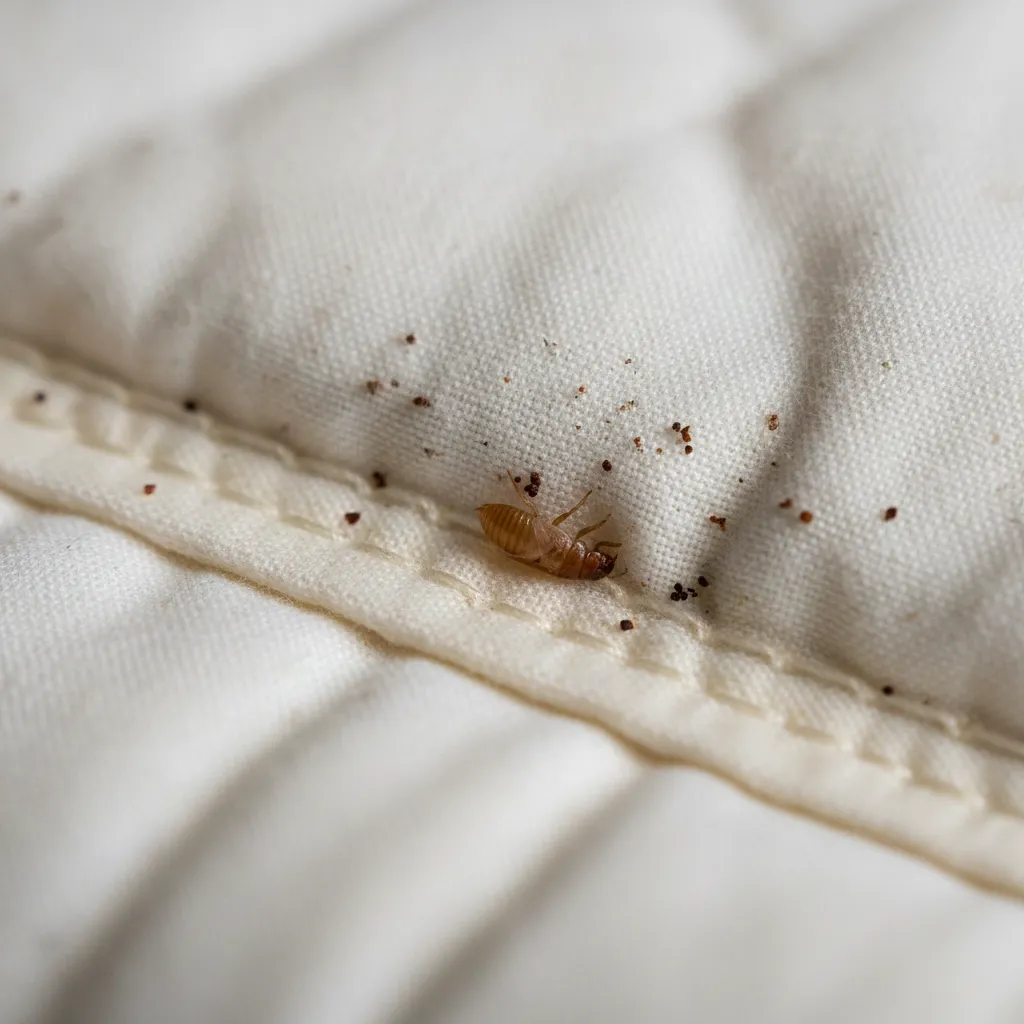
Another definitive sign of a bed bug infestation is the presence of their faecal spots. These are small, dark brown or black spots, roughly the size of a pen tip, often found on mattresses, sheets, bed frames, and even walls near infested areas. These spots are essentially digested blood and will bleed or smear if wiped with a damp cloth, distinguishing them from mould or dirt. Examining the seams and tufts of mattresses, pillowcases, and the edges of headboards closely is vital for discovering these tell-tale marks. Their presence indicates active feeding and an established pest population within your living space.
Other Visible Clues: Shed Skins and Live Bugs
Beyond bites and faecal matter, bed bugs leave behind other physical evidence. As they grow, bed bugs shed their exoskeletons, leaving behind translucent, empty shells (nymphal casings) that resemble the bugs themselves but are hollow. These shed skins can be found in the same areas as faecal spots. Furthermore, in more severe infestations, live bed bugs themselves may be visible. Adult bed bugs are typically reddish-brown, flat, oval-shaped, and about the size of an apple seed. Younger nymphs are smaller and lighter in colour, making them harder to spot. If you find any of these physical signs, particularly multiple indicators, it’s a strong confirmation of an active infestation requiring immediate attention.
Common Bed Bug Hiding Spots and Infestation Zones
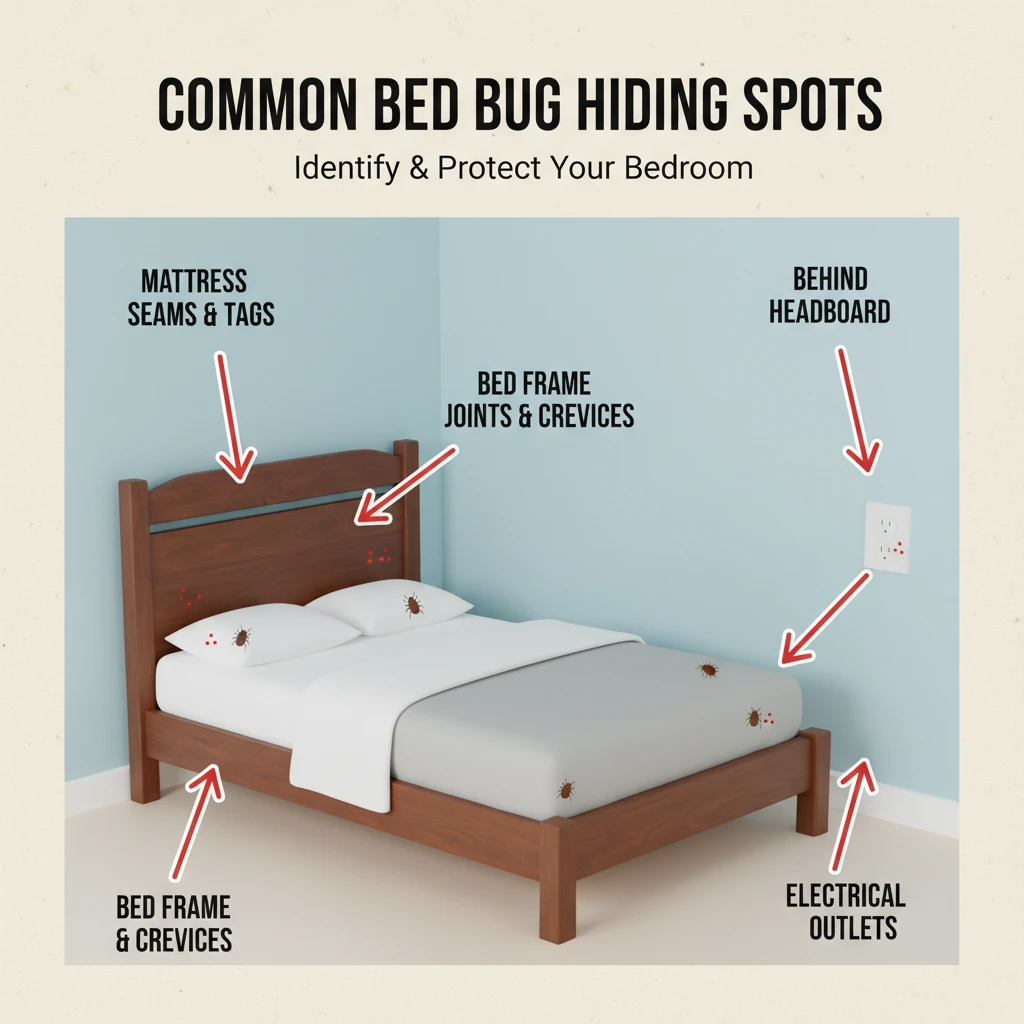
Bed bugs are incredibly adept at hiding, making their detection challenging without thorough inspection. They prefer secluded, dark places close to their hosts, typically within a few metres of where people sleep or rest. Knowing their preferred harbourage areas is critical for effective inspection and treatment, especially for Auckland residents dealing with these elusive pests.
Bedroom Hotspots: Mattresses, Bed Frames, and Headboards
The bedroom is the primary battleground for bed bug infestations. Mattresses are paramount hiding spots; bed bugs frequently conceal themselves in seams, tufts, piping, and underneath the mattress itself. They can also be found within box springs, especially along the fabric dust cover and wooden frame. Bed frames, particularly wooden ones, offer numerous cracks and crevices for hiding, including screw holes, joints, and slats. Headboards, whether attached to the bed frame or mounted on the wall, also provide ideal hiding spots, especially if they are upholstered or have decorative elements that create small gaps. Even nightstands and bedside tables, if close enough to the bed, can harbour these pests, as they seek proximity to their food source.
Beyond the Bed: Furniture, Walls, and Electrical Outlets
While the bed area is central, bed bugs are not confined to it. They can spread to other furniture within the room, such as upholstered chairs, sofas, dressers, and wardrobes. Inspecting these items, especially in their crevices, joints, and fabric folds, is crucial. Bed bugs can also infest walls, hiding behind peeling wallpaper, wall hangings, picture frames, and within cracks in plaster. Electrical outlets and light switches provide secluded voids within walls, serving as excellent, often overlooked, hiding places. Furthermore, they can travel along baseboards and behind loose floorboards. This expanded range highlights why a comprehensive inspection of an entire room, not just the bed, is essential for successful eradication.
Travel and Public Spaces: How Bed Bugs Spread
Bed bugs are notorious hitchhikers, making travel a significant factor in their global and local spread. They can easily latch onto luggage, backpacks, clothing, and other personal belongings, being unknowingly carried from infested hotels, motels, hostels, and even public transport. In Auckland, the bustling tourism industry and frequent international travel contribute to the potential for bed bug introductions. They can also spread through shared laundry facilities or by bringing infested second-hand furniture into a home. Awareness of how these pests travel is vital for prevention, especially when returning from trips or acquiring used items, helping to prevent their introduction into your Auckland home.
Health and Economic Risks of Bed Bug Infestations
Beyond the immediate discomfort of bites, bed bug infestations pose a range of health and economic challenges for individuals and communities. For Aucklanders, understanding these broader implications is crucial for appreciating the urgency of addressing an infestation promptly and effectively. The impacts extend from personal well-being to significant financial burdens.
Health Impacts: Itching, Skin Infections, and Mental Stress
The primary health impact of bed bugs is the intense itching caused by their bites. While bed bugs are not known to transmit diseases, continuous scratching can lead to secondary bacterial skin infections, such as impetigo or cellulitis, requiring medical attention. Allergic reactions, though rare, can also occur, causing more severe skin irritation or, in extreme cases, anaphylaxis. However, one of the most significant, yet often underestimated, health risks is the psychological distress. Chronic sleep deprivation, anxiety, stress, and even paranoia can develop in individuals living with an infestation. The feeling of being constantly bitten, the stigma associated with bed bugs, and the frustration of failed eradication attempts can severely impact mental health and quality of life. This psychological toll underscores the importance of swift and effective pest management. For more information on health effects, refer to reputable sources like the World Health Organization.
Financial Burdens: Treatment Costs and Property Damage
The economic burden of bed bug infestations can be substantial. Professional bed bug treatment is often complex and expensive, typically requiring multiple visits from pest control experts. The cost can vary significantly depending on the size of the infestation, the size of the property, and the chosen treatment methods (e.g., chemical treatments, heat treatments). Beyond direct treatment costs, there are indirect financial impacts. This can include the need to replace infested furniture, mattresses, or bedding that cannot be salvaged. There might also be costs associated with laundry, dry cleaning, and protective mattress encasements. For businesses, particularly hotels or accommodation providers, the financial impact can be magnified by lost revenue due to vacant rooms, compensation to affected guests, and potential damage to brand reputation. Addressing an infestation early can significantly reduce these financial strains.
Reputational Risks for Businesses and Accommodation Providers
In Auckland’s competitive tourism and hospitality sector, a bed bug infestation can be catastrophic for a business’s reputation. News of bed bugs spreads rapidly through word-of-mouth, online reviews, and social media, deterring potential customers and leading to significant revenue loss. Hotels, motels, hostels, and even short-term rental properties are particularly vulnerable. A single negative review about bed bugs can have a lasting detrimental effect, taking considerable time and effort to recover from. Property managers and landlords also face reputational risks, as infestations in rental units can lead to tenant dissatisfaction, lease cancellations, and difficulty attracting new tenants. Proactive pest management and discreet, effective treatment are essential for maintaining trust and protecting a business’s image in the Auckland market.
Prevention Strategies and Professional Management for Aucklanders
Preventing bed bug infestations is always preferable to dealing with an established problem. For Auckland residents and businesses, adopting proactive measures can significantly reduce the risk. When prevention fails, however, professional pest control becomes indispensable for effective and lasting eradication.
Proactive Measures to Deter Bed Bugs
Aucklanders can implement several habits to minimise the risk of bed bug introduction. When travelling, thoroughly inspect your hotel room for bed bug signs before unpacking. Keep luggage off the floor and away from the bed. Upon returning home, unpack directly into the washing machine, washing all clothes in hot water and drying them on high heat, regardless of whether they were worn. Regularly inspect your mattress, bed frame, and upholstered furniture for early signs of bed bugs. Use protective, encasements on mattresses and box springs, which can trap existing bugs and prevent new ones from hiding. Be cautious when acquiring second-hand furniture; always inspect it meticulously before bringing it into your home. Vacuuming regularly, especially around baseboards and furniture, can also help, though it’s not a sole solution. For further guidance on prevention, consider resources from local public health authorities or pest control associations.
The Importance of Professional Pest Control in Auckland
Given the elusive nature and resilience of bed bugs, DIY solutions are often ineffective and can even worsen the problem by scattering the pests. For Aucklanders facing an infestation, engaging professional pest control services is almost always the most effective course of action. Experienced pest control technicians possess the expertise to accurately identify the extent of an infestation, locate all hiding spots, and apply appropriate treatments safely and efficiently. They have access to specialised equipment and chemical treatments that are not available to the public. Professional services often include follow-up visits to ensure complete eradication and provide advice on preventing future infestations. When selecting a service, choose a reputable Auckland-based company with specific experience in bed bug removal, ensuring they offer guarantees for their work. A professional approach ensures thoroughness and peace of mind, protecting your home, health, and finances.
People Also Ask
Here are some common questions Aucklanders have about bed bugs:
What do bed bug bites look like on Auckland skin?
Bed bug bites often appear as small, red, itchy welts, typically in a linear pattern or clusters on exposed skin, such as arms, legs, neck, and face. Reactions can vary, from immediate itchiness to delayed appearance, and some people may not react at all.
How quickly do bed bug infestations spread in an Auckland home?
Bed bug infestations can spread relatively quickly. A single pregnant female can lay multiple eggs daily, leading to exponential growth. If not addressed, they can move from one room to another within weeks or months, especially if they find suitable hiding spots and hosts.
Can I get rid of bed bugs myself in Auckland, or do I need a professional?
While minor DIY efforts might help, bed bugs are notoriously difficult to eliminate entirely without professional help. They are resistant to many over-the-counter pesticides and hide effectively. Professional pest control services have the expertise, specialised equipment, and effective treatments necessary for complete eradication.
Where do bed bugs hide besides the bed in Auckland homes?
Beyond mattresses and bed frames, bed bugs can hide in various locations, including upholstered furniture, cracks in walls, behind picture frames, electrical outlets, light switches, and along baseboards. They seek any secluded crevice close to where people rest.
Do bed bugs transmit diseases to humans in Auckland?
No, bed bugs are not known to transmit diseases to humans. While their bites can cause itchy welts and secondary skin infections from scratching, and lead to mental stress, there is no scientific evidence to suggest they carry or spread pathogens that cause illness.
What are the first steps an Auckland resident should take if they suspect bed bugs?
If you suspect bed bugs, immediately conduct a thorough inspection of your bed, mattress, and surrounding furniture for signs like faecal spots, shed skins, or live bugs. Avoid moving furniture, as this can spread them. Contact a reputable professional pest control service in Auckland for accurate assessment and treatment.