Bed bug treatment in Auckland involves a strategic, multi-faceted approach to completely eradicate these resilient pests from your property. This typically includes thorough inspection, professional-grade chemical applications, and often heat treatments, ensuring all life stages, from eggs to adults, are eliminated. Effective treatment requires expert knowledge and diligent preparation from property owners.
Identifying Bed Bug Bites & Signs
Recognizing the early signs of a bed bug infestation is paramount for prompt and effective treatment in Auckland. These nocturnal pests are masters of hiding, but they leave distinct clues that can alert you to their presence. A thorough understanding of what to look for can prevent a small problem from escalating into a severe infestation, saving you significant stress and cost in the long run.
Recognizing Bed Bug Bites
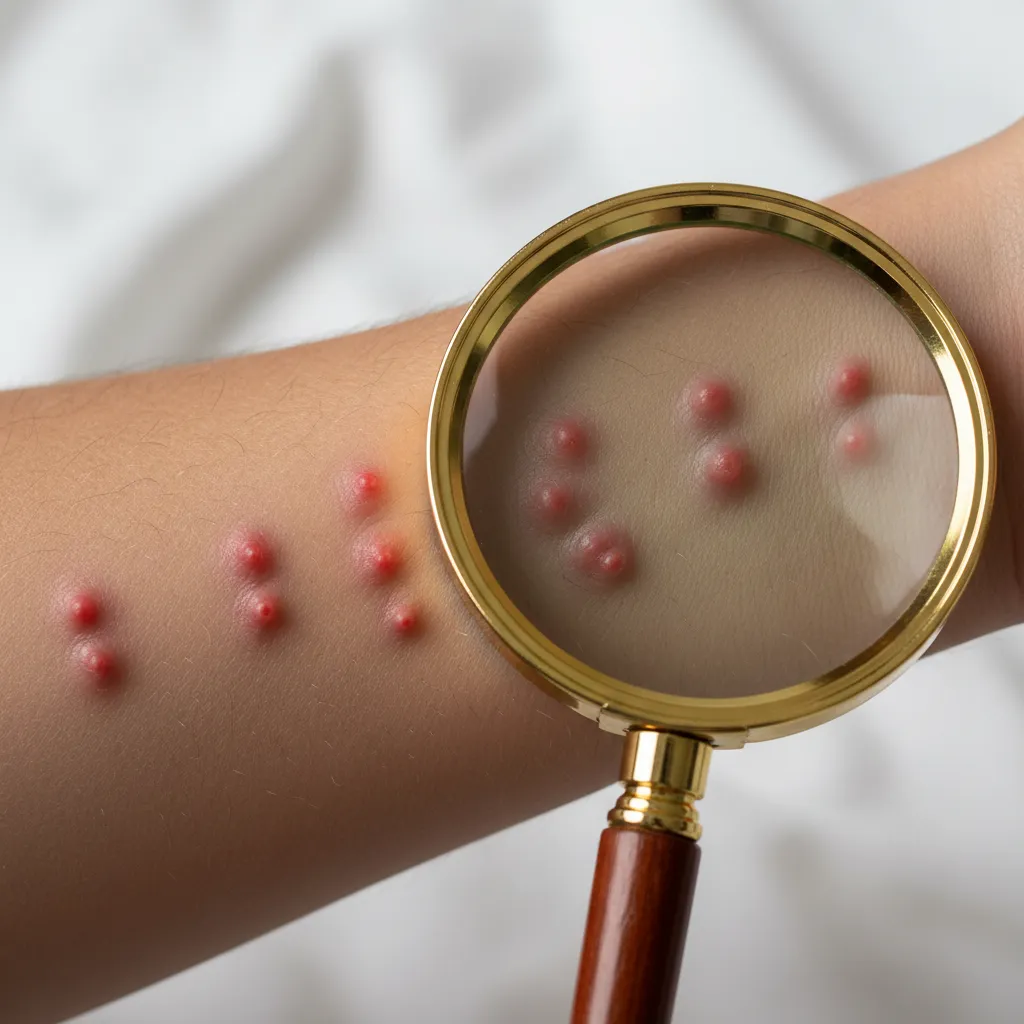
Bed bug bites are often the first indication that you have unwanted guests. These bites typically appear as small, red, itchy welts on exposed skin, frequently arranged in a line or a zigzag pattern. Unlike mosquito bites, which are often random, bed bug bites tend to occur in clusters, reflecting the bed bug’s feeding habits as it moves along the skin. Common areas for bites include the face, neck, arms, and hands. Some individuals may react more severely than others, developing larger, more inflamed lesions, while others may show little to no reaction. It’s important to note that distinguishing bed bug bites from other insect bites can be challenging, often requiring corroborating evidence of an infestation.
Visible Signs of Infestation
Beyond bites, bed bugs leave behind a trail of physical evidence. One of the most common indicators is the presence of tiny, dark spots on your mattress, bedding, or furniture. These spots are bed bug excrement, which is essentially digested blood. When smeared, these spots will resemble rust. You might also find shed exoskeletons, which are the translucent skins bed bugs leave behind as they grow and moult. Live bed bugs themselves, though elusive, can also be spotted. Adult bed bugs are typically flat, oval-shaped, and reddish-brown, about the size of an apple seed. After feeding, they become engorged and more reddish. If you crush a bed bug, you might notice a distinct, sweet, musty odour, which is another tell-tale sign of a heavy infestation. Eggs are tiny, pearly-white, and often found in clusters in crevices.
Where to Check for Bed Bugs
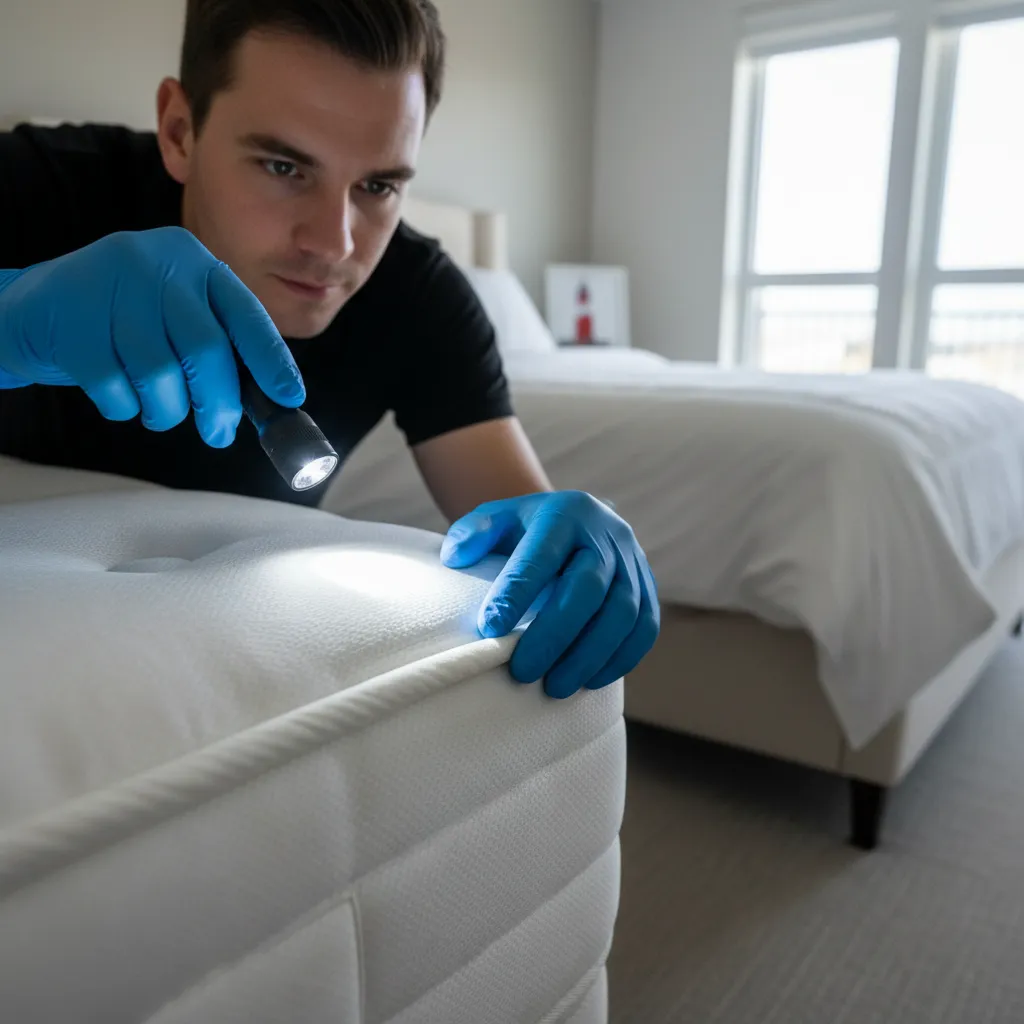
Bed bugs are expert hiders and prefer dark, secluded areas close to their food source – you. When inspecting your Auckland home, start with the bed area. Carefully examine the seams, tags, and piping of your mattress and box spring. Peel back layers of your bed frame, headboard, and bedside tables. Don’t forget to check behind wallpaper, in cracks in the wall, under loose floorboards, and even in electrical outlets. They can also hide in upholstered furniture, curtains, and even inside electronics. A flashlight and a magnifying glass can be invaluable tools for this meticulous search. Inspecting luggage and personal items after travel is also crucial, as bed bugs are notorious hitchhikers. Early detection through thorough inspection is key to managing an infestation effectively before it spreads throughout your home.
Advanced Bed Bug Extermination Methods
When it comes to bed bug treatment in Auckland, professional extermination methods are almost always necessary for complete eradication. These pests are notoriously difficult to eliminate with DIY solutions due to their resilience, rapid reproduction, and ability to hide in numerous inaccessible locations. Expert pest control services employ a range of advanced techniques, often combining several approaches for maximum effectiveness and to break the bed bug life cycle.
Professional Chemical Treatments
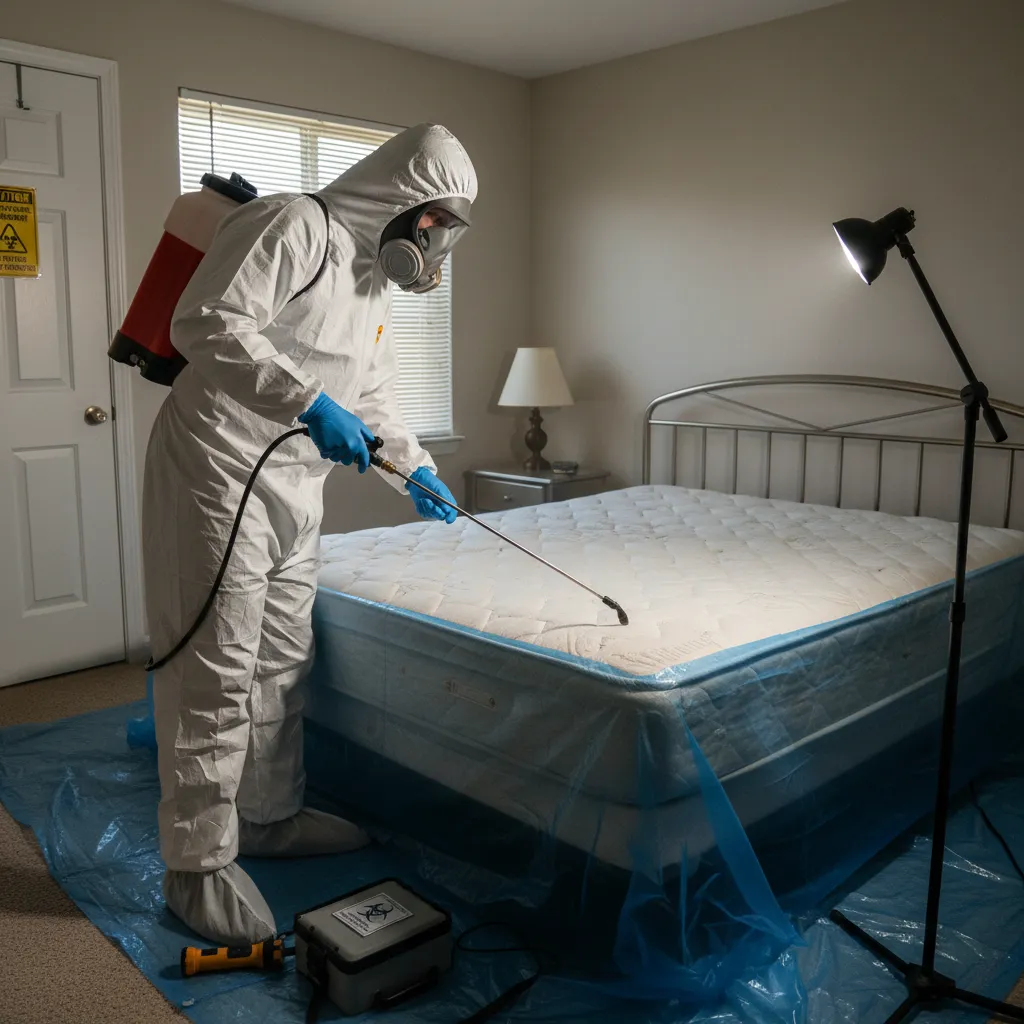
Chemical treatment remains a cornerstone of bed bug eradication strategies. Professional pest control technicians in Auckland have access to a variety of insecticides that are not available to the general public. These include residual sprays, dusts, and aerosols specifically formulated to target bed bugs. Residual insecticides are applied to cracks, crevices, baseboards, and other hiding spots, providing long-lasting protection. Insecticide dusts are particularly effective in wall voids and electrical outlets where sprays cannot reach. Furthermore, insect growth regulators (IGRs) may be used to disrupt the bed bug’s life cycle, preventing nymphs from maturing into reproductive adults. Multiple applications are often required to ensure that newly hatched bed bugs, which may have been protected by their eggs during initial treatments, are also eliminated. Safety protocols are paramount, with professionals ensuring treatments are applied safely and effectively without posing a risk to residents or pets.
Heat Treatment: The Gold Standard
Heat treatment, also known as thermal remediation, is widely considered one of the most effective and eco-friendly methods for bed bug eradication. This method involves raising the temperature of an entire room or structure to a lethal range for bed bugs, typically between 45°C to 50°C (113°F to 122°F), and maintaining it for several hours. Specialized heaters are used to distribute heat evenly, penetrating walls, furniture, and personal belongings where bed bugs might hide. The advantage of heat treatment is its ability to kill all life stages of bed bugs, including eggs, nymphs, and adults, in a single treatment, often without the need for extensive chemical use. This makes it an excellent option for those with chemical sensitivities or for properties where minimal chemical application is desired. Preparing for heat treatment involves removing heat-sensitive items and decluttering to allow for optimal heat distribution. For more information on the effectiveness of thermal treatments in pest control, you can refer to authoritative sources like the U.S. Environmental Protection Agency (EPA).
Integrated Pest Management (IPM) Approach
An Integrated Pest Management (IPM) approach is the most comprehensive and sustainable strategy for bed bug treatment in Auckland. IPM combines various methods to achieve long-term control while minimizing risks to human health and the environment. This includes not just chemical or heat treatments, but also thorough inspections, monitoring, sanitation improvements, and exclusionary measures. Vacuuming daily, encasing mattresses and box springs, laundering infested items at high temperatures, and sealing cracks and crevices are all components of an effective IPM strategy. Education plays a critical role, as property owners must understand their part in preventing reinfestation. By integrating physical, chemical, and educational tactics, IPM provides a robust framework for not only eradicating existing bed bug populations but also for maintaining a bed bug-free environment long-term. A professional pest control company will typically implement an IPM strategy tailored to the specific needs and severity of your infestation.
Preparing for Bed Bug Treatment
Effective bed bug treatment in Auckland relies heavily on proper preparation by the property owner. Without adequate preparation, even the most advanced extermination methods can be less effective, potentially leading to prolonged infestations and the need for additional treatments. Your pest control technician will provide specific instructions, but understanding the general guidelines beforehand can significantly streamline the process and enhance the success rate of the treatment.
Pre-Treatment Checklist
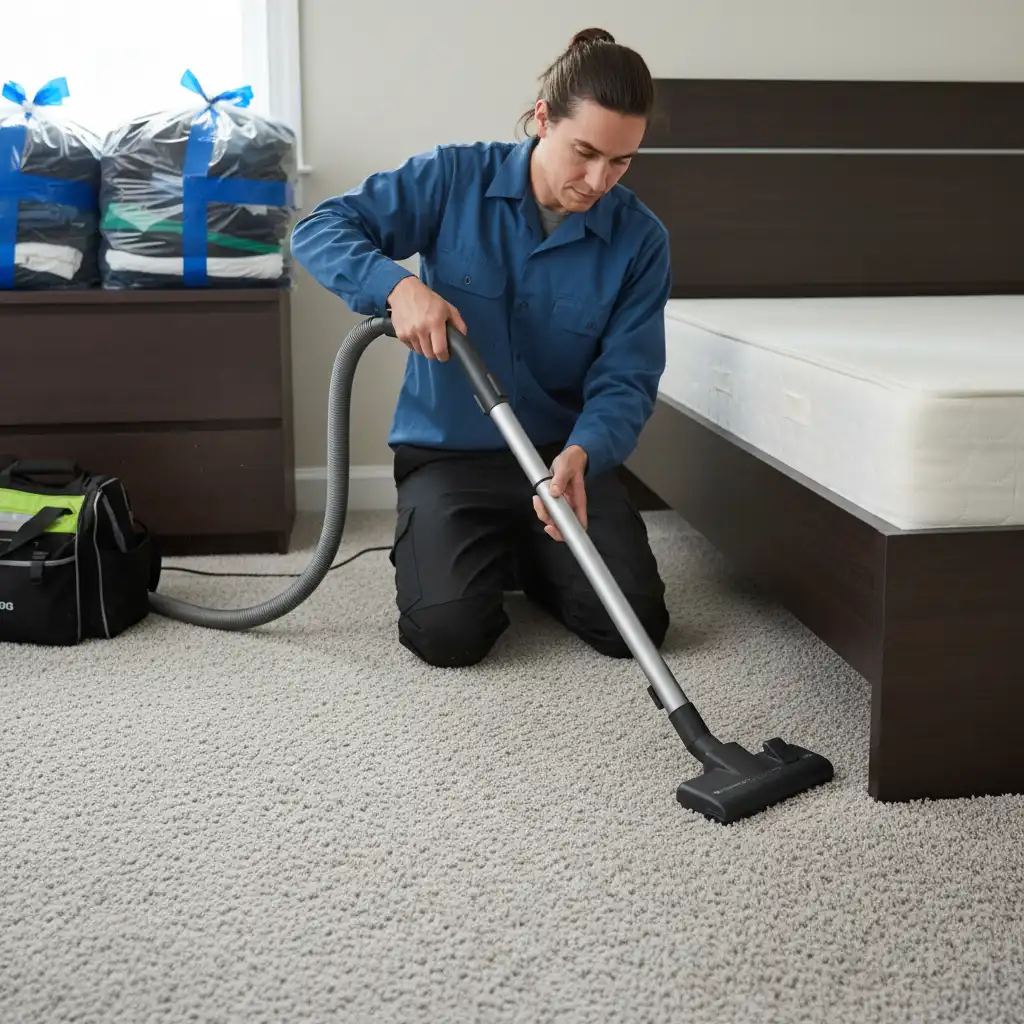
Before your bed bug treatment, follow a detailed checklist to ensure the area is ready. Start by decluttering thoroughly. Remove all items from floors, closets, and dresser drawers, placing them into sealed plastic bags. This minimizes hiding spots for bed bugs and allows technicians full access to all infested areas. All bedding, curtains, and clothing should be removed, laundered in hot water (at least 60°C or 140°F), and then dried on the highest heat setting. Once clean, seal these items in new, clean plastic bags to prevent reinfestation. Vacuum all floors, carpets, and upholstered furniture meticulously, paying close attention to seams and edges. Immediately after vacuuming, dispose of the vacuum bag outdoors in a sealed trash bag. Pull furniture away from walls to provide easy access for technicians. It’s also crucial to dismantle bed frames if possible, as this exposes hidden harbourage points. Discuss any special requirements for pets or sensitive individuals with your pest control provider, as they may need to vacate the premises for a certain period.
Post-Treatment Procedures
The work doesn’t stop once the pest control technicians leave. Post-treatment actions are equally vital for ensuring long-term success. Avoid immediate cleaning of treated surfaces, especially those that received residual insecticides, as this can wash away the active ingredients. Your pest control company will advise on the appropriate waiting period, usually a few days. Continue to monitor for any signs of bed bug activity, such as new bites or sightings, and report them to your technician. Regular vacuuming, particularly in treated areas, should be maintained. Keep mattress and box spring encasements on for at least a year, as they trap any bed bugs or eggs that may have survived the initial treatment. Be patient, as it can sometimes take several weeks and follow-up visits to achieve complete eradication, especially in severe infestations. Adhering strictly to post-treatment instructions is crucial for preventing a resurgence of bed bugs and ensuring your Auckland property remains pest-free.
Preventing Bed Bug Reinfestation
After undergoing bed bug treatment in Auckland, the crucial next step is to implement robust prevention strategies to avoid reinfestation. Bed bugs are persistent, and vigilance is key to ensuring your home remains free from these unwelcome guests. A proactive approach involves a combination of consistent monitoring, smart habits, and an understanding of how bed bugs travel.
Ongoing Vigilance and Monitoring
Even after successful treatment, ongoing vigilance is essential. Regularly inspect your bed, especially mattress seams and crevices, for any new signs of bed bugs, such as dark spots or shed skins. Interceptors, often called ‘bed bug monitors’ or ‘pitfall traps,’ can be placed under bed legs to catch bed bugs as they attempt to climb onto the bed. These simple devices provide an early warning system. Continue to routinely vacuum your home, particularly around sleeping areas and upholstered furniture. Keep clutter to a minimum, as this reduces potential hiding spots for bed bugs and makes inspections easier. Promptly address any new bites or suspicious findings by re-inspecting and contacting your pest control professional if necessary. Early detection of a new introduction can prevent a full-blown reinfestation.
Travel Smart Tips
Bed bugs are notorious hitchhikers, often travelling from infested hotels, motels, or even public transport into your home. When travelling, perform a quick inspection of your accommodation upon arrival. Check mattress seams, headboards, and bedside tables for any signs of bed bugs. Use luggage racks instead of placing your suitcase on the floor or bed. Upon returning home to Auckland, unpack your suitcase in a garage or bathroom, not your bedroom. Immediately wash all travel clothes in hot water and dry on high heat, even if they weren’t worn. Inspect your luggage thoroughly, vacuuming it if possible, before storing it away. For more travel tips to avoid bringing bed bugs home, consult reliable sources such as the Centers for Disease Control and Prevention (CDC).
Home Habits for Prevention
Cultivating good habits within your Auckland home can significantly reduce the risk of future bed bug problems. Regularly wash and change bedding. Use mattress and box spring encasements – these trap any existing bed bugs inside and prevent new ones from colonizing. Seal cracks and crevices in walls, baseboards, and around window frames to eliminate hiding spots. Be cautious when bringing second-hand furniture, especially beds or upholstered items, into your home; always inspect them thoroughly before introduction. If you suspect an item may be infested, consider treating it or leaving it outside. Educate all members of your household about bed bug awareness, especially children who might bring them home from school or friends’ houses. A collective effort and consistent vigilance form the strongest defence against bed bug reinfestation, helping to maintain a pest-free environment.
People Also Ask
How much does bed bug treatment typically cost in Auckland?
The cost of bed bug treatment in Auckland varies significantly based on the severity of the infestation, the size of the property, and the chosen treatment method (e.g., chemical, heat). A small, localized infestation might cost a few hundred dollars, while a whole-house heat treatment for a severe problem could range from NZ$1,500 to NZ$4,000 or more. Most companies provide a free inspection and quote.
How long does bed bug treatment take to be effective?
The initial treatment itself can take anywhere from 2-8 hours, depending on the method and size of the area. However, complete eradication often requires multiple visits over several weeks (typically 2-4 treatments spaced 2-3 weeks apart for chemical methods) to ensure all eggs have hatched and nymphs are eliminated. Heat treatment often achieves eradication in a single, longer session.
Can I treat bed bugs myself with DIY products in Auckland?
While many DIY bed bug products are available, they are generally ineffective for complete eradication, especially for established infestations. Bed bugs are resilient and hide in numerous inaccessible spots. Professional pest control uses specialized equipment and stronger, targeted products, along with expert knowledge, making DIY solutions largely a waste of time and money in the long run.
Do bed bugs carry diseases in Auckland?
Unlike many other blood-feeding pests, bed bugs are not known to transmit diseases to humans. Their bites primarily cause itchy welts and skin irritation. However, excessive scratching can lead to secondary skin infections, and in rare cases, severe infestations can cause anemia due to significant blood loss. The main impact is psychological, causing anxiety and sleep deprivation.
When can I re-enter my home after bed bug treatment in Auckland?
For chemical treatments, it’s typically recommended to vacate the premises for at least 4-6 hours, or as advised by your pest control technician, to allow for proper ventilation and drying of pesticides. For heat treatments, you might need to stay out for the duration of the treatment, which can be a full day, until temperatures return to normal. Always follow your pest controller’s specific instructions.
How can I identify bed bug eggs?
Bed bug eggs are tiny, about 1mm long, pearly-white, and oval-shaped, resembling small grains of rice. They are often found in clusters in crevices, cracks, mattress seams, or rough surfaces. They are sticky and difficult to remove. A magnifying glass is often needed for clear identification. Finding eggs is a definitive sign of an active infestation.