Bee hive removal in Auckland involves the careful and humane relocation of bee colonies from unwanted locations in residential or commercial properties. This specialized service prioritizes the safety of both people and bees, ensuring that these vital pollinators are safely moved to suitable new environments rather than exterminated. Professional intervention is often crucial to manage the risks associated with active bee colonies.
Identifying Bee Swarms & Hives
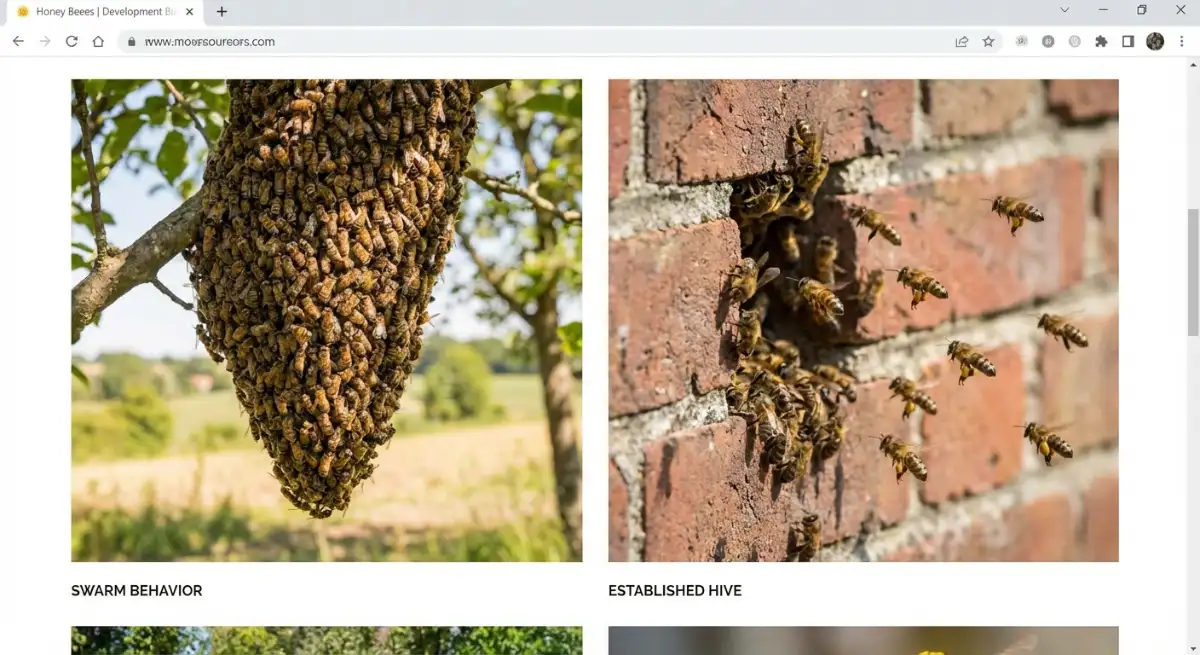
Understanding the difference between a bee swarm and an established bee hive is the critical first step in addressing a bee presence on your property in Auckland. While both involve a large congregation of bees, their characteristics, urgency, and the appropriate response differ significantly. Mistaking one for the other can lead to unnecessary panic or even dangerous situations.
What is a Bee Swarm?
A bee swarm is a temporary aggregation of bees, typically a queen and thousands of worker bees, that have left their original hive to establish a new one. Swarms are often seen clustered on tree branches, fences, or other structures. They are usually in transit, resting for a few hours or days before finding a permanent home. Importantly, swarming bees are generally docile as they have no hive or honey to defend, and their primary focus is on finding a new dwelling. However, they can still sting if provoked.
Key characteristics of a swarm:
- A visible, often football-sized or larger, cluster of bees.
- Usually found in exposed locations (trees, fences, eaves).
- Bees appear calm, primarily buzzing and clustering.
- May only last for a few hours to a few days.
What is an Established Bee Hive?
An established bee hive, in contrast, is a permanent colony where bees have built comb, stored honey, pollen, and are actively raising brood. These hives are often located in sheltered, enclosed spaces such as wall cavities, roof spaces, chimneys, hollow trees, or under garden sheds. Bees in an established hive are much more protective of their home and food stores, making them significantly more defensive and prone to stinging if disturbed. The longer a hive is established, the larger and more complex it becomes, accumulating considerable amounts of honey and comb.
Key characteristics of an established hive:
- Bees consistently flying in and out of a specific entry point (e.g., a small crack in a wall, a hole in a tree).
- Presence of visible comb or wax if the location allows.
- A stronger, more persistent buzzing sound originating from within a structure.
- Bees exhibiting defensive behaviour when approached.
Common Locations for Bee Activity in Auckland
In Auckland’s diverse urban and suburban landscape, bees seek out a variety of protected spaces. Common locations for swarms and established hives include:
- Residential Structures: Wall cavities, roof voids, chimneys, eaves, sheds, compost bins, water meter boxes, and under decks.
- Gardens & Trees: Hollow tree trunks, dense shrubs, compost piles, and any sheltered nook.
- Commercial Properties: Similar to residential, but also ventilation systems, utility boxes, and less-frequented storage areas.
Early identification of whether you have a swarm or a permanent hive is crucial for determining the correct course of action. While a swarm might dissipate on its own or be easily collected by a local beekeeper, an established hive almost always requires professional intervention due to the structural issues it can cause and the defensive nature of the colony.
Safe & Humane Bee Relocation Methods
When dealing with bees, especially in an urban environment like Auckland, the emphasis is increasingly placed on safe and humane relocation rather than extermination. Bees are vital to our ecosystem, acting as primary pollinators for a significant portion of our food crops and native flora. Professional bee removers employ specialized techniques to ensure the bees’ survival while effectively clearing your property.
Why Humane Relocation is Paramount
Humane bee relocation is not merely an ethical choice; it’s an ecological imperative. In New Zealand, bees (both European honey bees and native bees) play a critical role in agricultural productivity and maintaining biodiversity. Exterminating a colony results in the loss of thousands of pollinators and can leave behind honey and wax residues that attract other pests. Relocation ensures the colony continues its vital work in a more appropriate environment, such as an apiary or a remote natural habitat.
Professional Relocation Techniques
The method chosen for relocation depends heavily on whether it’s a swarm or an established hive, and the accessibility of the hive. Professionals are equipped with the knowledge and tools to handle various scenarios:
Swarms: Collection and Rehoming
Swarms are generally the easiest to relocate due to their temporary nature and docile temperament. A professional will usually:
- Carefully collect the clustered bees into a specialized bee box or container.
- Identify and secure the queen if possible, as her presence ensures the rest of the swarm will follow.
- Transport the entire swarm to an apiary or a safe, designated bee-keeping location.
Established Hives: Cut-Outs and Live Removals
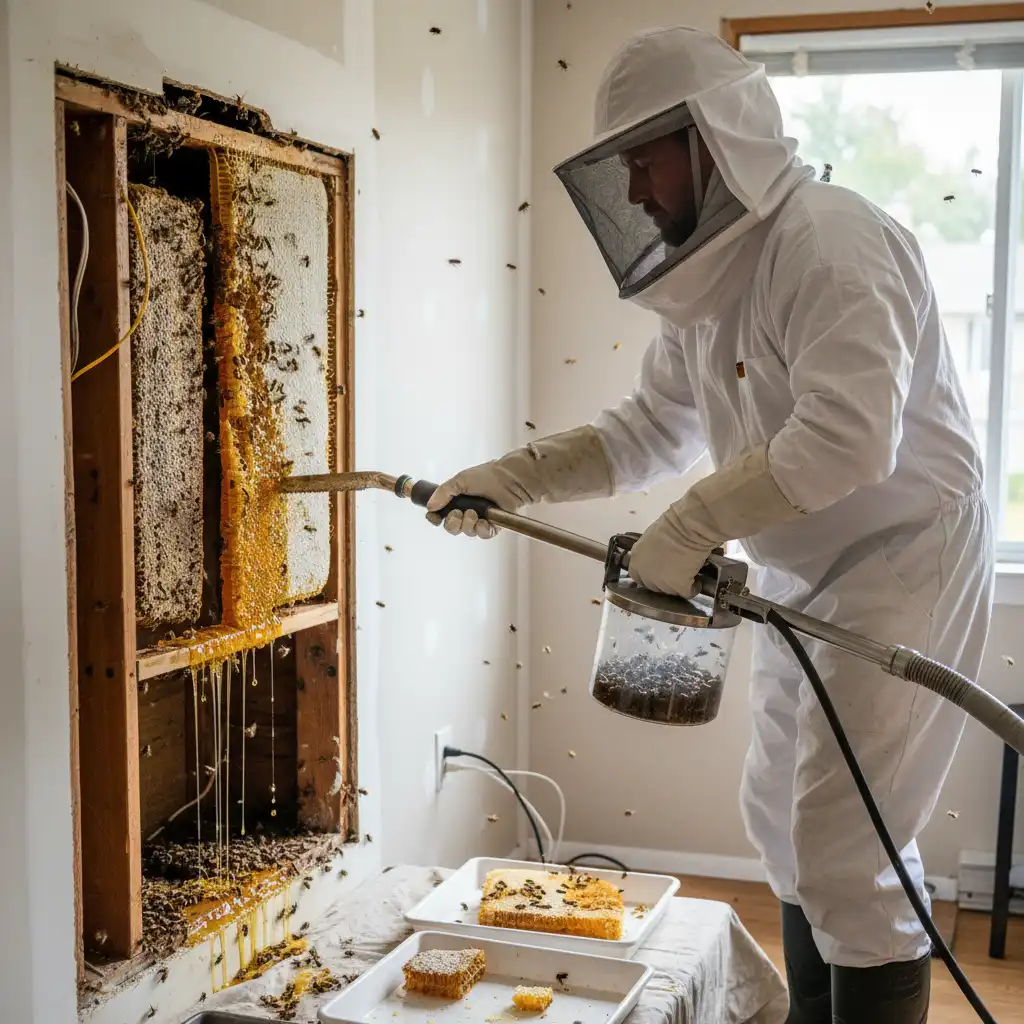
Removing an established hive from a structure is a far more complex and time-consuming process known as a “cut-out.” This method requires precision, protective gear, and specialized tools:
- Assessment: Professionals first assess the hive’s size, location, and accessibility, often using thermal imaging cameras to locate hives within walls without extensive damage.
- Access: This may involve carefully removing sections of drywall, roofing, or other structural elements to gain direct access to the comb. Minimizing structural damage is a key objective.
- Removal of Comb and Bees: Each section of comb, containing honey, pollen, and brood, is meticulously cut out and carefully secured into frames. Bees are either gently brushed into bee boxes or safely vacuumed using low-pressure bee vacuums designed not to harm them. The queen is identified and placed securely.
- Clean-up: Once all bees and comb are removed, the area is thoroughly cleaned to remove any residual honey or wax, which could attract new swarms or other pests. Sealing entry points is also crucial to prevent future infestations.
- Relocation: The entire colony, including the queen, comb, and gathered bees, is transported to a designated apiary where they can thrive.
It is important to note that attempting to remove an established hive without professional expertise can lead to stings, property damage, and often the tragic demise of the bee colony. Professional services ensure the best outcome for all involved.
Protecting Bees and Property
Beyond immediate removal, understanding the broader context of bee protection and safeguarding your property from potential future infestations is essential for any Auckland homeowner or business. Bees, while beneficial, can cause significant damage when they establish a hive in an unsuitable location, necessitating a balanced approach to coexistence.
The Ecological Importance of Bees in New Zealand
Bees are cornerstone species in New Zealand’s ecosystems and agriculture. They pollinate a vast array of native plants and introduced crops, contributing billions to the economy through increased yields of fruits, vegetables, and seeds. The iconic Manuka honey industry, for instance, relies entirely on bee pollination. Protecting bee populations is therefore not just about kindness; it’s about sustaining our environment and economy. For more information on the critical role of bees in New Zealand, you can refer to resources from institutions like New Zealand’s Ministry for Primary Industries.
Preventative Measures for Homeowners
Preventing bees from establishing hives in unwanted locations is always preferable to removal. Homeowners in Auckland can take several proactive steps:
- Seal Entry Points: Regularly inspect your home for cracks, gaps, and unsealed openings in walls, eaves, rooflines, and foundations. Seal these with caulk, sealant, or mesh.
- Repair Damage: Fix broken vents, loose fascia boards, and damaged screens that could provide access.
- Cover Chimneys: Install chimney caps to prevent bees (and other wildlife) from nesting.
- Remove Attractants: Promptly clean up outdoor food spills, fruit drops, and keep rubbish bins tightly sealed. While bees are attracted to nectar, they can also forage on sweet residues.
- Maintain Your Property: Keep sheds and outbuildings well-maintained and free of holes. Regularly check less-frequented areas like compost bins or old tyres.
Potential Damage from Established Hives
An established bee hive, particularly one that has been present for an extended period, can cause substantial damage to property. This damage often stems from the construction of the comb and the honey it contains:
- Structural Damage: The weight of large honeycombs can warp or collapse ceiling drywall, internal walls, or even exterior siding.
- Honey & Wax Damage: Honey can leak from the comb, especially in warm weather, staining walls, ceilings, and flooring. This sticky residue can also attract other pests like ants, rodents, and cockroaches, leading to secondary infestations and unpleasant odours.
- Insulation Damage: Hives built within wall cavities can saturate and compress insulation, reducing its effectiveness and leading to increased energy costs.
- Moisture & Mould: Leaking honey can create damp conditions, fostering mould growth within structures.
Post-removal, it is often necessary to carry out repairs to address any structural damage, clean up honey residue, and replace damaged insulation. This comprehensive approach is part of a responsible bee removal strategy.
When to Call Professional Bee Removers
While identifying a bee presence is the first step, knowing when to escalate to professional assistance is paramount for safety, effectiveness, and humane outcomes. For residents and businesses in Auckland, engaging expert bee removal services is often the safest and most efficient solution for dealing with swarms and established hives.
Scenarios Requiring Expert Intervention
Several situations unequivocally call for the expertise of professional bee removers:
- Established Hives: If bees are consistently entering and exiting a specific point in your home’s structure (walls, roof, chimney), it’s an established hive. These require complex cut-out procedures that DIY attempts cannot safely achieve.
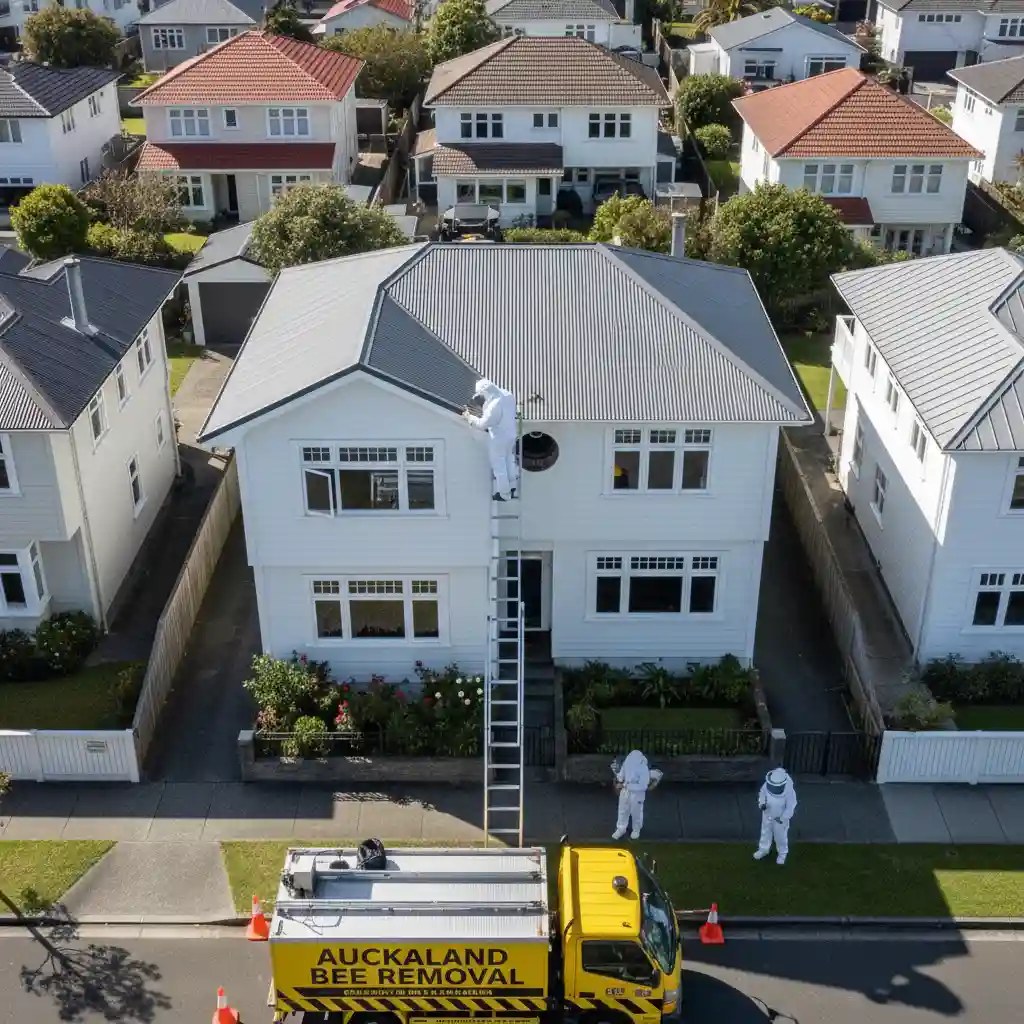
- High or Inaccessible Locations: Hives or swarms located high up in trees, on roofs, or within difficult-to-reach structural voids pose significant safety risks for untrained individuals.
- Aggressive Bees: While most swarms are docile, some bee colonies, especially established ones, can become highly defensive if disturbed. If bees are actively stinging or exhibiting aggressive behaviour, do not attempt to handle them yourself.
- Allergies: If anyone in your household or workplace has a severe allergy to bee stings, any bee activity presents a serious health risk and warrants immediate professional attention.
- Large Swarms: Even if docile, very large swarms can be intimidating and challenging to manage without the right equipment and experience.
- Unknown Species: While European honey bees are common, encountering an unfamiliar bee or wasp species might require specialized knowledge for safe identification and removal.
Attempting DIY removal, especially with established hives, can lead to serious injury, incomplete removal (resulting in re-infestation), structural damage, and often the death of the bee colony.
Benefits of Professional Bee Removal Services in Auckland
Engaging a reputable bee removal service in Auckland offers numerous advantages:
- Safety First: Professionals are equipped with full protective gear, ladders, and safety protocols to handle bees in any location, minimizing risk to themselves and property occupants.
- Humane Relocation Expertise: They possess the knowledge and specialized tools (like bee vacuums) to safely extract and relocate bees without harming them, aligning with environmental responsibility.
- Comprehensive Hive Removal: Experts ensure the entire hive, including all comb, honey, and bees, is removed. This prevents residual honey from attracting other pests and causing structural issues.
- Damage Minimization & Repair Advice: Professionals aim to minimize damage during cut-outs and can advise on necessary repairs or even perform minor repair work post-removal.
- Long-term Solutions: Beyond removal, they can offer advice on preventative measures to seal entry points and deter future bee infestations.
- Guaranteed Results: Many reputable services offer guarantees on their removal work, providing peace of mind.
- Local Knowledge: Auckland-based professionals understand local bee species, common nesting sites, and environmental considerations specific to the region.
When selecting a professional, look for services with a strong track record, positive testimonials, insurance, and a clear commitment to humane bee relocation. In Auckland, ensuring the safety of your property and the welfare of our crucial bee populations goes hand-in-hand.
People Also Ask
What is the cost of bee hive removal in Auckland?
The cost of bee hive removal in Auckland varies significantly depending on several factors, including the size of the hive, its location (e.g., easily accessible tree branch versus within a wall cavity), the complexity of the removal process (swarm collection vs. full cut-out), and any necessary repairs post-removal. Swarm collections are generally less expensive than established hive removals. It is best to get a specific quote from a professional bee removal service after an assessment.
Can I remove a bee hive myself?
While it might be tempting to remove a small, easily accessible bee swarm yourself, it is generally not recommended, especially for established hives. Attempting DIY removal without proper protective gear, tools, and expertise can lead to multiple stings, property damage, and often results in the death of the bee colony. Professionals ensure safety for people and humane relocation for the bees.
What happens to the bees after they are removed?
Professional bee removal services in Auckland prioritize humane relocation. After removal, bees, along with their queen and comb, are typically transported to a safe environment such as a local apiary (bee farm) or a remote, natural area where they can re-establish and continue to thrive. This ensures their vital role in pollination is preserved.
How can I prevent bees from building a hive on my property?
To prevent bees from building a hive, regularly inspect your property for potential entry points like cracks in walls, unsealed gaps, and damaged vents. Seal these openings with caulk or mesh. Keep eaves and rooflines in good repair, install chimney caps, and promptly clean up any food spills or fruit drops that might attract bees to your Auckland property.
Is bee extermination ever an option in Auckland?
Bee extermination is generally considered a last resort in Auckland due to the ecological importance of bees. Most reputable pest control services that encounter bees will prioritize humane removal and relocation. Extermination may only be considered in extreme cases where relocation is impossible, safety risks are unmanageable, or the bees pose an immediate, severe threat that cannot otherwise be mitigated. Always seek professional advice for humane options first.
How long does bee hive removal take?
The duration of bee hive removal can vary greatly. A simple swarm collection might take less than an hour. However, removing an established hive from within a wall or roof cavity (a ‘cut-out’) can take several hours, or even a full day, depending on the hive’s size, location, and the complexity of accessing it. Professionals will be able to give an estimated timeframe after an initial assessment.