Biosecurity NZ pest reporting refers to the critical system managed by the Ministry for Primary Industries (MPI) to identify, report, and respond to new or unusual pest and disease threats entering or establishing in New Zealand. This public-driven initiative is vital for protecting the nation’s unique environment, agriculture, and economy from invasive species.
Understanding Biosecurity New Zealand’s Mandate
Biosecurity New Zealand, a division of the Ministry for Primary Industries (MPI), stands as the nation’s first line of defense against a relentless barrage of invasive species and diseases that constantly threaten its shores. As an island nation with a unique biodiversity, New Zealand is particularly vulnerable to the economic and ecological devastation that can be wrought by exotic pests. Biosecurity NZ’s mandate is broad, encompassing everything from border control measures to pest surveillance within the country, and crucially, empowering the public to be active participants in protecting the country.
The Core Mission of MPI Biosecurity
At its heart, the core mission of MPI Biosecurity is to prevent unwanted organisms from entering and establishing in New Zealand, and to manage or eradicate those that do slip through the cracks. This mission is driven by the understanding that a single new pest or disease can have catastrophic consequences for New Zealand’s primary industries, which are the backbone of its economy, and for its irreplaceable native flora and fauna. Their work involves a complex interplay of scientific research, policy development, regulatory enforcement, and public engagement, all aimed at safeguarding New Zealand’s natural and economic assets.
Protecting New Zealand’s Unique Ecosystems and Economy
New Zealand’s isolation has led to the evolution of unique ecosystems, largely free from many pests and diseases prevalent elsewhere. This uniqueness, while a national treasure, also makes these ecosystems incredibly fragile. Invasive species can outcompete native species, destroy habitats, transmit diseases, and fundamentally alter ecological processes. Simultaneously, New Zealand’s agricultural and horticultural sectors, including dairy, meat, wine, and fruit, are highly dependent on maintaining a pest- and disease-free status to access international markets and ensure high yields. Biosecurity NZ’s proactive approach directly underpins the health and sustainability of both. The economic cost of an uncontrolled pest incursion could run into billions of dollars, affecting farmers, businesses, and ultimately every New Zealander through increased costs and lost opportunities.
Key Responsibilities and Collaborative Efforts
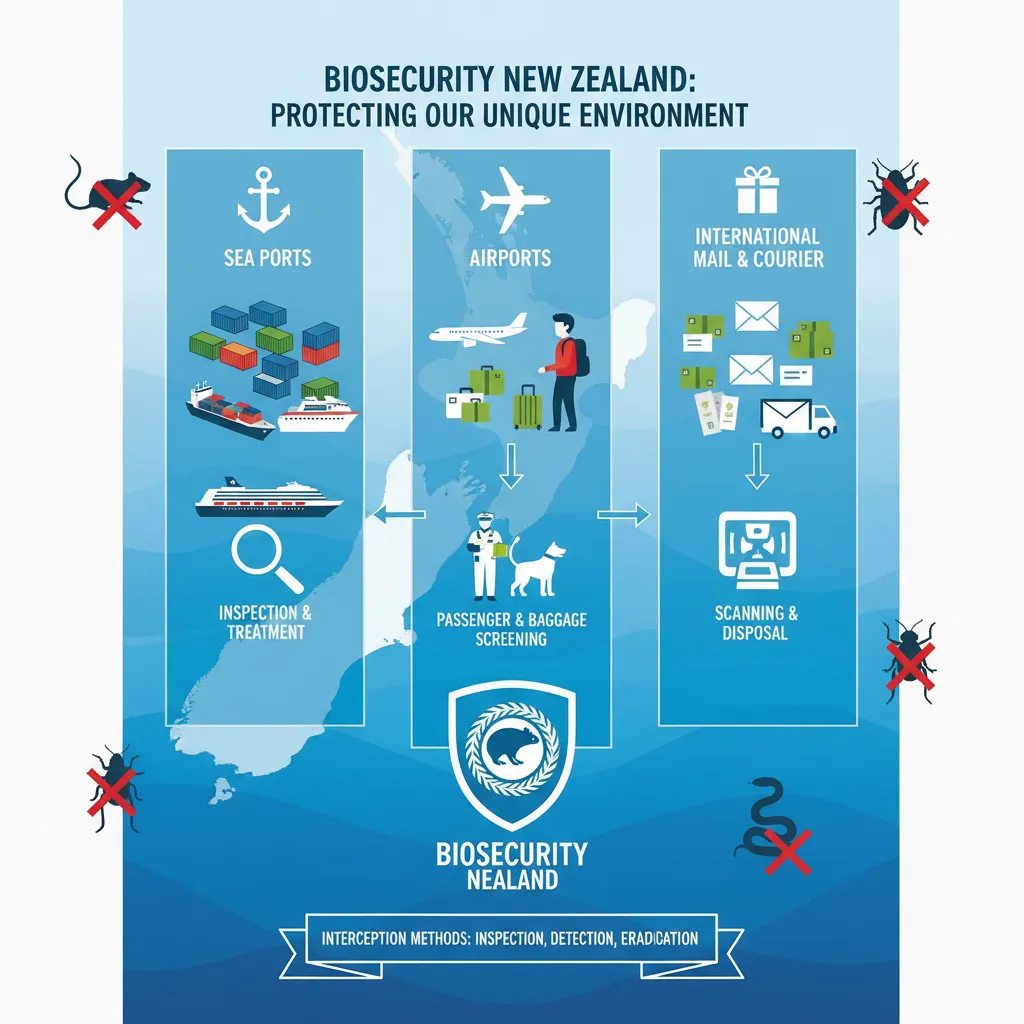
Biosecurity NZ’s responsibilities are extensive, including implementing strict border controls at ports and airports, developing and enforcing import health standards, conducting surveillance programs across the country, and leading rapid response efforts to new pest incursions. They work closely with a wide array of stakeholders, including other government agencies, local councils, industry groups, iwi (Māori tribes), environmental organizations, and the general public. This collaborative framework is essential because biosecurity is not solely the responsibility of one agency; it requires a collective effort to be truly effective. Public awareness and active participation, particularly through vigilant reporting, form a critical pillar of this national defense strategy.
Identifying and Reporting Unusual Pest Sightings
The success of Biosecurity New Zealand’s efforts hinges significantly on the keen eyes and proactive reporting of the public. Every citizen can act as a vital early warning system, helping to detect new threats before they become established and widespread. Knowing what to look for and how to report it effectively is paramount in protecting New Zealand’s unique environment and economy. This section outlines how individuals can contribute to this critical national effort.
What Constitutes an “Unusual Pest”?
An