Child-safe spider control in Auckland involves implementing effective yet non-toxic strategies to manage spider populations, ensuring the safety and well-being of your family and pets. This comprehensive guide provides Auckland families with practical, eco-friendly methods to keep homes spider-free without resorting to harsh chemicals.
Understanding the Spider Landscape in Auckland
Auckland, with its diverse climate and lush environments, is home to a variety of spider species. While most are harmless, some can cause a fright, and a few, like the White-tailed spider, have bites that can be painful or cause localized reactions. Common spiders found in Auckland homes include the Daddy Long-legs (Pholcus phalangioides), Grey House Spider (Badumna longinqua), and the aforementioned White-tailed spider (Lampona cylindrata). Understanding which spiders are prevalent helps in choosing the most effective and child-safe control methods, focusing on prevention and non-toxic removal to maintain a safe living space for your family.
For families, the concern isn’t just about potentially venomous spiders, but also about the psychological impact of seeing spiders indoors, especially for children. The goal of child-safe spider control isn’t eradication, which is often impossible and unnecessary, but rather effective management and deterrence, creating an environment where spiders are less likely to thrive and pose a nuisance or perceived threat.
Non-Toxic and Organic Spider Control Options
Adopting non-toxic and organic methods is paramount when children and pets are part of the household. These approaches prioritize safety while still effectively deterring and removing spiders.
Natural Repellents
- Essential Oils: Peppermint, tea tree, lavender, and citrus oils are known to deter spiders. Mix 10-15 drops of your chosen oil with water in a spray bottle and mist around windows, doors, cracks, and other entry points. Always perform a patch test on surfaces to avoid staining, and ensure adequate ventilation.
- White Vinegar: A simple and effective repellent. Mix equal parts white vinegar and water in a spray bottle. Spray directly on spiders or around entry points. The strong smell dissipates quickly for humans but remains a deterrent for spiders.
- Diatomaceous Earth (Food-Grade): This natural powder, made from fossilized algae, is harmless to humans and pets but lethal to insects and spiders. It works by absorbing lipids from their exoskeletons, causing dehydration. Lightly dust in cracks, crevices, and along baseboards. Ensure to use food-grade DE to be completely child and pet safe.
Mechanical Removal
- Vacuuming: A powerful and immediate way to remove spiders and their webs. Use a vacuum cleaner with a hose attachment to reach high corners, under furniture, and in crevices. Immediately dispose of the vacuum bag or empty the canister outdoors to prevent spiders from escaping back into the house.
- Sweeping and Brushing: Regularly sweep away cobwebs from ceilings, walls, and corners. A long-handled brush or broom can be very effective. This not only removes existing webs but also discourages spiders from building new ones.
- Sticky Traps: Non-toxic sticky traps can be placed in discrete areas where spiders are frequently observed, such as basements, garages, or behind furniture. While effective, ensure they are placed out of reach of curious children and pets to avoid accidental contact.

Keeping Children and Pets Safe During Treatment
Safety is the cornerstone of any pest control effort in a family home. When considering any spider control method, whether DIY or professional, specific precautions must be taken to protect children and pets.
Pre-Treatment Precautions
Before any treatment, conduct a thorough tidying. Clear toys, pet bowls, and personal items from areas that will be treated. Cover aquariums and move pet beds to untreated zones. If using sprays, ensure all food preparation surfaces are covered or thoroughly cleaned afterwards. This minimizes exposure to any substances, even natural ones, and allows for more effective treatment.
During Treatment Protocols
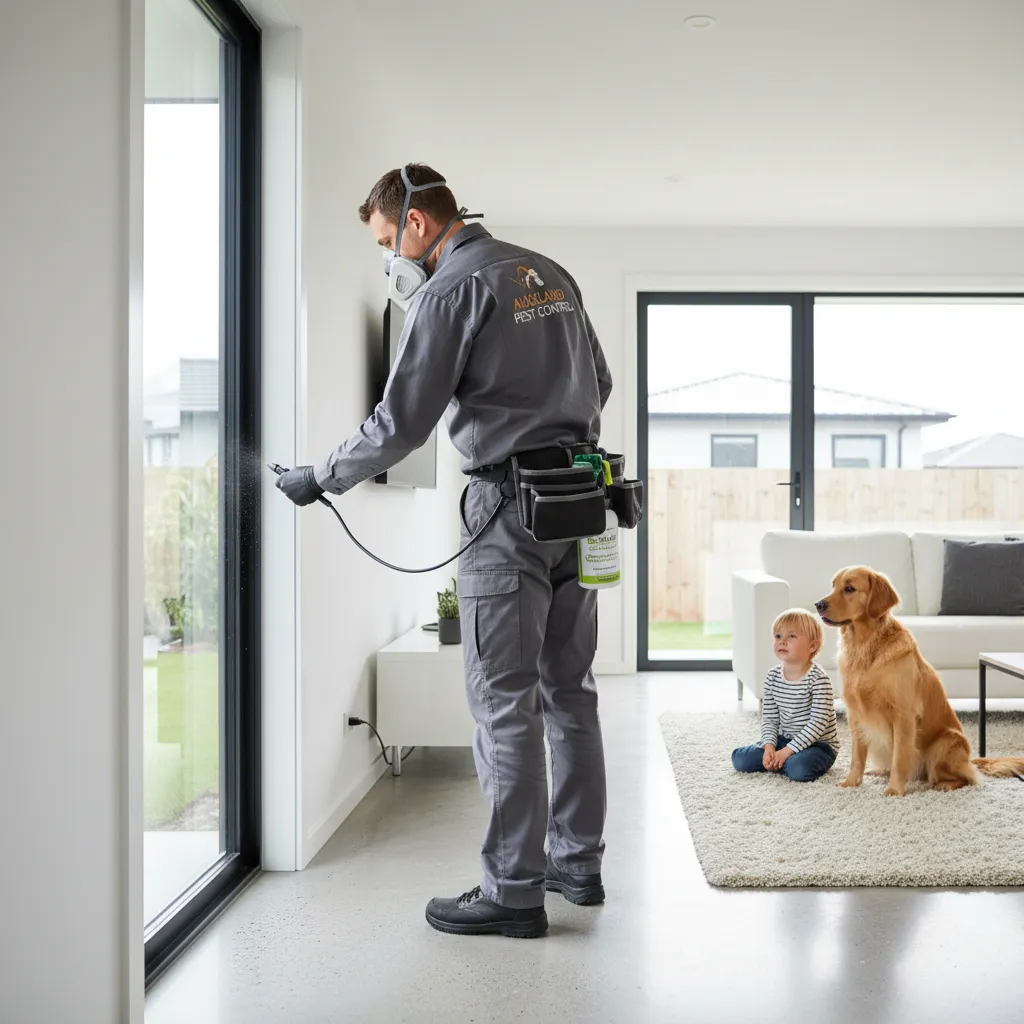
For DIY methods involving sprays, ensure children and pets are not in the room during application. Open windows for ventilation. If a professional pest control service is engaged, always communicate that you require child and pet-safe methods. Reputable companies in Auckland will offer low-toxicity or organic solutions and advise on necessary evacuation times, which are often minimal or non-existent with modern, safe products. For more information on general pest control safety, resources like World Health Organization guidelines provide valuable insights.
Post-Treatment Safety Measures
After treatment, whether DIY or professional, allow treated areas to dry completely before reintroducing children and pets. This is especially crucial for any damp areas. If using diatomaceous earth, ensure it’s applied in discreet areas where it won’t be disturbed by young children or pets. Regularly vacuum and clean to remove any residual deterrents or spider remains, maintaining a clean and safe environment.
Safe Pest Control Services in Auckland
When seeking professional help in Auckland, choose a pest control company that explicitly offers child and pet-safe options. Inquire about their methods, the active ingredients they use, and their safety protocols. Ask for certifications and references. A good company will prioritize integrated pest management (IPM) techniques, focusing on prevention and minimal use of chemicals, opting for targeted, low-impact solutions first.
Preventing Spiders Without Harmful Chemicals
Prevention is always the most effective and safest form of pest control. By making your home less attractive to spiders, you can significantly reduce their presence without resorting to any chemicals.
Sealing Entry Points
Spiders often enter homes through small cracks and openings. Conduct a thorough inspection of your home’s exterior and interior. Seal any cracks in foundations, walls, and around windows and door frames with caulk. Install weather stripping under doors and ensure window screens are intact and free of tears. Repair any gaps around utility pipes or wires entering the house. Even tiny gaps can be an invitation for spiders.
Garden and Exterior Management
Your garden and immediate exterior surroundings play a crucial role in spider prevention. Keep shrubs, trees, and other vegetation trimmed back from your house walls. Spiders use these as bridges to access your home. Remove leaf litter, woodpiles, and general clutter from around your foundation, as these provide excellent hiding spots. Reduce outdoor lighting near entry points, as lights attract insects, which in turn attract spiders looking for food. Consider using yellow or sodium vapor lights which are less attractive to insects.
Indoor Housekeeping Practices
A clean and clutter-free home is less appealing to spiders. Regularly vacuum and dust, paying close attention to corners, under furniture, and behind appliances where spiders like to hide and build webs. Reduce clutter, especially in storage areas like attics, basements, and garages, as these undisturbed spaces are ideal for spider habitats. Store items in sealed plastic containers rather than cardboard boxes, which can provide harborage. Consistent cleaning eliminates food sources (other insects) and removes existing webs and egg sacs before they hatch.
Regular Inspections
Make regular inspections a part of your routine. Check common spider hotspots like windowsills, corners, behind curtains, and in seldom-used cupboards. Early detection of webs or individual spiders allows for quick, non-toxic removal before a larger infestation can take hold. Being proactive is key to maintaining a spider-free environment naturally.

When to Call Professional Child-Safe Pest Control in Auckland
While DIY methods are highly effective for managing minor spider issues, there are situations where calling a professional child-safe pest control service in Auckland becomes necessary. If you are experiencing a significant or persistent infestation, despite consistent application of natural methods, it may indicate a larger underlying issue that requires expert intervention. Professionals have the knowledge and tools to identify specific spider species, locate their harborage areas, and implement targeted treatments that are safe for your family.
Furthermore, if you suspect the presence of potentially harmful spiders or are simply uncomfortable dealing with spiders yourself, a professional service offers peace of mind. Reputable Auckland pest control companies specializing in child-safe practices will conduct a thorough inspection, provide a tailored treatment plan using eco-friendly and low-toxicity products, and offer ongoing advice for long-term prevention. They understand the unique environmental factors in Auckland that contribute to pest issues and can offer solutions compliant with local regulations and environmental standards. Always ensure they are certified and insured, prioritizing your family’s health and safety above all else.
Conclusion
Ensuring your Auckland home is safe from spiders without compromising the health of your children and pets is entirely achievable. By embracing a combination of diligent prevention, natural repellents, and consistent mechanical removal, families can create an environment where spiders are discouraged from thriving. Remember to prioritize sealing entry points, maintaining a clean home and garden, and being vigilant with regular inspections. When faced with persistent challenges, don’t hesitate to seek out professional child-safe pest control services in Auckland who can offer expert, eco-friendly solutions tailored to your specific needs. With these strategies, you can confidently maintain a spider-free, safe, and comfortable home for everyone.
People Also Ask (FAQs)
What are natural ways to deter spiders from my home in Auckland?
Natural ways to deter spiders in Auckland homes include using essential oil sprays (peppermint, tea tree, lavender), white vinegar solutions, and food-grade diatomaceous earth. Regular vacuuming, sealing cracks, and keeping your home clutter-free are also highly effective non-toxic methods.
Are essential oils safe for spider control around children and pets?
Yes, many essential oils like peppermint, tea tree, and lavender are generally considered safe for spider control around children and pets when used properly. Always dilute them with water and apply in well-ventilated areas. Ensure pets don’t ingest them directly, and consult a vet if you have concerns about specific animals.
How do professional pest controllers ensure child safety in Auckland?
Professional pest controllers in Auckland ensure child safety by offering low-toxicity or organic treatment options, conducting thorough pre-treatment assessments, and providing clear post-treatment instructions. They use targeted applications to minimize exposure, prioritize Integrated Pest Management (IPM) strategies, and will clearly communicate any necessary precautions or temporary evacuations.
What types of spiders are common in Auckland and are they dangerous?
Common spiders in Auckland include Daddy Long-legs, Grey House Spiders, and White-tailed spiders. Most are generally harmless, though White-tailed spider bites can be painful and cause localized skin irritation. It’s important to practice child-safe control methods for all spiders to ensure peace of mind.
Can I use diatomaceous earth safely indoors with kids and pets?
Yes, food-grade diatomaceous earth (DE) is safe for indoor use around children and pets. It’s a natural, non-toxic powder that works by dehydrating spiders and insects. Apply it lightly in cracks, crevices, and along baseboards where it won’t be easily disturbed or inhaled in large quantities. Ensure you are using ‘food-grade’ DE.
How often should I clean to prevent spiders in my Auckland home?
Regular and consistent cleaning is crucial for spider prevention. Vacuum and dust at least once a week, paying special attention to corners, under furniture, and behind appliances. Removing clutter and regularly sweeping away webs will significantly reduce spider habitats and food sources, contributing to a spider-free home.