Cockroach Control Auckland CBD refers to the professional Cockroach & Ant Extermination (including targeted Kitchen Ant Removal) and management of invasive cockroach species, specifically German and American varieties, through the strategic application of commercial-grade gel baits, insect growth regulators, and residual sprays. To achieve complete eradication, certified technicians must inspect property hotspots, treat breeding colonies directly, and implement preventative barriers that break the pest’s reproductive cycle.
Identifying the Threat: Cockroaches in Auckland
Auckland’s unique climate, characterized by high humidity and moderate temperatures, creates an ideal breeding ground for various pests. Among the most resilient and reviled are cockroaches. These insects are not merely a nuisance; they are indicators of potential hygiene failures and structural vulnerabilities within a property. In the Greater Auckland region, from the North Shore to Manukau, cockroach infestations are a year-round concern for both residential homeowners and commercial business owners.
Understanding the behavior of these pests is the first step toward effective control. Cockroaches are thigmotactic, meaning they prefer their bodies to be in contact with solid surfaces on all sides, leading them to hide in tight cracks, crevices, and behind appliances. They are nocturnal scavengers that can survive on scarce resources, making them incredibly difficult to displace once they have established a colony.
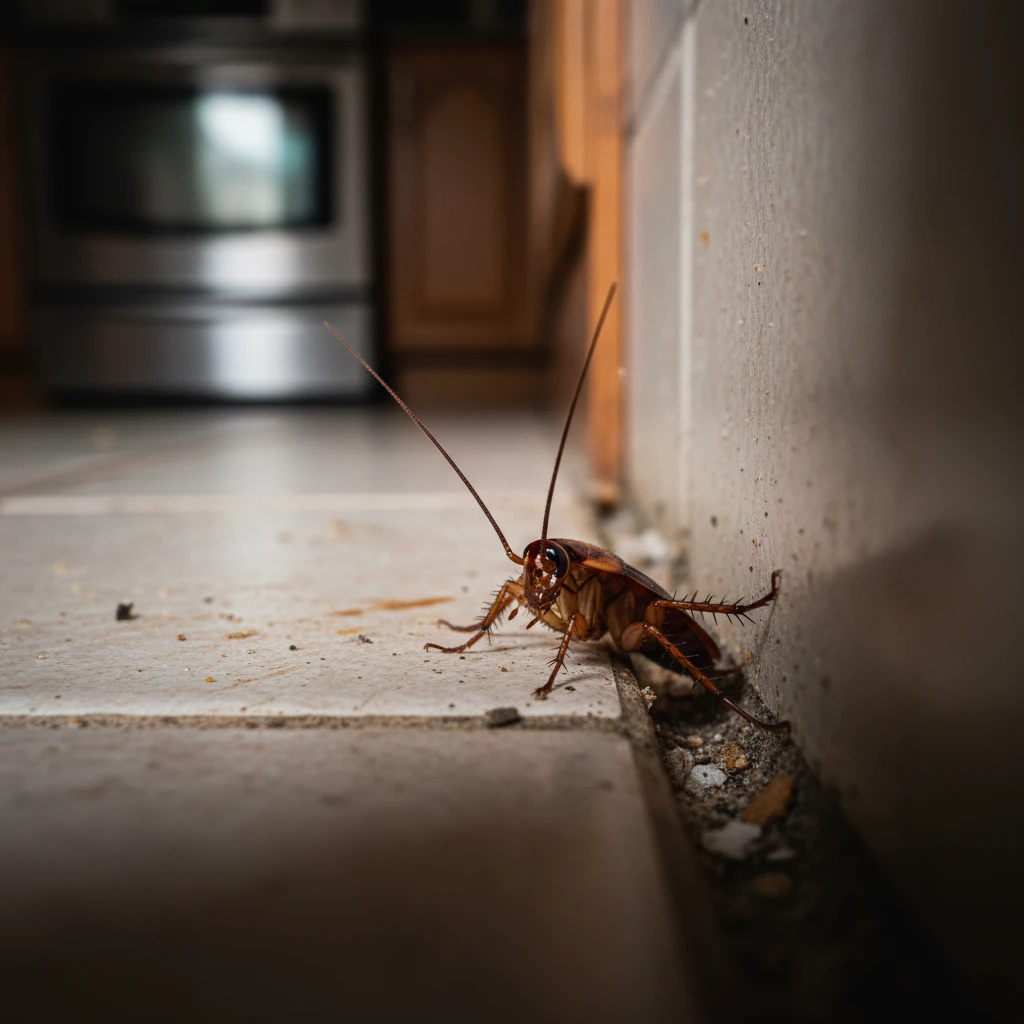
Types of Cockroaches Found in Auckland
Effective pest control requires precise identification. Different species respond to different treatment methods. In Auckland, you are most likely to encounter three specific types of cockroaches.
1. The German Cockroach (Blattella germanica)
This is the public enemy number one for Kitchen Roach Infestations in Auckland kitchens and restaurants. Small (12-15mm), light brown, with two dark parallel stripes running down the pronotum (shield behind the head), the German cockroach is an indoor pest. They crave warmth and moisture, making them ubiquitous behind fridges, in dishwashers, and inside microwaves. They reproduce at an alarming rate; a single female can carry an ootheca (egg case) containing up to 40 eggs, leading to exponential population explosions in weeks, which is why swift German Cockroach Extermination is absolutely essential.
2. The American Cockroach (Periplaneta americana)
Significantly larger than their German counterparts, American cockroaches can grow up to 40mm long. They are reddish-brown and capable of flight in warm conditions. These pests are often associated with drains, sewers, and basements. While they can invade living spaces, they often originate from the external environment or plumbing systems.
3. The Gisborne Cockroach (Drymaplaneta semivitta)
Often mistaken for a dangerous pest, the Gisborne cockroach is a native New Zealand species. It is large, dark, and lacks wings. Unlike the German cockroach, the Gisborne variety prefers to live outdoors under bark or wood chips. They generally do not carry the same level of disease risk and typically wander indoors by accident. However, their presence can still be distressing for homeowners.
Health Risks Associated with Infestations
The presence of cockroaches is not just an aesthetic issue; it is a serious health hazard. Cockroaches are known vectors for a multitude of pathogens. As they move from sewers and garbage bins to food preparation surfaces, they mechanically transfer bacteria.
According to reputable health sources, cockroaches are linked to the spread of Salmonella, E. coli, and Staphylococcus. Furthermore, their droppings, saliva, and shedding skins contain potent allergens. For individuals suffering from asthma or respiratory issues, a cockroach infestation can trigger severe attacks. This is particularly concerning in Auckland’s humid environment, which already exacerbates respiratory conditions. For more information on the health impacts of pests, you can visit Ministry of Health NZ.
In commercial settings, such as cafes and restaurants, even a single sighting can lead to severe reputational damage, poor food safety grades, and potential closure by council inspectors. Therefore, zero tolerance is the only acceptable standard for cockroach control in Auckland businesses.
Our Gel Bait and Spray Solutions
Modern pest control has evolved significantly from the “spray and pray” methods of the past. When deciding on the best methodology, analyzing Cockroach Gel vs Spray treatments helps determine the most effective strategy for your specific environment. Our approach to Cockroach Control in Auckland utilizes an Integrated Pest Management (IPM) strategy, combining chemical and non-chemical treatments for maximum efficacy.
Advanced Gel Baits
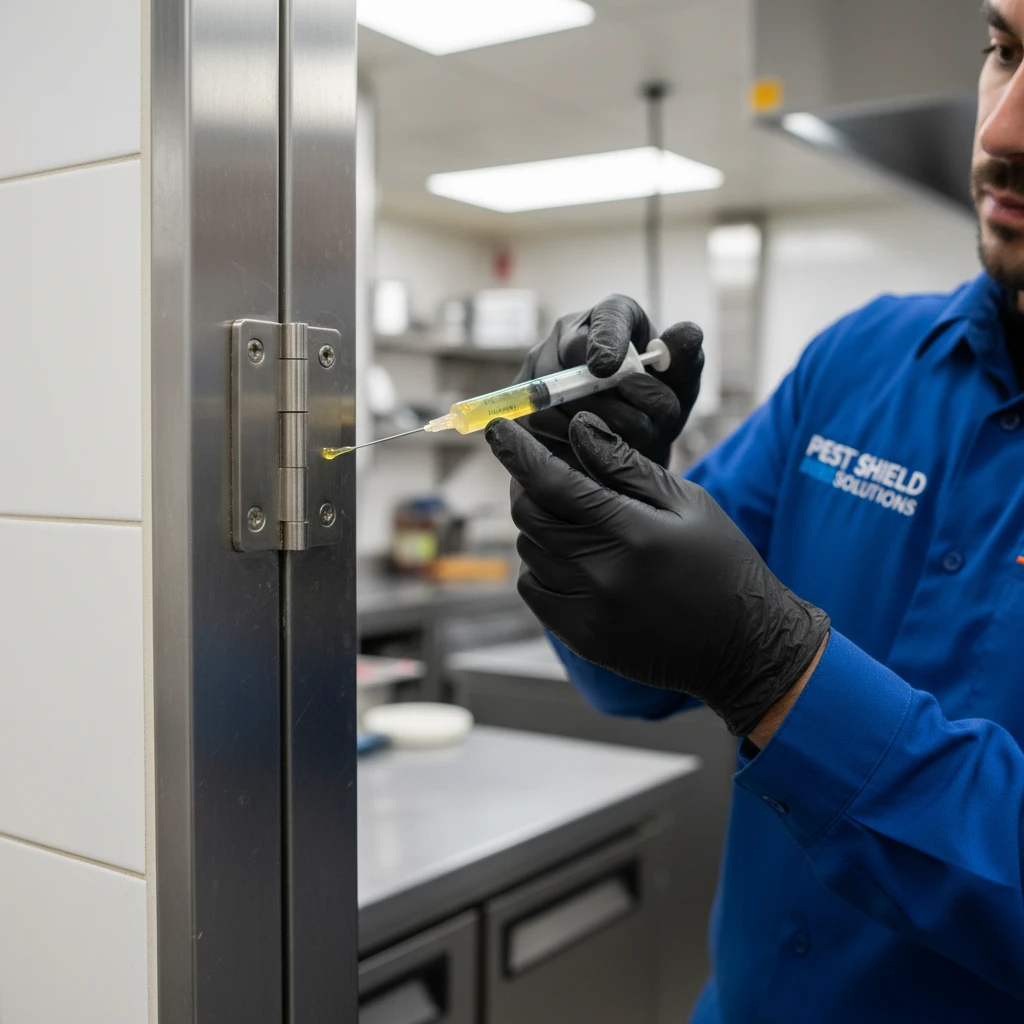
Gel baits are the gold standard for treating German cockroaches. These baits contain a food attractant mixed with a slow-acting insecticide (such as Fipronil or Imidacloprid). The mechanism is ingenious: cockroaches consume the bait and return to their harborage. Because the poison is slow-acting, they die within the nest. Other cockroaches then consume the carcass or feces of the poisoned roach (a behavior known as coprophagy), creating a “cascade effect” that can wipe out entire colonies from the inside out.
Residual Sprays and Barriers
For American Cockroach Solutions and perimeter defense, we utilize high-grade residual synthetic pyrethroids. These sprays dry onto surfaces, creating a microscopic minefield. When a cockroach crawls across a treated surface, the insecticide is absorbed through their cuticle, affecting their nervous system. We treat skirting boards, entry points, and window sills to prevent re-entry.
Insect Growth Regulators (IGRs)
To ensure long-term control, we often incorporate Insect Growth Regulators. These compounds mimic insect hormones and prevent juvenile cockroaches from maturing into reproducing adults. By sterilizing the population, we ensure that the infestation cannot bounce back after the initial treatment wears off.
Why DIY Methods Often Fail
Many Auckland homeowners attempt to tackle infestations with supermarket bug bombs or sprays before calling a professional. Unfortunately, these methods often exacerbate the problem.
The Flushing Effect: Aerosol bombs release a mist that settles on exposed surfaces. However, cockroaches hide deep in cracks where the mist cannot reach. The irritation caused by the fumes often drives them deeper into the walls or into neighboring rooms, spreading the infestation rather than eliminating it.
Resistance: German cockroaches reproduce so quickly that they evolve resistance to common over-the-counter pesticides. Professional exterminators use rotated chemical classes that are not available to the general public to overcome this resistance.
Our Guaranteed Cockroach Eradication Process
When you hire us for Cockroach Control in Auckland, you are investing in a comprehensive solution. Our process is rigorous and designed to provide peace of mind.
- Inspection: We begin with a thorough site assessment to identify the species, the extent of the infestation, and entry points.
- Customized Treatment Plan: Based on the inspection, we select the appropriate combination of gels, dusts, and sprays.
- Application: Our certified technicians apply treatments with precision, focusing on motor housings of appliances, under-sink cabinets, and warm voids.
- Monitoring: In commercial settings, we deploy glue boards to monitor activity levels post-treatment.
- Warranty: We stand by our work. Most of our comprehensive services come with a service warranty, meaning if the pests return within a specified period, so do we—at no extra cost.
Long-Term Prevention Strategies
Once the infestation is cleared, keeping cockroaches out requires diligence. Following professional Cockroach Prevention Tips is essential because prevention is always cheaper than cure.
- Sanitation: Eliminate food sources. clean grease from stovetops, sweep up crumbs immediately, and do not leave pet food out overnight.
- Moisture Control: Cockroaches can survive weeks without food but only days without water. Fix leaking taps and ensure your hot water cylinder cupboard is dry.
- Exclusion: Seal cracks in splashbacks, gaps around plumbing pipes, and crevices in skirting boards using silicone sealant.
- Declutter: Remove stacks of cardboard boxes and old newspapers, which provide ideal hiding spots and nesting materials.
For further reading on identifying household pests and management strategies, Wikipedia’s entry on Cockroaches provides an extensive biological overview.
Frequently Asked Questions
How much does cockroach control cost in Auckland?
The cost of cockroach control in Auckland varies based on the size of the property and the severity of the infestation. Standard treatments for a 3-bedroom home typically range between $180 and $300 NZD. Commercial quotes are customized based on square footage and frequency of service.
How long does it take to get rid of cockroaches?
With professional gel baiting, you will see a significant reduction within 7 to 14 days. Complete eradication of a severe German cockroach infestation may take 3 to 4 weeks as the bait cascades through the population and the lifecycle is broken.
Are the chemicals used safe for pets and children?
Yes, modern professional treatments are designed with safety in mind. Gel baits are applied in cracks and crevices inaccessible to pets and children. Once liquid sprays dry (usually within 2-4 hours), the area is safe to re-enter. Always follow the specific advice given by your technician.
Why do I see more cockroaches after treatment?
This is a common and positive sign known as the “flushing effect.” The treatment irritates the cockroaches, forcing them out of their hiding spots. This means the chemicals are working. These roaches will die shortly after exposure.
Do I need to leave my house during treatment?
For gel bait treatments, you usually do not need to leave. However, if a residual spray or misting is required, we typically recommend vacating the property for 3 to 4 hours to allow the product to dry and settle completely.
Can I clean my floor after pest control?
You should avoid mopping the edges of rooms or skirting boards for at least 2 weeks after treatment. Mopping can wash away the residual barrier we have applied, reducing the effectiveness of the protection against re-infestation.