Cockroach control in East Auckland is a professional pest management service that utilizes Integrated Pest Management (IPM) strategies to eliminate infestations. Effective treatment involves identifying specific species, such as German or Gisborne cockroaches, and applying targeted gel baits, residual sprays, and insect growth regulators to disrupt breeding cycles while ensuring safety for families and pets.
Living in East Auckland offers a beautiful lifestyle, from the beaches of Bucklands Beach to the bustling hubs of Botany and Howick. However, the region’s humid, coastal climate creates the perfect breeding ground for one of the most resilient household pests: the cockroach. Whether you reside in a classic villa in Howick or a modern new build in Flat Bush, cockroaches are an unwelcome reality that requires swift and decisive action.
This comprehensive guide explores everything you need to know about eliminating these pests, ensuring your home remains a sanctuary rather than a breeding ground for disease-carrying insects.
Identifying Cockroach Species in East Auckland
Effective pest control begins with accurate identification. In the East Auckland region, homeowners typically encounter a few specific varieties of cockroaches. Treating the wrong species with the wrong method can lead to wasted money and continued infestations.

The German Cockroach (Blattella germanica)
This is the most problematic species for residential properties. Small, light brown, and possessing two dark parallel stripes on their pronotum (the shield behind the head), German cockroaches are indoor pests. They crave warmth and moisture, making your kitchen motor, dishwasher, and hot water cylinder cupboard their preferred habitats. They reproduce at an alarming rate; a single female can produce up to 30,000 offspring in a year. If you see one during the day, it usually indicates a severe infestation hidden within the walls.
The Gisborne Cockroach (Drymaplaneta semivitta)
Often mistaken for a more sinister threat due to their large size, the Gisborne cockroach is actually a native outdoor species that wanders inside by mistake. They are dark brown to black with a distinctive white stripe along their sides. Unlike the German cockroach, they do not typically infest food prep areas but are often found in wood chips, bark gardens, and damp subfloors. While less hygienic than a butterfly, they are significantly less dangerous than their German counterparts.
The American Cockroach (Periplaneta americana)
The largest of the common house-infesting roaches, these are reddish-brown and can fly. They are often associated with drains and sewers. In East Auckland, these are less common inside modern homes but can be found in basements, garages, and older properties near municipal drainage systems.
The Health Risks of Infestations
Ignoring a cockroach problem is not an option due to the severe health implications. Cockroaches are vectors for a multitude of pathogens. As they scavenge through sewage and decaying matter, they pick up bacteria on their legs and bodies, which are then transferred to your countertops, cutlery, and food.
According to the New Zealand Ministry of Health, cockroaches can spread diseases such as Salmonella, E. coli, and Staphylococcus. Furthermore, their droppings, saliva, and shedding skins contain potent allergens. For families in East Auckland with asthmatic children or elderly relatives, a cockroach infestation can trigger severe respiratory attacks and allergic reactions.
Professional Cockroach Control Methods
When you hire a professional for cockroach control in East Auckland, you are paying for expertise and access to commercial-grade products that are not available at the local supermarket. The “spray and pray” method is outdated; modern technicians use a strategic, multi-faceted approach.
Gel Baiting Technology
Gel baits are the gold standard for treating German cockroaches. These baits contain a slow-acting poison mixed with a highly attractive food source. The roaches consume the bait and return to their harborage areas. Because cockroaches are cannibalistic and coprophagic (they eat feces), the poison is passed through the population in a “cascade effect.” One poisoned roach can eliminate dozens of others deep inside the wall cavities where sprays cannot reach.
Insect Growth Regulators (IGRs)
To stop the cycle of re-infestation, professionals use Insect Growth Regulators. These synthetic hormones mimic the insect’s natural biology, preventing nymphs from maturing into breeding adults. Essentially, it sterilizes the future population, ensuring that once the current generation dies off, there are no replacements.
Residual Synthetic Pyrethroids
For perimeter defense and outdoor species like the Gisborne cockroach, technicians apply a residual barrier spray. When insects cross this treated zone, they absorb the product through their exoskeleton. Modern synthetic pyrethroids are designed to be effective against insects while having low toxicity to mammals once dry.
Safe Treatments for Family Homes
Safety is the primary concern for most homeowners in suburbs like Pakuranga and Cockle Bay. The days of fumigating a house with toxic gas that requires you to vacate for days are largely gone for standard infestations.
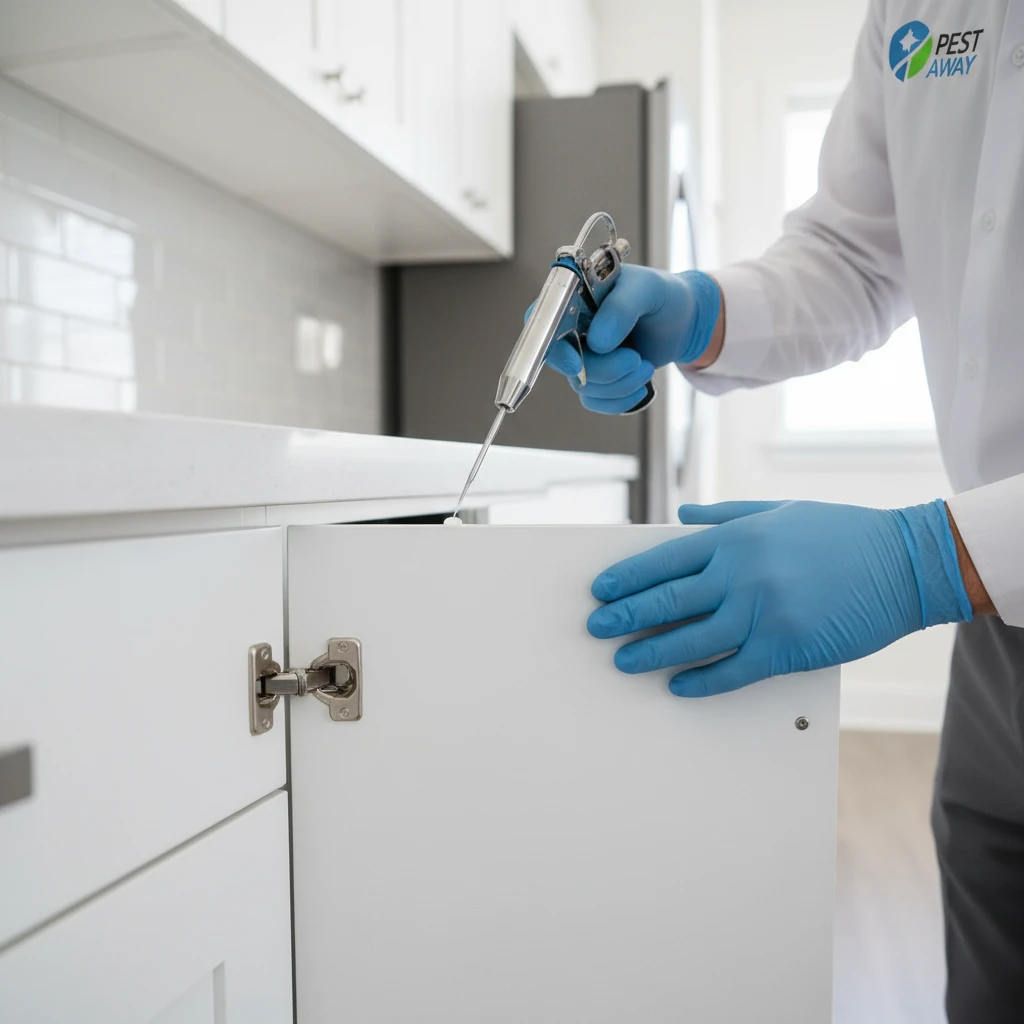
Modern Integrated Pest Management (IPM) focuses on target-specific treatments. Because gel baits are applied in cracks and crevices (like hinge mechanisms and behind appliances), they are inaccessible to curious toddlers and pets. Furthermore, the volume of active ingredient used is minuscule compared to aerosol bombs.
When liquid sprays are necessary, technicians in East Auckland adhere to strict EPA guidelines. Generally, you only need to vacate the premises while the treatment is being applied and until it is fully dry—usually a period of 3 to 4 hours. Once dry, the product bonds to the surface and presents negligible risk to pets walking over it.
Seasonal Spikes in Cockroach Activity
Cockroach activity in Auckland is not constant year-round; it fluctuates with the seasons. Understanding this cycle can help you time your treatments for maximum efficacy.
Summer (December – February): This is peak season. The heat and humidity accelerate the metabolic rate of cockroaches, leading to faster breeding and increased hunger. This is when you will see the most activity and when professional services are in highest demand.
Autumn (March – May): As temperatures begin to drop, outdoor species like the Gisborne and American cockroaches seek warmth. This is the time when they migrate indoors, looking for shelter for the coming winter. Perimeter barrier treatments are most effective during this window to stop the invasion.
Winter (June – August): German cockroaches are active year-round indoors because our homes are climate-controlled. However, their reproduction may slow slightly. Winter is an excellent time to treat German roaches because the population is more contained.
Why DIY Bombs Often Fail
Many homeowners in East Auckland attempt to resolve infestations using “bug bombs” or foggers purchased from hardware stores. While these products may kill the roaches that are out in the open, they rarely solve the problem and can often make it worse.
The Repellent Effect: Most consumer-grade bombs use pyrethrins, which act as a repellent. When released, the gas irritates the cockroaches, causing them to scatter deeper into the walls and spread to other rooms where they previously weren’t present. This fragments the infestation, making it harder to treat later.
Lack of Residual: Foggers do not leave a long-lasting residue. Once the air clears, the protection is gone. Eggs that hatch a few days later will survive and restart the infestation.
Resistance: German cockroaches are notoriously adaptable. Many populations have developed genetic resistance to the common chemicals found in over-the-counter sprays.
Preparing Your Home for Treatment
To get the best results from your cockroach control service in East Auckland, preparation is key. A prepared home allows the technician to access all critical areas and ensures the treatment bonds effectively to surfaces.
- Clean the Kitchen: Eliminate competing food sources. Wipe down countertops, sweep under the fridge, and clean up grease spills. If the roaches have plenty of food crumbs, they are less likely to eat the gel bait.
- Declutter: Cockroaches love clutter. Remove stacks of newspapers, cardboard boxes, and excess bags where they might be hiding.
- Cover Food and Utensils: While treatments are safe, it is best practice to store open food in airtight containers and cover toothbrushes or cutlery.
- Pet Management: Plan to take your dogs for a long walk or have a neighbor watch them during the treatment and drying period. Fish tanks should be covered and air pumps turned off to prevent airborne particles from entering the water.
Local Technician Availability in East Auckland
Finding a reliable pest control provider who understands the local geography is essential. East Auckland presents unique challenges; for example, the older wooden joinery in Howick villas offers different hiding spots compared to the brick-and-tile homes in Dannemora.
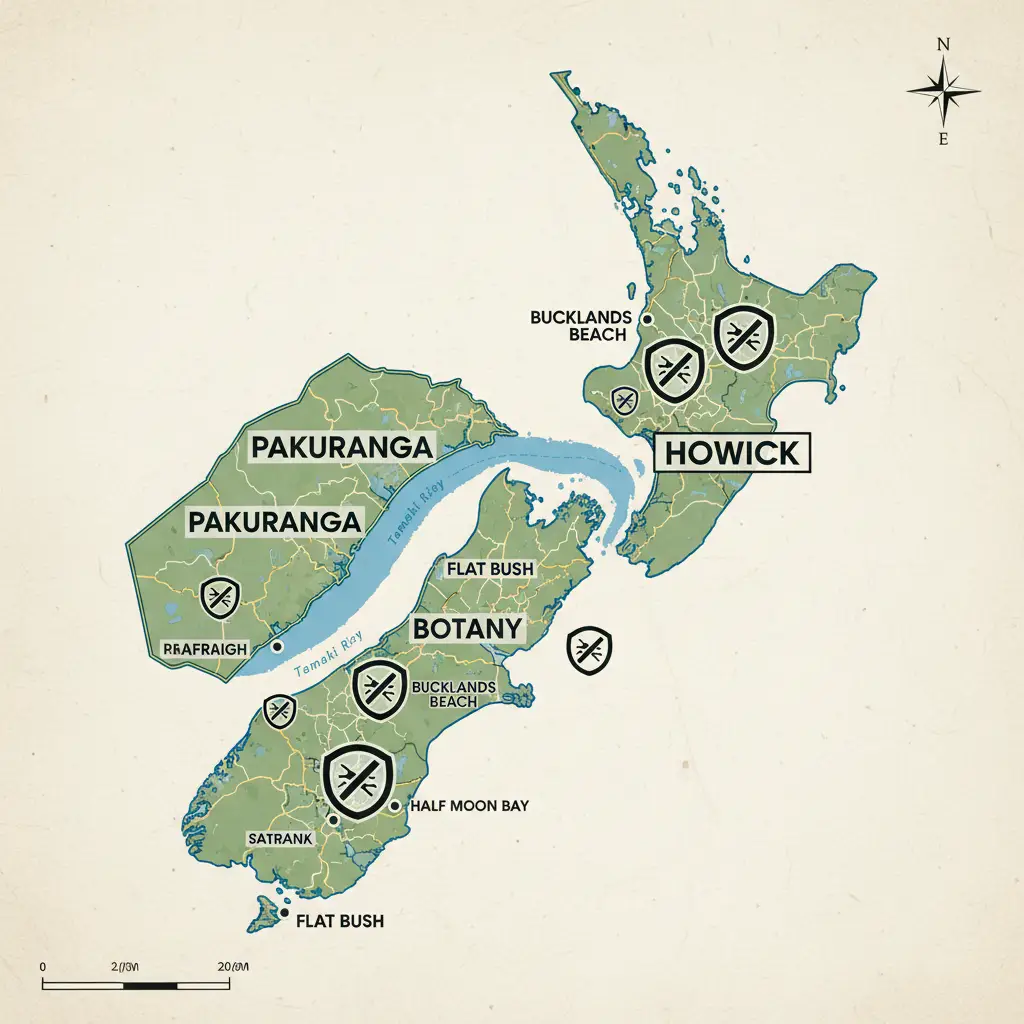
Top-tier pest control companies service the entire East Auckland region, including:
- Howick & Bucklands Beach: Coastal areas often see higher Gisborne cockroach activity due to vegetation.
- Botany Downs & Dannemora: High-density housing can facilitate the spread of German cockroaches between units.
- Pakuranga & Highland Park: Established suburbs where older plumbing can sometimes be an entry point.
- Flat Bush & Ormiston: Rapidly developing areas where construction disturbance can displace pests into new homes.
- Whitford & Clevedon: Rural properties requiring specialized treatments for septic systems and outbuildings.
When booking a technician, ensure they are certified and carry the appropriate handlers’ licenses. A local technician will be familiar with the specific micro-climates and building styles of the East, allowing for a more tailored and effective eradication strategy.
Frequently Asked Questions
Below are common questions regarding cockroach control in the East Auckland area.
How much does cockroach control cost in East Auckland?
The cost typically ranges from $180 to $350 NZD, depending on the size of the property and the severity of the infestation. Standard preventative treatments are cheaper than eradicating a heavy German cockroach infestation.
Is the treatment safe for my pets and children?
Yes, when applied by a professional. Modern treatments use targeted gel baits and low-toxicity sprays. You will generally need to vacate the house for 3-4 hours to allow sprays to dry, after which it is safe for pets and children to return.
How long does it take to get rid of cockroaches?
For German cockroaches, you should see a significant reduction within 1-2 weeks as the gel bait takes effect. Complete eradication may take 3-4 weeks and occasionally requires a follow-up treatment to catch newly hatched nymphs.
Do I need to leave my house during the treatment?
If a liquid spray is used, yes, usually for about 4 hours. If the technician is only using gel baits (common for minor localized infestations), you may not need to leave at all.
Why do I still see cockroaches after treatment?
This is normal. The “flushing” effect of some treatments forces roaches out of hiding. Also, poisoned roaches may wander disoriented before dying. If activity persists after 3 weeks, contact your provider.
Can cockroaches come back after treatment?
Yes, if hygiene issues aren’t addressed or if they are reintroduced (e.g., inside cardboard boxes or appliances). Regular annual treatments and sealing entry points help prevent re-infestation.