Commercial pest control in Auckland offers specialised, proactive, and reactive solutions designed to protect businesses from the significant threats posed by pests. These services are crucial for maintaining hygiene, safeguarding reputation, ensuring compliance with health regulations, and preventing structural damage, thereby securing operational continuity and staff well-being in a range of commercial environments.
Industry-Specific Pest Management in Auckland
Auckland’s diverse commercial landscape, from bustling hospitality venues to expansive industrial warehouses, presents unique challenges for pest management. A one-size-fits-all approach is rarely effective. Instead, commercial pest control demands tailored strategies that account for the specific risks, regulatory requirements, and operational intricacies of each industry. Understanding these nuances is paramount to developing an effective pest management plan that not only eradicates existing infestations but also prevents future occurrences.
Hospitality: Restaurants, Cafes, and Hotels
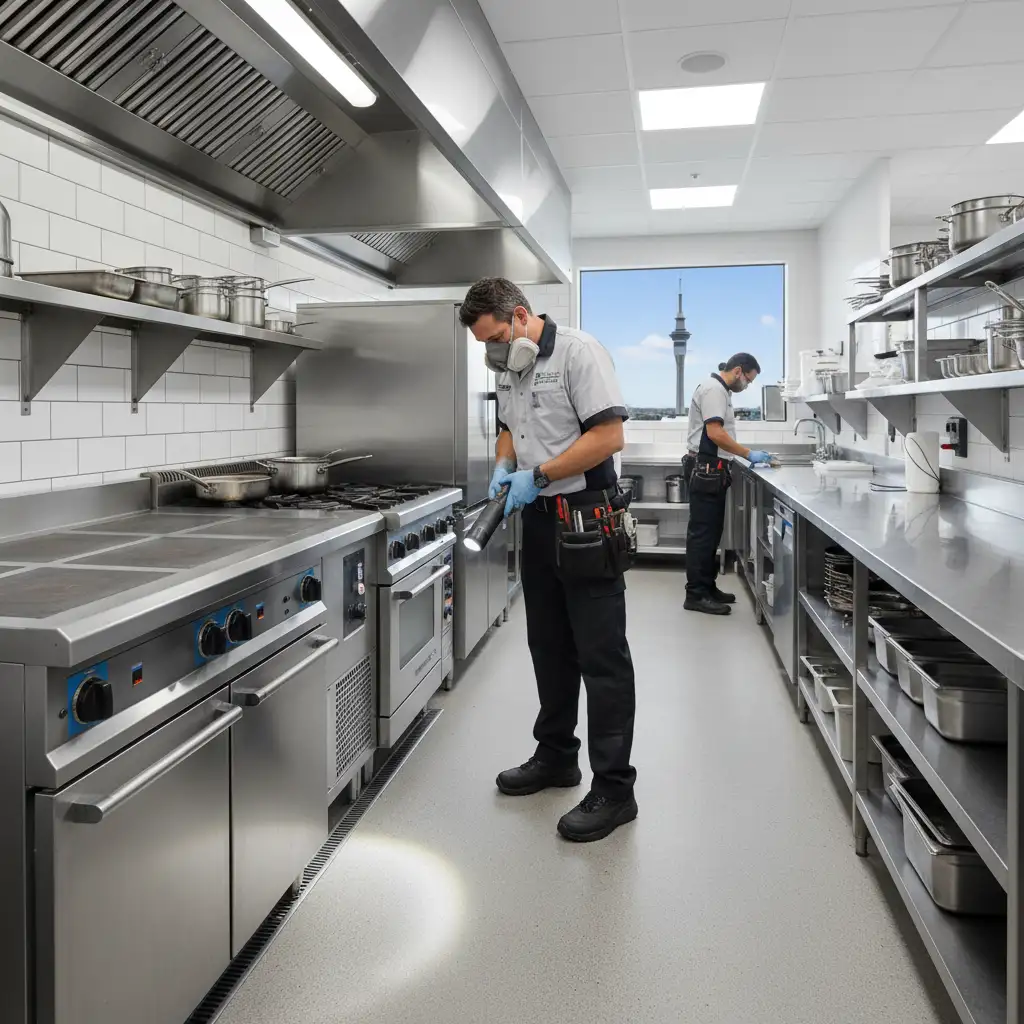
The hospitality sector is particularly vulnerable to pest issues due to the constant presence of food, water, and shelter, making it a prime target for rodents, cockroaches, flies, and ants. An infestation can lead to immediate reputational damage, significant financial losses through closures or fines, and severe health risks for patrons and staff. Effective pest control in these environments requires discretion, rapid response, and adherence to strict food safety standards. Regular inspections, integrated pest management (IPM) strategies focusing on prevention, and discreet treatment methods are essential to protect brand image and public health.
Retail and Warehousing
Retail stores and warehouses, especially those dealing with food products or textiles, face challenges from pests like rodents, stored product insects, and fabric pests. These pests can damage inventory, contaminate goods, and deter customers, leading to considerable financial losses. For warehouses, the sheer scale and movement of goods provide ample opportunities for pests to enter and establish themselves. Pest control here focuses on perimeter defence, regular monitoring of storage areas, and implementing strategies that protect inventory without disrupting supply chains. Integrated Pest Management (IPM) is crucial, emphasising sanitation, exclusion, and targeted treatments.
Healthcare and Education Facilities
Hospitals, clinics, schools, and daycare centres are environments where hygiene is paramount, and the presence of pests is utterly unacceptable. Pests in these settings can spread diseases, trigger allergies, and create an unsafe environment for vulnerable populations, including patients, children, and staff. Pest control must be extremely cautious, utilising non-toxic or low-toxicity methods where possible, and adhering to stringent health and safety regulations. Discretion, minimal disruption, and regular, thorough monitoring are critical to maintaining sterile and safe environments.
Office Buildings
While often perceived as less susceptible, office buildings can still harbour pests such as rodents, cockroaches, and ants, especially in staff kitchens, break rooms, and waste disposal areas. An infestation can reduce employee morale, productivity, and project an unprofessional image to clients. Pest control for office buildings focuses on discreet, proactive measures that prevent pests from establishing colonies, ensuring a comfortable and professional working environment. This often involves strategic baiting, trapping, and exclusion techniques applied during off-hours.
Food Processing and Manufacturing
Businesses involved in food processing and manufacturing operate under the strictest hygiene standards. The presence of any pest can lead to severe product contamination, costly recalls, regulatory fines, and permanent damage to a brand’s reputation. Pest control in these facilities demands an exceptionally rigorous and proactive approach, often involving continuous monitoring, advanced exclusion techniques, and comprehensive documentation for audits. Adherence to HACCP principles and other food safety certifications is non-negotiable, requiring a highly specialised and experienced pest control partner. More information on food safety regulations in New Zealand can often be found through organisations like MPI (Ministry for Primary Industries).
Why Businesses Need Professional Pest Control
The decision to invest in professional commercial pest control extends far beyond simple nuisance removal; it is a critical business imperative. The ramifications of pest infestations can ripple through every aspect of an operation, affecting financial stability, legal standing, and public perception. Engaging expert pest control services is a strategic move that safeguards a business’s long-term viability and success.
Protecting Reputation and Brand Image
For any business, reputation is everything. A single sighting of a pest by a customer or client can irrevocably damage years of brand building. Word-of-mouth and online reviews can quickly spread negative experiences, leading to a significant loss of trust and patronage. Professional pest control offers a proactive defence, ensuring that premises remain pest-free, thereby preserving the integrity and positive image of the business in the eyes of the public and stakeholders.
Health and Safety Compliance
In Auckland, businesses are legally obligated to provide a safe and healthy environment for their employees and customers. Pests are vectors for numerous diseases, can cause allergic reactions, and create unsanitary conditions. Non-compliance with health and safety regulations, such as those enforced by local councils or the Health and Safety at Work Act (HSWA), can result in hefty fines, legal action, and forced closures. Professional pest control ensures that businesses meet these stringent standards, mitigating health risks and avoiding legal pitfalls.
Financial Implications of Infestations
The financial cost of a pest infestation can be staggering. Beyond immediate treatment expenses, businesses can incur losses from damaged inventory, contaminated products, structural damage to premises, lost revenue due to closures, and decreased productivity from staff dealing with pest issues. In the food industry, product recalls alone can cost millions. Investing in preventative commercial pest control is a cost-effective strategy that prevents these extensive and often unforeseen financial burdens.
Preventing Structural Damage
Certain pests, such as termites and rodents, can cause significant structural damage to buildings. Termites can compromise wooden structures, while rodents can gnaw through electrical wiring, plumbing, and insulation, leading to expensive repairs and potential fire hazards. Regular professional inspections and treatments can identify and address these threats early, protecting the physical assets of a business and extending the lifespan of its infrastructure.
Peace of Mind and Business Continuity
Business owners and managers have countless responsibilities. Worrying about pest infestations adds unnecessary stress and diverts attention from core operations. Professional pest control services provide peace of mind, knowing that experts are managing potential pest threats effectively. This allows businesses to focus on their primary objectives, ensuring uninterrupted operations and sustained growth.

Our Comprehensive Commercial Pest Control Process
Effective commercial pest control is not a one-time event but a continuous process built on thorough assessment, tailored solutions, expert execution, and ongoing vigilance. A reputable pest control provider in Auckland will follow a structured methodology to ensure comprehensive and sustainable pest management for your business.
Comprehensive Inspection and Assessment
The first critical step involves a detailed inspection of your commercial premises. This goes beyond merely identifying visible pests. Experts will assess the entire environment, looking for signs of pest activity, potential entry points, harborage areas, conducive conditions (like moisture or food sources), and any structural vulnerabilities. This thorough assessment forms the foundation for a truly effective pest management plan, taking into account the unique layout and operational flow of your Auckland business.
Tailored Treatment Plans
Based on the initial inspection, a customised pest control plan is developed. This plan considers the specific pests identified, the severity of the infestation, your industry’s unique requirements, and any regulatory compliance. It outlines the most appropriate treatment methods, frequency of service, and preventative measures. The aim is always to provide a targeted, efficient, and discreet solution that minimises disruption to your business operations while maximising pest eradication.
Implementation and Execution
With a strategic plan in place, experienced technicians execute the treatment. This can involve a range of techniques, including baiting, trapping, spraying, exclusion methods (sealing entry points), and habitat modification. All treatments are carried out with precision, adhering to the highest safety standards and utilising approved, effective products. Discretion is key, particularly in customer-facing businesses, ensuring that services are performed with minimal impact on your daily activities.
Ongoing Monitoring and Prevention
Pest control is an ongoing commitment. After initial treatments, regular monitoring and follow-up services are crucial to ensure long-term effectiveness. Technicians will inspect for any returning pest activity, reassess conditions, and make adjustments to the plan as needed. This proactive approach focuses on preventing future infestations by implementing continuous preventative measures, often integrated into an overall Integrated Pest Management (IPM) strategy.
Detailed Reporting and Communication
Transparency and clear communication are vital. A professional pest control service will provide detailed reports after each visit, outlining findings, treatments applied, and recommendations for your staff (e.g., sanitation improvements, structural repairs). Regular communication ensures you are always informed about the status of your pest management program and can actively participate in maintaining a pest-free environment.
Compliance & Safety Standards for Auckland Businesses
Operating a commercial enterprise in Auckland means adhering to a complex web of regulations designed to protect public health, safety, and the environment. When it comes to pest control, compliance is not merely a recommendation; it is a legal and ethical obligation. Partnering with a pest control provider that understands and upholds these standards is critical for any business.
New Zealand Regulatory Landscape
New Zealand has robust regulations governing public health, food safety, and workplace safety. Businesses must comply with various acts and bylaws, many of which indirectly or directly relate to pest management. For instance, food businesses are subject to strict hygiene standards under the Food Act 2014, requiring effective pest control measures. Councils, such as Auckland Council, also enforce local bylaws related to nuisance and public health, which can include pest infestations. Navigating this landscape requires expertise and a commitment to best practices.
Health & Safety at Work Act (HSWA)
The Health and Safety at Work Act 2015 places primary duty of care on Persons Conducting a Business or Undertaking (PCBUs) to ensure, so far as is reasonably practicable, the health and safety of workers and other persons affected by their work. This includes managing risks associated with pests, such as disease transmission or slips caused by pest debris. A professional pest control service will help businesses meet their obligations under HSWA by implementing safe and compliant pest management strategies that mitigate risks to health and safety.
Integrated Pest Management (IPM) Principles
Modern commercial pest control increasingly relies on Integrated Pest Management (IPM). IPM is an environmentally sensitive approach that focuses on long-term prevention of pests through a combination of techniques, such as biological control, habitat manipulation, modification of cultural practices, and use of resistant varieties. Pesticides are used only when needed and in a manner that minimises risks to human health, beneficial and non-target organisms, and the environment. An IPM approach prioritises non-chemical solutions, reduces reliance on broad-spectrum pesticides, and promotes sustainable pest management.
Environmentally Responsible Practices
Auckland businesses are increasingly conscious of their environmental footprint, and pest control practices should reflect this commitment. Reputable pest control providers utilise methods and products that are effective yet environmentally responsible. This includes selecting products with minimal impact on non-target species, proper waste disposal, and employing techniques that reduce chemical usage. Adherence to environmental regulations and promoting eco-friendly solutions is a hallmark of a world-class pest control service. Information on environmental protection in New Zealand can be found via the Ministry for the Environment.
Choosing a Compliant Provider
When selecting a commercial pest control provider in Auckland, it’s crucial to verify their credentials, certifications, and understanding of local and national regulations. Ensure they are licensed, insured, and their technicians are trained in the latest safety protocols and treatment methodologies. A compliant provider will not only protect your business from pests but also shield you from potential legal issues and ensure your operations uphold the highest standards of health, safety, and environmental responsibility.
Protecting your Auckland business from pests is a non-negotiable aspect of responsible management. From safeguarding your brand and ensuring regulatory compliance to preventing financial losses and structural damage, the benefits of professional commercial pest control are profound. By partnering with a reputable, experienced provider, your business can maintain a pristine, healthy, and secure environment, allowing you to focus on what you do best: thriving in the vibrant Auckland market. Invest in comprehensive commercial pest control solutions today to secure your business’s future and uphold its reputation.
People Also Ask
What types of businesses require commercial pest control in Auckland?
All types of businesses in Auckland can benefit from commercial pest control, but it’s particularly critical for industries like hospitality (restaurants, hotels), food processing, retail, healthcare facilities, warehouses, and educational institutions due to strict hygiene standards, product integrity, or public health concerns.
How often should a commercial property in Auckland be inspected for pests?
The frequency of commercial pest inspections in Auckland depends on the industry, the specific business’s risk level, and previous pest activity. High-risk businesses like food service or healthcare may require monthly or quarterly inspections, while others might be suitable for biannual checks. A professional assessment will determine the optimal schedule.
What is Integrated Pest Management (IPM) and why is it important for businesses?
Integrated Pest Management (IPM) is a sustainable approach to pest control that focuses on long-term prevention. It combines various methods like biological control, habitat modification, exclusion, and sanitation, using pesticides only when necessary and with minimal environmental impact. IPM is crucial for businesses as it reduces chemical exposure, ensures compliance, and provides more effective, long-term pest solutions.
Can DIY pest control methods be effective for commercial businesses?
DIY pest control methods are generally not recommended for commercial businesses. Commercial infestations are often more complex and widespread than residential ones, requiring specialised knowledge, professional-grade products, and adherence to regulations. Inadequate DIY attempts can lead to escalating infestations, health risks, reputational damage, and non-compliance with health and safety standards.
What are the signs that my Auckland business needs professional pest control?
Common signs your Auckland business needs professional pest control include visible pests (live or dead), droppings, gnaw marks on structures or products, unusual odours, pest nests or webs, damaged packaging, or customer/employee complaints about pest sightings. Any persistent sign warrants immediate professional assessment.
How do commercial pest control services ensure safety for staff and customers?
Reputable commercial pest control services prioritise safety by using targeted, low-toxicity treatments where possible, applying products discreetly during off-hours, clearly communicating safety protocols, and adhering to strict industry standards. They also implement Integrated Pest Management (IPM) to minimise chemical use and provide detailed safety data sheets for all products used, ensuring minimal risk to staff and customers.