Common household pests in Auckland encompass a range of unwanted visitors like ants, cockroaches, rodents, and spiders, posing nuisances and potential health risks to homeowners. Understanding these pests is crucial for effective prevention and management, ensuring a safe and comfortable living environment throughout the region.
Understanding Auckland’s Pest Landscape
Auckland, with its subtropical climate, diverse urban and suburban environments, and close proximity to natural bushland and the coast, provides an ideal habitat for a wide array of household pests. The warm, humid summers and mild winters mean that pest activity can be a year-round concern for residents. From the bustling central business district to the leafy North Shore suburbs and the more rural fringes, every corner of Auckland can experience unique challenges with various insects and rodents. The city’s rapid expansion and development also mean that natural habitats are often disturbed, pushing wildlife and pests into residential areas in search of food and shelter. Understanding the specific types of pests prevalent in Auckland and their behavioural patterns is the first step towards effective pest management, allowing homeowners to implement targeted prevention strategies and know when to seek professional assistance. This comprehensive guide will equip Auckland residents with the knowledge to identify, prevent, and manage the most common household pests that might try to share their homes.
Frequently Encountered Household Pests in Auckland
Auckland’s unique environmental conditions contribute to a specific ecosystem of household pests. While some are merely annoying, others can pose significant health risks or cause structural damage. Knowing what to look for and understanding the threats each pest presents is vital for maintaining a healthy and safe home.
Ants: The Tiny Invaders
Ants are arguably one of the most ubiquitous pests in Auckland homes, particularly during warmer months. Species like the White-footed House Ant, Argentine Ant, and Black House Ant are common. They are primarily attracted to food sources, especially sweet and greasy substances, and can quickly establish trails from outdoors to indoors. While generally harmless in terms of health risks, their sheer numbers can be a nuisance, contaminating food preparation areas and pantry items. Argentine ants, in particular, are known for their supercolonies, making them incredibly difficult to eradicate without professional intervention. Signs of an ant infestation include visible trails on benchtops, floors, and walls, especially near food, and small piles of excavated soil near entry points or cracks.
Cockroaches: Resilient and Unhygienic
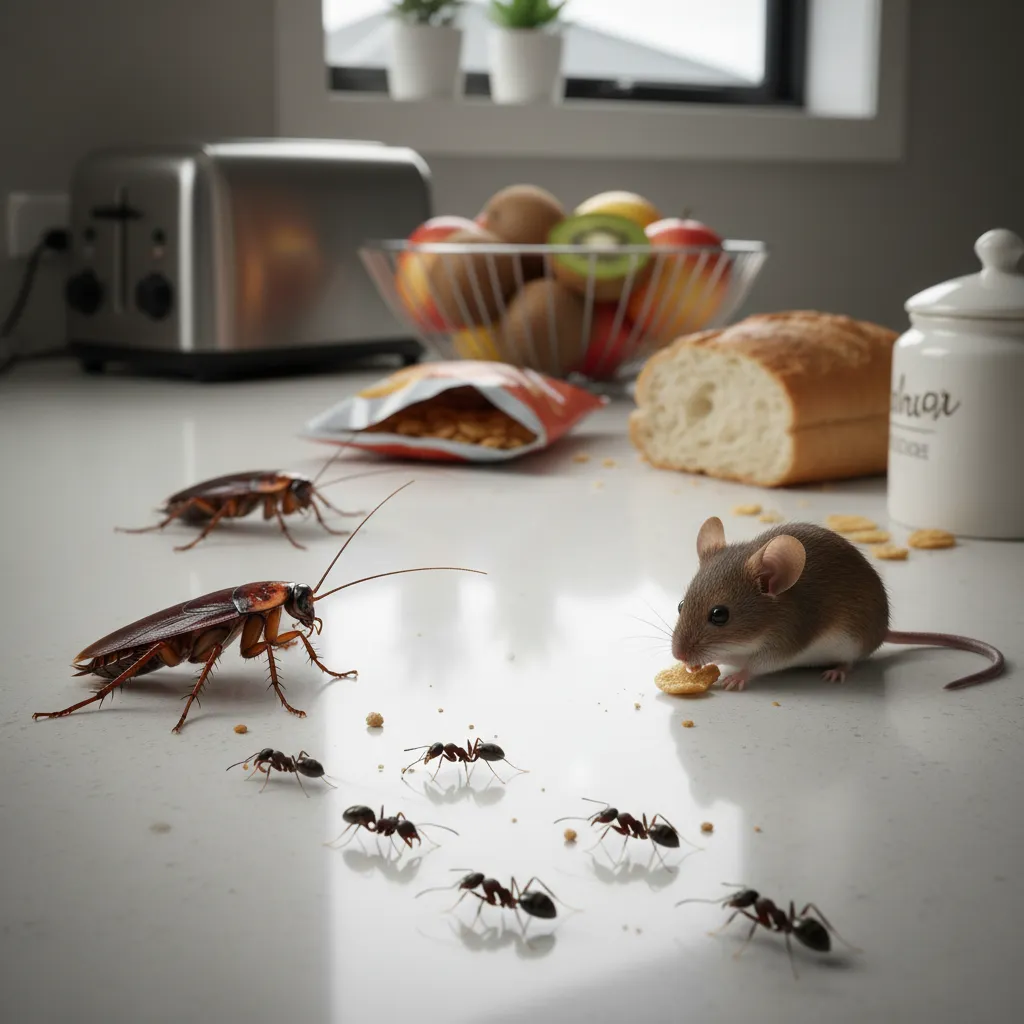
Cockroaches are perhaps one of the most feared and resilient household pests. In Auckland, species like the German Cockroach, American Cockroach, and Oriental Cockroach are prevalent. They thrive in warm, humid, and dark environments, making kitchens, bathrooms, and laundries prime locations. Cockroaches are nocturnal, so seeing them during the day often indicates a significant infestation. These pests are not just unsightly; they are known carriers of bacteria, viruses, and parasites, capable of contaminating food and surfaces. They can trigger allergies and asthma, particularly in children. Signs of cockroaches include droppings resembling coffee grounds or black pepper, shed skins, egg casings (oothecae), and a distinct musty odour in heavily infested areas.
Rodents: Rats and Mice in the City of Sails
Rats (Norway Rat, Ship Rat) and mice (House Mouse) are a persistent problem across Auckland, especially in areas with older homes, dense populations, or close proximity to green spaces. These highly adaptable creatures seek shelter, food, and water indoors, particularly as temperatures drop. Rodents pose significant health risks, as they can transmit diseases like leptospirosis, salmonella, and hantavirus through their droppings, urine, and bites. Beyond health concerns, they can cause extensive property damage by gnawing on electrical wires, plumbing, wooden structures, and insulation, which can lead to fire hazards or costly repairs. Signs of a rodent infestation include droppings (small, dark pellets), gnaw marks on food packaging or structures, scratching noises in walls or ceilings, and visible tracks or runways in dusty areas.
Spiders: The Eight-Legged Residents
Auckland is home to numerous spider species, most of which are harmless and beneficial as they prey on other insects. Common house spiders include the Grey House Spider, Whitetail Spider, and the Daddy Long-legs Spider. While most bites are minor, the Whitetail Spider’s bite can cause localized pain, swelling, and sometimes necrosis, though severe reactions are rare. Redback Spiders, an introduced species, are also present and their bite requires medical attention. Spiders often build webs in quiet, undisturbed areas like corners, eaves, and window frames. An increase in cobwebs and visible spiders, especially in less-frequented areas, can indicate a growing population. Regular cleaning and sealing entry points can help deter them.
Fleas and Bed Bugs: Unwanted Biting Guests
Fleas are a common problem for homes with pets, but they can also affect homes without animals if previous occupants had pets or if wild animals enter the property. Flea bites cause itchy red welts, primarily around ankles and lower legs. They can also transmit diseases to pets. Bed bugs, on the other hand, are highly insidious. They feed on human blood, typically at night, and hide in mattresses, bed frames, furniture, and cracks during the day. Their bites often appear in lines or clusters, causing itchy red bumps. Identifying bed bugs requires careful inspection for tiny rust-coloured stains on bedding, shed skins, or the bugs themselves. Both fleas and bed bugs require diligent and often professional treatment due to their ability to hide and reproduce rapidly.
Silverfish and Borer: Structural and Paper Threats
Silverfish are nocturnal, wingless insects attracted to damp, dark environments and carbohydrates. They feed on starches found in books, paper, wallpaper paste, fabric, and food items like flour. While not a health threat, they can cause significant damage to valuable documents and clothing. Signs include small holes, irregular feeding marks, and yellowish stains on affected items, often accompanied by their shed skins. Borer, specifically the Common Furniture Beetle (Anobium punctatum), is a major concern in Auckland homes, particularly older timber structures. These beetles lay eggs in timber, and the larvae tunnel through the wood for years before emerging as adult beetles, leaving behind characteristic ‘shot-holes’ and fine powdery dust (frass). Untreated borer infestations can severely compromise the structural integrity of a building. Regular inspections of timber structures are crucial.
Wasps and Bees: Seasonal Stinging Hazards
While bees are essential pollinators and should be protected, both wasps and bees can pose a threat when they nest too close to human activity. In Auckland, introduced species like the German Wasp and Common Wasp are particularly aggressive, especially in late summer and autumn when food sources diminish. They can build nests in wall cavities, trees, or underground. Wasp stings are painful and can be dangerous for individuals with allergies. Bees generally only sting if provoked or if their hive is threatened. Identifying the type of insect and the location of the nest is crucial for safe management. If a nest is located in or very near your home, professional removal is highly recommended to avoid stings and ensure the safety of your family and pets.
Proactive Pest Prevention Strategies
The most effective way to manage household pests in Auckland is through proactive prevention. By adopting a comprehensive approach that focuses on eliminating food, water, and shelter, homeowners can significantly reduce the likelihood of infestations. These strategies are often simple to implement but require consistency.
Sanitation and Hygiene
Maintaining a high level of cleanliness is paramount. Pests are primarily attracted to readily available food sources and debris. This means:
- Regular Cleaning: Wipe down kitchen surfaces daily, vacuum or sweep floors frequently, and clean under appliances (refrigerators, stoves) where crumbs and spills can accumulate.
- Dish Management: Do not leave dirty dishes in the sink overnight. Wash them immediately or place them in a sealed dishwasher.
- Pet Food: Store pet food in airtight containers and clean pet bowls regularly. Do not leave pet food out overnight.
- Rubbish Disposal: Use bins with tight-fitting lids both indoors and outdoors. Empty indoor bins daily, especially kitchen waste, and ensure outdoor bins are securely closed and placed away from the house.
These practices eliminate easy meals for ants, cockroaches, and rodents, making your home less appealing.
Sealing Entry Points
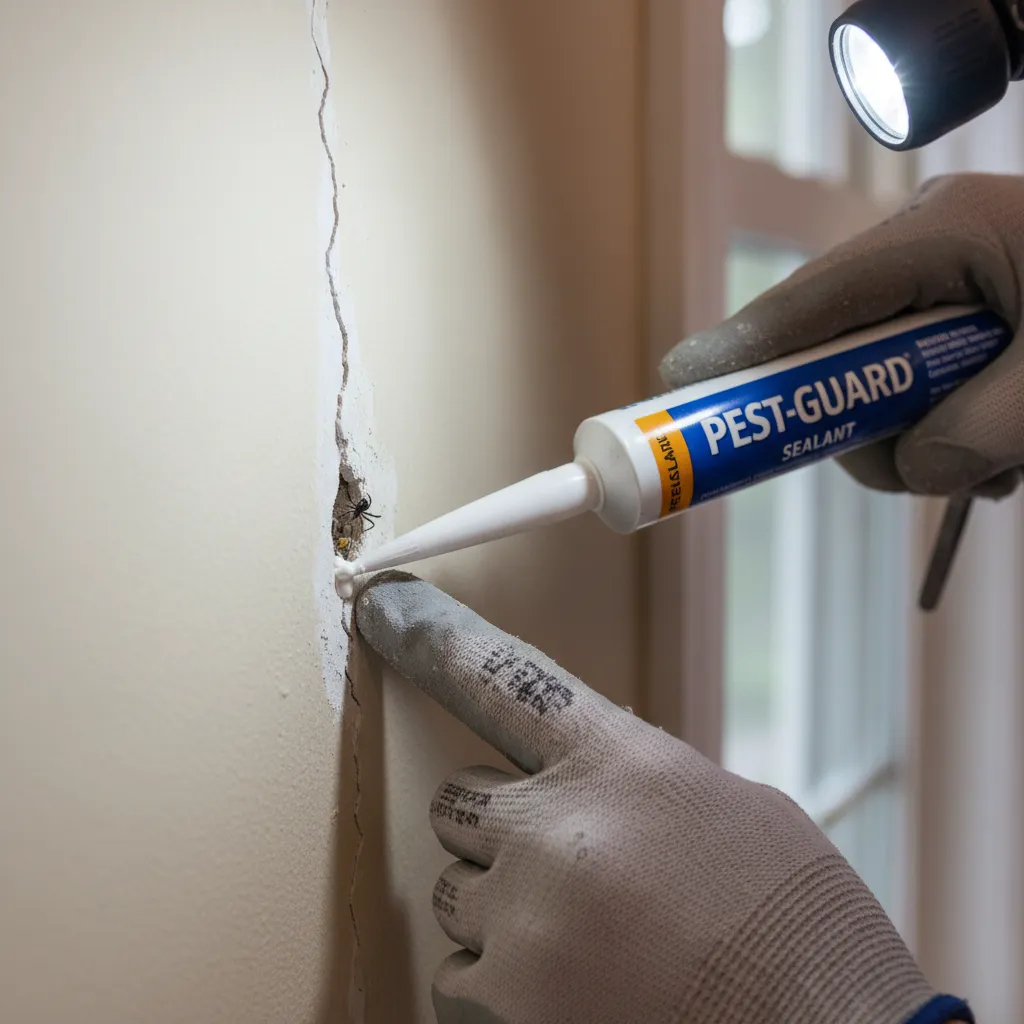
Pests only need a tiny crack or gap to enter your home. Thoroughly inspecting your property and sealing potential entry points can create a robust barrier. Focus on:
- Cracks and Crevices: Seal cracks in foundations, walls, and around utility pipes (e.g., under sinks, where cables enter the house) with caulk or appropriate sealants.
- Doors and Windows: Install weatherstripping around doors and windows to eliminate gaps. Repair or replace torn window and door screens. Ensure doors fit snugly in their frames.
- Vents and Chimneys: Cover vents with fine mesh screens and ensure chimney caps are in good repair.
- Roof and Attic: Check for damaged roof tiles or gaps around fascia boards that rodents or birds might exploit. Trim tree branches that provide easy access to the roof.
For more information on general pest management and biosecurity in New Zealand, resources like the Auckland Council website provide valuable local guidance.
Yard and Garden Maintenance
Your garden can be a refuge for pests before they venture indoors. Regular outdoor maintenance is crucial for creating a pest-free perimeter:
- Clear Debris: Remove piles of leaves, woodpiles, compost heaps, and other debris from around the foundation of your house. These can serve as harborage for rodents, spiders, and other insects.
- Trim Vegetation: Keep shrubs, trees, and other vegetation trimmed away from the house walls and roof. Overhanging branches or plants touching the house can act as bridges for pests to gain entry.
- Address Standing Water: Eliminate sources of standing water, such as clogged gutters, bird baths, and old tires, to reduce mosquito breeding sites and attractants for other pests.
- Mulch and Ground Cover: If using mulch, keep it several inches away from the foundation as it can retain moisture and provide shelter for insects.
Food Storage and Waste Management
Proper food storage is critical for denying pests access to sustenance:
- Airtight Containers: Store all dry food items (flour, sugar, cereals, pasta, pet food) in sturdy, airtight containers made of plastic or glass. This prevents pests from smelling and accessing food, and also protects against contamination.
- Clean Up Spills: Immediately clean up any food spills or crumbs.
- Fruit and Vegetables: Store fruits and vegetables properly, either refrigerated or in sealed containers if left at room temperature.
- Compost Bins: If you have a compost bin, ensure it is securely sealed and located a good distance from your home to prevent attracting rodents and insects.
Implementing these preventative measures consistently creates an inhospitable environment for most common household pests.
When to Seek Professional Pest Control
While diligent prevention can go a long way, there’s a point when professional intervention becomes necessary. Recognizing these triggers can save you time, money, and potential health hazards in the long run. Here are key indicators that it’s time to call a qualified pest control specialist in Auckland:
- Persistent Infestations: If despite your best efforts with DIY methods and preventative measures, pests continue to return or their numbers don’t diminish, a professional likely has the tools, knowledge, and more potent solutions to break the cycle.
- Large or Growing Infestations: A sudden surge in pest activity, or discovering a large colony (e.g., a massive ant trail, numerous cockroaches, or multiple rodent sightings), indicates an established infestation that is beyond typical home remedies. Professionals can identify the extent of the problem and implement a targeted eradication plan.
- Difficult-to-Identify Pests: If you’re unsure what type of pest you’re dealing with, or if it’s an uncommon species, a professional can accurately identify it and recommend the most effective treatment. Incorrect identification can lead to ineffective and potentially harmful DIY treatments.
- Pests Posing Health Risks: Pests like cockroaches, rodents, fleas, and bed bugs carry significant health risks. If you suspect or confirm their presence, particularly if family members are experiencing bites, allergic reactions, or unexplained illnesses, immediate professional intervention is advisable.
- Structural Damage: If you notice signs of structural damage caused by pests like borer, termites (though less common in Auckland than other regions, still a concern), or rodents gnawing through wires, professional assessment and treatment are critical to prevent further costly damage and ensure safety.
- Inaccessible Nests or Harborage: Pests often nest in hard-to-reach places like wall cavities, attics, under floors, or within complex building structures. Professionals have specialized equipment and techniques to access and treat these hidden areas safely and effectively.
- Concerns About Pesticide Use: If you are uncomfortable using chemical pesticides yourself, or if you have children, pets, or individuals with sensitivities in your home, a professional can offer safer, integrated pest management (IPM) solutions that minimise chemical exposure while maximising effectiveness. They are trained in safe application techniques and responsible product selection.
Choosing a reputable, licensed pest control service in Auckland ensures that the problem is dealt with effectively, safely, and in compliance with local regulations. They offer long-term solutions and preventative advice, giving you peace of mind.

Conclusion: Maintaining a Pest-Free Auckland Home
Managing common household pests in Auckland is an ongoing responsibility that combines diligent prevention with informed action. By understanding the specific challenges posed by pests like ants, cockroaches, rodents, spiders, and others, homeowners are better equipped to protect their properties and ensure a healthy living environment. Proactive measures, including maintaining impeccable hygiene, sealing all potential entry points, and regularly tidying up outdoor areas, form the bedrock of an effective pest control strategy. These efforts significantly reduce the attractiveness of your home to unwanted invaders.
However, when faced with persistent infestations, pests that pose significant health risks, or those causing structural damage, the expertise of professional pest control services becomes invaluable. They offer the specialised knowledge, tools, and safe solutions necessary to tackle complex pest problems effectively. By combining diligent personal effort with timely professional intervention, Auckland residents can maintain comfortable, pest-free homes, safeguarding their health, property, and peace of mind against the myriad challenges of urban and suburban pest pressures.
People Also Ask About Auckland Pests
What are the most common pests in Auckland?
The most common household pests in Auckland include ants (especially Argentine and White-footed House Ants), cockroaches (German, American), rodents (rats and mice), various spider species (including the Whitetail Spider), fleas, silverfish, and borer. Wasps can also be a significant seasonal nuisance.
How can I prevent pests from entering my Auckland home?
Effective prevention involves maintaining good sanitation by cleaning regularly and storing food in airtight containers, sealing all cracks and gaps in foundations, walls, doors, and windows, and keeping your yard tidy by clearing debris and trimming vegetation away from your house.
Are there specific seasonal pests to watch out for in Auckland?
Yes, in Auckland, ants and flies are particularly active during warmer summer months. Wasps become a major issue in late summer and autumn. Rodents tend to seek shelter indoors more frequently as winter approaches, while fleas can be a year-round problem, especially with pets.
When should I call a professional pest controller in Auckland?
You should consider calling a professional pest controller if you have a persistent or large-scale infestation, if pests are causing property damage (like borer or rodents), if they pose significant health risks (e.g., cockroaches, bed bugs), or if you’re unable to identify the pest or its source.
Are DIY pest control methods effective in Auckland?
DIY methods can be effective for minor pest issues and preventative maintenance, such as cleaning and sealing entry points. However, for established or large infestations, especially with resilient pests like German cockroaches, rodents, or bed bugs, professional pest control is often required for complete eradication and long-term solutions.
What health risks do household pests in Auckland pose?
Household pests in Auckland can pose several health risks. Cockroaches and rodents can spread bacteria and viruses, contaminating food and surfaces. Fleas and bed bugs cause itchy bites and discomfort. Some spider bites, particularly from the Whitetail or Redback spider, can be painful and require medical attention, while wasp stings can trigger severe allergic reactions in some individuals.