Natural ant control Auckland refers to the professional extermination and management of invasive ant species using non-toxic, biodegradable substances and mechanical exclusion methods rather than synthetic neurotoxins. To effectively control ants in the Auckland region, services utilise Integrated Pest Management (IPM) strategies, combining borate-based baits and habitat modification to eliminate colonies at the source while preserving local biodiversity and ensuring the safety of children and pets.
For residents in the Auckland region, the battle against ants is often a year-round struggle. The humid, temperate climate provides the perfect breeding ground for various invasive species. However, as environmental awareness grows, more homeowners are moving away from harsh chemical sprays and seeking sustainable, effective alternatives. This guide explores the mechanisms, benefits, and protocols of eco-friendly ant control, specifically tailored to the Auckland environment.
Why Auckland Homes Need Eco-Friendly Solutions
Auckland is unique in its geography and biodiversity. Surrounded by harbours and lush native bush, the city requires a pest control approach that respects the delicate ecosystem. Traditional pest control often relies on broad-spectrum insecticides (pyrethroids or neonicotinoids) that can persist in the soil and run off into our stormwater systems, eventually reaching the Waitematā and Manukau Harbours.
Furthermore, Auckland’s housing density means that chemical drift can easily affect neighbours, vegetable gardens, and sensitive native wildlife. Eco-friendly ant control is not merely a preference; it is a responsible choice for protecting New Zealand’s unique flora and fauna. By utilizing targeted, natural products, we ensure that while the pests are eliminated, the surrounding environment remains unharmed.

The Science: How Our Non-Toxic Ant Baits Work
The cornerstone of effective, natural ant control is the use of non-toxic baits rather than contact sprays. Understanding the biology of the ant colony is essential to understanding why this method is superior.
The Mechanism of Trophallaxis
Ants are social insects. The ants you see foraging in your kitchen are merely the workers; they represent a fraction of the total colony population. The queen, who is responsible for reproduction, remains hidden deep within the nest. To solve an ant problem, you must eliminate the queen.
Our natural baits utilize a biological process called trophallaxis. This is the mutual exchange of regurgitated liquid food between colony members. When a worker ant consumes our eco-friendly bait, it does not die immediately. Instead, it carries the active ingredient back to the nest and shares it with other workers, larvae, and eventually, the queen.
Active Ingredients: The Power of Boron
Most natural professional baits use Boron (in the form of Borax or Boric Acid) as the active ingredient. Boron is a naturally occurring mineral found in soil, water, and plants. While it has low toxicity for humans and pets (comparable to table salt), it is lethal to insects.
Once ingested by the ant, the boron disrupts their metabolic process, preventing them from converting food into energy. Because the effect is slow-acting, the bait spreads through the entire colony before the ants realize they are being poisoned. This leads to a total colony collapse usually within 10 to 14 days, providing a permanent solution rather than a temporary fix.
Integrated Pest Management (IPM) Approach
Applying bait is only one component of a successful strategy. To ensure long-term relief from ants in Auckland, we employ an Integrated Pest Management (IPM) approach. IPM is a holistic strategy that focuses on long-term prevention of pests or their damage through a combination of techniques.
1. Inspection and Identification
Every service begins with a rigorous inspection. We identify the specific species of ant, as different species (like the Argentine Ant vs. the White-footed Ant) have different dietary preferences and nesting habits. We trace trails back to entry points and locate nesting sites, which may be in wall voids, sub-floors, or garden vegetation.
2. Exclusion and Habitat Modification
Natural control relies heavily on physical barriers. This involves:
- Sealing Entry Points: Caulking cracks in foundations, sealing gaps around utility pipes, and repairing window screens to physically prevent ants from entering the home.
- Vegetation Management: Ants often use tree branches touching the roof as a “highway” into the home. We advise on trimming back vegetation to break these bridges.
- Moisture Control: Ants are attracted to moisture. Identifying and fixing leaky taps or improving sub-floor ventilation makes your home less attractive to them.
3. Monitoring and Maintenance
Eco-friendly control is a process, not a one-time event. We set up monitoring stations to track ant activity levels. This allows us to intervene early if a new colony attempts to establish itself, minimizing the need for extensive treatments in the future.
For more information on the principles of IPM and sustainable practices, you can refer to the U.S. Environmental Protection Agency (EPA) guidelines on Integrated Pest Management.
Safety Protocols for Families and Pets
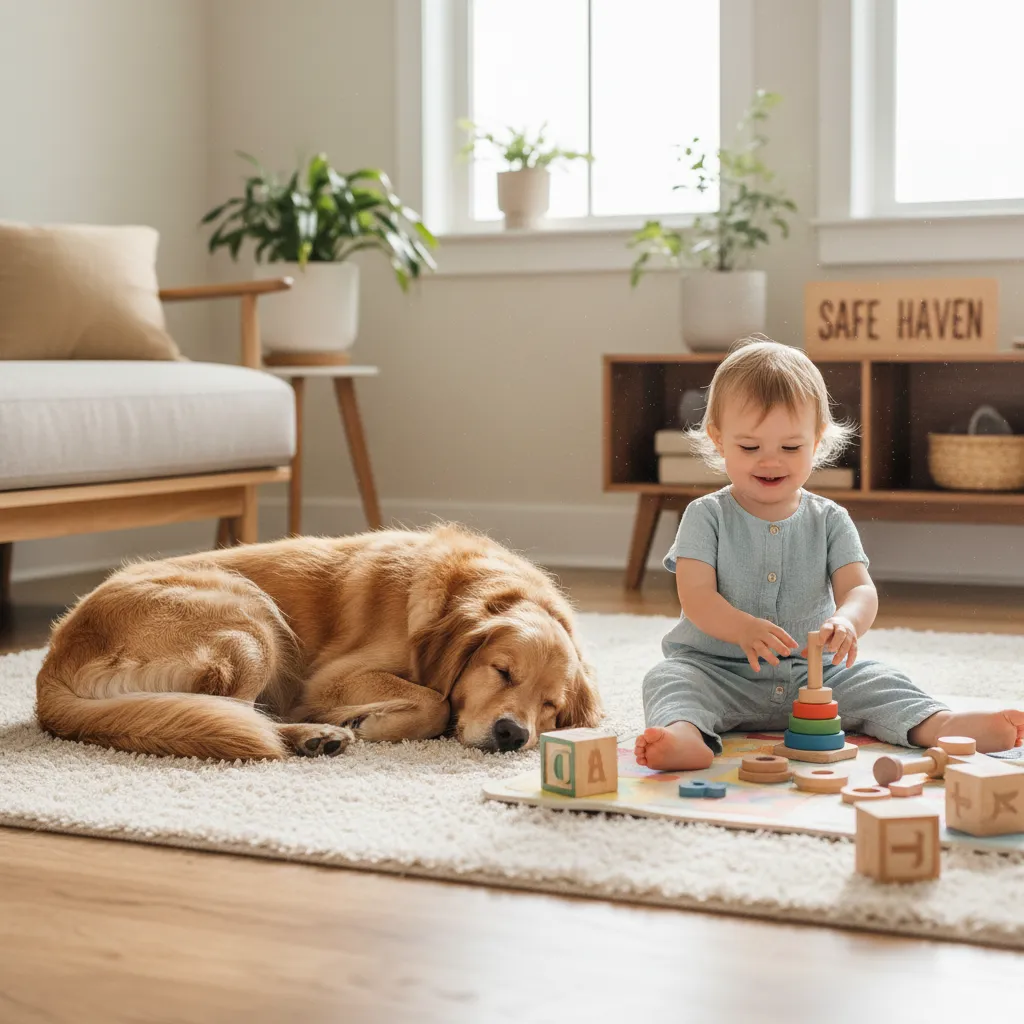
The primary driver for choosing natural ant control in Auckland is often the safety of vulnerable family members, including young children, the elderly, and pets. Conventional sprays can leave residues on floors and surfaces where children crawl and pets walk.
Pet-Safe Application Strategies
Even though our natural products are low-toxicity, we adhere to strict safety protocols to ensure zero risk:
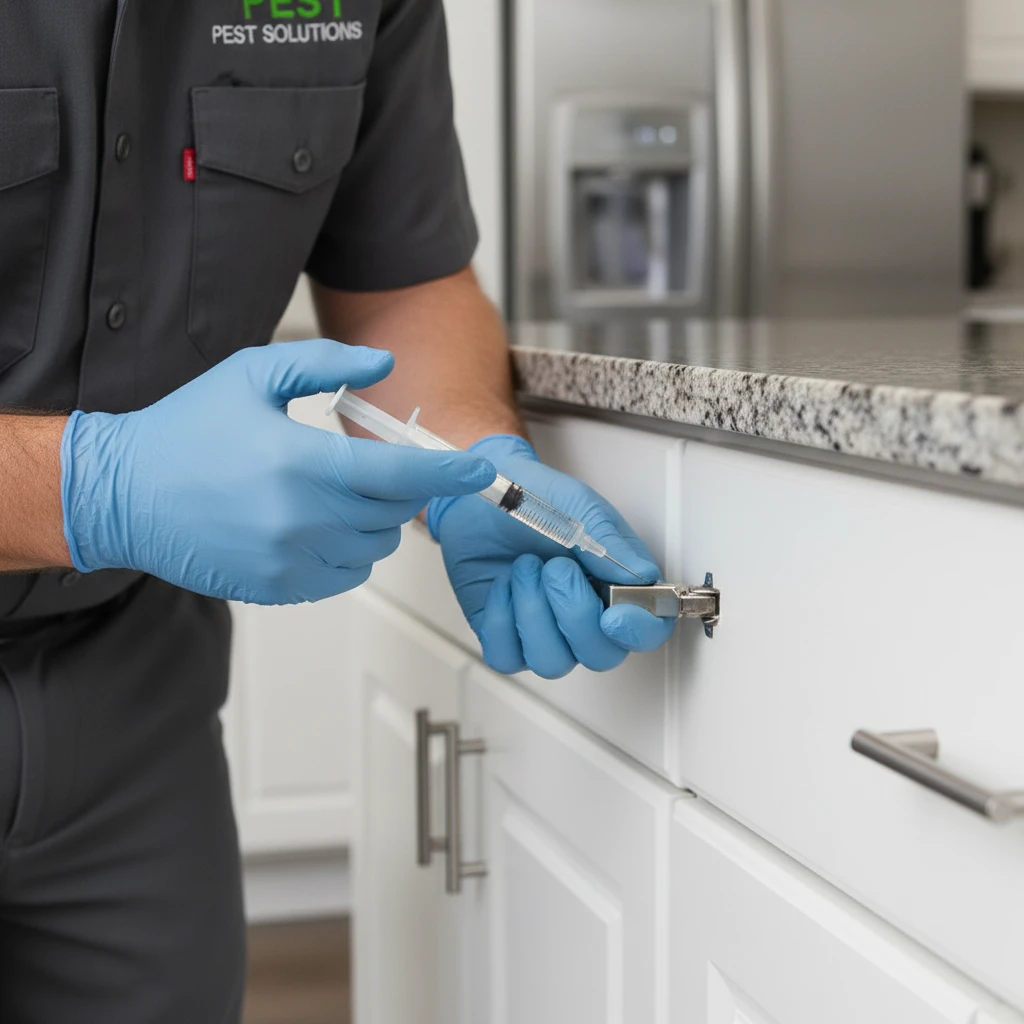
- Targeted Gel Application: Baits are applied as small dots of gel in cracks, crevices, and hinges—areas inaccessible to curious paws or fingers.
- Tamper-Resistant Stations: In areas where gel cannot be hidden, we use lockable bait stations that allow ants to enter but prevent children or pets from accessing the bait block.
- No Airborne Toxins: Since we do not use aerosolized sprays or fumigation bombs, there is no need to vacate the house for hours or ventilate rooms afterwards. The air quality of your home remains compromised.
Comparing Chemical vs. Natural Treatments
When deciding between traditional chemical extermination and natural control, it is helpful to compare them directly across several key factors relevant to Auckland homeowners.
| Feature | Traditional Chemical Control | Natural / Eco-Friendly Control |
|---|---|---|
| Method of Action | Neurotoxins (fast kill on contact). | Metabolic inhibitors (slow kill via colony transfer). |
| Speed of Results | Immediate visible reduction (24-48 hours). | Gradual reduction (10-14 days) but total elimination. |
| Longevity | Often temporary; kills foragers but not the queen. | Long-term; eliminates the source (the colony). |
| Environmental Impact | High; risk of soil/water contamination. | Low; biodegradable and target-specific. |
| Odour | Chemical smell often present. | Odourless. |
| Safety | Requires vacating premises; residue risks. | Safe to stay home; minimal risk. |
While chemical treatments offer the instant gratification of seeing dead ants immediately, they often result in “budding.” This occurs when a colony under stress from a chemical attack splits into multiple smaller colonies, actually making the infestation worse in the long run. Natural control avoids this by remaining undetectable to the ants until it is too late.
Identifying Common Auckland Ant Species
Effective treatment requires correct identification. Auckland is host to several invasive species that require specific bait formulations.
Argentine Ants (Linepithema humile)
These are perhaps the most problematic species in Auckland. They are small, light brown, and extremely aggressive. Unlike other ants, Argentine ants do not fight each other; different colonies cooperate to form massive “super-colonies.” They have a preference for sweets but will switch to proteins. Because of their massive numbers, a high volume of bait is required.
White-footed Ants (Technomyrmex albipes)
Black with pale feet, these ants are notorious for being difficult to control. Crucially, they do not practice trophallaxis (food sharing) as effectively as other species. This means standard baits often fail because the poison isn’t passed to the queen efficiently. Controlling White-footed ants requires a specialized strategy involving direct nest injection and barrier sprays using botanical repellents.
Darwin’s Ants (Doleromyrma darwiniana)
Common in older Auckland suburbs, these ants smell like crushed citrus when squashed. They are similar to Argentine ants but generally less aggressive. They are highly attracted to sugary substances and respond well to sweet borate baits.
For detailed information on identifying these invasive species, the Ministry for Primary Industries (MPI) provides excellent resources for New Zealand residents.
DIY Natural Remedies vs. Professional Control
Many homeowners attempt DIY natural solutions before calling a professional. Common home remedies include vinegar sprays, cinnamon barriers, or baking soda mixtures.
While vinegar and essential oils (like peppermint or tea tree) act as decent repellents, they are not extermination tools. They may deter ants from a specific countertop for a few hours, but they do not kill the colony. The ants will simply find another route.
DIY Borax baits (mixed with sugar or honey) can be effective if mixed correctly. However, getting the ratio right is critical. If the mixture is too strong, the worker ant dies before returning to the nest. If it is too weak, the colony adapts. Professional pest control technicians have access to commercial-grade, micro-encapsulated baits that remain palatable to ants for longer periods and have scientifically calibrated active ingredient ratios to ensure maximum colony transfer.
If you are seeing occasional scouts, DIY methods may suffice. However, if you notice distinct trails, frass (ant debris), or ants in your pantry, professional eco-friendly intervention is necessary to prevent a full-scale infestation.
Frequently Asked Questions
Is natural ant control safe for dogs and cats?
Yes, natural ant control is generally safe for pets. The active ingredients, such as Boron, are used in very low concentrations that are lethal to insects but have low toxicity for mammals. Furthermore, professional application involves placing baits in cracks and crevices that pets cannot access.
How long does it take for natural ant bait to work?
Natural ant baits typically take between 10 to 14 days to eliminate a colony. Unlike chemical sprays that kill on contact, natural baits rely on ants carrying the product back to the nest to poison the queen. This slower process ensures the entire colony is destroyed, preventing re-infestation.
Does vinegar really get rid of ants?
Vinegar disrupts the scent trails (pheromones) that ants use to navigate, acting as a temporary deterrent. However, it does not kill the colony or the queen. Once the vinegar smell dissipates, the ants will likely return or find a new path.
What is the best natural ant killer for Auckland homes?
The most effective natural ant killer for Auckland homes is a borate-based gel bait. This targets the specific sugar-seeking behavior of common Auckland species like Argentine ants. Integrated Pest Management (IPM) is recommended for long-term results.
Can I stay home during natural ant treatment?
Yes, one of the main benefits of natural ant control is that you do not need to vacate your home. Because there are no airborne toxins, fumes, or harsh chemical residues, it is safe for you and your family to remain inside during and after the treatment.
Why do ants come back after spraying?
Ants often return after spraying because the spray only kills the worker ants on the surface. The queen continues to reproduce underground. Additionally, chemical sprays can cause “budding,” where a stressed colony splits into multiple new colonies to survive.