Flies are more than just a nuisance; they pose significant health risks and can severely impact the comfort and reputation of both homes and businesses in Auckland. Their rapid breeding cycles and ability to transmit pathogens make effective fly control a critical aspect of hygiene and pest management. This comprehensive guide will explore the common fly challenges specific to Auckland, detail robust DIY prevention methods, and outline advanced professional strategies to ensure a fly-free environment.
Fly control in Auckland involves a strategic approach to manage and eradicate fly populations, crucial for safeguarding public health and maintaining hygienic environments in both residential and commercial settings. It encompasses identifying common fly species, understanding their breeding habits, implementing preventative measures, and deploying targeted eradication methods to ensure long-term relief from these pervasive pests.
Common Fly Types and Their Breeding Grounds in Auckland
Auckland’s temperate climate and diverse urban-rural landscape create an ideal habitat for various fly species, each presenting its own challenges. Understanding the specific types of flies prevalent in the region and their preferred breeding grounds is the first step toward effective control.
House Flies (Musca domestica)
Perhaps the most common and recognisable fly, house flies are notorious vectors for disease. They thrive in decaying organic matter, making rubbish bins, compost piles, animal waste, and neglected food spills their primary breeding sites. In Auckland, these flies are ubiquitous, invading homes and businesses through open doors and windows, especially during warmer months.
Cluster Flies (Pollenia rudis)
Often mistaken for house flies, cluster flies are a particular nuisance in Auckland, especially as autumn approaches. They are larger, slower-moving, and tend to ‘cluster’ in wall cavities, attics, and unused rooms of buildings to overwinter. Their breeding grounds are typically earthworms in damp soil, meaning they don’t breed indoors but seek shelter inside properties.
Drain Flies (Psychodidae)
Also known as moth flies or sewer gnats, drain flies are small, fuzzy, and often found near plumbing fixtures. They breed in the gelatinous film that accumulates in drains, sewers, septic tanks, and even in poorly maintained P-traps. Their presence signals a hygiene issue within a property’s plumbing system, making them a common problem in bathrooms and kitchens of Auckland homes and commercial facilities.
Fruit Flies (Drosophila melanogaster)
These tiny flies are attracted to ripe, fermenting, or rotting fruits and vegetables, as well as sugary liquids like spilled soft drinks, alcohol, and fermented residue in drains. They reproduce incredibly quickly, with a lifecycle completed in as little as a week, making them a persistent problem in kitchens, bars, and food preparation areas across Auckland.
Key Breeding Environments
- Decaying Organic Matter: Compost bins, rubbish bags, pet waste, food scraps are prime locations.
- Moisture-Rich Areas: Stagnant water, damp soil, clogged drains, leaky pipes, and overwatered potted plants provide ideal conditions.
- Animal Waste: Livestock farms, kennels, and even neglected pet litter boxes are significant attractants and breeding grounds.
- Overlooked Food Sources: Spilled beverages, uncleaned kitchen surfaces, and exposed fruits are invitations for fruit flies.
By identifying these common species and their breeding habitats, Auckland residents and business owners can begin to implement targeted prevention and control measures.
Effective DIY Fly Traps and Prevention Methods for Homes
Before resorting to professional help, many basic yet effective fly control strategies can be implemented around the home or small business. These methods focus on prevention, sanitation, and simple trapping techniques.
Sanitation and Exclusion: The First Line of Defense
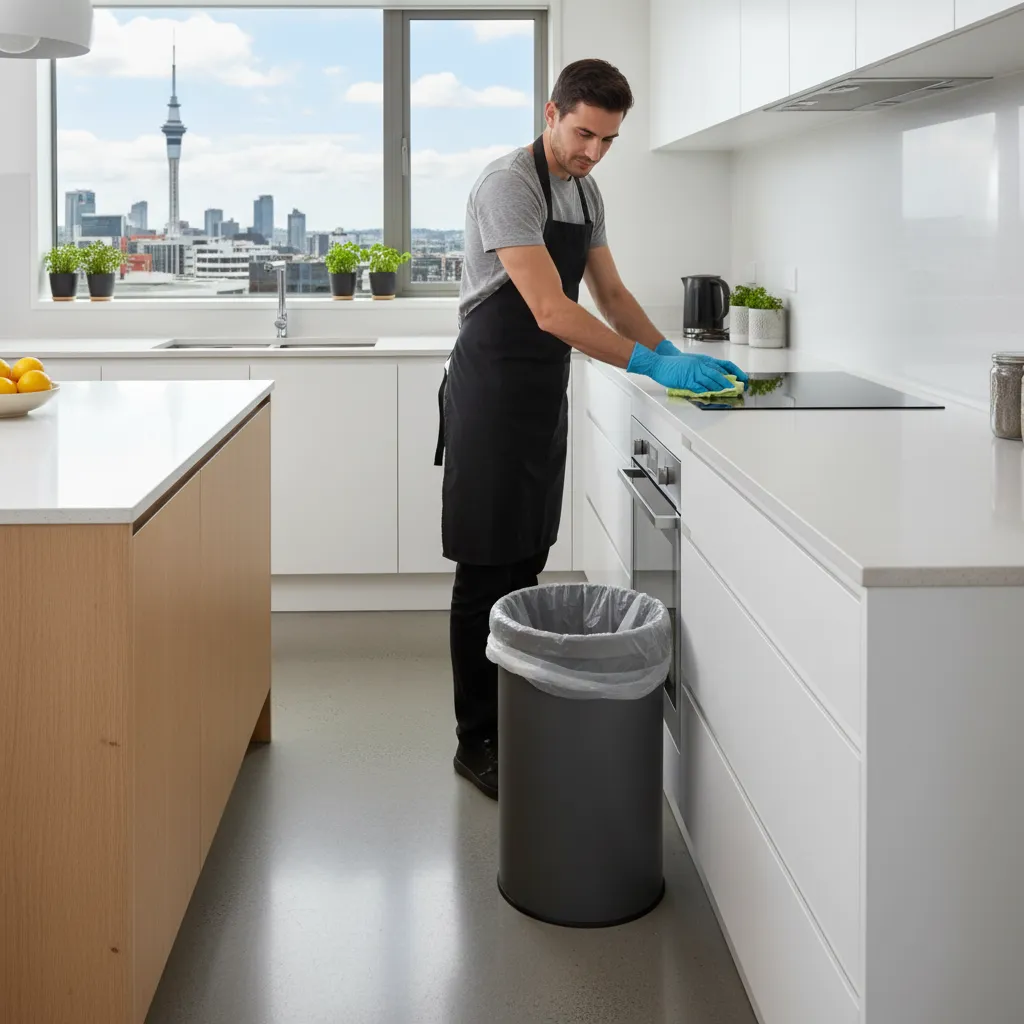
The most crucial step in fly control is meticulous sanitation. Flies are attracted to food sources and breeding sites, so eliminating these is paramount.
- Rubbish Management: Use bins with tight-fitting lids, empty them frequently, and clean them regularly. For businesses, ensure dumpsters are kept away from entry points and are properly sealed.
- Food Storage: Store all food in sealed containers or the refrigerator. Wipe up spills immediately, especially sugary liquids.
- Pet Waste: Clean up pet waste promptly and dispose of it properly.
- Compost: Ensure compost bins are sealed and regularly turned to accelerate decomposition.
- Drain Cleaning: Regularly clean drains with hot water and baking soda, or a commercial drain cleaner, to remove the organic film where drain flies breed.
Exclusion is equally vital. Prevent flies from entering your premises:
- Screens: Install and maintain insect screens on all windows and doors. Ensure they are free of tears or holes.
- Seal Gaps: Seal cracks around windows, doors, and utility entry points to prevent flies from finding access.
- Keep Doors Closed: Encourage keeping doors closed, especially during peak fly activity times.
Natural Repellents and Simple Traps
For minor infestations, natural solutions and simple traps can be effective.
- Apple Cider Vinegar Traps: Pour apple cider vinegar into a shallow bowl, add a few drops of dish soap (to break surface tension), and cover with plastic wrap secured by a rubber band. Poke small holes in the plastic. Flies will be attracted to the vinegar but get trapped.
- Sugar Water Traps: Similar to vinegar traps, a solution of sugar water or fruit juice can attract fruit flies.
- Herbal Deterrents: Certain herbs like basil, mint, lavender, and bay leaves are thought to repel flies. Placing potted herbs near windows or entryways can offer some protection.
- Sticky Traps: Non-toxic sticky fly traps, readily available in most hardware stores, can be effective for catching a few stray flies.
Addressing Entry Points
Flies are opportunistic. Beyond screens, consider door sweeps for external doors, particularly for businesses, to create a barrier. Check around vents and exhaust fans for any unsealed gaps that could serve as entry points. For areas like garages or sheds, consider using screen doors if they are frequently left open.
Advanced Commercial and Professional Fly Control Strategies
While DIY methods are great for minor issues, persistent or large-scale fly infestations, especially in commercial settings, demand professional expertise. Commercial environments, such as restaurants, food processing plants, healthcare facilities, and retail stores, have stringent hygiene requirements that necessitate comprehensive and ongoing fly management.
Integrated Pest Management (IPM) for Flies
Professional pest control services in Auckland often employ an Integrated Pest Management (IPM) approach. This holistic strategy involves:
- Thorough Inspection: Identifying fly species, locating breeding sites, and assessing the extent of the infestation.
- Monitoring: Using traps and monitoring devices to track fly populations and evaluate the effectiveness of control measures.
- Source Reduction: Implementing hygiene protocols and structural modifications to eliminate breeding and entry points.
- Targeted Treatments: Applying appropriate treatments only when necessary and in a targeted manner, prioritising non-chemical methods where possible.
- Education: Advising clients on best practices for long-term fly prevention.
Insect Light Traps (ILTs) and Fly Baits
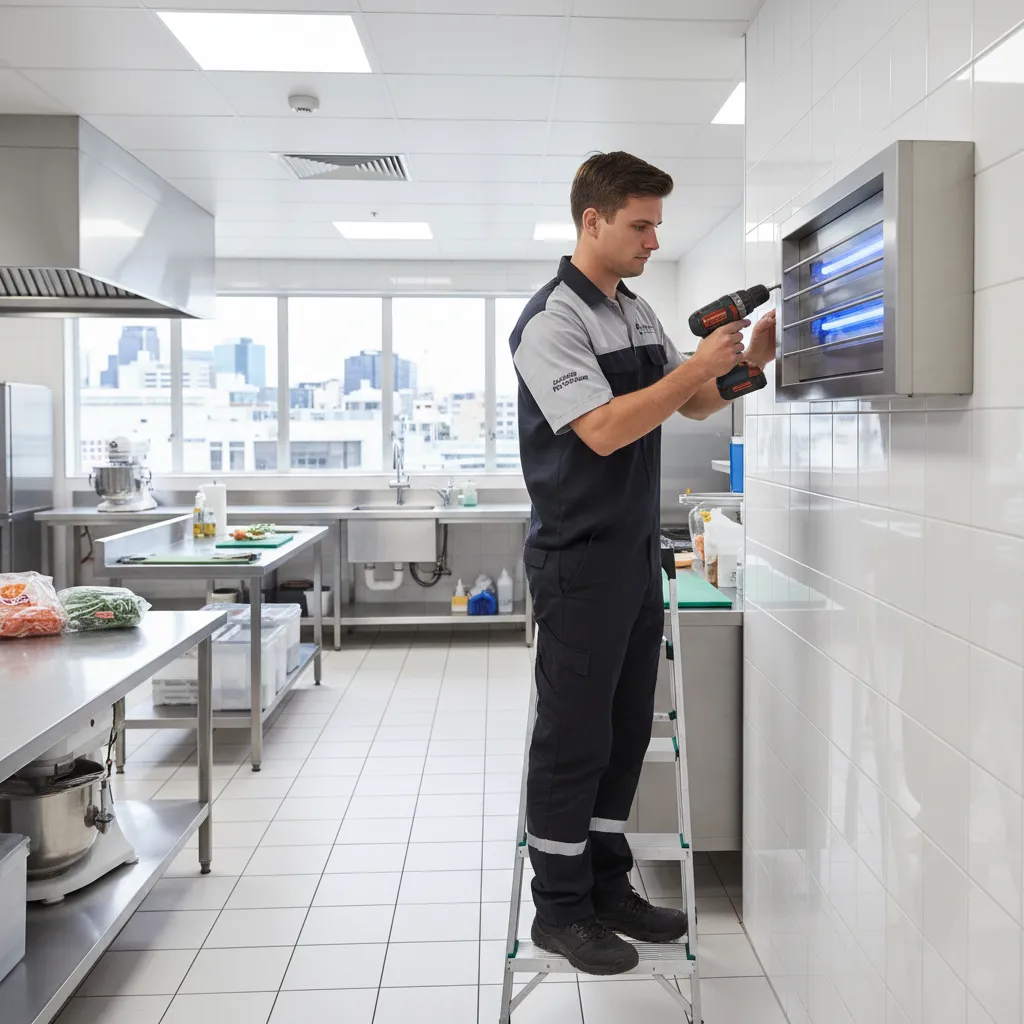
For commercial spaces, Insect Light Traps (ILTs) are highly effective. These devices use specific UV light wavelengths to attract flies, which are then either caught on a glue board or electrocuted (though glue board models are preferred in sensitive areas like kitchens). They are discreet and chemical-free, making them ideal for areas where food is prepared or served. Fly baits, containing attractants and insecticides, can also be strategically placed in non-food areas or outdoor perimeters to reduce fly populations. These must be handled and placed by trained professionals to ensure safety and effectiveness.
Residual Insecticides and Larvicides
In cases of severe infestations, professionals may use targeted applications of residual insecticides to surfaces where flies rest. Larvicides can be applied directly to breeding sites like drains or compost piles to prevent larvae from developing into adult flies. The use of these chemicals requires specific training and adherence to safety regulations, ensuring minimal impact on non-target organisms and the environment.
Source Reduction and Habitat Modification (Professional Approach)
Beyond basic sanitation, professionals can identify and advise on more complex source reduction strategies. This might include recommending improvements to waste management systems, addressing structural deficiencies that create damp areas, or even advising on landscaping modifications to reduce fly harbourage points around the perimeter of a property. For businesses, this might involve reviewing waste disposal schedules with Auckland Council or adjusting loading dock protocols. For more in-depth information on waste management, consult resources like the Auckland Council website.
Customised Solutions for Auckland Businesses
Recognising that no two businesses are alike, professional fly control services in Auckland offer customised solutions. This involves a detailed risk assessment tailored to the specific industry (e.g., hospitality, healthcare, manufacturing) and the unique structural and operational aspects of the premises. Regular service visits and ongoing monitoring ensure that fly populations are kept under control year-round, adapting strategies as environmental conditions or business operations change. The Ministry for Primary Industries (MPI) also provides guidelines for pest management in food safety, which professional services adhere to, ensuring compliance and high standards. For relevant guidelines, refer to MPI’s official website.
Selecting a Reputable Fly Control Provider in Auckland
When the challenge of fly control extends beyond DIY capabilities, choosing the right professional service is crucial for effective and long-lasting results. Auckland offers several pest control companies, but discerning the best fit requires careful consideration.
What to Look For in a Service
- Experience and Expertise: Ensure the provider has a proven track record in fly control, specifically within Auckland’s unique environment.
- Accreditations and Licensing: Verify that the company and its technicians are fully licensed and adhere to New Zealand’s pest control regulations.
- Integrated Pest Management (IPM) Approach: A reputable service will favour an IPM strategy, focusing on long-term prevention rather than just chemical treatments.
- Safety Protocols: Inquire about the safety of their methods for children, pets, and the environment. They should use products approved for use in residential and commercial settings and explain any necessary precautions.
- Transparent Communication: The service should provide clear explanations of the problem, proposed solutions, costs, and follow-up plans.
- Customer Reviews and References: Check online reviews and ask for local references to gauge customer satisfaction.
- Guarantees: A trustworthy company will often offer a guarantee on their services, providing peace of mind.
The Importance of Local Expertise
Auckland’s specific climate, urban development patterns, and local regulations mean that a pest control provider with local expertise will be better equipped to understand and address the unique challenges of fly infestations in the region. They will be familiar with common local fly species, seasonal variations in activity, and effective strategies tailored to Auckland conditions.
Long-term Prevention and Maintenance
Effective fly control isn’t a one-time fix; it’s an ongoing process. A professional service should offer advice and plans for long-term prevention and maintenance, including regular inspections and preventative treatments. This proactive approach is particularly vital for businesses where continuous compliance with health and safety standards is non-negotiable.

Ultimately, investing in professional fly control for your Auckland home or business is an investment in health, hygiene, and peace of mind. By combining diligent personal efforts with the strategic expertise of a professional service, you can effectively manage and eliminate fly problems, ensuring a healthier and more pleasant environment for everyone.
People Also Ask About Fly Control in Auckland
What attracts flies to my Auckland home or business?
Flies are primarily attracted to sources of food and moisture, especially decaying organic matter. In Auckland, this often includes open rubbish bins, compost piles, pet waste, spilled food or drinks, overripe fruits, and stagnant water in drains or leaky pipes. Poor sanitation and accessible entry points like unscreened windows or doors significantly increase their appeal.
How can I prevent flies from entering my Auckland property?
Preventing flies involves exclusion and sanitation. Ensure all windows and doors have well-maintained insect screens. Seal cracks and gaps around entry points. Always keep doors closed when not in use. Maintain excellent hygiene by promptly cleaning up spills, storing food in sealed containers, and regularly emptying and cleaning rubbish bins with tight-fitting lids. For businesses, consider air curtains or strip doors.
Are flies in Auckland dangerous to health?
Yes, flies, particularly house flies, can transmit a range of pathogens that cause diseases such as salmonella, E. coli, cholera, and typhoid. They pick up bacteria from decaying matter and transfer it to food surfaces. While most encounters might not lead to severe illness, their presence poses a significant hygiene risk, especially in food preparation areas in Auckland homes and businesses.
When should I call a professional for fly control in Auckland?
You should consider calling a professional pest control service in Auckland if you experience a persistent or recurring fly problem, a sudden surge in fly numbers, or if you identify breeding sites that are difficult to access or eliminate (e.g., within wall cavities, extensive drain systems). Businesses with strict hygiene requirements, like food service or healthcare, often benefit from ongoing professional management.
What methods do professional fly control services use in Auckland?
Professional services in Auckland typically employ an Integrated Pest Management (IPM) approach. This includes thorough inspections, identifying specific fly species and breeding sites, implementing structural and sanitation recommendations, and applying targeted treatments. These treatments may involve Insect Light Traps (ILTs), strategic use of fly baits, and professional-grade residual insecticides or larvicides, always prioritising safety and effectiveness.
Are professional fly control treatments safe for pets and children?
Reputable professional fly control services in Auckland prioritise safety. They use products that are approved for residential and commercial use and apply them strategically to minimise exposure. Before treatment, they will provide detailed information on any necessary precautions, such as vacating the premises for a short period or keeping pets away from treated areas. Always discuss any concerns you have about children or pets with your pest control technician.