Flea control in Auckland homes is crucial for ensuring the health and comfort of both pets and human occupants. It involves a strategic, multi-faceted approach to eliminate existing infestations and prevent future outbreaks, focusing on integrated pest management techniques that prioritize safety and efficacy within the unique Auckland environment.
Signs of Flea Infestation
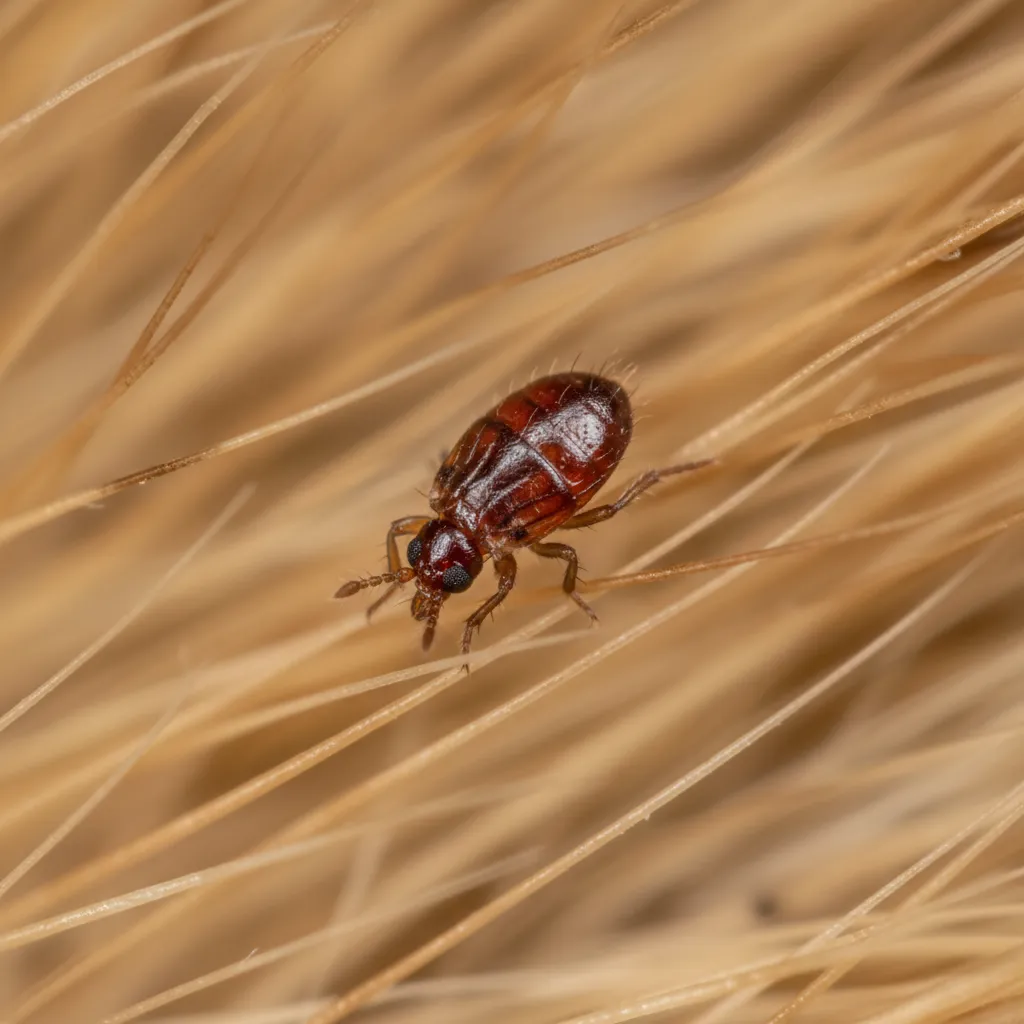
Identifying a flea infestation early is critical for effective control, preventing a small problem from escalating into a major nuisance. Fleas are tiny, reddish-brown insects that thrive in warm, humid conditions, making Auckland’s climate particularly conducive to their proliferation. Knowing what to look for on your pets, on yourself, and within your home environment can lead to quicker intervention.
Identifying Fleas on Pets
The most common indicator of fleas is observing them directly on your pets. Fleas prefer areas with less fur, such as the abdomen, inner thighs, and the base of the tail. Regular grooming and a flea comb can help detect these pests.
- Visual Inspection: Look for small, dark, fast-moving insects scurrying through your pet’s fur.
- Flea Dirt: Often mistaken for actual dirt, flea dirt (flea faeces) appears as tiny black specks, resembling ground pepper. If you place these specks on a damp paper towel, they will turn reddish-brown as they rehydrate, confirming they are digested blood.
- Excessive Scratching & Licking: Pets will exhibit increased scratching, licking, or biting, especially if they are allergic to flea saliva, which can lead to skin irritation, hair loss, and secondary infections.
Recognizing Flea Bites on Humans
While fleas prefer animal hosts, they will readily bite humans, especially when pet populations are high or if pets are no longer present. Flea bites typically appear as small, red, itchy bumps, often clustered in groups or lines.
- Common Bite Areas: Bites are usually found around ankles, legs, waist, and armpits.
- Itching & Irritation: The bites are intensely itchy and can sometimes develop into a rash. Scratching can lead to skin breaks and potential secondary infections.
- Allergic Reactions: Some individuals can experience more severe allergic reactions to flea saliva, resulting in larger welts or hives.
Environmental Clues in Your Home
Fleas spend only a fraction of their life cycle on pets; the majority occurs in the environment. Your home provides ample breeding grounds, particularly in carpets, bedding, and cracks.
- Flea Dirt in Bedding & Carpets: Check pet bedding, rugs, and carpets for flea dirt. A simple white cloth rub can often reveal these tell-tale signs.
- Observing Jumping Fleas: In heavily infested areas, you might observe adult fleas jumping on your socks, furniture, or in sunlit patches on the floor.
- Flea Larvae & Eggs: Though difficult to see with the naked eye, understanding that these stages exist in dusty, dark areas helps inform treatment strategies.
Comprehensive Flea Treatment Process
Addressing a flea infestation in your Auckland home requires a thorough and systematic approach that targets fleas at every life stage. A multi-pronged strategy is essential for complete eradication and long-term control.
Preparation for Treatment
Before any treatment begins, proper preparation of your home is crucial to maximise efficacy.
- Thorough Cleaning: Vacuum all carpets, rugs, upholstered furniture, and cracks in floors. Pay special attention to areas where pets sleep and frequent. Immediately dispose of the vacuum bag outdoors in a sealed container to prevent fleas from escaping.
- Laundry: Wash all pet bedding, blankets, human bedding, and any other washable fabrics in hot water and dry them on the highest heat setting. This kills fleas, larvae, and eggs.
- Clear Clutter: Remove any clutter from floors and under furniture to allow for better access during treatment.
Professional Pest Control Services
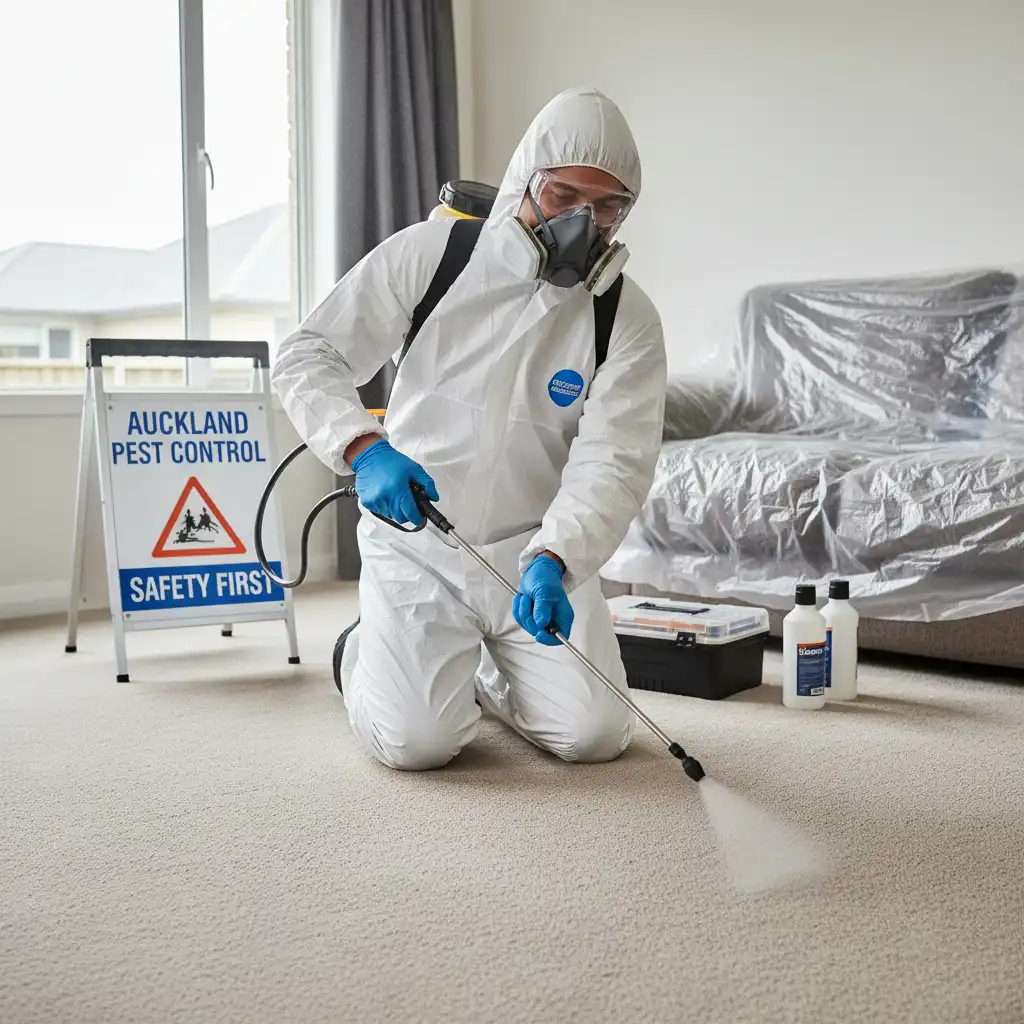
For moderate to severe infestations, or if you prefer a hands-off approach, professional pest control services in Auckland offer expert solutions. They have access to commercial-grade products and knowledge of flea biology to apply treatments effectively and safely.
- When to Call: If DIY methods fail, if the infestation is widespread, or if you have concerns about chemical application.
- What to Expect: Technicians will typically perform an inspection, apply residual insecticides to carpets, cracks, and crevices, and may use Insect Growth Regulators (IGRs) to disrupt the flea life cycle. They will provide advice on post-treatment care and prevention.
DIY Treatment Options
For smaller infestations or as part of a comprehensive strategy, several DIY products are available, but they must be used carefully and according to instructions.
- Flea Sprays & Foggers (Bombs): These products contain insecticides and/or IGRs. Sprays allow for targeted application, while foggers treat larger areas but may not penetrate all hiding spots. Always vacate the premises during fogger use and ensure proper ventilation afterward.
- Natural Remedies: Some homeowners explore diatomaceous earth (food-grade), essential oils (like cedarwood or peppermint), or natural sprays. While some may deter fleas, their efficacy in eradicating a full-blown infestation is often limited compared to conventional treatments.
Treating Your Pets
Simultaneous treatment of your pets is non-negotiable, as they are the primary source of new adult fleas in your home. Always consult your veterinarian before applying any products to your pet.
- Vet-Recommended Products: This includes oral medications (chewables), topical spot-on treatments, medicated shampoos, and flea collars. Many modern treatments are highly effective and offer long-lasting protection.
- Ongoing Prevention: Consistent, year-round flea prevention for your pets is the cornerstone of keeping your home flea-free.
Protecting Pets & Family from Fleas
While eradicating fleas, it’s paramount to ensure the safety and well-being of your pets and human family members. This involves careful selection and application of treatments, alongside understanding potential risks.
Safe Pest Control Practices
Whether using DIY products or professional services, adhering to safety guidelines is critical to minimise exposure to chemicals.
- Read Labels Carefully: Always follow manufacturer instructions for all flea control products, noting application rates, safety precautions, and re-entry times.
- Ventilation: Ensure adequate ventilation during and after applying sprays or using foggers. Open windows and doors.
- Personal Protective Equipment (PPE): Wear gloves, masks, and eye protection as recommended on product labels, especially during application.
- Keep Pets & Children Away: Restrict access to treated areas until they are dry and safe for re-entry, as specified by product instructions or pest control professionals.
- Storage: Store all pest control products safely out of reach of children and pets.
Choosing Pet-Safe Products
The market offers a vast array of flea control products for pets. Making informed choices, ideally with veterinary guidance, is vital.
- Veterinary Consultation: Always discuss flea treatment options with your Auckland veterinarian. They can recommend the most appropriate and safest products based on your pet’s species, age, weight, health conditions, and lifestyle.
- Active Ingredients: Understand the active ingredients in pet flea products. Many modern treatments target the flea’s nervous system or growth cycle specifically, often posing minimal risk to mammals when used correctly. Avoid products with ingredients known to be toxic to specific pet species (e.g., permethrin can be toxic to cats).
- Dosage & Application: Never exceed recommended dosages. Apply spot-on treatments correctly to prevent your pet from licking them off.
- Combined Treatments: Be cautious when combining multiple flea products (e.g., a collar and a topical) as this can sometimes lead to over-exposure to active ingredients. Always consult your vet.
Minimizing Allergen Exposure
Flea saliva, faeces, and shed skin can act as allergens for both pets and humans, exacerbating conditions like flea allergy dermatitis or general skin irritation. The World Health Organization highlights the growing prevalence of allergies, making allergen reduction a key component of a healthy home.
- Regular Cleaning: Consistent vacuuming and laundering help remove flea allergens from your home environment.
- Air Purifiers: Using HEPA-filter air purifiers can help reduce airborne allergens.
- Hypoallergenic Bedding: For pets, consider easy-to-wash, hypoallergenic bedding.
Long-Term Flea Prevention Strategies
Effective flea control in Auckland homes isn’t a one-time event; it’s an ongoing commitment to prevention. By understanding the flea life cycle and implementing consistent strategies, you can maintain a flea-free environment year-round.
Regular Home Maintenance
Your home environment is a crucial battleground in flea prevention. Consistent cleaning and maintenance significantly reduce the chances of reinfestation.
- Consistent Vacuuming: Make vacuuming a routine, especially in high-traffic areas, around pet resting spots, and along baseboards. The vibrations from vacuuming can stimulate dormant flea pupae to emerge, making them more susceptible to treatment. Remember to empty the vacuum bag outside after each use.
- Frequent Laundry: Regularly wash pet bedding, blankets, and any fabrics pets frequent in hot water. This kills eggs, larvae, and adult fleas.
- Yard Care & Landscaping: Keep your lawn mowed, trim bushes, and clear leaf litter, especially in shaded, moist areas where fleas thrive. Consider treating outdoor areas if you have a significant flea problem, though this is less common for prevention in Auckland residential settings unless neighbouring animals are a consistent source.
Year-Round Pet Protection
Your pets are often the primary carriers and distributors of fleas. Consistent, year-round preventive treatment for all pets in the household is paramount.
- Topical & Oral Medications: Work with your veterinarian to select the most suitable year-round preventative. Options include monthly spot-on treatments, oral tablets/chewables, and long-lasting collars that release active ingredients. Consistency is key – do not skip doses, even during cooler months, as fleas can survive indoors.
- Routine Vet Checks: Regular veterinary check-ups allow your vet to assess your pet’s flea control regimen and make any necessary adjustments based on their health and the current flea prevalence in Auckland.
Monitoring for Reinfestation
Vigilance is key to catching any new flea activity before it escalates. Early detection makes control much easier.
- Flea Combing: Periodically comb your pets with a fine-toothed flea comb, especially after outdoor excursions. This not only helps detect adult fleas but also flea dirt.
- Sticky Traps & Visual Checks: Flea traps (sticky traps with a light source) can be placed in dark, quiet corners to monitor for adult flea activity. Routinely check pet bedding and carpets for flea dirt.
Understanding the Flea Life Cycle for Effective Prevention
True long-term prevention hinges on understanding the flea’s four-stage life cycle: egg, larva, pupa, and adult. Each stage requires a different approach to break the cycle. The CDC provides excellent resources on the flea life cycle, emphasizing that adult fleas are just the tip of the iceberg.
- Eggs: Laid on pets but fall off into the environment. Vacuuming and laundry target these.
- Larvae: Hatch from eggs, feed on flea dirt, and hide in carpets, cracks, and bedding. Cleaning and IGRs target larvae.
- Pupae: Develop from larvae, encased in a cocoon that can be resistant to insecticides. Vibrations (like vacuuming) or heat often trigger emergence. This is why thorough cleaning is so important before and after treatment.
- Adults: Emerge from pupae, jump onto a host for a blood meal, and begin laying eggs. Pet treatments and residual home insecticides target adults.
By attacking fleas at every stage and maintaining a consistent prevention routine, Auckland homeowners can ensure their pets and families enjoy a comfortable, flea-free environment.

People Also Ask: Flea Control Auckland Homes
How often should I treat my Auckland home for fleas?
For active infestations, professional treatment or intensive DIY methods might be needed weekly for 2-4 weeks. For prevention, regular vacuuming, washing pet bedding weekly, and year-round pet flea medication (typically monthly) are recommended. Consistent maintenance is key in Auckland’s climate.
Are natural flea remedies effective for Auckland homes?
Natural remedies like essential oils or diatomaceous earth can act as deterrents or supplementary measures, but they are generally not powerful enough to eradicate a full-blown flea infestation in an Auckland home. For comprehensive control, especially with the region’s conducive climate, veterinary-approved products and professional pest control are more reliable.
How long does it take to get rid of fleas in an Auckland home?
Completely eradicating fleas from an Auckland home typically takes 2-3 months due to the flea life cycle. While adult fleas are killed quickly, eggs, larvae, and pupae can persist. Consistent treatment of pets and the environment over several weeks is necessary to ensure all emerging fleas are eliminated before they can reproduce.
Is it safe to use flea bombs (foggers) in homes with pets and children?
Flea bombs or foggers contain insecticides and require careful use. It is crucial to read and follow all safety instructions, ensuring pets, children, and exposed food are removed from the area before deployment. Adequate ventilation is essential after use, and re-entry should only occur after the specified waiting period. Always consider safer alternatives or professional help if you have concerns.
Can fleas come back after professional treatment in Auckland?
Yes, fleas can potentially return even after professional treatment, especially if pet prevention is not maintained or if outdoor areas are highly infested. Professional treatments kill existing fleas, but pupae can be resistant, and new fleas can be introduced by untreated pets or wildlife. Ongoing vigilance and preventative measures are essential to keep your Auckland home flea-free.
What is ‘flea dirt’ and why is it important for flea control?
‘Flea dirt’ is flea faeces, composed of digested blood. It appears as tiny black specks, often resembling ground pepper, found on pets or in their bedding. It’s important for flea control because it confirms the presence of fleas and also serves as a primary food source for flea larvae, which hatch in the environment. Eliminating flea dirt through cleaning helps disrupt the flea life cycle.