Flea identification in Auckland is crucial for protecting pets and homes from these persistent pests. Recognizing the signs of fleas, understanding their lifecycle, and implementing effective treatment strategies are essential steps for Auckland residents to maintain a pest-free environment and ensure the well-being of their beloved animals.
Flea Identification: Uncovering the Invisible Threat in Auckland Homes
Fleas are more than just an annoyance; they are a serious health risk to pets and can cause significant discomfort to humans. In Auckland’s varied climate, fleas can thrive year-round, making consistent vigilance and proactive identification vital. These tiny, wingless insects survive by feeding on the blood of their hosts, primarily mammals and birds. While their small size makes them hard to spot individually, a thorough inspection can reveal their presence. Early identification is key to preventing a small problem from escalating into a full-blown infestation that can be challenging and costly to eradicate.
Visual Identification of Fleas and Flea Dirt
Directly observing fleas on your pet is the most definitive way to identify an infestation. Adult fleas are typically 1-3mm long, reddish-brown, and can move very quickly, often appearing as tiny, darting specs on your pet’s fur. They are flattened laterally, allowing them to navigate easily through fur and hair. A common method to spot them is to part your pet’s fur, especially around the base of the tail, groin, and abdomen, where they tend to congregate. You might see them jumping or crawling. For smaller infestations, or if your pet has dark fur, flea dirt is often a more reliable indicator.
Flea dirt is essentially flea faeces, composed of digested blood. It appears as tiny black specks, similar to ground pepper or dirt, clinging to your pet’s fur or skin. To confirm if it’s flea dirt, place some specks on a damp paper towel. If it’s flea dirt, the specks will dissolve and leave reddish-brown streaks as the blood reconstitutes. This simple test is a powerful tool for early detection. Regularly combing your pet with a fine-toothed flea comb, particularly over a white surface, can help collect both fleas and flea dirt for inspection.
Life Cycle of Fleas: Understanding the Enemy
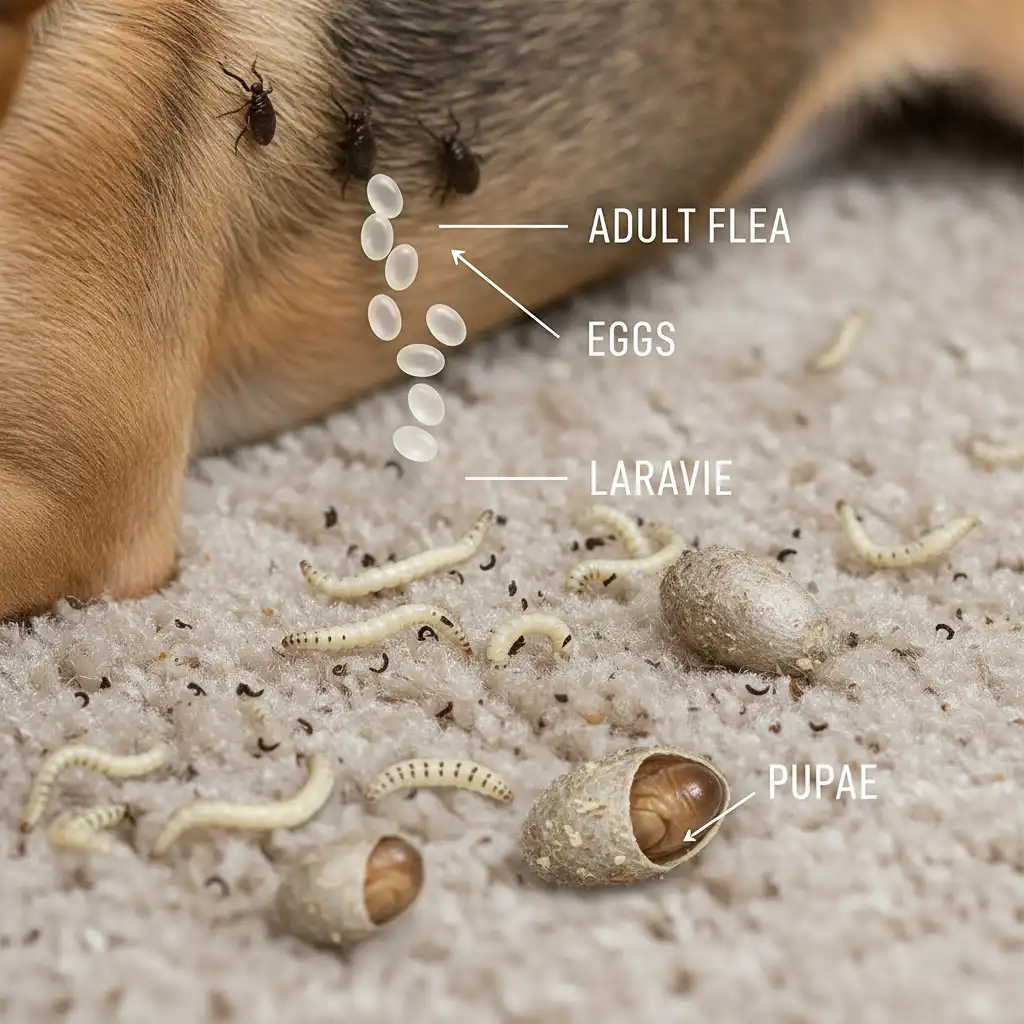
Understanding the flea life cycle is paramount for effective treatment and prevention strategies in Auckland. Fleas undergo complete metamorphosis, meaning they pass through four distinct stages: egg, larva, pupa, and adult. Each stage has unique characteristics that influence how and where you might encounter them, and why treating only adult fleas is rarely sufficient.
Eggs, Larvae, and Pupae in the Environment
Adult female fleas lay numerous tiny, white eggs (up to 50 per day) on the host. These eggs are not sticky and quickly fall off the pet into the surrounding environment, such as carpets, bedding, cracks in floorboards, and upholstery. This dispersal means that only a small percentage of the flea population (typically less than 5%) is actually on your pet at any given time; the vast majority are developing in your home.
Within 2-10 days, depending on environmental conditions (warmth and humidity, common in Auckland), the eggs hatch into larvae. Flea larvae are worm-like, 2-5mm long, and shun light, hiding deep within carpets, under furniture, or in pet bedding. They feed on flea dirt and organic debris. This stage typically lasts 5-18 days.
The larvae then spin cocoons and enter the pupal stage. The pupae are incredibly resilient and can remain dormant for weeks or even months, waiting for ideal conditions (vibrations, warmth, carbon dioxide from a host) to emerge as adult fleas. This pupal stage is notoriously difficult to kill with insecticides and is a major reason for recurring infestations, often leading to a sudden surge of fleas after a dormant period or when a new pet or person enters the home after being vacant. This understanding is critical for long-term flea control.
Recognizing Flea Bites and Infestations
Flea bites are not only itchy but can also cause various health issues for both pets and humans. Identifying flea bites is a key part of understanding the scope of an infestation in your Auckland home. Recognizing the symptoms in both your animal companions and yourself can help you take timely action.
Symptoms of Flea Bites on Pets
Pets with fleas often exhibit classic signs of irritation. The most common symptom is intense itching, leading to scratching, licking, and biting at their fur. This can result in skin lesions, hair loss, and scabs, particularly around the neck, base of the tail, inner thighs, and abdomen. Some pets may develop Flea Allergy Dermatitis (FAD), a severe allergic reaction to flea saliva. Even a single flea bite can trigger an intense allergic response in sensitive animals, leading to widespread itching, redness, and inflammation. In severe cases, especially with young or immunocompromised pets, a heavy flea infestation can lead to anaemia due to significant blood loss. Pale gums and lethargy are warning signs of anaemia that require immediate veterinary attention.
Flea Bites on Humans and Their Appearance
While fleas prefer animal hosts, they will readily bite humans, especially when pet hosts are unavailable or the infestation is severe. Flea bites on humans typically appear as small, red, itchy bumps, often with a reddish halo around a central puncture point. They are commonly found around ankles and lower legs, but can also appear on the waist, armpits, and in skin folds. Unlike mosquito bites, flea bites often appear in clusters or lines of three or four, sometimes referred to as ‘breakfast, lunch, and dinner’ patterns. They can be intensely itchy, leading to scratching that can break the skin and introduce secondary bacterial infections. Recognizing these distinct bite patterns on yourself or family members is a strong indicator of a flea problem within your home.
Treating Pets for Fleas Safely in Auckland
Once flea identification in Auckland confirms an infestation, safe and effective treatment for your pets is the immediate next step. Given the variety of products and the unique needs of each animal, consulting with a local Auckland veterinarian is highly recommended before initiating any treatment plan.
Vet-Recommended Topical and Oral Treatments
Modern veterinary medicine offers highly effective and safe options for treating fleas on pets. These include topical spot-on treatments, oral medications, and special collars. Topical spot-ons are applied to a small area of skin, usually between the shoulder blades, and release active ingredients that spread over the pet’s skin and coat, killing fleas on contact or ingestion. Oral medications, given as a chewable tablet, work systemically through the pet’s bloodstream to kill fleas when they bite. Both methods are highly effective and can offer protection for weeks or months. It is crucial to use products specifically designed for your pet’s species (cat or dog) and weight, as incorrect dosage or species application can be harmful or even fatal. Always follow the manufacturer’s instructions and your vet’s advice. For severe infestations or pets with Flea Allergy Dermatitis, your vet might also prescribe anti-itch medication or antibiotics for secondary skin infections.
Preventing Re-infestation on Pets
Effective flea treatment for pets is not a one-off event; it requires ongoing prevention. Regular, consistent application of vet-approved flea preventatives is the cornerstone of keeping your pet flea-free. Even if you don’t see fleas, continue treatment, especially in Auckland where fleas can be active year-round due to the mild climate. It’s also important to treat all pets in the household simultaneously, even if only one shows signs of infestation, to break the flea life cycle. Regularly groom your pet and inspect their coat for any signs of returning fleas or flea dirt. Combined with environmental control, consistent pet treatment ensures the best possible outcome for long-term flea eradication.
Eradicating Fleas from Your Auckland Home Environment
Treating your pet is only half the battle when dealing with a flea infestation in Auckland. The vast majority of the flea population (eggs, larvae, and pupae) resides in your home environment. A comprehensive approach is required to effectively break the flea life cycle and prevent re-infestation. This involves a multi-pronged attack combining thorough cleaning with appropriate pest control methods.
Thorough Cleaning and Sanitization
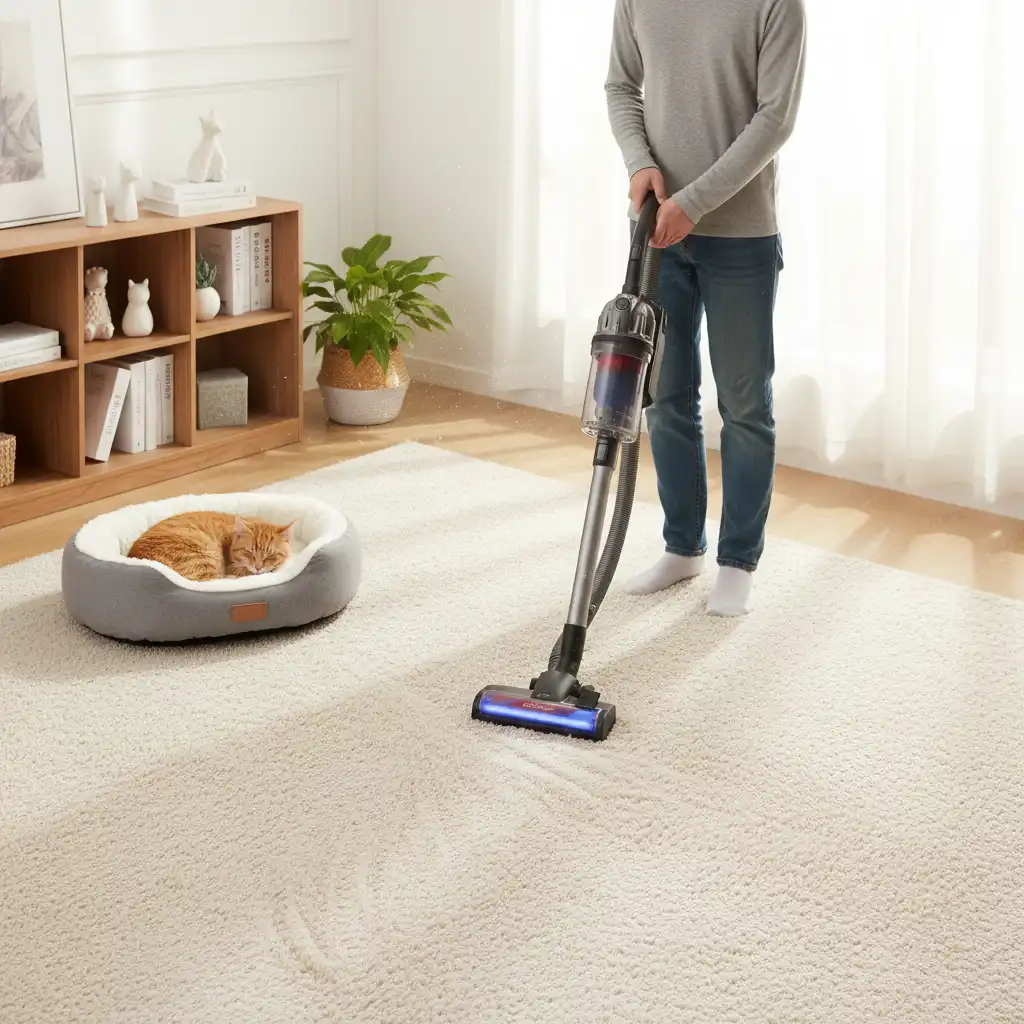
Start with intensive cleaning of your entire home. Vacuum all carpets, rugs, upholstery, and cracks in floorboards daily for several weeks. Pay particular attention to areas where your pet spends the most time, such as pet beds, favourite sleeping spots, and under furniture. The vibrations from vacuuming can also stimulate dormant pupae to emerge, making them vulnerable to insecticides. Immediately after vacuuming, seal the vacuum bag in a plastic bag and dispose of it in an outdoor bin to prevent fleas from escaping back into your home. Wash all pet bedding, blankets, and your own bedding in hot water (at least 60°C) and dry them on the highest heat setting to kill all stages of fleas. Steam cleaning carpets and upholstery can also be effective at killing fleas, larvae, and eggs, though it may not penetrate the tough pupal cocoons.
Chemical and Non-Chemical Home Treatments
For chemical treatments, consider using an Insect Growth Regulator (IGR) spray for your home. IGRs don’t kill adult fleas directly but disrupt the development of flea eggs and larvae, preventing them from maturing into biting adults. This breaks the life cycle and is a crucial part of long-term control. Many household flea sprays contain both an adulticide (to kill adult fleas) and an IGR. Always read product labels carefully and follow safety instructions, ensuring proper ventilation and keeping pets and children away from treated areas until dry.
Flea foggers or ‘bombs’ can be used for widespread infestations but often fail to reach fleas hiding in cracks, under furniture, or deep within carpets. They should be used with caution and typically in conjunction with other methods. Non-chemical options include diatomaceous earth (food-grade), which can be sprinkled on carpets and left for a few hours before vacuuming; it dehydrates and kills fleas physically. Borax powder is another option, though care must be taken with pets and children. For outdoor areas, especially if your pets spend a lot of time outside, consider treating kennels, dog runs, and shaded areas where fleas might harbour. Mowing lawns regularly and removing debris can also reduce outdoor flea populations.
When to Call a Professional Pest Control Service in Auckland
Despite your best efforts, some flea infestations can be incredibly stubborn, especially those with a large number of pupae that continue to hatch over time. If you’ve tried comprehensive DIY methods for several weeks and are still seeing fleas, or if you have a particularly severe or widespread infestation, it’s time to call a professional pest control service in Auckland. These experts have access to stronger, professional-grade insecticides and IGRs, and possess the knowledge to identify hidden flea harbourage areas and apply targeted treatments. They can develop a customized treatment plan that addresses the specific challenges of your home and the local Auckland environment, offering a more permanent solution and peace of mind. Discuss their methods, safety precautions, and guarantee with them before hiring.
Preventative Measures for Long-Term Flea Control
The best way to manage fleas in Auckland is to prevent them from becoming an issue in the first place. A proactive and consistent approach, integrating both pet and environmental strategies, is key to long-term flea control and maintaining a healthy home for your family and pets. Vector-borne diseases, including those transmitted by fleas, highlight the importance of effective pest management for public health.
Regular Pet and Home Maintenance
Ongoing vigilance is critical. Continue using vet-recommended flea preventatives on all pets year-round, as Auckland’s climate means fleas can be present even in cooler months. Regular grooming with a flea comb can help catch any stray fleas before they establish a population. For your home, maintain a consistent cleaning schedule. Vacuum carpets, rugs, and upholstery at least once a week. Frequently wash pet bedding and any other washable items your pet regularly uses. Pay attention to outdoor areas as well; keep your lawn mowed, trim bushes, and remove leaf litter and debris where fleas might hide. The CDC provides useful information on preventing flea infestations and their health implications.
Monitoring and Early Detection Strategies
Even with preventative measures, it’s wise to remain vigilant. Regularly check your pet for fleas and flea dirt, especially during peak flea season. You can use sticky flea traps placed in dark corners or near pet sleeping areas to monitor for adult fleas. These traps use light and heat to attract fleas. Being aware of any changes in your pet’s scratching habits or skin condition can also signal an emerging problem. If you notice even a single flea or speck of flea dirt, take immediate action with both pet and environmental treatments to nip the problem in the bud before it becomes a full-blown infestation. Early detection and prompt action are your most powerful tools in the ongoing fight against fleas in your Auckland home.
People Also Ask About Flea Identification and Treatment in Auckland
How can I tell if my pet has fleas in Auckland?
Look for tiny, reddish-brown insects scurrying through their fur, especially around the tail base, groin, and abdomen. More commonly, you’ll find ‘flea dirt’ – small black specks that turn reddish-brown when wet – on their fur or bedding. Excessive scratching, licking, or biting at their skin, along with skin redness or hair loss, are also strong indicators.
Do Auckland fleas bite humans, and what do the bites look like?
Yes, fleas will bite humans, especially if their primary animal host is unavailable or the infestation is severe. Flea bites typically appear as small, red, itchy bumps, often in clusters or lines, usually on the ankles, lower legs, or waist. They can have a central red spot from the bite.
What is the fastest way to get rid of fleas in my Auckland home?
A multi-pronged approach is fastest. Treat all pets with a vet-recommended flea preventative simultaneously. Thoroughly vacuum all carpets, rugs, and upholstery daily, disposing of the bag outside. Wash all pet bedding and linens in hot water. Consider using household flea sprays containing Insect Growth Regulators (IGRs) to disrupt the flea life cycle.
Why do fleas keep coming back in my Auckland house after treatment?
Fleas often return because only adult fleas are killed, leaving behind eggs, larvae, and resilient pupae in your home environment. The pupae can remain dormant for months and hatch when conditions are right. Effective treatment requires consistent pet medication and thorough, repeated environmental cleaning (vacuuming, washing) for several weeks to break the entire life cycle.
When is flea season in Auckland, and should I treat year-round?
While fleas are more active in warmer months, Auckland’s mild climate allows fleas to survive and reproduce year-round. Therefore, veterinarians typically recommend year-round flea prevention for pets in Auckland to ensure continuous protection against infestations.
Should I call a professional pest control service for fleas in Auckland?
If you have a severe, persistent, or recurring flea infestation that DIY methods haven’t resolved after several weeks, it is advisable to contact a professional pest control service in Auckland. They have access to stronger treatments and expertise to effectively eradicate stubborn infestations.