Fly control solutions in Auckland involve a strategic combination of methods designed to eliminate existing fly infestations and prevent future outbreaks in both residential and commercial settings. Effective solutions address various fly species common to the region, employing an integrated pest management approach that prioritises sanitation, exclusion, trapping, and targeted treatments.
Common Fly Types in Auckland
Auckland’s temperate climate and diverse environments create ideal breeding grounds for several fly species, each posing unique challenges for control. Understanding the specific type of fly infesting a property is the first critical step towards implementing an effective control strategy. Professional pest control experts in Auckland are adept at identifying these species and tailoring solutions accordingly.
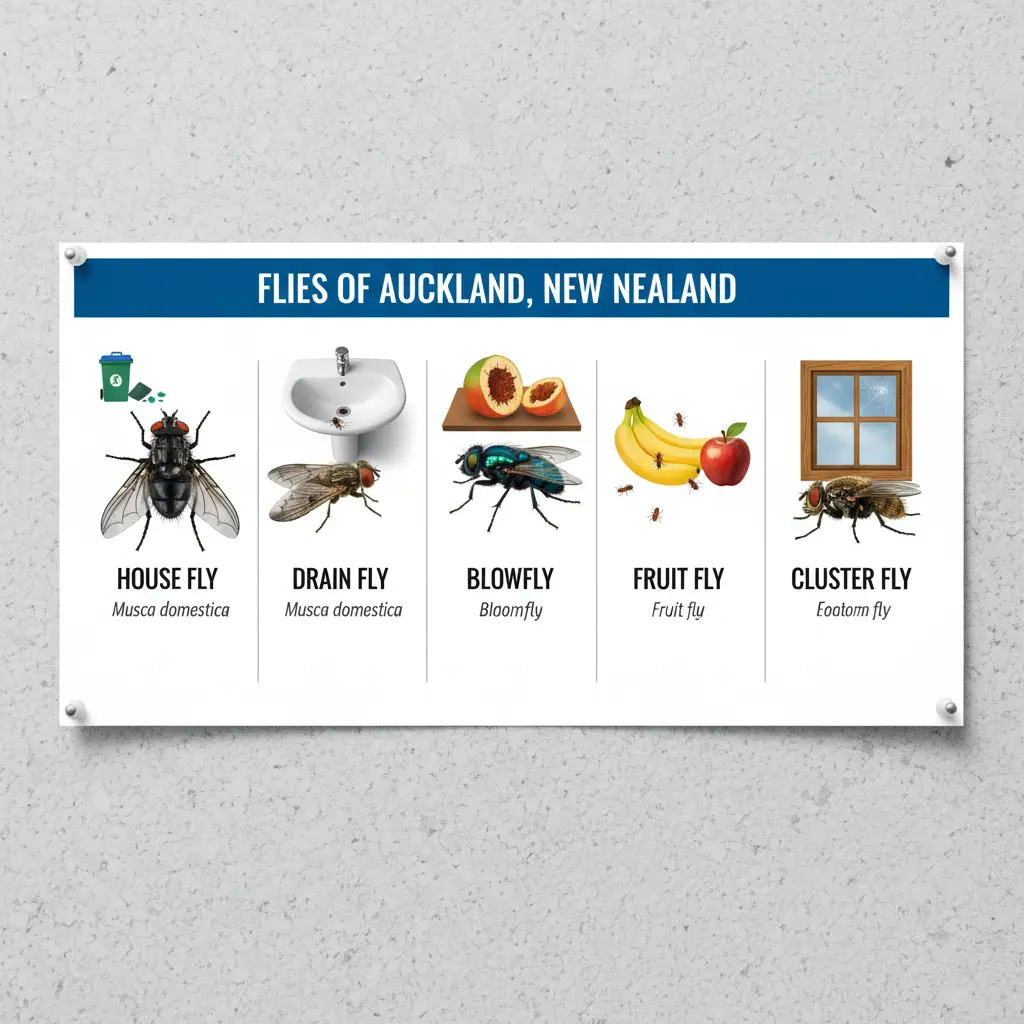
House Flies (Musca domestica)
Perhaps the most common and recognisable fly, house flies are a significant nuisance and a vector for numerous diseases. They thrive in environments with decaying organic matter, such as rubbish bins, compost piles, and animal waste. Their rapid breeding cycle means an infestation can quickly escalate. In Auckland, residential areas and commercial establishments, particularly those dealing with food, are highly susceptible.
Cluster Flies (Pollenia rudis)
Unlike house flies, cluster flies are typically outdoor pests that become problematic indoors during cooler months. They seek sheltered, warm places to overwinter, often congregating in large numbers in attics, wall voids, and seldom-used rooms of homes and commercial buildings. While not directly associated with filth, their sheer numbers can be distressing, and they leave behind unsightly faecal spots. Auckland’s older, larger buildings are often prone to cluster fly issues.
Drain Flies/Moth Flies (Psychoda spp.)
Small, fuzzy, and often mistaken for tiny moths, drain flies breed in stagnant water and organic sludge found in drains, sewers, and septic tanks. They are common in bathrooms, laundries, and kitchens, indicating a sanitation issue or a blocked drain. Their presence in Auckland properties suggests a need for thorough cleaning of plumbing systems.
Fruit Flies (Drosophila spp.)
These tiny, fast-breeding flies are attracted to fermenting fruits, vegetables, and sugary liquids. They are a common sight in kitchens, bars, restaurants, and anywhere produce is stored or waste accumulates. A spilled drink, overripe fruit, or unclean bin can quickly become a breeding site for hundreds of fruit flies. Effective control relies heavily on impeccable sanitation and source elimination.
Blow Flies/Bottle Flies (Calliphoridae family)
Known for their metallic blue or green bodies, blow flies are attracted to decaying animal matter, including carrion and faeces. They are often a sign of a dead animal in a wall cavity, roof space, or under a building. Their presence in Auckland can indicate a serious sanitation or environmental issue requiring prompt investigation and removal of the attractant source. For more information on common fly types and their biology, reputable sources like Wikipedia’s page on flies offer extensive details.
Integrated Fly Management Approaches
Effective fly control in Auckland, whether for residential homes or commercial establishments, necessitates an Integrated Pest Management (IPM) approach. This holistic strategy combines various methods to achieve long-term control while minimising environmental impact. A professional pest control service will assess the unique conditions of your property to develop a customised IPM plan.
Inspection and Assessment
The foundation of any successful fly control program is a thorough inspection. Certified technicians will identify the specific fly species, locate breeding sites, determine entry points, and assess the extent of the infestation. This initial assessment is crucial for tailoring the most effective and efficient treatment plan.
Sanitation Practices
Sanitation is paramount in fly control. Eliminating food sources and breeding sites is often the most impactful long-term solution. This includes:
- Regular and thorough cleaning of food preparation areas, drains, and waste bins.
- Prompt disposal of rubbish, ensuring bins are sealed and regularly emptied.
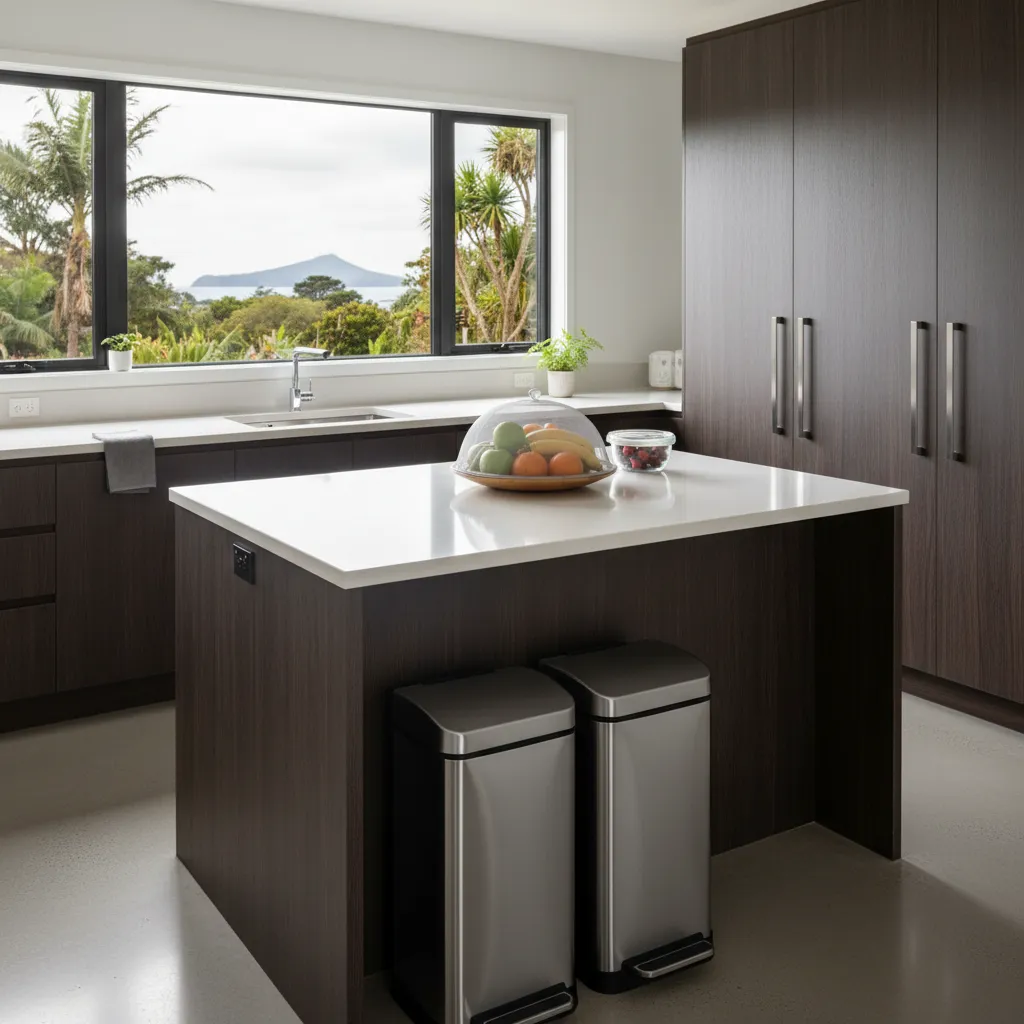
- Proper storage of food in sealed containers.
- Removal of decaying organic matter, such as overripe fruit or pet waste.
- Addressing any stagnant water sources, both indoors and outdoors.
Chemical Treatments
When necessary, targeted chemical treatments can provide immediate relief from heavy infestations. These may include:
- Residual Sprays: Applied to surfaces where flies rest, these provide ongoing protection.
- ULV (Ultra-Low Volume) Fogging: Used for rapid knockdown in enclosed spaces, particularly effective in commercial kitchens or warehouses.
- Insect Growth Regulators (IGRs): Disrupt the fly life cycle, preventing larvae from maturing into adults.
- Fly Baits: Attract and kill flies, suitable for strategic placement in areas with high fly activity.
All chemical applications by professional services adhere strictly to New Zealand safety regulations, ensuring minimal risk to occupants and pets.
Source Reduction
Beyond general sanitation, source reduction involves actively identifying and eliminating specific breeding grounds. For drain flies, this means cleaning out organic matter from drains. For fruit flies, it’s locating and disposing of fermenting produce. For blow flies, it involves finding and removing any deceased animals. This targeted approach is vital for breaking the fly life cycle at its source.
Fly Trapping & Exclusion Techniques
While sanitation and chemical treatments form the core of fly control, physical methods play a crucial role in preventing entry and capturing adult flies. These techniques are especially important for maintaining a fly-free environment in sensitive areas like food preparation zones in Auckland commercial businesses.
Physical Barriers and Exclusion
Preventing flies from entering your property is often the most effective long-term strategy. This involves:
- Screens: Installing and maintaining tight-fitting screens on all windows and doors.
- Door Sweeps: Ensuring gaps under doors are sealed.
- Sealing Gaps: Sealing cracks and crevices in foundations, walls, and around utility penetrations.
- Air Curtains: For commercial premises, air curtains at entry points can create a barrier against flying insects.
Regular checks for damage to these barriers are essential to maintain their efficacy.
Insect Light Traps (ILTs)
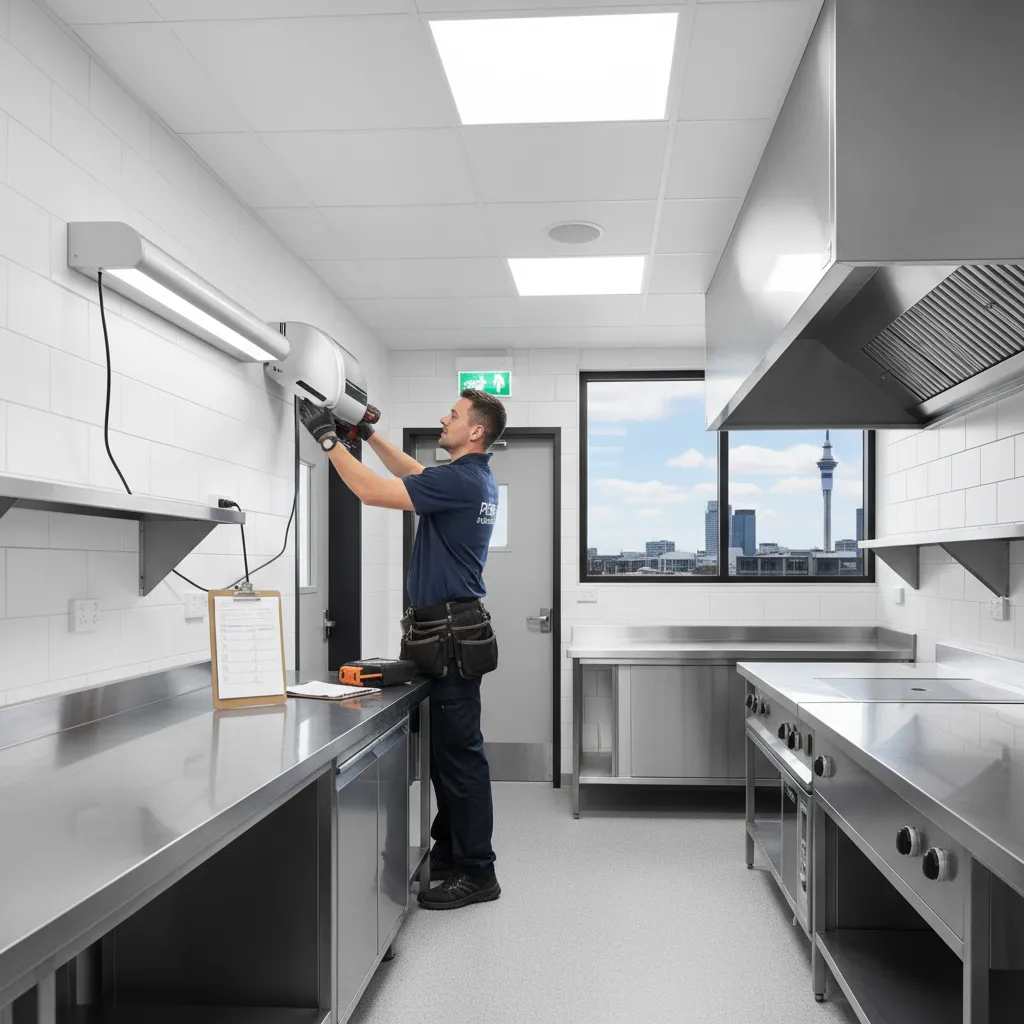
Insect Light Traps are highly effective, particularly in commercial settings such as restaurants, cafes, and food processing plants in Auckland. These traps use specific UV light wavelengths to attract flies, which are then captured on a sticky board or electrocuted. Professional placement ensures they are discreet, effective, and comply with hygiene standards, especially in areas where chemical sprays are restricted. ILTs provide continuous monitoring and control.
Fly Baits and Lures
Various fly baits, often containing attractants and insecticides, can be strategically placed outdoors or in areas where flies congregate, away from food contact surfaces. These are particularly useful for reducing outdoor fly populations before they have a chance to enter a building. Fly lures, on the other hand, are typically used in conjunction with non-toxic traps to attract flies into a capture mechanism.
Fly Swatters and Sticky Traps
For minor infestations or immediate response to a few stray flies, traditional fly swatters can be used. Sticky traps (fly paper) are also a simple, non-toxic option for capturing individual flies in less critical areas. While not a comprehensive solution for significant infestations, they offer a basic level of control and can help monitor fly activity.
Maintaining a Fly-Free Environment
Achieving initial fly control is a significant step, but maintaining a fly-free environment in Auckland requires ongoing vigilance and a proactive approach. This is especially true for commercial businesses where a fly infestation can lead to significant health risks, reputational damage, and financial losses. Residential properties also benefit from consistent preventive measures.
Ongoing Monitoring and Prevention
Regular monitoring is key to early detection of any new fly activity. This includes routinely checking areas prone to fly breeding, inspecting screens and exclusion methods for damage, and maintaining high standards of cleanliness. For businesses, implementing a scheduled pest control maintenance program ensures continuous vigilance by professionals. Understanding the fly lifecycle and knowing when seasonal fly populations peak (often in warmer months) allows for proactive measures to be taken before infestations establish.
Seasonal Considerations
Fly activity in Auckland varies with the seasons. Warmer, humid months typically see an increase in house flies, fruit flies, and blow flies due to accelerated breeding cycles. Cooler months might bring cluster flies indoors seeking shelter. A comprehensive fly control strategy will account for these seasonal shifts, adjusting monitoring and treatment efforts to target prevalent species during their peak activity periods. For general pest information and guidance in New Zealand, government resources can be very helpful, such as those found on MPI (Ministry for Primary Industries).
Professional Maintenance Plans
For sustained fly control, particularly in commercial or multi-unit residential properties, partnering with an Auckland pest control company for a regular maintenance plan is highly recommended. These plans often include:
- Scheduled inspections to identify potential issues before they become full-blown infestations.
- Preventive treatments and re-baiting of traps.
- Advice and recommendations on improving sanitation and exclusion methods.
- Documentation and reporting for compliance in commercial sectors.
Such plans offer peace of mind and ensure a consistently hygienic environment.
Client Education and Collaboration
A crucial component of long-term success is the collaboration between pest control professionals and property occupants. Educating homeowners and business staff on best practices for sanitation, waste management, and identifying early signs of fly activity empowers them to be active participants in maintaining a fly-free environment. This partnership creates a robust defence against fly infestations.
People Also Ask
Here are some common questions about fly control solutions in Auckland:
What attracts flies to my Auckland home or business?
Flies are primarily attracted to decaying organic matter, fermenting foods, moisture, and warmth. This includes exposed food waste, overflowing rubbish bins, pet faeces, rotting fruit, stagnant water in drains, and even dead animals within wall cavities or attics. Good sanitation is key to reducing attractants.
Are DIY fly control methods effective in Auckland?
DIY methods like fly swatters, sticky traps, and basic cleaning can help with minor fly issues. However, for established infestations or specific species like drain flies or cluster flies, professional fly control is usually required. Professionals can identify breeding sources and apply targeted treatments more effectively.
How often should I get professional fly control for my Auckland property?
For residential properties, a professional inspection once or twice a year, or when an infestation is suspected, is generally sufficient. Commercial properties, especially those handling food, may require monthly or quarterly maintenance plans due to stricter hygiene regulations and higher risk of persistent infestations.
Is professional fly control safe for pets and children?
Reputable Auckland pest control companies prioritise safety. They use products that are safe for use around humans and pets when applied correctly. Technicians are trained to apply treatments precisely, often in areas inaccessible to children and pets, and provide clear instructions on post-treatment precautions.
What’s the difference between residential and commercial fly control?
While the underlying principles are similar, commercial fly control often involves larger scales, more complex environments (e.g., food processing plants, restaurants), and stricter regulatory compliance. Commercial solutions may include specialised equipment like Insect Light Traps (ILTs) and more frequent, comprehensive maintenance plans tailored to business operations.
Can flies transmit diseases in Auckland?
Yes, flies, particularly house flies, can transmit a variety of pathogens, including bacteria, viruses, and parasites. They pick up these contaminants from unsanitary environments (like rubbish or faeces) and can transfer them to food preparation surfaces, utensils, and directly onto food, posing a health risk to humans.