Healthcare facility pest control in Auckland is an essential service focused on eradicating and preventing pests within medical environments to maintain sterility and patient safety. It involves specialised, highly compliant strategies that protect vulnerable individuals from disease vectors and allergic reactions, ensuring facilities meet stringent health regulations without compromising care quality or operational integrity.
Unique Pest Challenges in Healthcare Facilities
Healthcare facilities, from hospitals and clinics to aged care homes and laboratories in Auckland, present a distinct set of challenges when it comes to pest control. Unlike commercial or residential properties, these environments are characterised by a constant flow of people, diverse material storage, complex infrastructure, and the presence of vulnerable individuals. Pests such as rodents, cockroaches, flies, and even bed bugs can find ample opportunities for entry, harborage, and sustenance.
The critical nature of healthcare means that pest infestations not only pose a direct health risk through pathogen transmission but can also severely disrupt operations, compromise sterile fields, and erode patient trust. Rodents, for instance, can chew through electrical wiring, leading to power outages or fires, and contaminate medical supplies with urine and faeces. Cockroaches are notorious carriers of bacteria and allergens, thriving in the warm, food-rich environments often found in facility kitchens, laundries, and even patient rooms.
Furthermore, the high foot traffic, deliveries, and laundry services create pathways for pests to enter and spread. Patient belongings and visitor bags can inadvertently introduce pests like bed bugs. The diverse range of stored items, including pharmaceuticals, food, linens, and waste, offers a constant source of attraction and shelter for various pest species. Traditional pest control methods, often involving harsh chemicals, are unsuitable in such sensitive settings, necessitating a more nuanced and highly targeted approach.
Vulnerability of Patients and Staff
The primary concern in healthcare settings is the presence of patients who are often immunocompromised, recovering from surgery, or have heightened sensitivities. Any pest activity can introduce allergens, pathogens, or stress, directly impacting their recovery and well-being. Staff members are also at risk, facing potential bites, stings, and exposure to contaminants, which can lead to absenteeism and reduced productivity. Therefore, pest management in these environments must prioritise safety above all else, ensuring no harm comes to patients, staff, or visitors.
Complex Infrastructure and Hidden Harbors
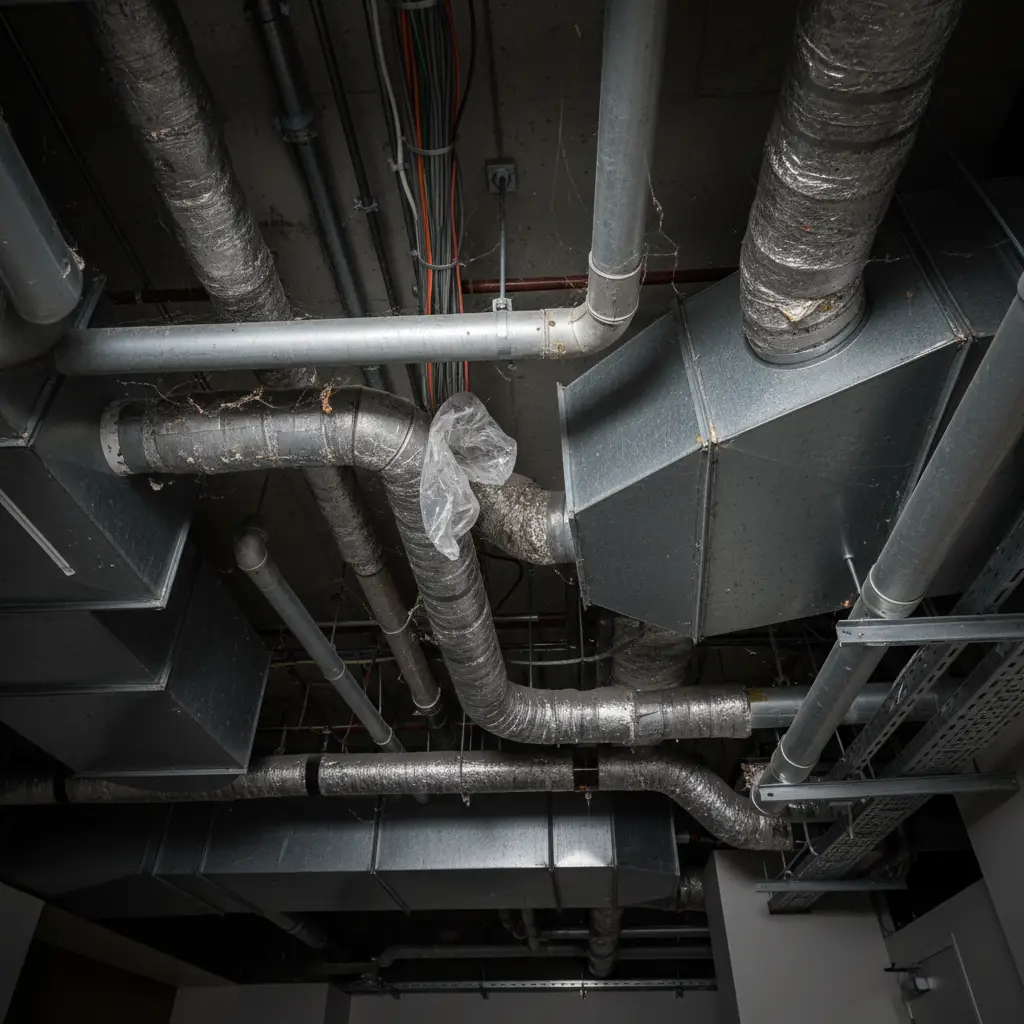
Modern healthcare facilities are intricate labyrinths of interconnected rooms, utility shafts, pipework, and ventilation systems. These complex infrastructures provide numerous hidden pathways and harborage points for pests that are difficult to access and treat. Identifying and sealing these entry points is crucial for effective long-term pest prevention. Regular inspections and a deep understanding of facility blueprints are essential for locating and addressing these concealed pest havens.
Strict Compliance for Healthcare Pest Management in Auckland
Pest control within Auckland’s healthcare sector is not merely about eradication; it is about upholding rigorous standards of hygiene, safety, and regulatory compliance. Facilities must adhere to a complex web of national and international guidelines, including those set by the Ministry of Health, local councils, and various accreditation bodies. Non-compliance can lead to severe penalties, loss of accreditation, reputational damage, and, most importantly, compromised patient care.
Auckland pest control providers working with healthcare facilities must be intimately familiar with these regulations. This includes understanding the specific requirements for documentation, reporting, and the use of approved treatment methods. Integrated Pest Management (IPM) plans developed for healthcare environments are often audited, requiring meticulous record-keeping of all inspections, treatments, and monitoring activities. This level of transparency and accountability is non-negotiable.
Navigating Regulatory Frameworks
In New Zealand, healthcare providers operate under strict health and safety legislation. For example, the Health Act 1956 and subsequent regulations outline requirements for maintaining sanitary conditions. Accreditation standards for hospitals and aged care facilities often include explicit clauses regarding pest management, demanding proactive measures and rapid response protocols for any pest sightings. Compliance extends to ensuring that all pest control products used are approved for sensitive environments and applied by certified technicians following strict safety protocols. For detailed guidelines, authoritative sources like the New Zealand Ministry of Health offer comprehensive information.
Auditing and Documentation Requirements
Regular audits are a cornerstone of healthcare quality assurance. Pest management programs are typically scrutinised as part of these audits. This necessitates a robust documentation system that tracks every aspect of pest control activity: dates of inspection, identified pest types, treatment methods employed, products used (including safety data sheets), efficacy reports, and any recommendations for facility improvements. These records serve as proof of due diligence and demonstrate a commitment to maintaining a pest-free environment.
Non-Toxic & Safe Treatment Options for Sensitive Healthcare Environments
The inherent sensitivities of healthcare settings demand a departure from conventional, chemical-heavy pest control approaches. The presence of patients with compromised immune systems, allergies, and respiratory conditions, along with sensitive medical equipment, makes the use of strong pesticides untenable. Therefore, the focus shifts to non-toxic, low-impact, and environmentally friendly solutions that effectively manage pests without posing risks to human health or the integrity of the facility.
This paradigm shift has led to the adoption of advanced techniques that prioritise prevention, monitoring, and targeted, non-chemical interventions. These methods are designed to minimise disruption to daily operations, avoid unpleasant odours, and ensure patient comfort and safety. For instance, instead of broadcast spraying, technicians might use targeted baits in tamper-proof stations, heat treatments, or exclusion methods.
Integrated Pest Management (IPM) Strategies for Safety
Integrated Pest Management (IPM) is the cornerstone of safe pest control in healthcare. IPM is a holistic, long-term strategy that focuses on prevention and uses a combination of techniques to manage pests with minimal environmental and health risks. Key components of IPM in healthcare include:
- Thorough Inspections: Regular, detailed inspections to identify potential pest entry points, harborage areas, and conducive conditions before infestations take hold.
- Exclusion: Sealing cracks, crevices, and entry points, repairing damaged screens, and installing door sweeps to prevent pest access.
- Sanitation: Advising on proper waste management, food storage, and cleaning protocols to eliminate food sources and breeding sites.
- Monitoring: Strategic placement of non-toxic traps and monitoring devices to detect pest activity early and gauge treatment effectiveness.
- Targeted Treatments: When necessary, using the least-toxic, most effective methods, such as targeted baiting, insect growth regulators (IGRs), or physical removal, rather than broad-spectrum chemical sprays.
- Biological Control: In very specific outdoor applications, beneficial organisms can be used, though this is less common inside critical healthcare zones.
Advances in Eco-Friendly and Low-Toxicity Solutions
Innovations in pest control technology have introduced a range of safe and effective solutions suitable for healthcare facilities in Auckland:
- Gel Baits and Traps: Highly targeted and contained, these deliver active ingredients directly to pests without airborne dispersion, ideal for cockroaches and ants.
- Heat Treatments: For pests like bed bugs, targeted heat treatments can eradicate infestations without any chemical residues, safe for patient rooms and linens.
- Pheromone Traps: Used to monitor and sometimes control specific insect populations by luring them with synthetic pheromones.
- Biological Insecticides: Derived from natural sources, these offer a lower toxicity profile compared to synthetic pesticides.
- Physical Control Methods: Fly light traps, sticky boards, and vacuuming are essential non-chemical tools for immediate pest removal.
Preventing Cross-Contamination Risks in Healthcare Settings
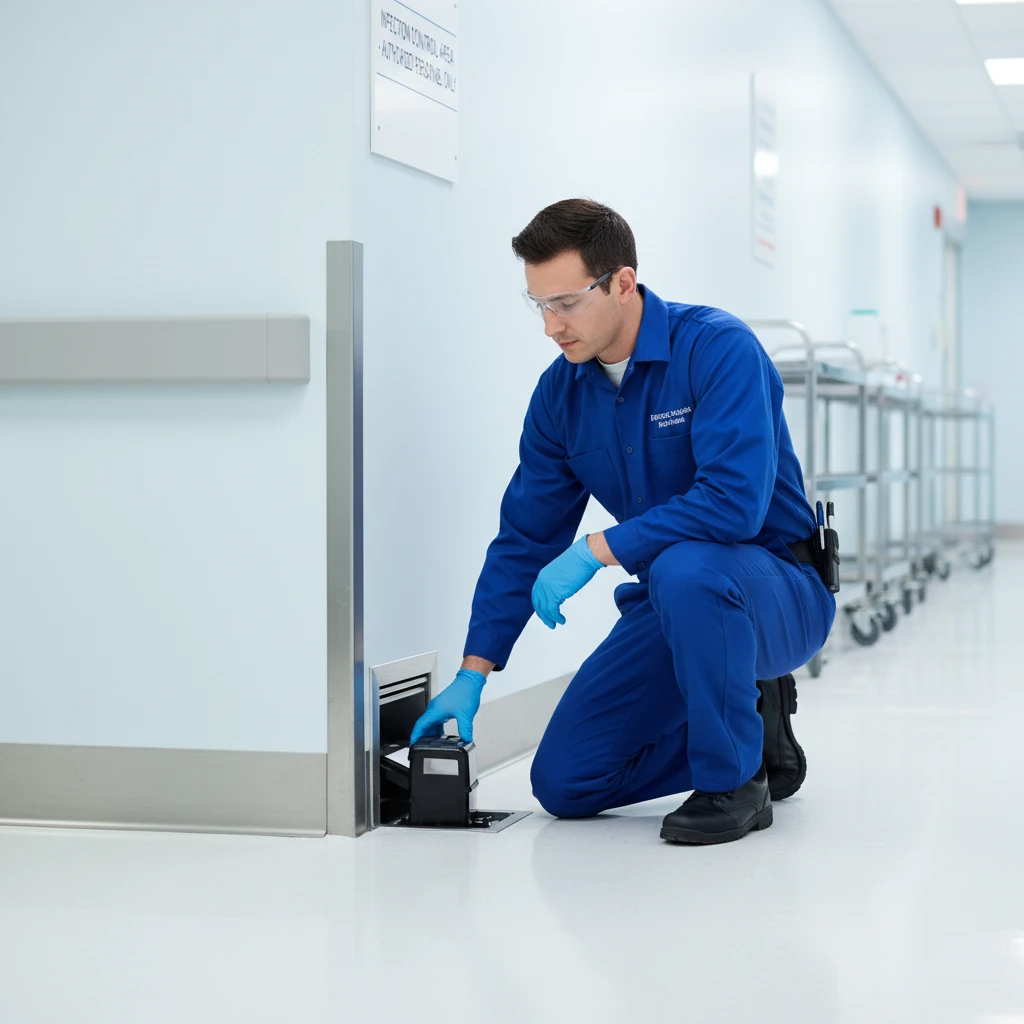
One of the most critical aspects of pest control in healthcare facilities is the absolute necessity of preventing cross-contamination. Pests are notorious carriers of pathogens, bacteria, viruses, and allergens, which they can pick up from unsanitary areas and spread to sterile environments, food preparation zones, patient rooms, and medical equipment. This risk is amplified in healthcare, where even microscopic contamination can have life-threatening consequences for vulnerable patients.
Effective pest management must therefore incorporate stringent measures to mitigate this risk. This goes beyond simply eliminating pests; it involves understanding their movement patterns, potential contamination routes, and implementing barriers to prevent their access to sensitive areas. A comprehensive strategy considers every touchpoint and potential vector.
Identifying and Managing Zones of Risk
Healthcare facilities can be segmented into different zones based on their contamination risk levels:
- High-Risk Zones: Operating theatres, intensive care units (ICUs), sterile processing departments, pharmacies, and food preparation areas. These areas demand zero tolerance for pests and require the most rigorous monitoring and protective measures.
- Medium-Risk Zones: Patient rooms, waiting areas, administrative offices, laundries. While not as critically sterile, these areas still require vigilant pest control to prevent discomfort, stress, and potential disease transmission.
- Low-Risk Zones: Exterior perimeters, loading docks, waste management areas. These are common entry points and require proactive management to prevent pests from infiltrating higher-risk zones.
Pest control strategies must be tailored to each zone, with increasing levels of caution and non-chemical approaches as the risk level rises. For example, aggressive chemical treatments might be used at external perimeters, but only highly targeted, non-toxic methods are acceptable within an ICU.
Reinforcing Sanitation and Structural Integrity
Preventing cross-contamination relies heavily on maintaining impeccable sanitation and structural integrity. Pests are attracted to food debris, stagnant water, and accessible harborage points. By eliminating these attractants and entry points, the risk of pests entering and spreading contaminants is drastically reduced.
- Waste Management: Proper segregation, storage, and timely removal of waste, especially medical and food waste, are paramount. Bins should be securely lidded and regularly cleaned.
- Food Handling: Strict protocols for food preparation, storage, and consumption in staff break rooms and patient meal services are essential. All food items must be stored in sealed containers.
- Cleaning Regimes: Regular and thorough cleaning of all surfaces, floors, and equipment helps remove food residues and pest pheromones.
- Building Maintenance: Prompt repair of cracks in walls and foundations, sealing gaps around pipes and utilities, and ensuring tight-fitting doors and windows create physical barriers against pests. Regular maintenance can also be aided by consulting resources from organisations focused on public health infrastructure, like the World Health Organization, for global best practices in facility hygiene.
Integrated Pest Management (IPM) for Long-Term Healthcare Protection
The efficacy of healthcare facility pest control in Auckland hinges on the implementation of a robust, long-term Integrated Pest Management (IPM) strategy. IPM is not a one-time treatment but an ongoing partnership between the pest control provider and the facility management. It’s a comprehensive approach that minimises risks to patients, staff, and the environment while delivering sustainable pest suppression.
An effective IPM program for healthcare environments combines detailed inspections, accurate pest identification, environmental modifications, and judicious use of control methods, always prioritising the safest and least disruptive options. The goal is to proactively prevent pest issues from arising, rather than reactively treating them, thereby maintaining the sterile and safe conditions that healthcare demands.
Pillars of an Effective IPM Program
- Inspection & Assessment: Regular, thorough inspections by experienced technicians are foundational. This involves identifying pest species, locating entry points, harborage areas, and assessing environmental conditions that might attract pests.
- Monitoring: Strategic placement of non-toxic traps and monitoring stations helps track pest activity, identify trends, and evaluate the effectiveness of control measures. This data-driven approach allows for precise adjustments to the IPM plan.
- Sanitation & Exclusion: Recommending and assisting with improvements to sanitation practices (waste management, food storage, cleaning) and structural exclusion (sealing cracks, repairing screens, installing door sweeps) are vital for long-term prevention.
- Targeted Treatments: When control methods are necessary, preference is given to non-chemical or low-toxicity options. These include baits, traps, insect growth regulators (IGRs), heat treatments, or physical removal, applied in a highly targeted manner to minimise exposure.
- Education & Collaboration: Training facility staff on pest awareness, reporting procedures, and best practices for hygiene and waste management empowers them to be active partners in pest prevention.
- Documentation & Reporting: Meticulous record-keeping of all activities, findings, and recommendations is crucial for compliance, auditing, and continuous improvement of the IPM program.
Adapting to Seasonal Changes and Facility Needs
Pest activity often fluctuates with seasonal changes. An effective IPM program is dynamic, adapting strategies to address seasonal pest pressures, such as increased rodent activity in winter or fly infestations in warmer months. Furthermore, the program must be flexible enough to accommodate changes within the facility, such as renovations, new additions, or shifts in patient demographics, ensuring ongoing protection regardless of evolving operational needs.
Staff Training and Continuous Monitoring: A Collaborative Approach
Pest control in a healthcare facility is not solely the responsibility of the pest management provider; it is a shared commitment that requires active participation from all facility staff. A robust IPM program includes comprehensive staff training and continuous monitoring protocols to create a proactive defence against pests. Empowering employees with knowledge and clear procedures significantly enhances the overall effectiveness of the pest control strategy.
Staff members are the ‘eyes and ears’ on the ground, often the first to notice signs of pest activity or conditions conducive to infestations. Their vigilance and prompt reporting are invaluable. Likewise, continuous monitoring ensures that any new pest threats are identified and addressed quickly, preventing them from escalating into larger, more challenging problems.
Educating Facility Personnel on Pest Awareness
Training programs for healthcare staff should cover several key areas:
- Pest Identification: Basic recognition of common healthcare pests (rodents, cockroaches, flies, ants, bed bugs) and signs of their presence (droppings, gnaw marks, shed skins, live sightings).
- Reporting Procedures: Clear, easy-to-follow protocols for reporting pest sightings to the appropriate internal contact or directly to the pest control provider. This includes details like date, time, location, and type of pest.
- Sanitation Best Practices: Reinforcement of proper waste management, food storage, and cleaning techniques to minimise attractants.
- Entry Point Awareness: How to identify potential pest entry points (e.g., propped-open doors, unsealed windows) and the importance of maintaining structural integrity.
- Personal Hygiene: Emphasising the role of personal hygiene in preventing the introduction of pests like bed bugs from outside.
Regular refreshers and accessible informational materials (posters, handouts) can help maintain a high level of staff awareness and engagement.
The Importance of Ongoing Monitoring and Early Detection
Continuous monitoring is a critical component of any successful IPM program. This involves:
- Strategic Placement of Devices: Non-toxic glue boards, pheromone traps, and insect light traps are strategically placed in key areas to detect pest activity.
- Regular Inspections: Scheduled visits by pest control technicians to inspect these monitoring devices, conduct visual checks, and assess the overall pest pressure.
- Trend Analysis: Data collected from monitoring devices is analysed to identify patterns, evaluate the effectiveness of current strategies, and predict potential future issues. This allows for proactive adjustments to the IPM plan.
- Rapid Response: A clear protocol for immediate investigation and intervention upon any report of pest activity ensures that minor issues are contained before they become major infestations.
Through a collaborative approach involving diligent staff and expert pest control providers in Auckland, healthcare facilities can maintain the highest standards of hygiene and patient safety.
Choosing the Right Healthcare Pest Control Provider in Auckland
Selecting a pest control provider for a healthcare facility in Auckland is a decision that carries significant weight. The unique demands of these sensitive environments mean that not all pest control companies are equipped to meet the stringent requirements. The right provider must possess specialised expertise, adhere to the highest safety and compliance standards, and offer a partnership approach focused on prevention and long-term protection.
This choice directly impacts patient safety, regulatory compliance, and the reputation of the facility. Therefore, a thorough vetting process is essential to ensure that the chosen partner can deliver the unparalleled level of service and expertise required for healthcare pest management.
Key Considerations When Choosing a Provider
- Specialisation in Healthcare: Look for companies with demonstrable experience and specific expertise in serving healthcare facilities (hospitals, clinics, aged care). They should understand the unique challenges and regulatory landscape.
- Certifications & Licensing: Ensure the company and its technicians are fully licensed, insured, and certified to operate in New Zealand. Technicians should have specialised training in healthcare pest management and safe application techniques.
- IPM Approach: The provider must implement a comprehensive Integrated Pest Management (IPM) strategy that prioritises non-toxic, preventative, and long-term solutions over reactive chemical treatments.
- Compliance Knowledge: Verify their understanding of local Auckland council regulations, Ministry of Health guidelines, and relevant accreditation standards for healthcare facilities. They should provide clear documentation for auditing purposes.
- Safety Protocols: Inquire about their safety protocols for chemical use (if any), product selection (non-toxic/low-toxicity), and measures to protect patients, staff, and sensitive equipment during service.
- Discreet & Professional Service: Technicians should be professional, discreet, and aware of the sensitive nature of their work within a healthcare environment. Uniformed, identifiable staff are important.
- Emergency Response: A reliable provider should offer prompt emergency response services for urgent pest issues.
- References & Reputation: Request references from other healthcare clients and check their reputation within the Auckland pest control market.
- Communication & Reporting: Assess their communication style and reporting capabilities. They should provide detailed service reports, recommendations, and maintain open lines of communication.
Building a Long-Term Partnership
The relationship with your pest control provider should be a collaborative partnership. A good provider will work closely with facility management, infection control teams, and staff to continuously improve the IPM program. They should offer regular reviews, staff training, and be responsive to the evolving needs of your healthcare facility. In Auckland’s competitive pest control market, choosing a partner committed to excellence in healthcare is paramount for maintaining sterile, safe, and compliant environments.

People Also Ask
What are the most common pests in Auckland healthcare facilities?
The most common pests found in Auckland healthcare facilities include cockroaches (especially German cockroaches), various ant species, rodents (rats and mice), flies, and occasionally bed bugs, particularly in areas with high patient turnover. These pests are attracted to food sources, warmth, and can enter through deliveries or via visitors.
How often should healthcare facilities undergo pest control inspections?
Healthcare facilities in Auckland typically require frequent and regular pest control inspections, often on a monthly or bi-monthly basis, depending on the facility’s size, risk assessment, and previous pest activity. High-risk areas like kitchens and sterile processing units may require even more frequent monitoring.
Are chemical pesticides safe to use in hospitals and clinics?
While some highly targeted, low-toxicity chemical applications might be used in very specific, isolated areas, general broadcast spraying of chemical pesticides is largely avoided in hospitals and clinics due to the presence of vulnerable patients and sensitive equipment. Healthcare pest control focuses heavily on non-toxic, integrated pest management (IPM) methods such as baits, traps, and exclusion.
What is Integrated Pest Management (IPM) in a healthcare context?
Integrated Pest Management (IPM) in healthcare is a comprehensive, long-term strategy that combines proactive measures like sanitation, structural repairs, and monitoring with targeted, low-impact treatments to prevent and control pests. It prioritises patient and staff safety, regulatory compliance, and environmental protection, rather than relying solely on chemical treatments.
How do healthcare facilities prevent pests from entering?
Healthcare facilities prevent pest entry through a combination of stringent sanitation practices, sealing all cracks and crevices, installing door sweeps and screens, prompt waste management, and meticulous building maintenance. Regular inspections by pest control professionals help identify and seal potential entry points.
Can staff training help with pest control in healthcare?
Absolutely. Staff training is a vital component of effective healthcare pest control. Educating staff on pest identification, reporting procedures, and best practices for hygiene and waste management empowers them to act as an early detection system and proactive partners in maintaining a pest-free environment.