Healthcare facility pest control in Auckland is a critical service designed to maintain the highest standards of hygiene and patient safety within medical environments. It involves implementing highly specialised pest management strategies that adhere to stringent health regulations, ensuring facilities remain sterile, free from pests, and fully compliant with national and local health standards.
Unique Pest Challenges in Healthcare Facilities
Healthcare facilities, including hospitals, clinics, aged care homes, and laboratories across Auckland, present a unique and complex environment for pest management. Unlike typical commercial or residential settings, these facilities operate under continuous stress, with constant human traffic, varied temperature zones, and the presence of food, waste, and sensitive medical equipment. These factors create an ideal breeding ground for a wide array of pests, demanding an exceptionally rigorous and proactive approach to control.
Vulnerability of Clinical Environments
The very nature of clinical environments makes them highly susceptible to pest infestations. Areas like kitchens and cafeterias offer food sources, laundries provide warmth and moisture, and even patient rooms can become havens for pests seeking shelter or sustenance. Pharmaceuticals, medical waste, and sensitive equipment require careful handling, meaning traditional, aggressive pest control methods are often unsuitable. The presence of immunocompromised patients, infants, and the elderly necessitates a profound commitment to non-toxic and non-disruptive treatments. Any disruption, however minor, can compromise patient care or interrupt vital medical procedures, making discretion and precision paramount for healthcare facility pest control in Auckland.
Common Pests in Healthcare Settings
Auckland’s climate and urban density contribute to the prevalence of specific pests that pose significant threats to healthcare facilities. Rodents, such as rats and mice, are notorious for spreading diseases, contaminating surfaces, and gnawing through wiring, which can compromise essential medical equipment. Cockroaches are vectors for bacteria and allergens, thriving in warm, damp areas like boiler rooms and food preparation zones. Ants can contaminate sterile supplies and food. Flies, often overlooked, can carry pathogens from waste bins to open wounds or food. Furthermore, bed bugs can be inadvertently transported into facilities, leading to outbreaks that severely impact patient comfort and facility reputation. Effective healthcare facility pest control in Auckland must address these common threats with targeted, preventative strategies.
The Impact on Patient Health and Reputation
The stakes in healthcare pest control are extraordinarily high. A pest infestation can have dire consequences, directly impacting patient health through the transmission of diseases, allergic reactions, and increased stress. For instance, rodent droppings can transmit Hantavirus, while cockroaches can exacerbate asthma. Beyond immediate health risks, an infestation can severely damage the reputation and public trust in a healthcare institution. News of pest problems can deter patients, lead to regulatory fines, and even result in facility closures. Maintaining a pest-free environment is not merely a matter of hygiene; it is fundamental to patient safety, staff morale, and the financial viability of the facility. Expert healthcare facility pest control in Auckland safeguards both health and reputation.
Strict Compliance in Healthcare Pest Management
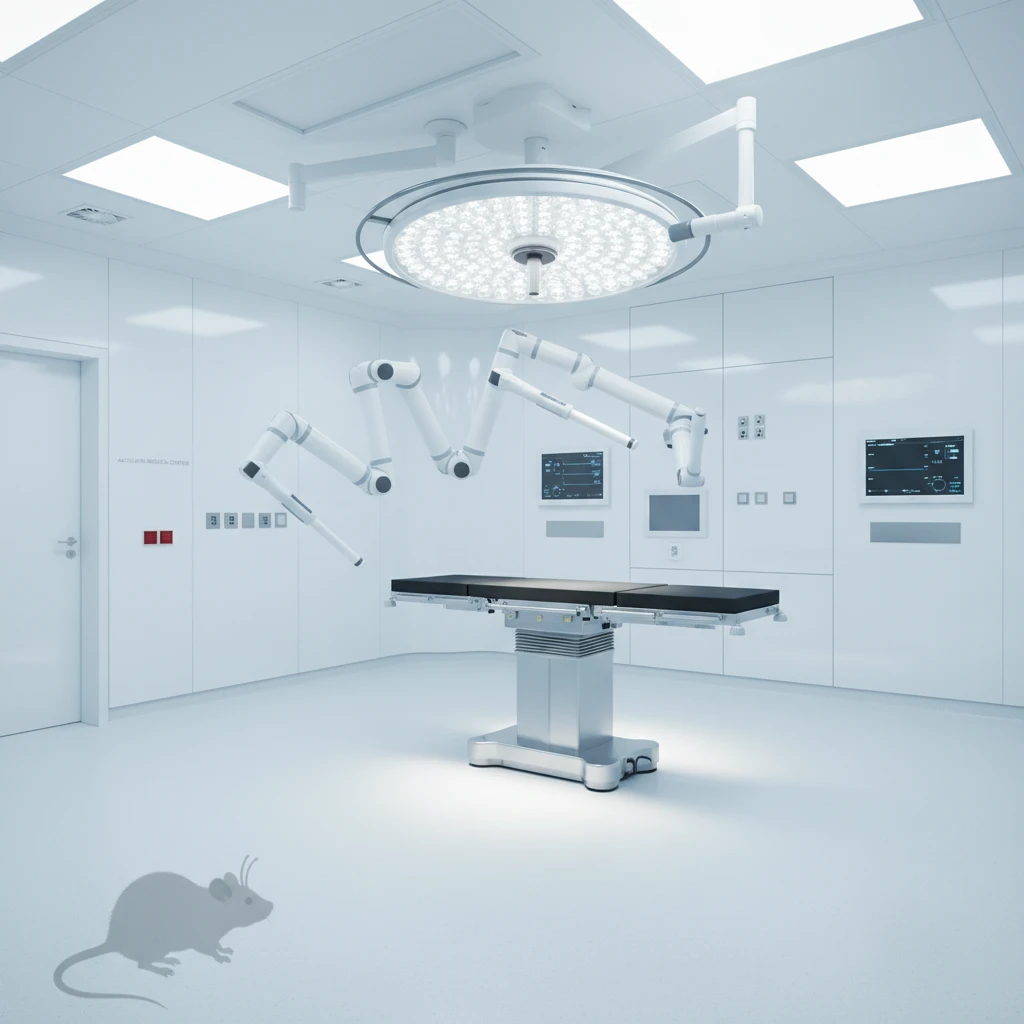
Pest management in healthcare facilities is not just about eliminating pests; it’s about operating within an intricate web of legal, ethical, and health-related compliance standards. In Auckland, and indeed across New Zealand, healthcare providers must adhere to stringent guidelines set by various bodies to ensure patient safety and public health. This demands that any pest control provider operating in this sector possesses an intimate understanding of these regulations and integrates them seamlessly into their service delivery.
Navigating Regulations and Standards
Healthcare facilities in New Zealand are governed by a robust framework of regulations. Key among these are the Health and Safety at Work Act 2015, which mandates safe working environments for staff and patients, and the various standards set by the Ministry of Health and district health boards. These often dictate acceptable pest levels, approved treatment methods, and documentation requirements. Furthermore, food preparation areas within healthcare facilities must comply with the Food Act 2014 and associated food safety programmes. Compliance extends to the selection of pesticides, requiring preference for those with minimal environmental impact and low toxicity, as well as specific application protocols to prevent cross-contamination. A reputable provider of healthcare facility pest control in Auckland will be fully accredited and regularly update their practices to align with the latest regulatory changes.
Integrated Pest Management (IPM) for Healthcare
Integrated Pest Management (IPM) is the cornerstone of effective and compliant pest control in healthcare settings. IPM is a holistic, long-term approach that focuses on prevention, monitoring, and minimal intervention. Rather than relying solely on chemical treatments, IPM integrates several strategies: identifying the root causes of infestations, improving sanitation, sealing entry points, utilising non-chemical traps, and educating staff. For healthcare facilities, IPM means a reduced reliance on chemical pesticides, thereby minimising risks to sensitive patients and medical equipment. This systematic approach ensures that any intervention is targeted, effective, and compliant with health standards, making it the preferred method for healthcare facility pest control in Auckland.
Documentation and Auditing Requirements
Transparency and accountability are paramount in healthcare pest management. Every action taken by a pest control provider must be meticulously documented. This includes detailed reports on pest activity, treatment methods used, substances applied (including Safety Data Sheets), monitoring results, and recommendations for facility improvements. These records are vital for internal auditing, demonstrating compliance with regulatory bodies, and providing a clear history of pest management efforts. Healthcare facilities often undergo regular audits and inspections, where comprehensive pest control documentation is a critical component. Expert healthcare facility pest control in Auckland includes robust reporting mechanisms that provide complete visibility and assurance to facility management and regulatory bodies.
Non-Toxic & Safe Treatment Options for Sterile Environments
The paramount concern in any healthcare facility is the well-being of its patients, staff, and visitors. This principle extends unequivocally to pest control, where the use of traditional, harsh chemical treatments can pose significant risks. Therefore, modern healthcare facility pest control in Auckland places a strong emphasis on non-toxic and ultra-safe treatment options that ensure the sterility and safety of the environment.
Prioritising Patient and Staff Safety
Any pest management strategy within a healthcare environment must put patient and staff safety first. This means strictly avoiding treatments that could trigger allergic reactions, exacerbate respiratory conditions, or contaminate sensitive equipment or sterile areas. Vulnerable populations, such as newborns, post-operative patients, and individuals with compromised immune systems, are particularly susceptible to chemical exposures. Pest control professionals must select products and methods that are approved for use in such sensitive settings, ensuring zero disruption to patient care and no adverse health effects. This commitment to safety defines the best practices for healthcare facility pest control in Auckland.
Advanced Non-Chemical Solutions
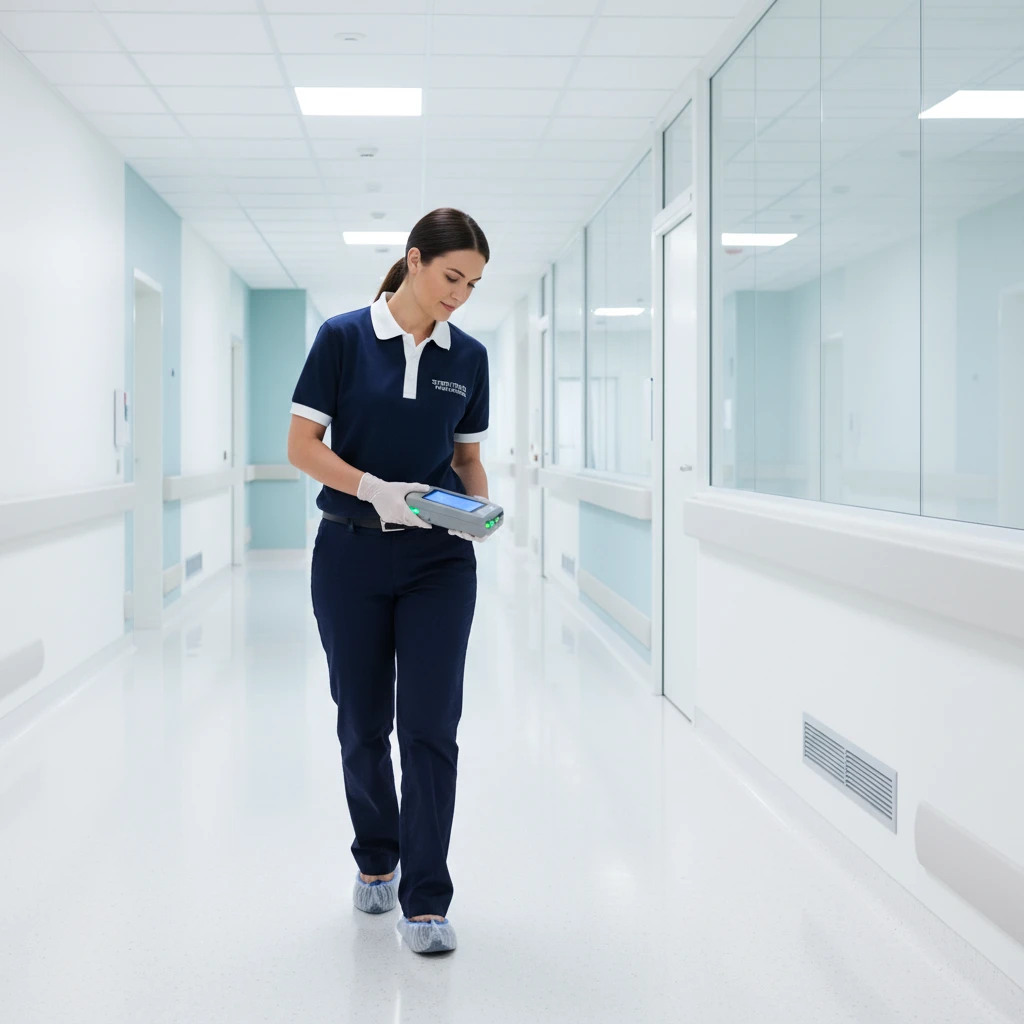
Technological advancements in pest control have opened doors to highly effective non-chemical solutions perfectly suited for healthcare settings. These include:
- Heat Treatments: Ideal for eliminating bed bugs and other insects in specific areas without chemical residue.
- Trapping Systems: Strategic placement of humane traps for rodents and insect monitors provides effective control and ongoing monitoring without pesticides.
- Insect Growth Regulators (IGRs): These compounds disrupt the life cycle of insects, preventing them from maturing and reproducing, offering a targeted approach with low mammalian toxicity.
- Biological Controls: In some very specific and controlled scenarios, natural predators or pathogens might be employed.
- HEPA Vacuuming: Used to physically remove pests, eggs, and droppings, immediately reducing allergen loads and pest populations.
These methods represent the cutting edge of responsible healthcare facility pest control in Auckland, minimising risk while maximising efficacy.
Targeted and Discreet Application Methods
Even when low-toxicity products are deemed necessary, their application in a healthcare facility must be exceptionally targeted and discreet. This involves applying treatments in cracks, crevices, and voids, rather than broadcasting them into open areas. Technicians must work around the facility’s operational schedule, often performing services during off-peak hours or in specific, unoccupied zones to avoid disturbing patients or staff. The use of low-odour or odourless products is also crucial. The goal is to perform effective pest control that is virtually invisible and imperceptible to those within the facility, maintaining the peace and sterility of the environment at all times. This level of precision is a hallmark of professional healthcare facility pest control in Auckland.
Preventing Cross-Contamination Risks and Long-Term Strategies
One of the most critical aspects of pest management in healthcare settings is the absolute imperative to prevent cross-contamination. Pests are notorious vectors for pathogens, and their presence can directly compromise the sterile environment essential for patient care. Effective healthcare facility pest control in Auckland goes beyond merely eliminating pests; it embeds strategies to block contamination pathways and establish robust long-term prevention.
The Role of Sanitation and Housekeeping
Superior sanitation and housekeeping practices are the first line of defence against pest infestations and cross-contamination. Pests are primarily attracted to food sources, water, and harborage. By meticulously managing waste, promptly cleaning spills, ensuring food is stored in airtight containers, and eliminating standing water, healthcare facilities significantly reduce their attractiveness to pests. Regular, thorough cleaning of all areas, especially those prone to moisture and food debris (e.g., kitchens, laundries, utility rooms), disrupts pest breeding cycles and removes their sustenance. Staff education on these best practices is vital, turning every employee into an active participant in maintaining a pest-free environment. This synergistic approach between facility staff and pest control experts is fundamental for effective healthcare facility pest control in Auckland.
Structural Integrity and Exclusion Techniques
Pest exclusion is a proactive strategy focused on physically preventing pests from entering a facility. This involves a thorough inspection of the building’s exterior and interior to identify and seal potential entry points. Gaps around pipes, conduits, windows, and doors, as well as cracks in foundations or walls, can all serve as easy access points for rodents and insects. Implementing measures such as installing door sweeps, sealing utility penetrations, repairing damaged screens, and maintaining well-sealed waste disposal areas are crucial. Regular maintenance of the building’s structural integrity is a long-term investment that significantly reduces the need for reactive pest treatments, thereby enhancing the overall efficacy of healthcare facility pest control in Auckland. Learn more about the critical role of environmental hygiene from authoritative sources like the World Health Organization.
Continuous Monitoring and Education
Effective pest management in healthcare is an ongoing process, not a one-time event. Continuous monitoring using strategically placed traps and sensors allows pest control technicians to detect pest activity early, before it escalates into a full-blown infestation. This proactive monitoring also helps identify specific high-risk areas within a facility. Complementing this is an robust education program for all healthcare staff. Training on pest identification, reporting procedures, and the importance of sanitation empowers staff to be vigilant partners in pest prevention. Regular communication between facility management and the pest control provider ensures that strategies are adapted as needed, reflecting any changes in pest pressure or facility operations. This collaborative, educational approach is key to sustaining superior healthcare facility pest control in Auckland.
Emergency Response Protocols
Despite the most diligent preventative measures, isolated pest incidents can occasionally occur. Having clear, established emergency response protocols is crucial. These protocols outline immediate steps to be taken upon discovery of a pest, including who to contact, how to contain the situation, and what information to relay to the pest control provider. A rapid and coordinated response minimises potential disruption, limits the spread of pests, and ensures that the issue is addressed promptly and effectively, often with specialised, rapid-action treatments that adhere to all safety guidelines. A robust emergency plan is an integral part of comprehensive healthcare facility pest control in Auckland.
Why Choose a Specialised Auckland Provider for Healthcare Pest Control
Selecting the right pest control partner for a healthcare facility in Auckland is not merely a commercial decision; it’s a commitment to patient safety and regulatory compliance. Generic pest control services rarely possess the nuanced understanding and specialised resources required for such sensitive environments. A local, expert provider offering healthcare facility pest control in Auckland brings invaluable advantages.
Local Expertise and Rapid Response
An Auckland-based pest control provider specialising in healthcare facilities possesses intimate knowledge of local pest pressures, environmental factors, and regional regulatory nuances. This local insight allows for more precise risk assessments and highly effective, region-specific treatment plans. Furthermore, proximity enables rapid response times, which are critical in a healthcare setting where an immediate and discreet intervention can prevent a minor incident from escalating into a crisis. The ability to deploy technicians quickly ensures minimal downtime and maximum protection for vulnerable environments. This local advantage is paramount for reliable healthcare facility pest control in Auckland.
Tailored Plans for Diverse Facilities
Healthcare facilities are not monolithic; a large hospital has different needs than a small dental clinic, a specialised laboratory, or an aged care residence. A dedicated healthcare pest control provider understands this diversity and offers customised pest management plans. These plans consider the facility’s specific layout, patient demographic, operational hours, unique vulnerabilities, and regulatory requirements. From a full-scale hospital campus with multiple buildings and complex infrastructure to a single-site medical practice, the approach is always bespoke, ensuring optimal protection without unnecessary intervention or expense. Such tailored solutions are a hallmark of expert healthcare facility pest control in Auckland. For further guidance on maintaining health and safety standards in facilities, refer to resources from the New Zealand Ministry of Health.
Commitment to Discretion and Minimising Disruption
In a healthcare environment, discretion and minimal disruption are non-negotiable. Patients and staff should ideally be unaware that pest control services are being performed. Specialised providers train their technicians in discreet service delivery, including appropriate uniforms, unmarked vehicles where necessary, and silent treatment methods. They work closely with facility management to schedule services during off-peak hours or in unoccupied zones, ensuring that patient care, privacy, and facility operations are never compromised. This unwavering commitment to professionalism, discretion, and a seamless service experience is a defining characteristic of top-tier healthcare facility pest control in Auckland.
By partnering with an Auckland-based specialist, healthcare facilities can ensure they meet and exceed their obligations for patient safety, hygiene, and regulatory compliance, maintaining sterile and welcoming environments for all.
People Also Ask
What pests are most common in Auckland healthcare facilities?
In Auckland healthcare facilities, common pests include rodents (rats, mice), cockroaches (especially German and American species), ants, flies, and occasionally bed bugs. These pests are attracted to food sources, warmth, and shelter, posing significant health risks in sensitive environments.
How do pest control services ensure patient safety in hospitals?
Pest control services ensure patient safety in hospitals by utilising Integrated Pest Management (IPM) strategies, which prioritise non-toxic methods, targeted treatments, and continuous monitoring. They use approved, low-impact products, schedule services discreetly, and focus on prevention to minimise risks to patients and staff.
What regulations govern pest control in healthcare settings in New Zealand?
In New Zealand, pest control in healthcare settings is governed by the Health and Safety at Work Act 2015, Ministry of Health guidelines, and specific requirements under the Food Act 2014 for food preparation areas. These regulations dictate pest levels, approved treatments, and documentation to ensure public health and safety.
Are non-toxic pest control methods effective for healthcare facilities?
Yes, non-toxic pest control methods are highly effective for healthcare facilities, especially as part of an Integrated Pest Management (IPM) plan. Techniques like heat treatments, strategic trapping, insect growth regulators (IGRs), and advanced sanitation address pest issues without exposing vulnerable patients or staff to harmful chemicals.
How often should healthcare facilities in Auckland receive pest control?
Healthcare facilities in Auckland typically require regular, proactive pest control services, often on a monthly or quarterly basis, depending on the facility’s size, location, and specific pest pressures. Continuous monitoring and preventative measures are essential to maintain a pest-free and compliant environment.
What is Integrated Pest Management (IPM) in a healthcare context?
Integrated Pest Management (IPM) in healthcare is a comprehensive, long-term approach that combines multiple strategies to manage pests. It emphasises prevention, monitoring, sanitation, exclusion, and education, using non-chemical methods first, and only applying targeted, low-toxicity treatments as a last resort to minimise risk and maintain sterility.