Hotel pest management in Auckland is a crucial service focused on protecting hospitality establishments from various pest infestations, ensuring guest comfort, maintaining brand reputation, and adhering to strict health and safety standards. It involves comprehensive, proactive strategies and discreet, effective treatments tailored specifically for the unique environment of hotels.
Common Pests in Auckland Hotels
Auckland’s diverse climate and high tourist traffic create an ideal environment for various pests to thrive, posing a constant challenge for hotel operators. Understanding the common culprits and their specific threats is the first step in effective management. From the nearly invisible bed bug to the more apparent rodent, each pest demands a tailored approach to ensure the safety and satisfaction of guests.
Bed Bugs: The Silent Invaders
Bed bugs (Cimex lectularius) are arguably the most feared pest in the hospitality industry. These nocturnal insects feed on human blood, leaving itchy bites and causing significant distress for guests. They are tiny, flat, and can hide in the smallest crevices of mattresses, bed frames, furniture, and even electrical outlets. A single sighting can trigger negative reviews, reputational damage, and substantial financial losses due to room closures and remediation costs. Detection often involves meticulous inspection for tell-tale signs like small blood spots on bedding, dark fecal stains, shed skins, or a musty odor. Their resilience and rapid reproduction make them incredibly difficult to eradicate without professional intervention.
Cockroaches: Resilient and Disease-Spreading
Cockroaches, particularly the German cockroach (Blattella germanica) and the American cockroach (Periplaneta americana), are common inhabitants of hotel kitchens, laundries, and utility areas. These resilient pests are attracted to food waste, moisture, and warmth. Beyond their unsightly presence, cockroaches are carriers of numerous pathogens, including salmonella and E. coli, posing significant health risks to guests and staff. Their ability to rapidly multiply and adapt to various environments makes consistent, professional treatment essential to prevent widespread infestations that can quickly compromise food safety and hygiene standards.
Rodents: Rats and Mice Threats
Rats and mice are not just a nuisance; they are a serious threat to public health and property. Drawn to food sources and shelter, rodents can infest basements, utility rooms, kitchens, and even guest rooms. They gnaw through electrical wiring, plumbing, and structural elements, causing costly damage. More critically, rodents spread diseases such as leptospirosis, hantavirus, and salmonellosis through their urine, feces, and direct contact. Signs of rodent activity include droppings, gnaw marks, scratching noises in walls or ceilings, and visible tracks. Effective rodent control requires integrated strategies that include exclusion, trapping, and baiting, along with rigorous sanitation practices.
Ants: Persistent Foragers
While often seen as less threatening than bed bugs or rodents, ants can still be a significant problem in hotels, particularly if they contaminate food preparation areas or appear in guest rooms. Common species like Argentine ants or black house ants enter buildings in search of food and water, often forming extensive colonies. Their presence, especially in dining areas or mini-bars, can be highly off-putting to guests and signal a lapse in hygiene. Controlling ants requires identifying and treating their nests, as well as implementing strong sanitation protocols to eliminate food sources.
Flies and Mosquitos: Seasonal Annoyances
Flies, including common house flies and fruit flies, are attracted to food waste and can quickly multiply in kitchens and dining areas. They carry bacteria and can contaminate surfaces, posing a health risk. Mosquitoes are particularly prevalent during warmer months, especially in areas with standing water, and can cause itchy bites, disturbing guest comfort. While often managed with basic screens and repellents, persistent issues require professional solutions such as targeted treatments and source reduction strategies.
The Imperative of Discreet Hotel Pest Control
In the hospitality industry, reputation is paramount. A single pest sighting, or even the visible presence of pest control services, can severely damage a hotel’s brand, leading to negative reviews and a decline in bookings. Therefore, discretion is not merely a preference but a fundamental requirement for hotel pest management in Auckland. Hotels need partners who understand the nuances of operating in a sensitive environment, prioritizing guest experience above all else.
Maintaining Guest Comfort and Privacy
Discreet pest control means services are conducted in a manner that minimises disruption and avoids alarming guests. This often involves scheduling treatments during off-peak hours, such as late evenings or early mornings, when guest traffic is minimal. Technicians should arrive in unmarked vehicles and wear plain uniforms, blending seamlessly into the hotel environment rather than drawing unwanted attention. The goal is to perform essential services without guests ever being aware of the ongoing pest management efforts, thus preserving their peace of mind and the hotel’s tranquil atmosphere.
Protecting Brand Image and Reputation
Word-of-mouth and online reviews significantly influence a hotel’s success. A highly visible pest control operation can lead guests to assume an active infestation, even if the service is purely preventative. This perception can quickly spread through social media and review platforms, causing lasting damage to a hotel’s brand image and trustworthiness. Discreet service providers understand the importance of maintaining an impeccable facade, ensuring that the necessary work is carried out efficiently and silently, safeguarding the hotel’s hard-earned reputation.
Rapid and Responsive Service
Despite the best preventative measures, unexpected pest issues can arise. When they do, a hotel needs a pest control partner who can respond rapidly and discreetly. This means having protocols in place for emergency call-outs, with technicians arriving promptly and equipped to handle the situation with minimal fuss. A swift and invisible response helps contain the problem before it escalates, preventing guest complaints and potential operational disruptions. This level of responsiveness is a hallmark of truly discreet and effective hotel pest management.
Non-Toxic and Environmentally Sensitive Options
Modern discreet pest control often incorporates integrated pest management (IPM) principles, which prioritise non-toxic or low-toxicity solutions where possible. This is particularly important in guest rooms, dining areas, and other spaces where guests and staff spend considerable time. Environmentally sensitive treatments reduce chemical exposure, ensuring the safety of all occupants while effectively managing pests. Furthermore, some services include educating hotel staff on early detection and preventative measures, empowering them to be part of the discreet solution without external intervention for minor issues.
Targeted Treatments for Guest Rooms and Common Areas
Effective hotel pest management in Auckland requires a nuanced approach, recognizing that different areas within a hotel present unique challenges and demand specific treatment strategies. A one-size-fits-all solution is ineffective and can compromise safety and efficacy. Professional services employ targeted methods that address the specific pest threats and environmental sensitivities of each zone.
Guest Room Treatment Protocols
Guest rooms are critical areas that demand the utmost care and precision. Bed bugs are the primary concern here, requiring meticulous inspection and treatment. This involves:
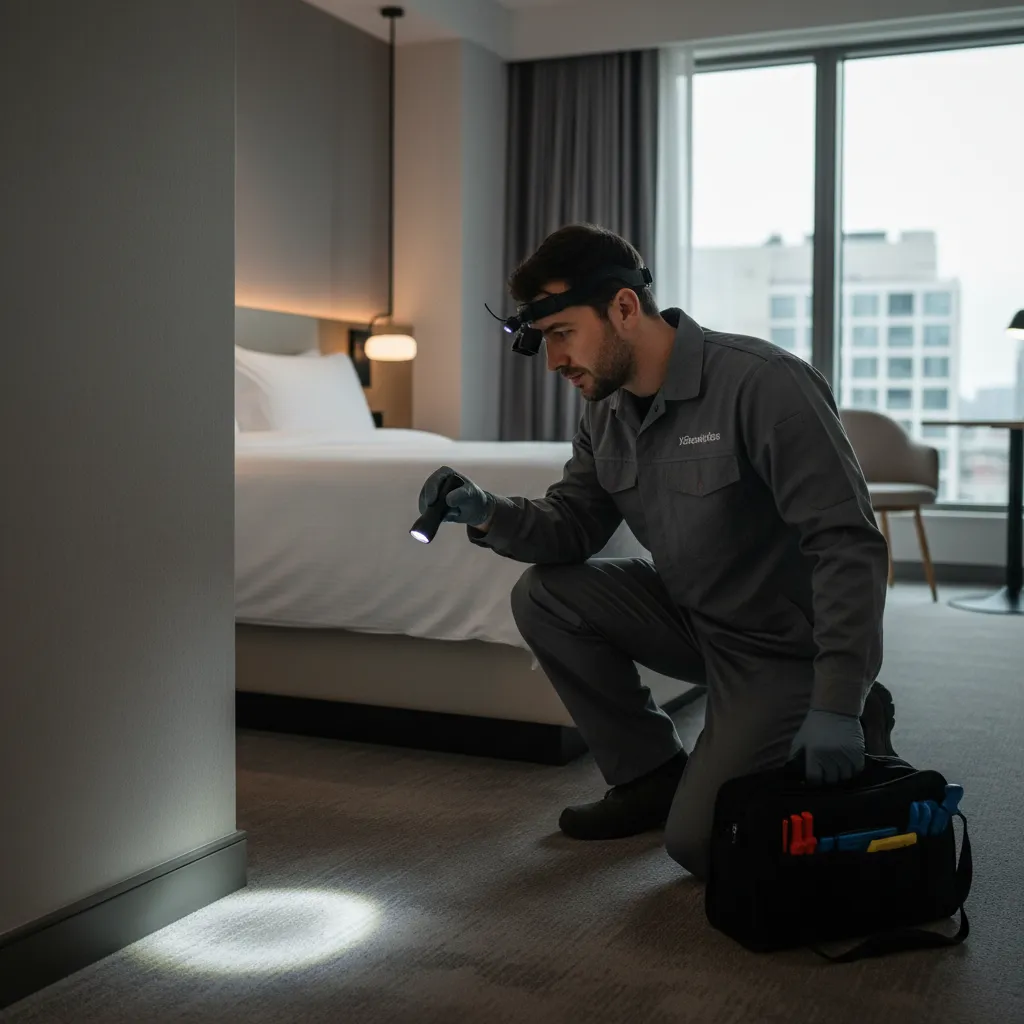
- Thorough Inspection: Technicians conduct detailed inspections of mattresses, box springs, bed frames, headboards, furniture, curtains, and even wall fixtures to identify all hiding spots.
- Localised Treatment: Targeted application of appropriate, fast-acting, and low-odour treatments to cracks, crevices, and other harbourage areas. This might include residual sprays, dusts, or heat treatments, depending on the severity and specific pest.
- Guest Communication: Hotels work with pest control providers to establish clear communication protocols for affected guests, ensuring transparency and offering temporary re-accommodation if necessary.
- Preventative Measures: Advising staff on inspecting linens, luggage racks, and regularly cleaning rooms to prevent new infestations from incoming guests.
For other pests like ants or occasional spiders in guest rooms, the treatment is typically localised and designed to be minimally intrusive, often involving baiting or crack-and-crevice treatments that are not visible to guests.
Common Area Management Strategies
Common areas like lobbies, hallways, restaurants, bars, fitness centres, and conference rooms require different strategies due to higher foot traffic, varied environmental conditions, and the presence of food and beverage.
- Lobbies and Hallways: Focus on entry points for pests like ants, spiders, and occasional rodents. This involves perimeter treatments, sealing gaps, and regular monitoring using discreet bait stations or traps.
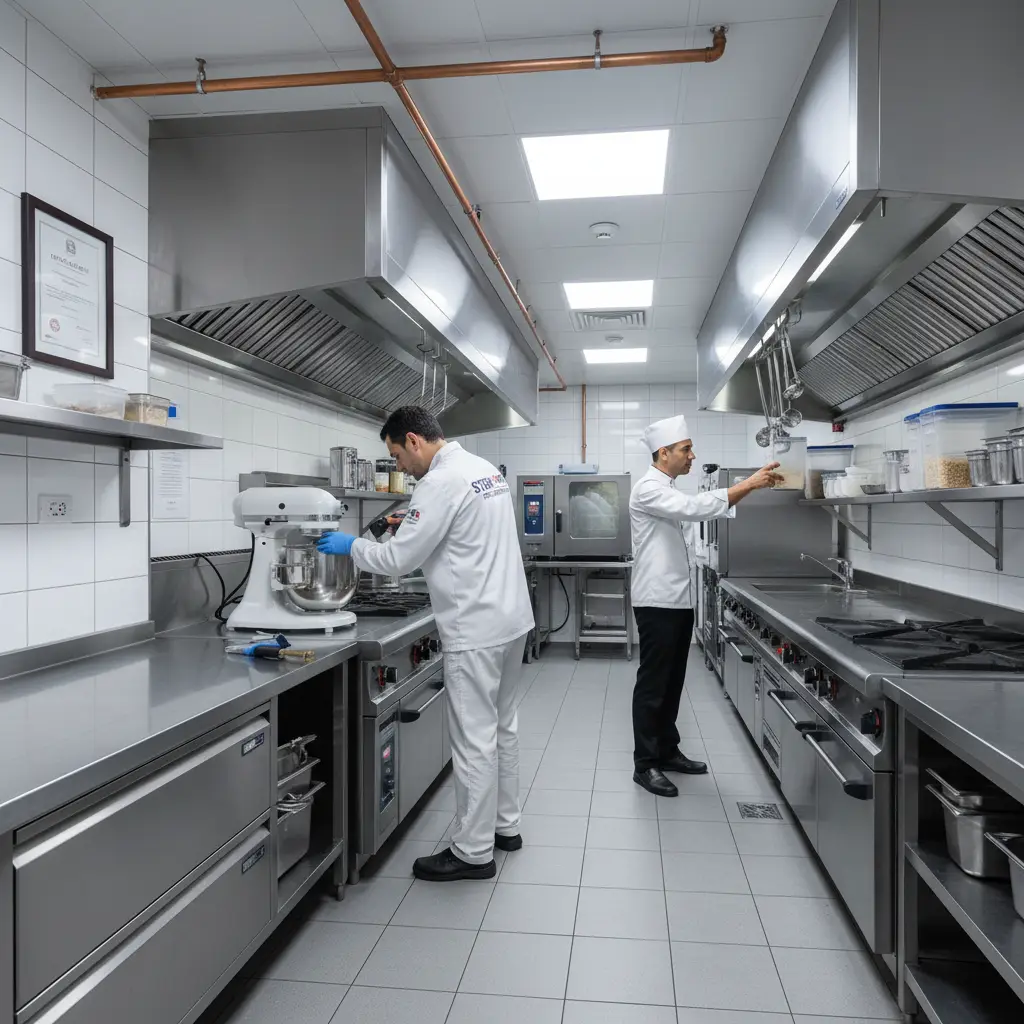
- Restaurants and Kitchens: These areas are highly susceptible to cockroaches, flies, and rodents due to abundant food sources and moisture. Treatment here is stringent, adhering to strict food safety regulations (e.g., HACCP principles). It includes:
- Regular deep cleaning and sanitation advice.
- Targeted gel baits and insect growth regulators for cockroaches.
- Fly control measures like fly lights and residual sprays in non-food contact areas.
- Rodent bait stations strategically placed in non-public view.
- Emphasis on exclusion to prevent pest entry.
- Bars and Cafes: Similar to kitchens, these areas require attention to spills and waste management, with discreet baiting for ants and fruit flies.
- Laundry and Utility Rooms: Attract cockroaches, rodents, and even bed bugs if infested linens are present. Treatment involves crack and crevice treatments and ongoing monitoring.
- Fitness Centres and Spas: Require general pest surveillance for ants, spiders, and occasional rodent activity, with non-toxic solutions preferred for patron safety.
Implementing Robust Long-Term Pest Prevention Plans
While reactive pest control addresses immediate infestations, true hotel pest management in Auckland hinges on proactive, long-term prevention. A comprehensive pest prevention plan safeguards a hotel’s reputation and financial stability by minimizing the risk of future outbreaks. This strategic approach integrates various techniques to create an environment that is inhospitable to pests, reducing reliance on reactive treatments.
Integrated Pest Management (IPM) as the Foundation
At the core of long-term prevention is the philosophy of Integrated Pest Management (IPM). IPM is an ecosystem-based strategy that focuses on long-term prevention of pests through a combination of techniques, such as biological control, habitat manipulation, modification of cultural practices, and use of resistant varieties. For hotels, this translates to:
- Regular Monitoring: Continuous surveillance using traps and inspections to detect pest activity early, before it escalates into a full-blown infestation.
- Identification: Accurate identification of pests to ensure the most effective and targeted control methods are used.
- Environmental Modifications: Altering the hotel environment to make it less appealing to pests.
- Sanitation Programs: Implementing rigorous cleaning schedules and waste management protocols to eliminate food, water, and harborage sources.
- Exclusion: Sealing entry points like cracks, gaps, and poorly fitted screens to prevent pests from entering the building.
- Judicious Use of Pesticides: Applying pesticides only when necessary, in targeted ways, and choosing the least-toxic yet effective options.
Scheduled Inspections and Maintenance
Routine, scheduled inspections by experienced pest control technicians are vital. These inspections go beyond simple visual checks, often utilizing tools like UV lights for rodent urine detection or specialized equipment for bed bug detection. During these visits, technicians assess potential vulnerabilities, recommend structural repairs (e.g., sealing gaps, repairing leaky pipes), and update bait stations or traps as needed. A robust maintenance schedule also includes regular checks of exterior perimeters, waste disposal areas, and landscaping to address external pest pressures before they become internal problems.
For instance, managing vegetation around the hotel perimeter can significantly reduce entry points for rodents and insects, as dense foliage can serve as harborage. For more information on effective pest exclusion strategies, resources like Wikipedia’s page on Pest Control provide valuable general insights.
Staff Training and Awareness
Hotel staff are the first line of defense against pests. Implementing a comprehensive training program for all employees—from housekeeping and maintenance to front desk and kitchen staff—is crucial. This training should cover:
- Early Detection: How to identify common pest signs (droppings, gnaw marks, unusual odours, live specimens).
- Reporting Procedures: Clear protocols for reporting any suspected pest activity promptly to management or the designated pest control liaison.
- Sanitation Best Practices: Reinforcing proper food storage, waste disposal, and cleaning techniques.
- Guest Handling: How to discreetly manage guest concerns regarding pests, should they arise, and ensure a swift resolution.
Empowering staff with this knowledge fosters a proactive culture and ensures that potential issues are addressed quickly, minimizing disruption and cost.
Documentation and Reporting
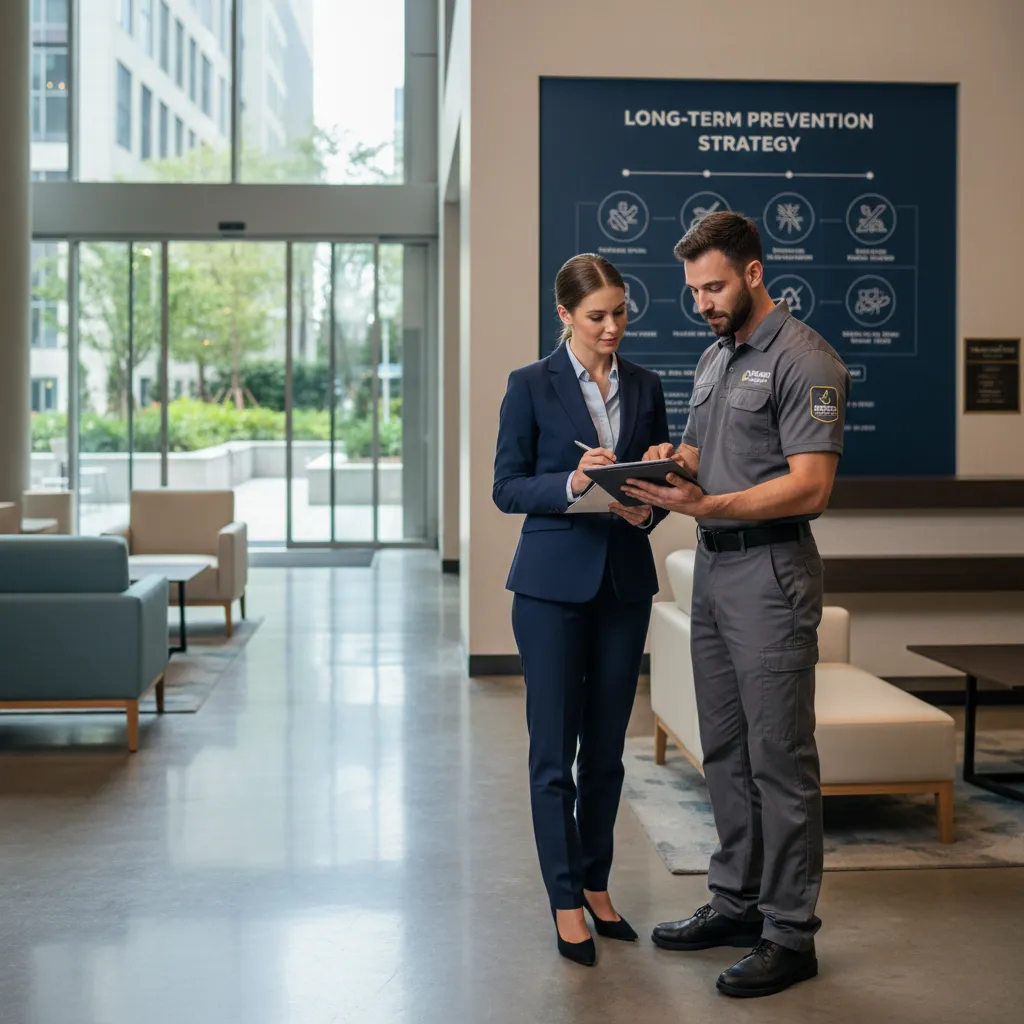
A well-structured long-term prevention plan includes meticulous documentation and reporting. This involves maintaining detailed records of all inspections, treatments, pest sightings, and recommendations. These records provide a historical overview of pest activity, allow for analysis of trends, and demonstrate compliance with health and safety regulations. Regular reports from the pest control provider help hotel management understand the ongoing situation, track progress, and make informed decisions about future strategies.
Furthermore, understanding the local regulations for pest control in commercial settings, particularly concerning food premises, is vital. New Zealand’s Ministry for Primary Industries (MPI) sets guidelines for food safety, which inherently include pest management. Referencing official sources such as the MPI website can provide critical information for compliance.
Ensuring Compliance and Sustained Protection
Beyond immediate pest eradication, effective hotel pest management in Auckland involves navigating complex regulatory landscapes and committing to sustained protection. Hotels must adhere to strict health and safety standards, and robust pest control strategies are integral to meeting these obligations, ensuring continuous guest and staff welfare.
Adherence to Health and Safety Regulations
Hotels in Auckland, like all hospitality businesses, are subject to various health and safety regulations. These include local council bylaws, national health acts, and food safety standards (such as those overseen by MPI). Pests can compromise food safety, spread diseases, and create unhygienic conditions, leading to regulatory breaches, fines, and even temporary closure. A professional pest management service ensures that all treatments and protocols comply with current legislation, providing peace of mind and safeguarding the hotel from legal and operational repercussions. This includes using approved pesticides, maintaining records of applications, and implementing practices that protect public health.
Environmental Responsibility and Sustainable Practices
Modern pest management increasingly emphasizes environmental responsibility. Hotels are often keen to adopt sustainable practices, and their pest control partners should reflect this. This means prioritising eco-friendly options, reducing reliance on broad-spectrum chemical treatments, and focusing on non-chemical methods wherever feasible. IPM principles inherently support this, by focusing on prevention and minimal intervention. A commitment to sustainable pest management not only benefits the environment but also aligns with the growing demand from guests for responsible and environmentally conscious businesses.
Continuous Review and Adaptation
Pest pressures are not static; they evolve with seasons, environmental changes, and even new travel patterns. A successful long-term pest management plan is therefore dynamic, not fixed. It requires continuous review and adaptation. Regular meetings between hotel management and pest control providers allow for evaluation of current strategies, analysis of monitoring data, and adjustments based on emerging threats or changing operational needs. This iterative process ensures that the hotel remains protected against new challenges, maintaining a high standard of pest-free operation year-round.
Ultimately, investing in professional, discreet, and proactive hotel pest management in Auckland is an investment in a hotel’s reputation, guest satisfaction, and long-term success. It’s about creating a safe, hygienic, and welcoming environment where guests can relax without the unwelcome intrusion of pests, allowing the hotel to focus on delivering exceptional hospitality.
People Also Ask
What are the most common pests found in Auckland hotels?
The most common pests found in Auckland hotels include bed bugs, various species of cockroaches (especially German and American), rodents (rats and mice), ants, and flies. Bed bugs are particularly problematic due to their direct impact on guest comfort and reputation, while cockroaches and rodents pose significant health and hygiene risks, particularly in food preparation areas.
Why is discreet pest control essential for hotels?
Discreet pest control is essential for hotels to protect their brand reputation and guest experience. Visible pest control activities can alarm guests and lead to negative reviews, causing significant financial and reputational damage. Professional services operate during off-peak hours, use unmarked vehicles, and employ methods that are minimally intrusive to ensure guests remain unaware of the ongoing pest management efforts.
How often should hotels in Auckland get pest inspections?
Hotels in Auckland should ideally undergo professional pest inspections at least quarterly, but more frequent inspections (monthly or bi-monthly) may be necessary for high-risk areas like kitchens, laundries, or in properties with a history of pest issues. Proactive and regular monitoring is key to early detection and prevention, especially for pests like bed bugs that can be introduced by guests.
What is Integrated Pest Management (IPM) and how does it apply to hotels?
Integrated Pest Management (IPM) is a holistic approach to pest control that focuses on long-term prevention through a combination of techniques. For hotels, this involves regular monitoring, sanitation improvements, exclusion methods (sealing entry points), staff training, and the judicious use of targeted treatments only when necessary. IPM minimizes environmental impact and reduces reliance on chemical pesticides, ensuring a safer environment for guests and staff.
Can hotel staff assist in pest prevention?
Absolutely. Hotel staff are crucial in pest prevention. Training programs can educate them on identifying early signs of pest activity, proper waste management, food storage, and reporting procedures. Housekeeping staff can be trained to look for bed bug signs during room cleaning, while kitchen staff can maintain strict hygiene to deter cockroaches and rodents. Empowering staff creates a proactive defense against infestations.
What are the legal implications for hotels with pest infestations in Auckland?
Hotels with pest infestations in Auckland can face significant legal and regulatory repercussions. These may include breaches of health and safety regulations (e.g., local council bylaws, national health acts, food safety standards by MPI), leading to fines, mandatory closures, and damage to business licenses. Persistent infestations can also result in civil claims from affected guests, underscoring the importance of robust pest management.