
Hotel Pest Management Auckland refers to specialized services designed to protect Auckland’s hospitality establishments from pests. It involves integrated strategies focusing on prevention, early detection, and discreet eradication to ensure guest comfort, maintain brand reputation, and comply with health standards, crucial for hotels, motels, and resorts in the region.

Common Pests in Hotels
Auckland’s vibrant climate and bustling tourism industry make hotels particularly susceptible to a range of pests. Understanding these common invaders is the first step towards effective management. Each pest presents unique challenges and requires specific strategies for control and prevention.
Bed Bugs: The Silent Invaders
Bed bugs (Cimex lectularius) are arguably one of the most feared pests in the hospitality industry. These nocturnal insects feed on human blood, causing itchy bites and significant distress to guests. They are tiny, reddish-brown, and typically hide in mattresses, bed frames, headboards, and even cracks in walls, making them difficult to spot. A single guest can unknowingly introduce them, leading to rapid infestations that can spread throughout rooms if not addressed promptly and thoroughly. Signs of bed bugs include small blood spots on bedding, dark fecal spots, shed skins, and a musty odor in heavily infested areas.
Cockroaches: Health Hazards and Reputational Risks
Cockroaches, particularly the German cockroach (Blattella germanica), thrive in warm, humid environments with access to food and water – conditions commonly found in hotel kitchens, laundries, and bathrooms. These resilient pests carry bacteria and pathogens, posing significant health risks and potentially contaminating food preparation areas. Their presence can severely damage a hotel’s reputation, leading to negative reviews and loss of business. They are nocturnal and incredibly adept at hiding in small cracks and crevices, often requiring professional intervention for complete eradication.
Rodents: Damage and Disease Carriers
Mice and rats are not only a nuisance but also a serious health concern. They can chew through electrical wiring, plumbing, and structural elements, causing costly damage. More critically, rodents are carriers of numerous diseases, posing risks to both guests and staff. They can contaminate food and surfaces with their droppings and urine. Signs of a rodent infestation include droppings, gnaw marks, scurrying sounds in walls or ceilings, and visible sightings, especially at night. Their ability to reproduce quickly means that even a small initial presence can escalate into a major problem without swift action.
Ants and Flies: Persistent Nuisances
While often seen as less threatening than bed bugs or rodents, ants and flies can be a persistent nuisance that detracts from the guest experience. Ants are attracted to food crumbs and spills, often forming visible trails through guest rooms and dining areas. Flies, particularly fruit flies and house flies, are drawn to food waste and can quickly multiply, becoming a significant annoyance in dining areas, bars, and even guest rooms, especially during warmer months. Both can indicate sanitation issues and contribute to a perception of uncleanliness, impacting guest satisfaction.
Why Specialized Hotel Pest Management is Crucial in Auckland
For hotels in Auckland, pest management is not merely about eliminating unwanted insects or rodents; it is an integral part of maintaining operational excellence, safeguarding brand integrity, and ensuring guest satisfaction. The unique challenges of the hospitality sector demand a specialized approach.
Reputation and Guest Experience
In today’s interconnected world, a single pest sighting can swiftly become a viral online review, severely damaging a hotel’s reputation. Guests expect a pristine, comfortable environment, and any encounter with pests can lead to immediate dissatisfaction, negative feedback, and a drastic drop in bookings. Specialized hotel pest management prioritizes proactive measures and discreet treatment, ensuring that pest issues are resolved before they impact the guest experience or become public knowledge. Protecting your reputation is paramount for sustained success in a competitive market.
Health and Safety Compliance
Hotels in New Zealand, including Auckland, are subject to stringent health and safety regulations. These regulations cover everything from food hygiene to general cleanliness and the absence of pests. Infestations can lead to severe penalties, including fines, temporary closures, and long-term operational restrictions. Professional hotel pest management ensures compliance with these critical standards, implementing strategies that not only eradicate pests but also maintain a safe and hygienic environment for all occupants. This includes adherence to HACCP principles in food preparation areas and general hygiene protocols.
Economic Impact
The financial ramifications of a pest infestation extend far beyond the cost of treatment. Hotels may face significant losses due to cancelled bookings, compensation for inconvenienced guests, potential litigation, and the expense of extensive repairs if pests cause structural damage. Furthermore, the cost of emergency pest control is typically higher than that of a proactive, planned prevention program. A robust pest management strategy minimizes these potential economic liabilities, protecting the hotel’s bottom line and ensuring long-term profitability.
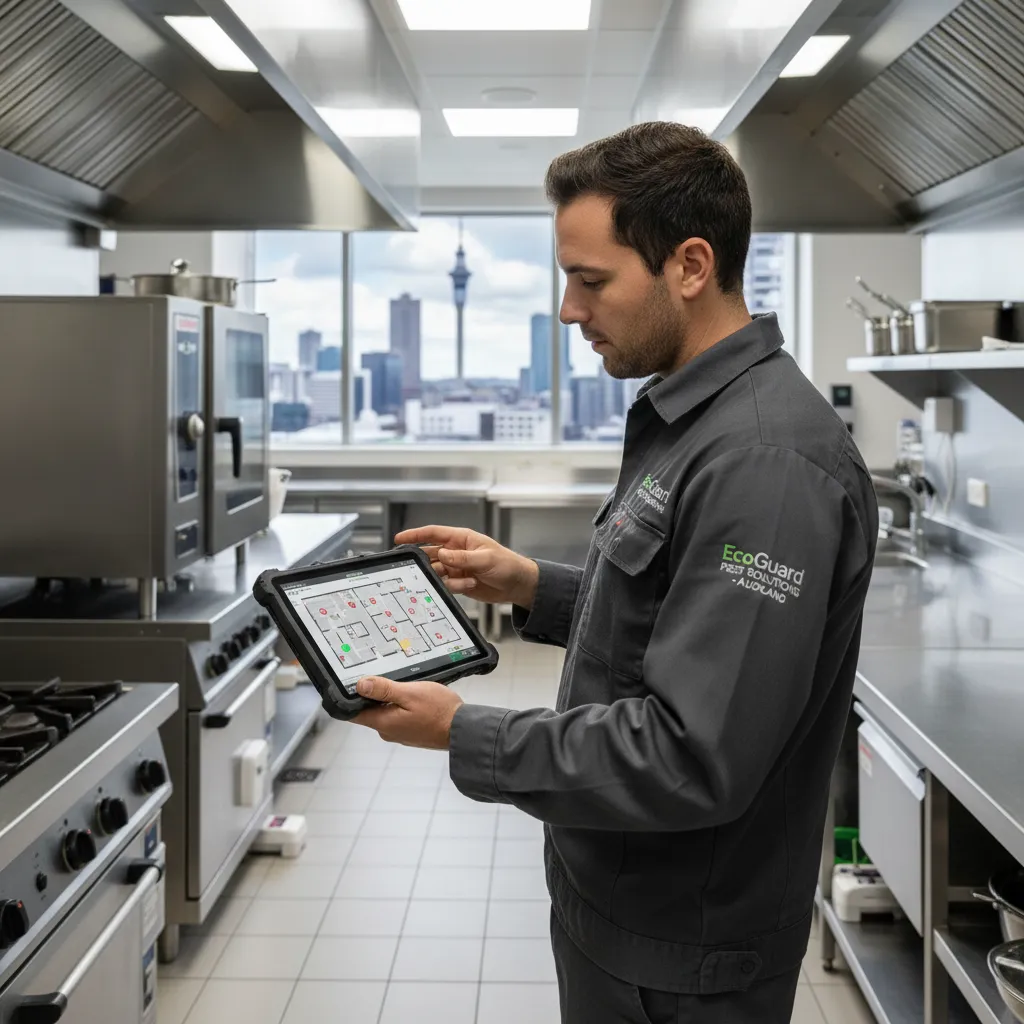
Discreet Pest Control Services
In the hospitality industry, the manner in which pest control is carried out is almost as important as the effectiveness of the treatment itself. Discretion is paramount to maintain guest comfort, privacy, and the hotel’s seamless operation.
Importance of Discretion
Guests arriving at a hotel expect a relaxing and pristine environment. Witnessing pest control activities, such as technicians in branded uniforms or noticeable equipment, can cause alarm, discomfort, and raise questions about the hotel’s cleanliness. Discreet services ensure that essential pest management tasks are performed without drawing undue attention, safeguarding the guest experience and preventing negative perceptions that could harm the hotel’s brand image. This often involves planning treatments during off-peak hours or utilizing unmarked vehicles.
Methods for Discreet Service
Professional pest management providers specializing in hotels employ several strategies to ensure discretion. This includes using unmarked vehicles, allowing technicians to blend seamlessly into the hotel environment. Scheduling treatments during late-night or early-morning hours, when guest traffic is minimal, further minimizes visibility. Furthermore, using low-odor or odorless products and non-invasive techniques reduces disruption and prevents unpleasant lingering smells that could alert guests. Technicians are trained to operate quietly and efficiently, respecting the privacy of guests and the operational flow of the hotel.
Staff Training and Communication
Effective discreet pest control also relies heavily on the collaboration between the hotel staff and the pest management team. Hotel employees, particularly housekeeping, front desk, and maintenance staff, are often the first to notice signs of pest activity. Training hotel staff on basic pest identification and proper reporting protocols is crucial. This enables early detection, allowing pest professionals to intervene before an issue escalates. A clear communication channel between hotel management and the pest control provider ensures that services are coordinated efficiently, with minimal disruption and maximum discretion.
Integrated Pest Management (IPM) for Hotels
For modern hospitality establishments, a reactive approach to pest control is insufficient. Integrated Pest Management (IPM) offers a comprehensive, proactive, and sustainable strategy essential for long-term pest prevention and control in hotels.
What is IPM?
Integrated Pest Management (IPM) is an ecosystem-based strategy that focuses on long-term prevention of pests through a combination of techniques, such as biological control, habitat manipulation, modification of cultural practices, and use of resistant varieties. Pesticides are used only when necessary and in a manner that minimizes risks to human health, beneficial and non-target organisms, and the environment. In a hotel context, IPM means moving beyond simply spraying chemicals to eradicate pests, instead focusing on understanding pest biology, their entry points, and environmental factors contributing to infestations.
Key Principles of IPM
IPM operates on several core principles: Inspection and Monitoring involves regular, thorough checks to identify pests early, determine their species, and understand the extent of infestation. Identification ensures the correct pest is targeted with the most effective method. Prevention strategies, such as sealing entry points, improving sanitation, and removing food and water sources, are prioritized. Non-chemical treatments, like traps, heat treatments, or vacuuming, are explored first. Chemical intervention is used only as a last resort, applied precisely and minimally, and typically with products designed for sensitive environments. Evaluation of the program’s effectiveness is continuous, allowing for adjustments and improvements.
Benefits of IPM for Hospitality
Implementing an IPM program offers numerous benefits for hotels. It leads to more sustainable and environmentally friendly pest control, reducing reliance on broad-spectrum pesticides. This is particularly important for guest safety and comfort, as it minimizes exposure to chemicals and reduces the likelihood of allergic reactions or respiratory issues. IPM provides more effective long-term control by addressing the root causes of infestations, rather than just treating symptoms. This proactive approach helps maintain a consistent pest-free environment, protects the hotel’s brand image, ensures regulatory compliance, and ultimately reduces overall pest-related costs over time. Furthermore, it often involves educating staff, empowering them to be part of the solution.
Guest Room & Common Area Treatment
Addressing pests in a hotel requires a segmented approach, carefully targeting different zones based on their unique vulnerabilities and typical pest inhabitants. The sensitivity of guest rooms contrasts with the high-traffic, food-centric nature of common areas, demanding tailored strategies.
Targeted Room Treatments
Guest rooms are paramount in a hotel’s operation, and any pest issue here can directly impact guest satisfaction. Bed bugs are a primary concern, necessitating meticulous inspections of mattresses, box springs, headboards, and furniture. Treatments often involve a combination of chemical and non-chemical methods, such as heat treatments or steam, to ensure thorough eradication without damaging hotel property. For other pests like ants or occasional spiders, targeted gel baits or spot treatments are applied discreetly and safely, ensuring that rooms are ready for re-occupancy swiftly and without lingering odors or residues. Regular preventative checks are also crucial, especially during room turnovers.
Lobby, Restaurants, Kitchens
Common areas and food service zones present distinct challenges. Lobbies, with their constant influx of people, can be entry points for various pests. Restaurants and kitchens, however, are high-risk areas due to abundant food and water sources. Here, the focus is on rigorous sanitation protocols combined with strategic placement of traps and bait stations for cockroaches, rodents, and flies. For kitchens, strict adherence to food safety guidelines and HACCP principles is critical, with treatments designed to be non-toxic and non-contaminating to food preparation surfaces. Dining areas require discreet monitoring and immediate response to any pest sightings, often outside operating hours. More information on general pest management practices can be found on reputable sites like Wikipedia’s page on Pest Control.
Laundry & Storage Areas
Often overlooked, laundry and storage areas can become breeding grounds or harborage points for pests if not managed properly. Laundry rooms provide warmth and humidity, potentially attracting cockroaches and silverfish. Storage areas, particularly those holding linens, dry goods, or old furniture, can harbor rodents, cockroaches, and even bed bugs if infested items are stored without proper inspection. Treatment here involves comprehensive inspections, sealing cracks, reducing clutter, and strategic placement of monitors or baits. Ensuring these areas are clean, dry, and well-ventilated is key to preventing infestations from spreading to guest-facing parts of the hotel.
Long-Term Pest Prevention Plans
Effective pest management in hotels is not a one-time event but an ongoing commitment. Implementing robust long-term prevention plans is fundamental to safeguarding a hotel’s integrity and ensuring a consistently pest-free environment.
Regular Inspections & Monitoring
The cornerstone of any effective long-term pest prevention plan is consistent vigilance. Regular, scheduled inspections by trained pest management professionals allow for early detection of pest activity before it escalates into a full-blown infestation. These inspections should cover all vulnerable areas, from guest rooms and common areas to utility closets, basements, and exterior perimeters. The use of monitoring devices, such as sticky traps or pheromone traps, helps track pest populations, identify specific species, and pinpoint entry points or harborage areas, allowing for targeted and proactive interventions. Detailed record-keeping of these activities provides valuable data for continuous improvement.
Exclusion Techniques
Preventing pests from entering the building in the first place is often the most effective and sustainable long-term strategy. This involves implementing robust exclusion techniques. Sealing cracks and crevices in foundations, walls, and around pipes and utility lines denies pests easy access. Installing door sweeps on all exterior doors, repairing damaged window screens, and ensuring proper sealing around windows are also critical. For larger openings, such as loading dock doors, installing air curtains or strip doors can deter flying insects and rodents. Regular maintenance checks should be conducted to ensure these barriers remain intact and effective, as even a small gap can be an invitation for pests.
Sanitation Protocols
Pests are primarily attracted to food, water, and shelter. By meticulously managing these resources, hotels can significantly reduce their attractiveness to pests. Implementing stringent sanitation protocols across all departments is vital. This includes immediate cleanup of food spills, proper storage of food in sealed containers, regular emptying of trash bins, and consistent cleaning of kitchens, dining areas, and guest rooms. Waste management strategies should also be optimized, ensuring dumpsters are clean, have tight-fitting lids, and are located away from the building. Addressing leaks and moisture issues promptly will eliminate essential water sources for many pests, particularly cockroaches and rodents. Maintaining a high standard of cleanliness acts as a natural deterrent.
Staff Education Programs
A hotel’s staff are its eyes and ears, and their involvement is indispensable for a successful long-term pest prevention strategy. Comprehensive staff education programs should be implemented across all departments. Housekeeping staff should be trained to recognize early signs of bed bugs or other pests during their cleaning routines and how to report them. Kitchen staff need to understand food safety and sanitation best practices to prevent cockroach and rodent infestations. Maintenance teams should know how to identify and seal potential entry points. Empowering employees with this knowledge and establishing clear reporting procedures creates an ‘early warning system’ that can significantly enhance the overall effectiveness of the hotel’s pest management plan, turning every staff member into an active participant in maintaining a pest-free environment.
Choosing the Right Pest Management Partner in Auckland
Selecting the ideal pest management partner for your Auckland hotel is a critical decision that impacts guest satisfaction, reputation, and operational efficiency. It’s essential to look beyond basic services and choose a provider that understands the unique nuances of the hospitality sector.
Experience & Specialization
The first criterion should be the company’s experience and specialization in hotel pest management. General pest control differs significantly from the specialized needs of a hotel. A partner with a proven track record in the hospitality sector will understand the importance of discretion, the specific pests common to hotels, the high-traffic nature of the environment, and the need for rapid, effective, and minimally disruptive solutions. Inquire about their experience with bed bug protocols, rodent exclusion for commercial buildings, and food safety standards relevant to hotel kitchens.
Licensing & Certifications
Ensure that any prospective pest management provider is fully licensed and certified to operate in New Zealand and Auckland. This guarantees they meet industry standards, employ trained and qualified technicians, and adhere to safety regulations. Professional certifications, such as membership in national pest control associations, indicate a commitment to best practices, ongoing training, and ethical service delivery. Always ask for proof of insurance and licensing to protect your hotel from any liability.
Responsive & Reliable
In the hotel industry, a pest sighting can quickly become an emergency. Your chosen partner must be highly responsive, offering prompt service and emergency call-outs. Reliability is key; they should adhere to scheduled visits, communicate effectively, and provide detailed reports after each service. A proactive service includes regular monitoring and scheduled preventative treatments, not just reactive interventions. Look for a partner who offers a dedicated account manager for your hotel, ensuring consistent communication and a deep understanding of your specific needs.
Tailored Solutions
Every hotel is unique, with different layouts, guest demographics, and specific pest vulnerabilities. A one-size-fits-all approach to pest control is rarely effective. The best pest management partner will offer tailored solutions, developing a customized Integrated Pest Management (IPM) plan specifically for your Auckland hotel. This plan should consider your hotel’s size, operational hours, common pest threats, and any specific concerns you might have. They should be willing to conduct a thorough initial assessment and provide a detailed proposal outlining their strategies, recommended treatments, and ongoing prevention measures. For further guidance on selecting professional services, you may refer to resources from local government or health authorities, such as the Auckland Council.
Conclusion
Effective hotel pest management in Auckland is more than just a service; it’s a fundamental pillar of operational excellence, guest satisfaction, and brand protection. By embracing a proactive, discreet, and integrated approach, hotels can effectively mitigate risks from common pests like bed bugs, cockroaches, and rodents. Investing in a specialized pest control partner that understands the unique demands of the hospitality industry ensures not only compliance with health standards but also fosters an environment of comfort and trust for every guest. Safeguard your reputation and secure your success with a robust, long-term pest prevention strategy.
People Also Ask
What are the most common pests found in Auckland hotels?
The most common pests found in Auckland hotels include bed bugs, cockroaches (especially German cockroaches), rodents (mice and rats), and various types of ants and flies. Each poses unique challenges to guest comfort and hotel hygiene.
How can hotels prevent bed bug infestations?
Bed bug prevention in hotels involves regular, thorough inspections of guest rooms (especially mattresses and headboards), staff training for early detection, sealing cracks and crevices, and implementing strict laundry protocols for all linens. Professional monitoring and discreet treatments are also essential.
What is Integrated Pest Management (IPM) and why is it important for hotels?
Integrated Pest Management (IPM) is a holistic approach combining various methods like inspections, sanitation, exclusion, and targeted treatments, minimizing pesticide use. It’s crucial for hotels as it provides long-term, sustainable pest control, protects guest health, maintains reputation, and ensures compliance with health standards.
How do pest control services ensure discretion in hotels?
Discretion is ensured through unmarked vehicles, scheduling services during off-peak hours (late nights/early mornings), using low-odor products, and training technicians to operate quietly and efficiently. Clear communication with hotel management is also key to minimize guest awareness.
What are the health risks associated with pests in hotels?
Pests in hotels pose several health risks, including allergic reactions and skin irritations from bed bug bites, spread of bacteria and pathogens by cockroaches and rodents leading to food contamination, and general unsanitary conditions that can affect guests and staff.
How often should a hotel in Auckland have professional pest control?
The frequency of professional pest control for a hotel in Auckland depends on factors like its size, location, historical pest activity, and risk assessment. Generally, hotels benefit from monthly or bi-monthly preventative maintenance programs, with more frequent interventions if specific issues arise.