Integrated Pest Management (IPM) in Auckland is a comprehensive, sustainable approach to managing pests that prioritises long-term prevention over quick fixes. It involves a combination of common-sense practices and environmentally sensitive methods to minimise pest threats while reducing risks to people, property, and the local ecosystem.
What is Integrated Pest Management (IPM) and How it Works
Integrated Pest Management (IPM) represents a paradigm shift from traditional, reactive pest control methods, which often rely heavily on broad-spectrum chemical applications. Instead, IPM is a holistic, ecological approach that combines a variety of management strategies to control pests in an environmentally sensitive and sustainable manner. Its core philosophy revolves around understanding the pest, its life cycle, and its interaction with the environment to develop effective, long-term solutions.
At its heart, IPM is about smart decision-making. It starts with thorough understanding and identification of pests, followed by monitoring their populations and activity. The goal is not necessarily to eradicate all pests, which is often neither feasible nor desirable, but to manage pest populations below economically damaging or aesthetically unacceptable levels. This is achieved through a multi-faceted approach that considers all available pest control options, from cultural and biological methods to physical and, only when necessary, targeted chemical applications.
The process works by evaluating the specific pest situation, identifying the root causes, and then implementing a tailored plan. This might involve improving sanitation, sealing entry points, introducing natural predators, or strategically applying pesticides in a way that minimises harm to non-target organisms and the environment. The focus is always on prevention and using the least-toxic methods first, moving to more intensive treatments only when warranted by monitoring results and established thresholds.
IPM vs. Traditional Pest Control
To fully appreciate IPM, it’s useful to contrast it with conventional pest control. Traditional methods often involve routine, calendar-based pesticide sprays, regardless of actual pest presence or severity. This can lead to:
- Pesticide Resistance: Pests can develop immunity to frequently used chemicals.
- Non-target Impact: Beneficial insects, wildlife, and even pets and humans can be exposed to harmful chemicals.
- Environmental Contamination: Chemicals can leach into soil and waterways.
- Short-term Solutions: Without addressing underlying issues, pest problems often recur.
IPM, conversely, is proactive and adaptive. It prioritises understanding the pest ecosystem, reducing reliance on chemicals, and achieving long-term sustainability. It acknowledges that pests are a part of the natural world and seeks to manage them rather than simply eliminate them through brute force.
Benefits of IPM for Homes & Businesses in Auckland
Adopting an Integrated Pest Management approach offers a myriad of advantages for both residential and commercial properties in Auckland. Beyond simply eliminating pests, IPM delivers value through sustainability, cost-effectiveness, and enhanced safety.
Enhanced Safety and Health
One of the primary benefits of IPM is the significant reduction in reliance on broad-spectrum chemical pesticides. For homeowners, this means a safer living environment for families, children, and pets. For businesses, it translates to a healthier workplace for employees and a safer environment for customers. This is particularly crucial in food service, healthcare, and educational facilities where chemical exposure must be minimised.
Long-term Effectiveness and Sustainability
IPM doesn’t just treat the symptoms; it addresses the root causes of pest infestations. By focusing on prevention, habitat modification, and sustainable control methods, IPM provides more durable solutions. This long-term effectiveness means fewer recurring pest problems and a more stable, pest-resistant environment. It’s a sustainable approach that works with nature, not against it, reducing ecological disruption.
Cost-Effectiveness
While an initial IPM assessment might seem like an investment, it often proves more cost-effective in the long run. By reducing the need for frequent, reactive chemical treatments and preventing major infestations, property owners can save on repeated service calls and potential damage repair. Proactive prevention is generally less expensive than emergency remediation.
Environmental Responsibility
Auckland’s natural beauty and unique ecosystems are precious. IPM aligns perfectly with environmental stewardship by minimising pesticide runoff into the Waitematā Harbour and other waterways, protecting beneficial insects (like bees), and preserving local biodiversity. It’s an eco-friendly choice that contributes to a healthier Auckland. For more information on environmental health and biosecurity in New Zealand, you can refer to resources from organisations like the Ministry for Primary Industries (MPI).
Compliance and Reputation
For businesses, particularly those in hospitality, food processing, or healthcare, adherence to stringent health and safety regulations is paramount. IPM helps businesses meet these standards by providing robust, documented pest management plans. Furthermore, demonstrating a commitment to environmentally responsible practices can significantly enhance a company’s reputation among consumers and stakeholders who increasingly value sustainability.
Key Principles of IPM: A Holistic Approach
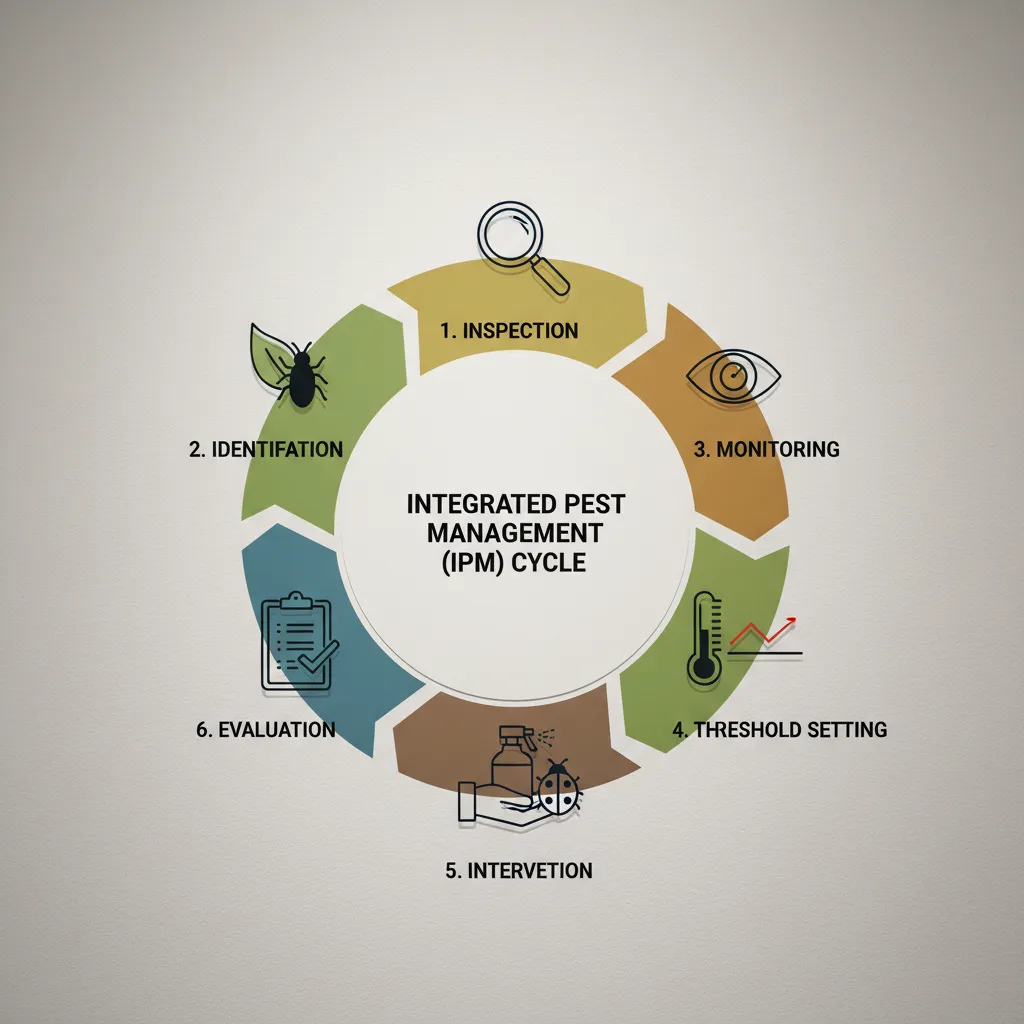
The success of Integrated Pest Management hinges on the systematic application of several core principles. These principles form a continuous cycle of assessment, action, and evaluation, ensuring that pest management remains effective and adaptive.
Inspection and Monitoring
The first crucial step in any IPM program is thorough inspection and continuous monitoring. This involves regularly checking for signs of pest activity, identifying conducive conditions, and determining pest population levels. Traps, visual inspections, and client input are all valuable tools. Accurate data collection helps in making informed decisions about pest thresholds and control actions. Without knowing what pests are present and where, effective management is impossible.
Pest Identification
Correctly identifying the pest species is paramount. Different pests have different life cycles, habits, and vulnerabilities. Misidentification can lead to ineffective treatments and wasted resources. For example, treating a carpenter ant infestation requires a different approach than treating a common garden ant problem. An IPM professional uses their expertise to pinpoint the exact species, allowing for highly targeted and effective strategies.
Setting Action Thresholds
An action threshold is the point at which pest populations or environmental conditions indicate that pest control action is necessary. IPM doesn’t aim for zero pests; rather, it aims to keep pests below levels that cause unacceptable damage or annoyance. These thresholds are dynamic and depend on the pest, the location (e.g., a home kitchen vs. an industrial warehouse), and the tolerance of the inhabitants. For instance, a single cockroach in a restaurant might trigger immediate action, while a few ants in a garden might not.
Prevention and Sanitation
Prevention is the cornerstone of IPM. This involves making the environment less appealing to pests. Key preventative measures include:
- Sanitation: Eliminating food sources, water, and harborage points. This means regular cleaning, proper waste disposal, and addressing leaks.
- Exclusion: Sealing cracks, gaps, and openings in foundations, walls, and around pipes and wires to prevent pests from entering structures.
- Habitat Modification: Removing overgrown vegetation, managing moisture, and ensuring proper drainage around properties.
- Cultural Practices: For gardens and landscapes, this includes appropriate planting, crop rotation, and soil management.
Appropriate Control Methods
When prevention alone isn’t sufficient and action thresholds are met, IPM employs a range of control methods, prioritising those with the least environmental impact. These are often used in combination:
- Physical/Mechanical Controls: Traps (snap traps, glue boards, pheromone traps), barriers, vacuums, heat treatments, or hand-picking pests.
- Biological Controls: Introducing or conserving natural enemies of pests, such as predators, parasites, or pathogens.
- Cultural Controls: Modifying growing conditions or human behaviour to deter pests (e.g., watering plants in the morning to reduce fungal issues).
- Chemical Controls: Used as a last resort and applied strategically. This includes using bait stations, spot treatments, or targeted low-toxicity products. The choice of chemical and application method is highly specific to the pest and situation, minimising exposure to non-target organisms.
Evaluation and Documentation
The final, but continuous, principle is evaluation. After implementing control measures, it’s essential to monitor their effectiveness. Are pest populations decreasing? Have the environmental conditions improved? This ongoing assessment allows for adjustments to the IPM plan, ensuring its continued efficacy. Detailed documentation of observations, actions taken, and results achieved is vital for refining strategies and maintaining a historical record. Learn more about the general principles of IPM from authoritative sources like Wikipedia’s entry on Integrated Pest Management.

Implementing IPM Strategies in Auckland
Applying Integrated Pest Management effectively in Auckland requires an understanding of the local environment, common pests, and specific challenges. Auckland’s climate, urban density, and diverse ecosystems present unique considerations for pest control.
Common Auckland Pests and Their IPM Considerations
- Ants (e.g., Argentine Ants, Black House Ants): IPM focuses on identifying and eliminating nests, sealing entry points, proper food storage, and using targeted baits rather than broadcast sprays.
- Cockroaches (e.g., German Cockroaches, American Cockroaches): Sanitation is critical. IPM involves meticulous cleaning, sealing cracks, reducing clutter, and strategic application of gel baits in harborage areas.
- Rodents (Rats and Mice): Exclusion is key – sealing holes, installing door sweeps. Trapping and baiting (with secure, tamper-proof stations) are used, alongside identifying and eliminating food and water sources.
- Spiders (e.g., White-tail Spiders, Garden Orb-weavers): While many spiders are beneficial, IPM manages problematic species by reducing insect food sources, cleaning webs, and sealing entry points.
- Flies and Mosquitoes: Managing breeding sites is paramount. This includes proper waste management, eliminating standing water, and installing screens on windows and doors.
Local Environmental Factors
Auckland’s subtropical climate means certain pests thrive year-round, while others have distinct seasonal peaks. High humidity can exacerbate mould growth and attract moisture-loving pests. The proximity of urban areas to bushland and coastal zones also means unique pest pressures. An IPM plan for Auckland must account for these dynamics, adapting strategies based on seasonal changes and microclimates within properties.
Steps for Homeowners and Businesses
- Educate Yourself: Understand the basics of IPM and common pests.
- Regular Inspection: Conduct routine checks of your property for pest signs.
- Maintain Sanitation: Keep areas clean, store food properly, manage waste.
- Seal Entry Points: Regularly inspect and repair gaps, cracks, and damaged screens.
- Manage Landscaping: Keep vegetation trimmed, clear debris, ensure proper drainage.
- Seek Professional Help: For complex or persistent infestations, consult an Auckland-based IPM specialist. They can conduct thorough assessments, identify specific pests, and develop a customised, compliant IPM plan.

The Role of an Auckland IPM Specialist
While many basic IPM principles can be applied by property owners, engaging a qualified IPM specialist in Auckland is often crucial for comprehensive and effective management. These professionals bring:
- Expert Knowledge: Deep understanding of local pests, their biology, and behaviour.
- Advanced Tools: Access to specialised monitoring equipment, traps, and targeted treatment options.
- Regulatory Compliance: Knowledge of local Auckland Council regulations and national standards regarding pest control and chemical use.
- Customised Plans: Ability to develop and implement tailored strategies for specific properties, considering unique challenges and sensitivities.
- Ongoing Monitoring and Evaluation: Ensuring the plan remains effective and adapts to changing pest pressures.
By partnering with an Auckland IPM expert, you ensure that your pest management efforts are not only effective but also align with the highest standards of safety, environmental responsibility, and long-term sustainability.
Conclusion
Integrated Pest Management offers a superior, sustainable solution for managing pests in Auckland homes and businesses. By moving beyond conventional reactive approaches, IPM champions prevention, scientific understanding, and a combination of responsible strategies to create pest-resistant environments. Its focus on long-term effectiveness, reduced chemical reliance, and environmental stewardship makes it the most intelligent choice for protecting your property, health, and Auckland’s unique ecosystem. Embracing IPM is an investment in a safer, cleaner, and more sustainable future, ensuring that pest problems are managed intelligently and responsibly.
People Also Ask
What makes IPM different from traditional pest control methods?
IPM differs by focusing on long-term prevention and a combination of strategies, whereas traditional methods often rely on routine, broad-spectrum chemical applications. IPM prioritises understanding the pest and its environment, using chemicals only as a last resort and in a targeted manner.
Is Integrated Pest Management safe for children and pets in Auckland homes?
Yes, IPM is generally safer for children and pets because it significantly reduces reliance on broad-spectrum chemical pesticides. The approach minimises chemical exposure by prioritising prevention, physical barriers, and targeted, low-toxicity treatments only when absolutely necessary, making homes healthier.
How long does it take for IPM to show results?
The timeline for IPM to show results can vary depending on the pest, the severity of the infestation, and the specific strategies implemented. While some immediate improvements may be seen, IPM is a long-term approach focused on sustained control and prevention, meaning comprehensive results may take weeks or even months as environmental modifications take effect.
Can I implement IPM strategies myself, or do I need a professional in Auckland?
While homeowners can implement many basic IPM principles like improved sanitation, exclusion, and monitoring, complex or persistent pest problems often benefit greatly from a professional IPM specialist in Auckland. Professionals offer expert identification, advanced tools, and customised plans that ensure comprehensive and effective pest management aligned with local conditions.
What are the typical pests targeted by IPM in Auckland?
In Auckland, IPM commonly targets a range of pests including various ant species (e.g., Argentine Ants), cockroaches (e.g., German, American), rodents (rats and mice), spiders (e.g., white-tail), and flying insects like flies and mosquitoes. The specific pests targeted depend on the property and local environment, with plans tailored to address the prevalent threats.
How does IPM contribute to environmental protection in Auckland?
IPM significantly contributes to environmental protection in Auckland by minimising the use of harmful pesticides, thereby reducing chemical runoff into waterways like the Waitematā Harbour, protecting beneficial insects such as pollinators, and preserving local biodiversity. It promotes sustainable practices that work with the ecosystem, fostering a healthier environment.