Integrated Pest Management (IPM) for garden pests in Auckland is a holistic, sustainable approach to managing pests that prioritises long-term prevention and minimises environmental impact. It combines various control methods, including biological, cultural, physical, and chemical tools, to reduce pest populations to an acceptable level while protecting beneficial organisms and ecosystem health.
Understanding Integrated Pest Management (IPM) in Auckland
Integrated Pest Management (IPM) represents a paradigm shift from conventional pest control, moving beyond simply eradicating pests with chemical sprays. In the unique climate and ecological landscape of Auckland, IPM is particularly vital for maintaining healthy, thriving gardens and protecting New Zealand’s precious biodiversity. This approach considers the entire garden ecosystem, focusing on understanding pest life cycles, their natural enemies, and the environmental factors that influence their presence.
The core philosophy of IPM revolves around prevention, observation, and intervention only when necessary, using the least toxic methods first. This strategy not only safeguards your plants but also protects beneficial insects like bees and ladybirds, which are crucial for pollination and natural pest control. For Auckland gardeners, embracing IPM means adapting practices to local conditions, whether it’s dealing with specific native pests or non-native species that have established themselves in the region’s temperate climate. By adopting IPM, gardeners contribute to a healthier environment, reduce exposure to harmful chemicals, and foster resilient, productive gardens.
Why IPM Matters for Auckland Gardens
Auckland’s subtropical climate, with its warm, humid summers and mild winters, creates an ideal environment for a wide array of garden pests to flourish year-round. This makes a robust, preventative pest management strategy essential. Traditional broad-spectrum pesticides can harm beneficial insects, disrupt the natural balance, and lead to pest resistance, creating a perpetual cycle of chemical reliance. IPM offers a sustainable alternative by focusing on ecological solutions that work with nature, not against it.
Moreover, Auckland’s growing emphasis on urban sustainability and biodiversity conservation aligns perfectly with IPM principles. By reducing reliance on synthetic chemicals, gardeners can protect local waterways from runoff, safeguard native bird populations, and contribute to healthier soil ecosystems. IPM is not a one-size-fits-all solution; it requires careful observation and a tailored approach to each garden’s specific challenges, making it a dynamic and intelligent way to manage pests sustainably.
Identifying Common Garden Pests in Auckland
Accurate identification is the cornerstone of effective Integrated Pest Management. Before taking any action, it’s crucial to know exactly what pest you’re dealing with, as different pests respond to different control methods. Misidentification can lead to ineffective treatments, wasted effort, and potential harm to non-target organisms. Auckland gardens host a variety of common pests, each with distinct characteristics and damage patterns.
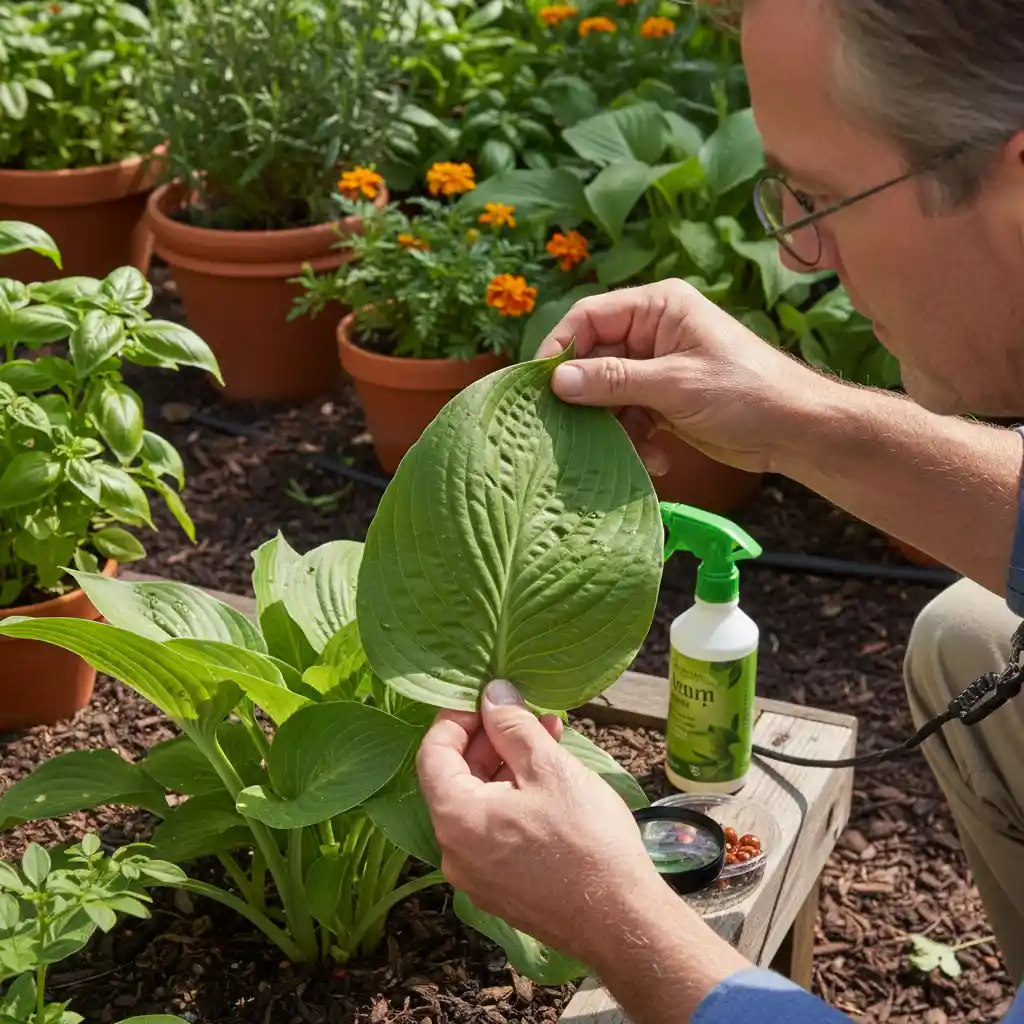
Regular monitoring of your plants is key. Spend time observing the undersides of leaves, new growth, and flower buds. Look for tiny insects, sticky residue (honeydew), chewed leaves, discoloured foliage, or stunted growth. Understanding the life cycle of common pests in Auckland, such as aphids, scale insects, whiteflies, slugs, snails, and various caterpillars, will help you predict their appearance and intervene at their most vulnerable stages.
Key Auckland Pests and Their Identifying Signs
- Aphids: Small, pear-shaped insects found in clusters on new growth. They suck plant sap, causing distorted leaves and stunted growth. Often leave behind sticky honeydew.
- Scale Insects: Appear as small, stationary bumps (often brown, white, or black) on stems and leaves. They are covered by a waxy coating, making them hard to remove. Also produce honeydew.
- Whiteflies: Tiny, white, moth-like insects that fly up in a cloud when disturbed from the undersides of leaves. Cause yellowing leaves and stunted growth.
- Slugs and Snails: Leave silvery trails and irregular holes in leaves, especially noticeable on seedlings and leafy greens. Active mostly at night or in damp conditions.
- Caterpillars: Various species, identifiable by chewed leaves, holes, and visible droppings. Their appearance varies greatly depending on the moth or butterfly species.
- Thrips: Minute, slender insects that cause silvery stippling on leaves and distortion of flowers and new growth.
- Mealybugs: Soft-bodied, white, cottony insects found in leaf axils and on stems. They also produce honeydew and can cause severe plant weakening.
Biological Control Methods for Sustainable Gardens
Biological control is a cornerstone of IPM, leveraging nature’s own mechanisms to manage pest populations. This involves introducing, conserving, or enhancing natural enemies of pests, such as predators, parasites, and pathogens. By encouraging a diverse ecosystem in your Auckland garden, you create a habitat where these beneficial organisms can thrive and keep pest numbers in check.
The temperate climate of Auckland is conducive to supporting a wide range of beneficial insects. Understanding which beneficials target which pests is crucial for effective biological control. For example, ladybirds are renowned predators of aphids, while parasitic wasps can lay eggs inside caterpillars or scale insects, effectively neutralising them. Creating a hospitable environment for these helpful creatures means providing diverse plantings, avoiding broad-spectrum pesticides, and offering sources of water and shelter.
Harnessing Beneficial Insects and Organisms
- Ladybirds (Ladybugs): Both adult and larval stages are voracious predators of aphids, scale insects, and mealybugs. Plant dill, fennel, and marigolds to attract them.
- Lacewings: The larvae are active predators of aphids, thrips, and mites. Attract them with cosmos, coreopsis, and sweet alyssum.
- Hoverflies: Adults feed on nectar, but their larvae are excellent predators of aphids. Plant calendula, daisies, and parsnip.
- Parasitic Wasps: Tiny wasps that lay eggs inside or on pests like aphids, caterpillars, and whiteflies. Look for ‘mummified’ aphids as a sign of their activity. Attract them with small-flowered plants.
- Nematodes: Microscopic roundworms that can be applied to soil to control soil-dwelling pests like slugs, snails, and some beetle larvae without harming plants or beneficials.
- Predatory Mites: Used to control pest mites (e.g., spider mites).
Encouraging biodiversity is key. Plant a variety of flowers and herbs, especially native species, that provide nectar and pollen for beneficial insects. Create insect hotels or leave small areas undisturbed to provide overwintering sites. For more on New Zealand’s unique biodiversity, consider resources like the Department of Conservation Te Papa Atawhai.
Organic Pest Control Techniques for Auckland Gardens
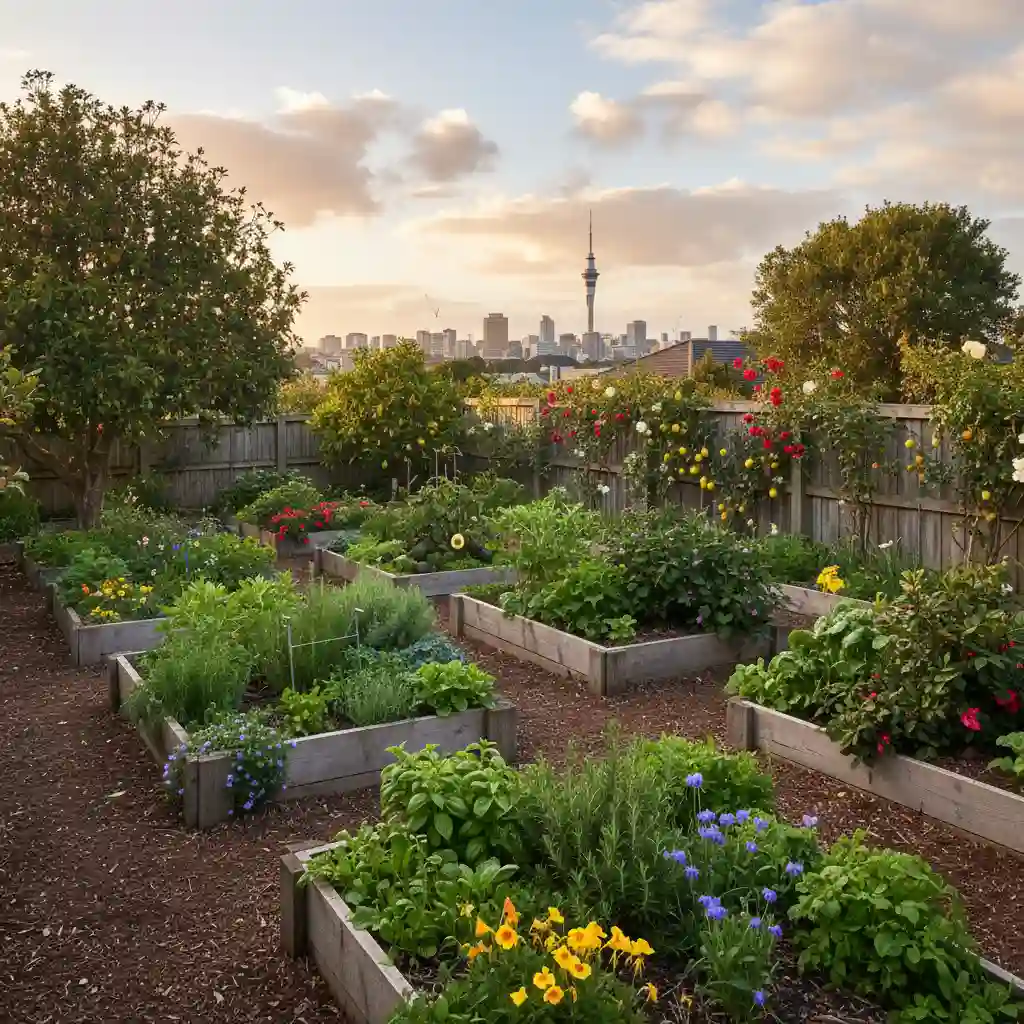
Beyond biological controls, a range of organic pest control techniques provides effective, non-toxic solutions for managing garden pests in Auckland. These methods focus on prevention, physical barriers, and the judicious use of naturally derived substances, aligning perfectly with sustainable gardening principles. The goal is to minimise harm to the environment and non-target organisms while keeping pest populations at bay.
Implementing organic techniques requires consistent effort and observation. Rather than aiming for complete eradication, which is often unrealistic and detrimental to the ecosystem, organic pest control seeks to maintain a balance where plants can thrive despite a minor pest presence. This approach builds resilience in your garden and reduces your reliance on external inputs, making your gardening practices truly sustainable.
Effective Organic Solutions for Pest Management
- Hand-picking: For larger pests like slugs, snails, and caterpillars, hand-picking them off plants and disposing of them can be very effective, especially in smaller gardens.
- Horticultural Oils and Insecticidal Soaps: These are effective against soft-bodied insects like aphids, whiteflies, and mealybugs. They work by smothering pests or disrupting their cell membranes. Apply thoroughly, especially to the undersides of leaves.
- Neem Oil: Derived from the neem tree, this natural insecticide and repellent disrupts pest feeding and growth cycles. It is effective against a broad spectrum of pests but should be used carefully as it can affect some beneficials if not applied correctly.
- Companion Planting: Strategically planting certain species together can deter pests or attract beneficial insects. For example, marigolds can repel nematodes, and nasturtiums can act as a trap crop for aphids.
- Physical Barriers: Use fine mesh netting (e.g., ‘veggie netting’) to protect vulnerable crops from flying insects like whiteflies, cabbage moths, and fruit flies. Copper tape can deter slugs and snails.
- Water Blasting: A strong jet of water can dislodge aphids and mites from plants.
- Crop Rotation: Rotating crops annually can disrupt pest life cycles that are specific to certain plant families, preventing soil-borne pests from building up.
Maintaining a Healthy Garden Ecosystem
A truly sustainable garden in Auckland is one that functions as a balanced ecosystem, where the plants, soil, insects, and microorganisms coexist harmoniously. Maintaining such an environment is the ultimate preventative measure in Integrated Pest Management, as healthy plants are inherently more resistant to pests and diseases. This holistic approach focuses on building soil health, ensuring proper plant care, and fostering biodiversity.
The concept of ‘right plant, right place’ is fundamental. Selecting plant varieties that are well-suited to Auckland’s climate and your garden’s specific conditions (sunlight, soil type) reduces stress, making them less susceptible to pest attacks. Furthermore, a biodiverse garden provides a variety of food sources and habitats for beneficial insects and other wildlife, which naturally keeps pest populations in check. Think of your garden not just as a collection of individual plants, but as a living, interconnected community.
Soil Health and Plant Resilience
- Composting and Mulching: Enriching your soil with organic matter through composting improves its structure, water retention, and nutrient availability, leading to stronger, healthier plants. Mulching helps retain soil moisture, suppresses weeds, and moderates soil temperature.
- Proper Watering: Over or under-watering can stress plants, making them vulnerable. Water deeply and infrequently to encourage strong root development, rather than shallow, frequent watering. Consider Auckland’s rainfall patterns and adjust accordingly.
- Balanced Nutrition: Provide plants with adequate nutrients through compost and organic fertilisers. Avoid excessive nitrogen, which can lead to lush, soft growth that is particularly attractive to sap-sucking pests.
- Pruning and Sanitation: Regularly remove dead, diseased, or infested plant material to prevent the spread of pests and diseases. Ensure good air circulation around plants to deter fungal issues.
- Attracting Pollinators: A vibrant garden with a mix of flowering plants not only looks beautiful but also attracts pollinators, which are crucial for many food crops, and often beneficial insects. You can find more information about gardening practices on various university extension sites, like those of Auckland Council, for local relevance.
Implementing IPM Strategies: A Step-by-Step Approach
Successfully adopting IPM in your Auckland garden involves a systematic approach that integrates various techniques. It’s an ongoing process of observation, decision-making, and adaptive management, rather than a one-time fix. By following these steps, you can build a resilient, pest-resistant garden that thrives with minimal intervention and environmental impact.
IPM Action Plan for Auckland Gardeners
- Monitor Regularly: Make weekly inspections of your garden. Look for pest presence, signs of damage, and the activity of beneficial insects. A magnifying glass can be helpful for tiny pests.
- Identify Pests Accurately: If you spot a pest, identify it correctly before taking action. Use reliable guides or online resources specific to New Zealand.
- Establish Action Thresholds: Determine what level of pest presence is acceptable for your plants. A few aphids on a robust plant might not warrant intervention, whereas an infestation on a young seedling might.
- Implement Preventative Measures (Cultural Controls):
- Choose pest-resistant plant varieties.
- Ensure good soil health with compost and mulch.
- Practice proper watering and fertilisation.
- Rotate crops and maintain garden hygiene.
- Employ companion planting to deter pests.
- Utilise Physical and Mechanical Controls:
- Hand-pick larger pests.
- Use horticultural netting or row covers.
- Set up traps for slugs, snails, or specific flying insects.
- Prune infested branches.
- Encourage Biological Controls:
- Plant diverse species to attract beneficial insects.
- Avoid broad-spectrum pesticides that harm natural enemies.
- Provide water sources and shelter for beneficials.
- Apply Organic Pesticides Judiciously (when necessary):
- Use insecticidal soaps, horticultural oils, or neem oil as a last resort for specific, identified pests.
- Always follow label instructions carefully and apply at the correct time of day to minimise impact on beneficials.
- Spot-treat rather than broad-spray.
- Evaluate and Adjust: After implementing a control method, observe its effectiveness. Learn from your successes and failures, and adjust your strategies for future pest management. IPM is a continuous learning process.
By systematically applying these IPM steps, Auckland gardeners can cultivate vibrant, productive, and environmentally responsible gardens, ensuring long-term sustainability and enjoyment.
People Also Ask About IPM for Auckland Gardens
What are the key principles of IPM for home gardeners?
The key principles of IPM for home gardeners include monitoring your garden regularly for pests, accurately identifying any pests found, setting action thresholds to determine when intervention is needed, and then choosing from a range of control methods, prioritising non-chemical and least-toxic options first. This multi-faceted approach aims for long-term prevention and sustainability.
How can I attract beneficial insects to my Auckland garden?
To attract beneficial insects like ladybirds and lacewings to your Auckland garden, plant a diverse range of flowering plants, especially those with small, open flowers like dill, fennel, cosmos, and sweet alyssum. Provide a source of water and avoid using broad-spectrum pesticides, which can harm these helpful creatures.
Are there any specific organic pesticides safe for Auckland’s environment?
Yes, several organic pesticides are considered safer for Auckland’s environment when used correctly. These include insecticidal soaps and horticultural oils, which smother soft-bodied pests, and neem oil, which disrupts pest feeding and growth. Always read and follow product labels to ensure proper application and minimise impact on non-target organisms.
What are common cultural practices for pest prevention in Auckland gardens?
Common cultural practices for pest prevention in Auckland gardens involve choosing pest-resistant plant varieties, maintaining healthy soil through composting and mulching, ensuring proper watering and balanced nutrition, practicing crop rotation, and maintaining good garden hygiene by removing diseased or infested plant material.
How often should I monitor my garden for pests under an IPM plan?
Under an IPM plan, you should aim to monitor your garden for pests at least once a week. Regular inspections, especially of new growth and the undersides of leaves, allow for early detection of pest problems, enabling timely intervention with the least disruptive methods.
Can companion planting effectively deter pests in an Auckland garden?
Yes, companion planting can be an effective strategy to deter pests in an Auckland garden. Certain plants, like marigolds, can repel nematodes, while nasturtiums can act as a trap crop, drawing aphids away from more valuable plants. Strategic planting can also attract beneficial insects, adding another layer of natural pest control.