To effectively eliminate ants in kitchen NZ environments, you must identify the specific species—commonly the White Footed House Ant or Argentine Ant—and utilize slow-acting non-repellent baits rather than instant contact sprays. This ensures the toxin is transferred back to the queen, destroying the entire colony permanently rather than just the visible foragers.
Understanding the Invasion: Common NZ Ant Species
When dealing with ants in kitchen NZ scenarios, knowledge is your most potent weapon. Unlike many other pests, ants operate as a collective super-organism. Killing the individual ant you see on your countertop is often futile because there are thousands more in the nest waiting to take its place. In New Zealand, and particularly in the Auckland region, we face unique challenges due to specific invasive species that have adapted to our temperate, humid climate.
It is not enough to simply buy a generic ant trap from the supermarket. To truly solve the problem, one must understand exactly what they are fighting. The behavior, dietary preferences, and nesting habits differ significantly between species.
The White Footed House Ant (Technomyrmex albipes)
This is arguably the most troublesome ant for Auckland homeowners. Distinctive by their dark color and pale feet (visible under magnification), these ants are notorious because they do not regurgitate food to one another (trophallaxis) as effectively as other species. This biological quirk makes standard toxic baits less effective because the worker ants don’t pass the poison to the colony as efficiently. They are often found trailing along electrical wires, effectively using your home’s infrastructure as a highway system.
The Argentine Ant (Linepithema humile)
Argentine ants are aggressive and highly organized. They are small, light brown, and form massive super-colonies. Unlike other ants that fight neighboring colonies, Argentine ants in New Zealand often cooperate, creating a massive infestation network that can span across multiple properties. If you disturb them with standard fly spray, they engage in a defense mechanism called “budding,” where the colony splits into multiple smaller colonies, effectively multiplying your problem.

Darwin’s Ant (Dolanomyrma darwiniana)
Common in older homes and areas with established gardens, Darwin’s ants are identifiable by a distinct foul odor they emit when crushed. They are generally attracted to sugary substances and can be found raiding pantries for honey, jams, and fruit.
Identifying the species is the first step in our professional pest control process. For authoritative identification guides, Landcare Research NZ provides an excellent database on invasive ant species affecting our ecosystem.
Why Ants Are Attracted to Your Kitchen
The kitchen is the heart of the home, but for an ant scout, it is a resource-rich environment essential for the colony’s survival. Understanding the specific attractants can help you modify the environment to make it less appealing.
The Sugar Rush
Most nuisance ants in New Zealand go through cycles of dietary preference. During certain times of the year, usually spring and early summer, the colony is focused on growth, requiring high amounts of protein. However, for the majority of the time, the adult workers require energy to keep foraging. This energy comes from carbohydrates and sugars. A spill of fruit juice, a honey jar with a sticky rim, or even crumbs of toast under the toaster are beacons for scout ants.
Moisture and Hydration
Ants require water just as much as they require food. Auckland’s kitchens often provide ample hydration sources. Leaky pipes under the sink, condensation on windows, or even the water left in the dishwasher tray can sustain a colony. During dry NZ summers, ants will often invade homes specifically looking for water, which is why you might find them clustering around sinks and pet bowls.
Grease and Protein
As mentioned, developing larvae require protein. This means the grease splatter behind your stovetop, the residue on unwashed pans, or pet food left out in bowls are prime targets. If you see ants swarming a piece of dropped meat or cat food, they are likely harvesting protein for the brood back at the nest.
Immediate Steps to Take When You See Ants
Panic is a common reaction, but your immediate response can determine the severity of the infestation. Here is a tactical guide on what to do the moment you spot a trail.
- Do Not Spray Aerosols: Resist the urge to grab a can of fly spray. Killing the visible ants sends a distress signal to the colony, often causing them to retreat deeper into the walls or split the colony.
- Clean the Pheromone Trail: Ants leave an invisible chemical trail (pheromones) for other ants to follow. Wiping the ants away isn’t enough; you must erase the map. Use a solution of 50% vinegar and 50% water, or mild soapy water, to wipe down the area where they are walking. This disrupts their navigation.
- Follow the Trail: Before cleaning, watch where they are coming from and going to. This helps identify the entry point (e.g., a crack in the window sill or a gap behind the splashback).
- Remove the Attractant: Identify what they are eating. Is it a spill? A bin? Remove the food source immediately and seal it in an airtight container.
The Dangers of DIY Sprays: The Budding Effect
One of the biggest misconceptions in the Auckland pest control market is that over-the-counter sprays are a cure-all. In reality, for species like the Argentine Ant, they are counter-productive.
When you spray a repellent insecticide (standard supermarket bug spray) on a trail of ants, you kill the foragers. However, the stress causes the queens (yes, these colonies often have multiple queens) to separate. One large colony can fracture into five or six smaller colonies, moving to different parts of your kitchen or house. This phenomenon is known as “budding.”
Furthermore, repellent sprays create a barrier that ants simply walk around. You might stop them on the bench, so they move to the pantry. You spray the pantry, and they move to the dishwasher. You end up chasing them around the room while the population grows unchecked inside the wall cavities.
Hygiene Tips to Stop Them Returning
Once you have dealt with the immediate issue, long-term prevention relies on breaking the cycle of attraction. While professional treatment deals with the colony, hygiene ensures a new colony doesn’t move in next season.
Airtight Storage Solutions
Cardboard boxes and paper bags are not barriers to ants. They can easily chew through or slip inside folded seals. Transfer sugar, flour, cereals, and baking goods into hard plastic or glass containers with rubber seals. This not only stops ants but also keeps food fresher in Auckland’s humidity.
Waste Management
Your kitchen bin is a buffet. Ensure your bin has a tight-fitting lid. If possible, use a compost bin that is sealed and removed from the kitchen daily. Rinse recyclables (cans, bottles, milk jugs) thoroughly before placing them in the recycling bin, as the sugary residue in a soda can is a major attractant.
Pet Food Discipline
Pet food is a major driver of ant infestations in NZ homes. Avoid leaving food out all day. Feed pets at specific times and remove the bowl immediately after they finish. If you must leave dry food out, place the food bowl inside a larger shallow bowl filled with water, creating a “moat” that ants cannot cross.
Our Kitchen-Safe Professional Treatment Methods
At the professional level, we move beyond “scaring” the ants to eliminating the source. Our approach to ants in kitchen NZ problems is based on Integrated Pest Management (IPM).
Targeted Gel Baits
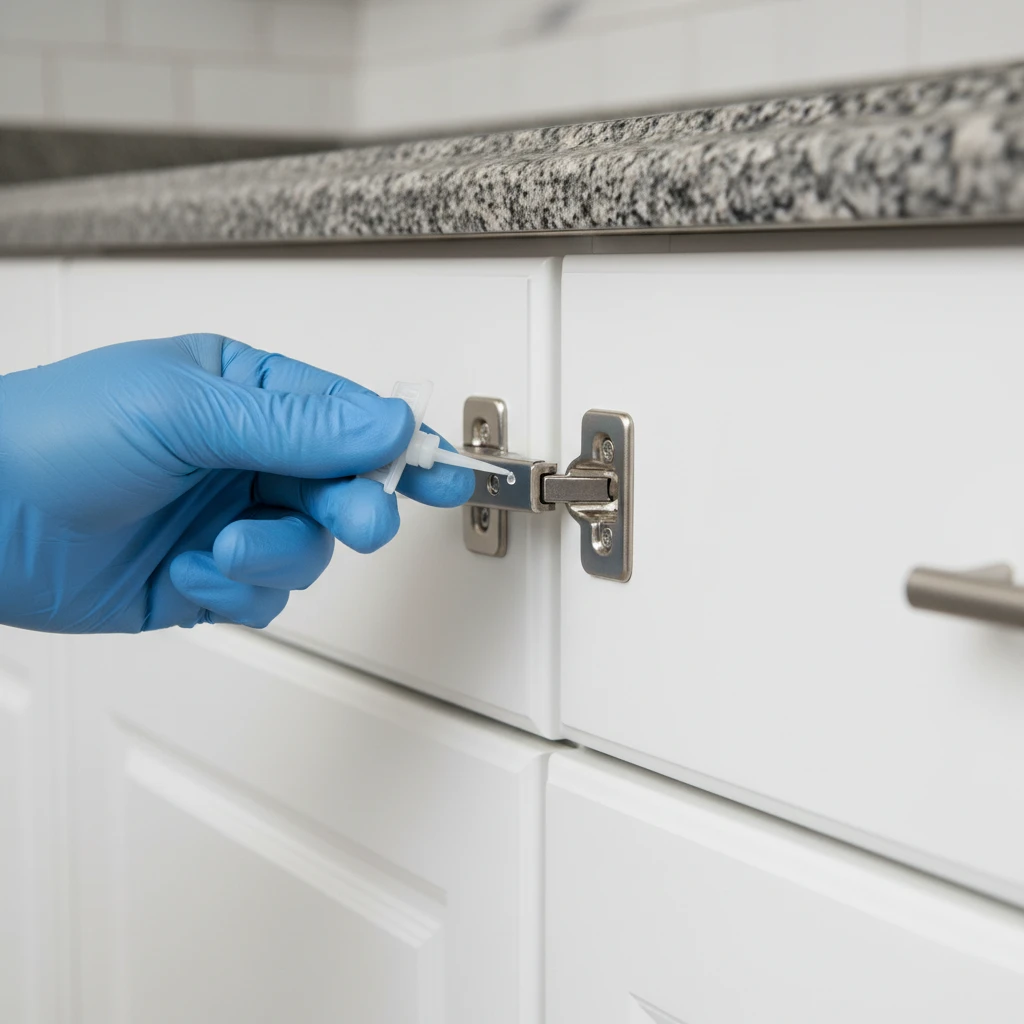
We utilize advanced gel baits that are highly palatable to NZ ant species. These baits are non-repellent and slow-acting. The worker ants eat the gel, believing it to be a high-quality food source. They then travel back to the nest and feed the larvae and the queen. The delay in mortality allows the toxin to spread through the entire colony structure (the Trojan Horse method).
Non-Repellent Residual Sprays
For external perimeters and entry points, we use non-repellent sprays such as those containing Fipronil or Indoxacarb. Unlike supermarket sprays, ants cannot detect these chemicals. They walk across treated surfaces, pick up the active ingredient on their bodies, and transfer it to other ants through grooming. This creates a “transfer effect” that can decimate colonies located deep within wall voids or under the house.
Safety for Family and Pets
We understand that the kitchen is a sensitive environment. Our application methods are designed to be low-toxicity to mammals and are applied in cracks and crevices where children and pets cannot reach. We adhere to strict safety standards, ensuring that your food preparation surfaces remain uncontaminated. For more on the safety of modern pest control substances, refer to the Environmental Protection Authority (EPA) NZ guidelines.
The Auckland Advantage
Being local to Auckland, we understand the seasonal triggers. We know that heavy rain drives ants indoors, and we know exactly when the nuptial flights (breeding season) occur. This local knowledge allows us to time our treatments for maximum efficacy, ensuring your home stays ant-free throughout the year.
Frequently Asked Questions (PAA)
How do I get rid of ants in my kitchen permanently?
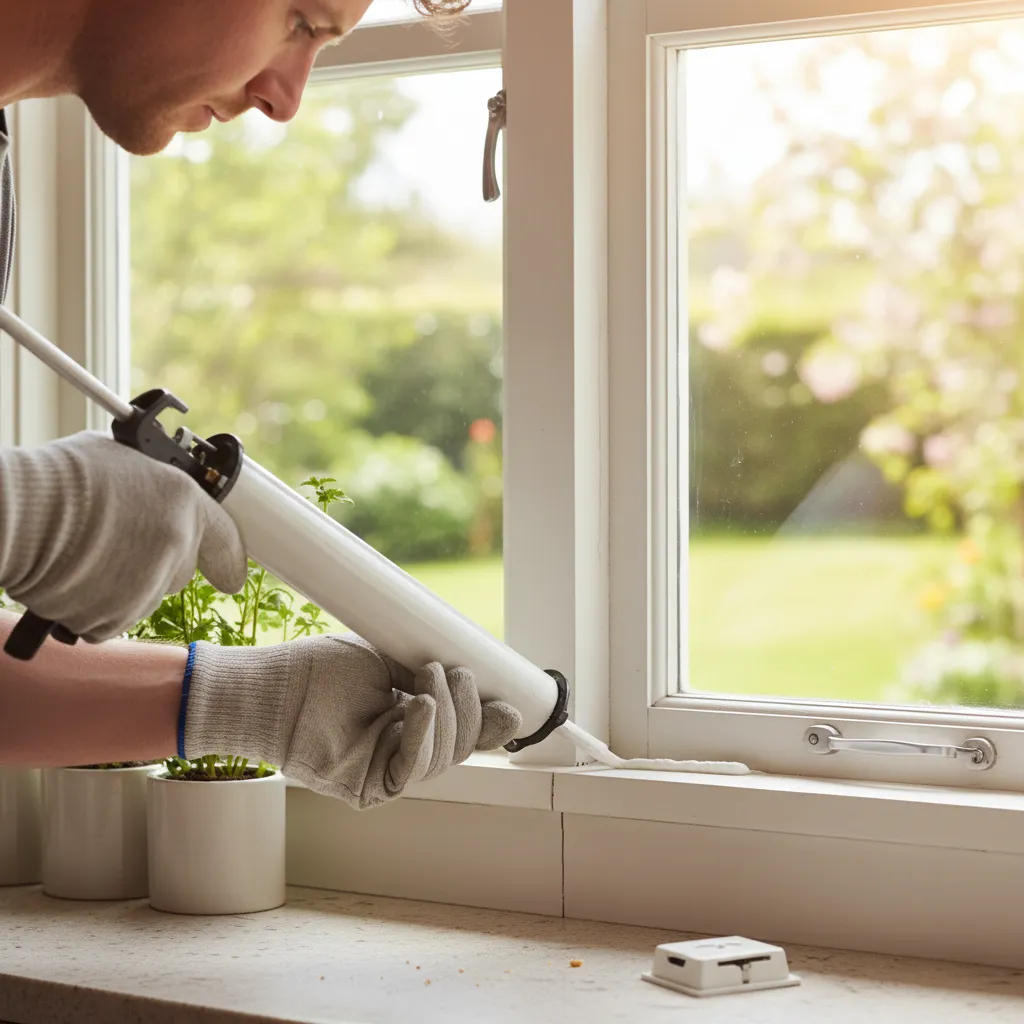
Permanent removal requires destroying the nest, not just the foragers. Use slow-acting ant bait gels containing indoxacarb or boron. The worker ants carry this poison back to the queen. Combine this with sealing entry points (caulking cracks) and maintaining strict hygiene (removing crumbs and moisture) to prevent future scouting.
What kills ants instantly naturally?
A mixture of white vinegar and water (50/50 ratio) kills ants on contact and disrupts their pheromone trails. Alternatively, soapy water or diatomaceous earth can be used. However, these only kill the ants you see and do not solve the root colony problem.
Why do I suddenly have ants in my kitchen?
Sudden infestations are usually triggered by weather changes (heavy rain or extreme heat) forcing ants indoors for shelter or moisture. Alternatively, a scout ant may have located a new food source, such as a spill or unsealed pet food, and signaled the colony to harvest it.
Are tiny ants in the kitchen harmful?
While most tiny household ants in NZ (like the White Footed House Ant) do not bite or sting humans, they are considered a hygiene risk. They travel through drains, rubbish bins, and decaying matter before walking on your food preparation surfaces, potentially spreading bacteria like Salmonella.
How much does pest control cost for ants in NZ?
Professional ant control in NZ typically ranges from $180 to $350 depending on the size of the property and the severity of the infestation. This usually includes an internal and external treatment with a warranty period of 3 to 6 months.
Do ants come back after extermination?
If the queen is eliminated, that specific colony will not return. However, ants are part of the natural environment. Without ongoing preventative measures (sealing cracks, exterior barrier treatments), new colonies from the garden or neighboring properties may eventually scout your home again.