Mosquito control in Auckland gardens is the comprehensive process of identifying, managing, and eliminating mosquito populations to ensure outdoor spaces remain enjoyable and safe for residents. This involves a strategic combination of source reduction, targeted treatments, and ongoing preventive measures tailored to Auckland’s unique climate and common mosquito species, ultimately enhancing outdoor living quality.
Understanding Mosquito Breeding Sites
To effectively manage mosquito populations in your Auckland garden, the foundational step is a thorough understanding of where these pests breed. Mosquitoes require standing water for their life cycle, from egg to adult. Even minuscule amounts of water can serve as a nursery for hundreds of larvae. Auckland’s often humid climate and varied garden landscapes create numerous potential havens for these blood-feeding insects, making diligent inspection paramount for any homeowner seeking respite from their bites.
Common Water Sources
Mosquitoes are opportunistic breeders, and many common garden features inadvertently provide them with ideal conditions. Rainwater tanks and their overflow trays are prime culprits, often overlooked until a problem manifests. Bird baths, while lovely for feathered friends, become mosquito havens if not cleaned and refilled every few days. Similarly, pet water bowls left stagnant can quickly turn into breeding grounds. Decorative ponds, particularly those with still edges or excessive vegetation, also present an inviting environment for mosquitoes to lay eggs. Gutters that are clogged with leaves and debris can retain water for extended periods, creating long, linear breeding zones right above your head. Any container that can hold water – from neglected children’s toys to old tyres – becomes a potential breeding site. Even the saucers beneath potted plants can accumulate enough water for a mosquito life cycle to complete.
Hidden Hazards in Your Garden
Beyond the obvious, many hidden spots in an Auckland garden can harbor mosquito larvae. Tarpaulins covering firewood piles or outdoor furniture can collect rainwater in their folds. Uneven paving stones or driveways can create small depressions that hold puddles after rain. Leaf litter and dense shrubbery, while not directly holding water, can create damp, sheltered environments that slow evaporation and allow small pools to persist longer. Overwatered plants in pots can lead to soggy soil surfaces where water pools. Tree hollows and bromeliads, which naturally collect water, are also common breeding spots. Consider areas where irrigation systems might create persistent dampness, or where leaky outdoor taps drip continuously. These seemingly innocuous spots are critical to inspect, as they are often forgotten and can perpetuate a mosquito problem even when more obvious sources are addressed.
Identifying Mosquito Species in Auckland
While Auckland is home to several mosquito species, the most common nuisance species share similar breeding habits related to standing water. The native Culex pervigilans is ubiquitous, biting primarily at dusk and dawn. The introduced Aedes notoscriptus, often found in urban areas, can bite throughout the day and readily uses artificial containers. Understanding that different species might have slight preferences (e.g., some prefer clean water, others more polluted) helps in targeted control, but the overarching principle remains: eliminate standing water. For professional services, identifying the specific species can inform the most effective treatment plan, especially if there’s concern about particular disease vectors, though this is less common for typical garden nuisance control in Auckland. An initial assessment by an expert can clarify which species are prevalent in your specific garden environment.

Effective Mosquito Reduction Strategies
Effective mosquito reduction in Auckland gardens moves beyond merely understanding breeding sites to implementing proactive and reactive strategies designed to significantly diminish mosquito populations. This multi-faceted approach combines environmental management with physical and biological controls, aiming for long-term sustainability rather than temporary fixes. A truly effective strategy considers the entire garden ecosystem and integrates various methods to achieve optimal results.
Source Reduction: Eliminating Standing Water
The most critical and fundamental strategy for mosquito control is source reduction – the systematic elimination of all potential standing water sources. This involves regular inspections and maintenance of your property. Routinely empty and scrub bird baths, pet water bowls, and plant pot saucers at least twice a week. Ensure all gutters and downspouts are clear of debris, allowing for free water flow. Turn over or remove any items that can collect water, such as old tyres, unused pots, buckets, or children’s toys. For rainwater tanks, ensure they are properly sealed and screens are intact to prevent mosquito entry. Keep swimming pools chlorinated and circulating, and pool covers taut to prevent water pooling. For ponds, consider introducing fish that feed on mosquito larvae. Even small puddles or depressions in the lawn or paving should be filled or drained. This continuous vigilance is the backbone of any successful mosquito control program.
Physical Barriers and Traps
While source reduction targets larval stages, physical barriers and traps address adult mosquitoes, preventing bites and reducing breeding adult populations. Installing insect screens on all windows and doors is a highly effective way to keep mosquitoes out of your home. For outdoor areas, consider fine mesh netting for gazebos or verandas, creating mosquito-free zones. Mosquito traps, available in various forms, can also be useful. CO2 traps mimic human breath to attract and capture mosquitoes, while ovitraps are designed to attract egg-laying females to a controlled container where eggs or larvae can be destroyed. While traps can help reduce local populations, they are most effective when used as part of a broader strategy, not as a standalone solution. Regular emptying and maintenance of traps are crucial for their efficacy. For more comprehensive solutions, especially for larger properties, integrating these physical barriers with professional treatment plans can yield superior results.
Natural Predators and Biocontrol
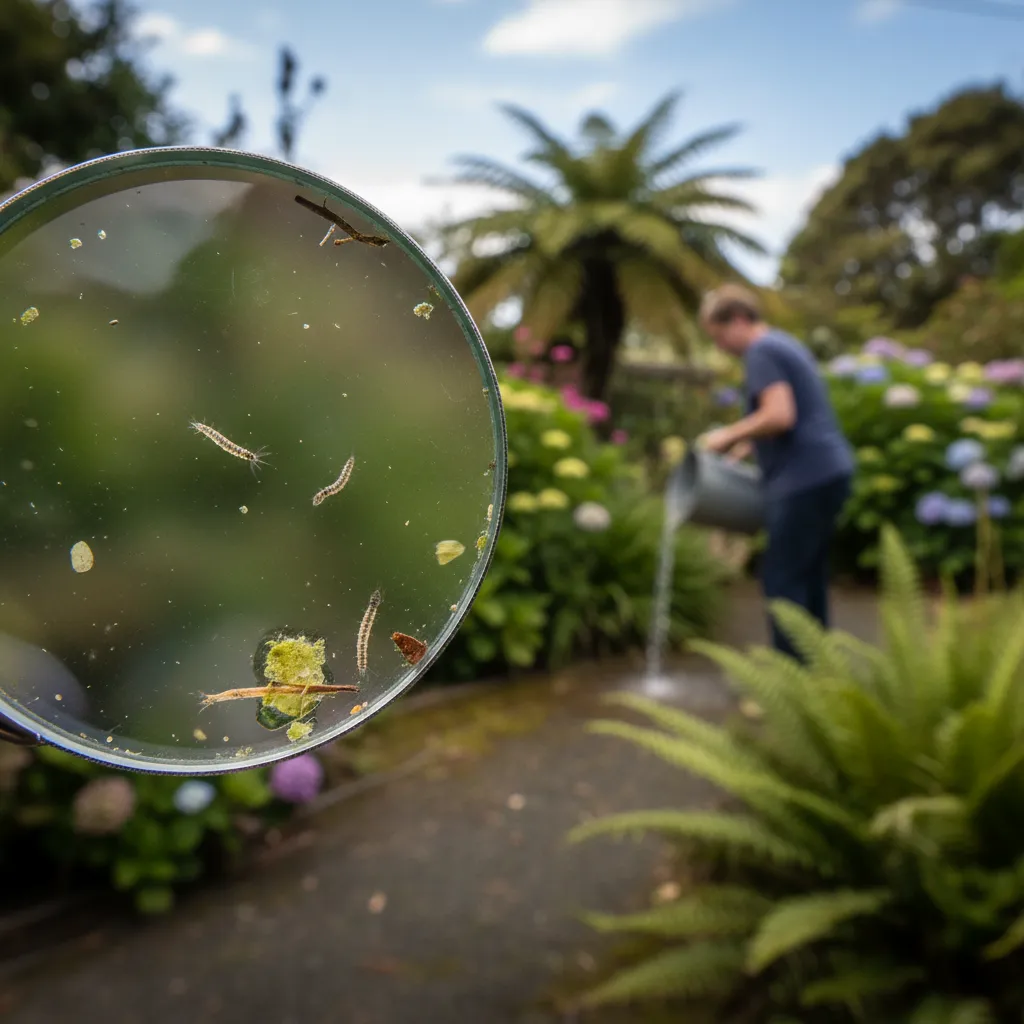
Leveraging nature’s own pest control mechanisms can be a highly sustainable and eco-friendly approach to mosquito reduction. Encouraging natural predators in your garden can significantly impact mosquito populations. Dragonflies and damselflies, both in their larval and adult stages, are voracious predators of mosquitoes. Attracting them with native plants and healthy aquatic environments (without creating new mosquito breeding sites) can be beneficial. Certain fish species, such as native koura (freshwater crayfish) or introduced mosquitofish (though care must be taken with introduced species to avoid ecological disruption), can be effective in larger ponds by consuming mosquito larvae. In terms of biocontrol, specific bacteria like Bacillus thuringiensis israelensis (Bti) are available as granular or liquid products. Bti is a naturally occurring soil bacterium that produces toxins highly specific to mosquito and blackfly larvae, but harmless to humans, pets, and other wildlife. Applying Bti ‘dunks’ or granules to larger, unavoidable standing water bodies (like unstocked ponds or water features) provides an excellent biological control without chemicals.
Safe Mosquito Control Treatments
When source reduction and natural methods aren’t sufficient, targeted treatments become necessary to achieve comprehensive mosquito control in Auckland gardens. The emphasis, especially in residential settings, must always be on safety – for humans, pets, beneficial insects, and the wider environment. Modern pest control strategies integrate efficacy with minimal ecological impact, ensuring that while mosquitoes are eliminated, the garden’s health and biodiversity are preserved. This often involves a thoughtful selection of products and application techniques.
Professional Pest Control Services
For persistent or extensive mosquito problems, engaging professional pest control services in Auckland is often the most effective and safest solution. Experts possess the knowledge, equipment, and access to treatments not available to the general public. They conduct thorough inspections to identify all breeding sites and resting areas, develop a tailored treatment plan, and apply solutions precisely where needed. This can include targeted larvicides in specific water bodies and barrier treatments around key areas of your garden where adult mosquitoes rest. Professional services ensure the correct products are used at the right concentrations, adhering to safety regulations and minimising exposure. Furthermore, they can provide ongoing maintenance and advice, ensuring long-term control. For homeowners seeking to reclaim their outdoor enjoyment without the guesswork and potential hazards of DIY chemical applications, professional intervention offers peace of mind and superior results. Reputable companies like Auckland Council-approved pest controllers adhere to strict environmental guidelines. Auckland Council provides resources on managing various pests, underscoring the importance of responsible control.
Larvicides and Adulticides: What You Need to Know
Mosquito control treatments generally fall into two categories: larvicides and adulticides. Larvicides are designed to kill mosquito larvae before they can mature into biting adults. They are applied directly to standing water bodies where larvae are present. Common types include biological larvicides (like Bti, mentioned earlier) and insect growth regulators (IGRs) that disrupt the mosquito’s development. Larvicides are highly targeted and generally considered very safe as they have minimal impact on other organisms. Adulticides, conversely, target adult flying mosquitoes. These are typically applied as fine mists or fogs to vegetation where adult mosquitoes rest, or as barrier sprays on surfaces. While effective for immediate reduction, adulticides are broader-spectrum and require careful application to minimise impact on beneficial insects like bees. Professional services are adept at choosing the appropriate product and application method, balancing immediate impact with environmental considerations. For DIY enthusiasts, it’s crucial to read product labels meticulously and follow all instructions, prioritizing products with lower toxicity ratings.
Eco-Friendly and Pet-Safe Options
The demand for environmentally conscious and pet-safe mosquito control solutions is growing, and fortunately, many effective options exist. Beyond Bti larvicides, which are inherently eco-friendly, certain essential oil-based repellents and treatments can be used. Products containing active ingredients like oil of lemon eucalyptus, citronella, or geraniol can offer a degree of repellency and, in some formulations, have insecticidal properties. While often less potent or persistent than synthetic chemicals, they provide a natural alternative for localised control. Integrated Pest Management (IPM) principles are central to eco-friendly control, combining multiple strategies to reduce reliance on single chemical interventions. For pet owners, ensuring any applied treatments are safe for animals is paramount. Always check product labels for pet safety information, and consider consulting your veterinarian or pest control professional about specific concerns. Many professional services now offer green pest control options that are specifically designed to be low-impact, utilising botanical extracts or biological agents. Emphasizing these methods helps create a healthier garden ecosystem for everyone.
Seasonal Mosquito Prevention Tips
Mosquito activity in Auckland is highly seasonal, with populations typically peaking during the warmer, wetter months. Therefore, a proactive, seasonal approach to prevention is far more effective than reactive measures. By anticipating mosquito breeding cycles and adjusting your garden maintenance accordingly, you can significantly reduce their presence and enjoy your outdoor spaces year-round. This requires a consistent, strategic effort throughout the year, not just when mosquitoes become a nuisance.
Spring Preparation for Mosquito Season
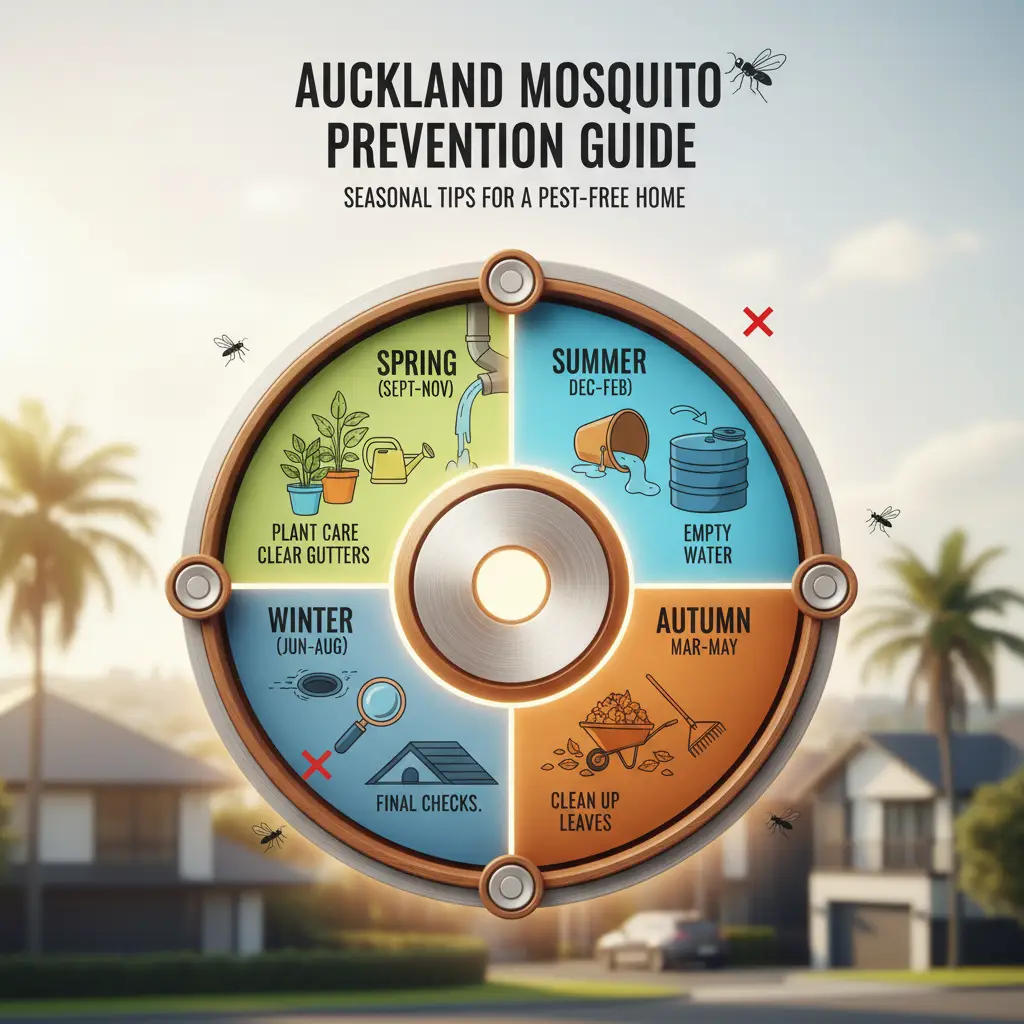
Spring in Auckland marks the beginning of increased mosquito activity as temperatures rise and rainfall becomes more frequent. This is the ideal time to get ahead of the problem. Start by conducting a thorough inspection of your entire garden, identifying and eliminating any lingering standing water from winter. Clean out all gutters and downspouts to ensure they are free-flowing. Check rainwater tanks for proper sealing and intact screens. Clear away any accumulated leaf litter or debris that could trap water. Consider planting mosquito-repelling plants such as citronella, lemon balm, or catnip in strategic locations around your patio or outdoor living areas, though their repellent effect is often localised. Ensure outdoor furniture covers are taut and not collecting water. Address any leaky outdoor taps or irrigation systems. Early intervention in spring can dramatically reduce the mosquito population before it has a chance to proliferate throughout summer. It’s also a good time to consider any major landscaping changes that might improve drainage or reduce potential breeding sites long-term.
Summer Maintenance for Ongoing Control
Summer is peak mosquito season in Auckland, demanding continuous vigilance. Daily or bi-weekly checks for standing water are essential. Empty and scrub bird baths, pet water bowls, and plant saucers regularly. Change water in vases and fountains frequently. If you have a swimming pool, ensure it’s properly chlorinated and filtered, and maintain taut covers when not in use. Regularly mow your lawn and trim dense shrubbery, as adult mosquitoes prefer to rest in cool, shady, still areas. Overgrown vegetation provides ideal resting spots. If you use mosquito traps, ensure they are regularly emptied and maintained according to manufacturer instructions. This is also the time when professional barrier treatments might be most beneficial, providing an invisible shield around your outdoor living areas. Consider using personal repellents when spending extended time outdoors, especially during dawn and dusk. Consistent maintenance throughout summer is crucial to keep populations at bay and maintain outdoor enjoyment. The New Zealand Ministry of Health provides valuable general information on mosquito control and prevention strategies, which align with these practices. Refer to their guidelines for broader public health context.
Autumn Clean-up and Winter Readiness
As autumn arrives, temperatures cool, but mosquitoes can still be active, and larvae can overwinter in dormant water bodies. An autumn clean-up is vital to prepare your garden for winter and prevent spring mosquito surges. Rake up all fallen leaves and remove any garden debris. Empty and store away any items that could collect water during the colder, wetter months. Check and clear gutters one last time before winter rains become consistent. Ensure rainwater tanks are securely sealed. Address any drainage issues in your garden that might become worse with winter rainfall. While adult mosquito activity decreases significantly in winter, preventing eggs and larvae from surviving the colder months in hidden water sources is a proactive step that will make spring control much easier. Think of autumn as the final offensive before the winter lull, setting the stage for a mosquito-free start to the next warm season.
Long-Term Garden Design for Mosquito Minimisation
Beyond seasonal tasks, thoughtful garden design can significantly contribute to long-term mosquito minimisation. When planning new landscaping, consider drainage carefully. Ensure that water drains away from your house and doesn’t collect in low spots. Choose plants that don’t require excessive watering or don’t create pockets where water can collect (e.g., avoid certain bromeliads if mosquitoes are a significant issue). If installing water features, opt for designs with moving water (fountains, waterfalls) rather than stagnant ponds, or ensure ponds are adequately stocked with mosquito-eating fish. Consider permeable paving materials where possible to reduce surface puddles. Designing your garden with an eye towards minimizing standing water and reducing shady, damp resting areas for adult mosquitoes is a sustainable strategy that pays dividends year after year. This holistic approach, integrating design with ongoing maintenance, creates a resilient and enjoyable outdoor space.
People Also Ask
What is the best time of year for mosquito control in Auckland gardens?
The best time for mosquito control in Auckland gardens is proactively in spring, before populations peak in summer. However, consistent vigilance throughout spring, summer, and autumn is crucial as mosquitoes are active during warmer months, and larvae can overwinter.
Are mosquito sprays safe for pets and children in Auckland gardens?
Many professional mosquito control treatments offer eco-friendly and pet-safe options. It is crucial to discuss concerns about pets and children with your pest control professional. They can advise on low-toxicity products and safe application methods to minimise any risk, ensuring areas are safe for use after treatment.
How often should I empty standing water to prevent mosquitoes in my Auckland garden?
To effectively prevent mosquito breeding, you should empty and scrub sources of standing water in your Auckland garden at least twice a week. This disrupts the mosquito life cycle, as it takes approximately 7-10 days for eggs to develop into adult mosquitoes.
Do citronella plants really work for mosquito control in Auckland?
While citronella plants can release compounds that repel mosquitoes, their effectiveness is generally limited to a very small area immediately surrounding the plant. They are not a standalone solution for widespread mosquito control in an Auckland garden but can be a small part of a larger, integrated strategy.
When should I call a professional for mosquito control in my Auckland garden?
You should call a professional for mosquito control in your Auckland garden if DIY methods prove insufficient, if you have a large property with numerous breeding sites, or if you desire a comprehensive, long-term solution. Professionals offer targeted treatments and ongoing management plans not easily achievable by homeowners.
Can garden design influence mosquito populations in Auckland?
Absolutely. Thoughtful garden design can significantly minimise mosquito breeding sites. This includes ensuring proper drainage, choosing plants that don’t collect water, incorporating moving water features, and avoiding dense, overgrown areas where adult mosquitoes can rest. Long-term design strategies contribute to sustained control.