Moth infestation treatment in Auckland involves a targeted approach to identify, eliminate, and prevent both fabric and pantry pests, safeguarding your home and belongings. Effective strategies range from diligent cleaning and DIY solutions to professional pest control services, ensuring comprehensive eradication and long-term protection against these destructive insects in the Auckland region.
Identifying Moth Species & Damage
Auckland homes are susceptible to various moth species, each posing unique threats to different household items. Accurate identification is the first critical step in developing an effective treatment plan. Understanding the specific type of moth you’re dealing with will dictate the most appropriate eradication and prevention strategies, whether they’re targeting your favourite wool jumper or your dried food goods.
Common Moth Species in Auckland
In Auckland, two primary categories of moths typically cause infestations: fabric moths and pantry moths. Each group comprises specific species with distinct characteristics and destructive habits.
- Fabric Moths: The most common fabric pests are the Clothes Moth (Tineola bisselliella) and the Carpet Moth (Tinea pellionella). Clothes moths are small, pale gold or yellowish-brown, and tend to avoid light, often found in dark, undisturbed areas like wardrobes and attics. Carpet moths are similar but may have three faint dark spots on their wings. It’s not the adult moths that cause damage, but their larvae, which feed on natural fibres like wool, silk, fur, feathers, and even cotton blends.
- Pantry Moths: Also known as Indianmeal Moths (Plodia interpunctella), these are prevalent food pests. They are easily identified by their distinctive wing pattern – the front half is pale yellowish-grey, and the back half is a coppery-brown or bronze. Pantry moths are often seen flying in kitchen areas or around stored food. Their larvae feed on a wide range of dry goods, including cereals, grains, nuts, dried fruit, pet food, and spices, leaving behind silken webbing and faecal pellets.
Distinguishing between these types is crucial. If you see moths flying around your lights at night, they are often harmless outdoor moths that have simply wandered inside. Infesting moths are typically smaller, less active flyers, and will be found directly in proximity to their food source.
Signs of a Fabric Moth Infestation
Fabric moths are often insidious, with damage becoming apparent before the source is found. Key indicators include:
- Irregular Holes in Fabrics: Small, irregularly shaped holes in clothing, carpets, upholstery, or other textiles made from natural fibres.
- Silken Tubes or Tunnels: Clothes moth larvae spin silken tunnels or cases as they feed, which can be found attached to infested materials.
- Moth Larvae: Small, creamy-white larvae, often less than a centimetre long, may be visible on affected items. These are the primary culprits for damage.
- Adult Moths: Small, fluttery moths seen flying or crawling in dark areas, particularly wardrobes, drawers, or under furniture.
- Frass: Tiny faecal pellets, often the colour of the fabric they’re consuming, can indicate larval activity.
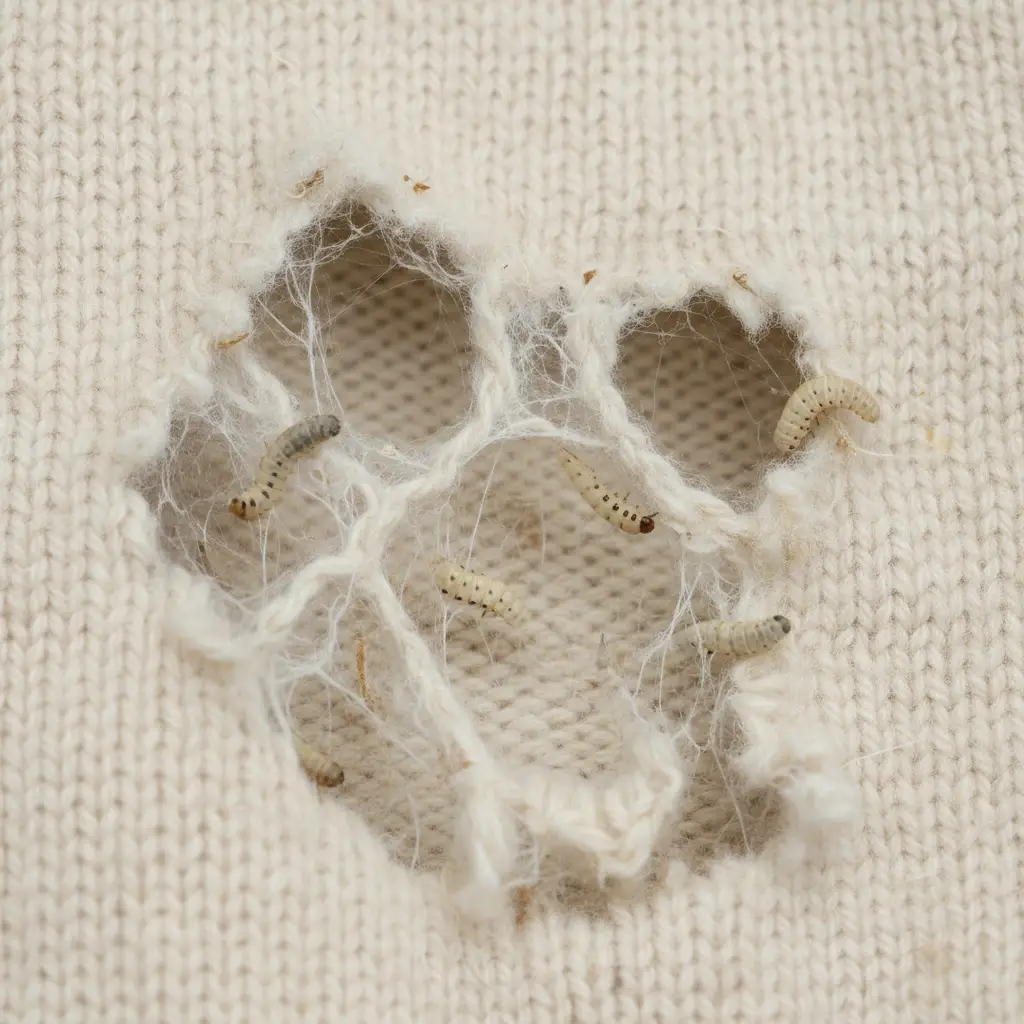
Early detection is vital to minimise damage to valuable textiles. Regular inspection of infrequently used items and dark storage areas can help catch an infestation before it escalates.
Recognizing Pantry Moth Activity
Pantry moths, while not damaging clothes, can contaminate significant amounts of food. Look for:
- Moths Flying in Kitchen/Pantry: Adult moths are often seen flying in zigzag patterns around food storage areas, especially at dusk or night.
- Webbing in Food Packages: Fine, silken webbing within food containers or on the surface of stored goods (e.g., flour, cereal, nuts) is a definitive sign of larval presence.
- Larvae in Food: Small, off-white caterpillars with brown heads, typically less than 1.5 cm long, crawling in or around food packages.
- Contaminated Food: Food items may appear clumped, dusty, or have an unusual smell due to moth activity and faecal matter.
Thorough inspection of all susceptible food items, including unopened packages, is essential. Pantry moths can chew through plastic bags and thin cardboard, so assume any dry good is at risk if an infestation is suspected.
Effective Moth Eradication Methods
Once a moth infestation is identified, swift action is paramount. Eradication involves a combination of thorough cleaning, targeted treatments, and, in many cases, professional intervention to ensure all life stages of the moths are eliminated.
DIY Moth Treatment Solutions
For minor or nascent infestations, several DIY methods can be effective, particularly when dealing with pantry moths or small clothes moth issues.
- Thorough Cleaning: The cornerstone of any moth treatment is a deep clean.
- For Fabric Moths: Wash all infested clothing and textiles in hot water (at least 60°C for 30 minutes) if possible. Dry cleaning is also highly effective for delicate items. Vacuum all carpets, rugs, and upholstered furniture thoroughly, paying special attention to crevices, under furniture, and along baseboards. Dispose of the vacuum bag immediately outside.
- For Pantry Moths: Discard all infested food items in a sealed bag outside your home. Thoroughly clean and vacuum all pantry shelves, corners, and cracks. Wipe down surfaces with a mild bleach solution or vinegar and water. Ensure no food crumbs or debris are left behind.
- Temperature Extremes: For delicate fabrics that cannot be hot-washed, freezing can kill larvae and eggs. Place items in a sealed plastic bag and freeze for at least 72 hours. Conversely, high heat (e.g., placing items in direct sunlight on a hot day, or using a clothes steamer) can also be effective.
- Moth Traps: Pheromone traps are excellent for monitoring and reducing adult male moth populations. These traps use a synthetic pheromone to attract males, preventing them from breeding. While useful, they don’t eliminate larvae or eggs and are best used as part of a broader strategy or for early detection.
- Cedar and Lavender: While natural repellents like cedar and lavender sachets can deter moths, they are not effective in eliminating an existing infestation. They primarily work as preventative measures by making an area less appealing to moths.
While DIY methods can be a good first line of defence, consistency and thoroughness are key to their success. Ignoring any part of the affected area can lead to a rapid re-infestation.
When to Call Professional Pest Control in Auckland
Despite best efforts, some moth infestations prove too extensive or persistent for DIY treatments. Knowing when to engage professional pest control is crucial to prevent further damage and ensure complete eradication.
- Persistent Infestation: If you’ve tried DIY methods for several weeks and continue to see adult moths, larvae, or signs of damage, the infestation is likely deeply entrenched or widespread.
- Large-Scale Infestation: When moths are found in multiple rooms, or across a significant portion of your wardrobe or pantry, professional intervention is usually necessary.
- Difficulty Identifying Species: If you’re unsure which type of moth you’re dealing with, a professional can accurately identify the pest and recommend the most effective treatment.
- Access to Hidden Areas: Moths and their larvae can hide in hard-to-reach places like wall voids, under floorboards, or behind built-in cabinetry. Pest control experts have specialised equipment and knowledge to treat these areas effectively.
- Prevention of Recurrence: Professionals not only eradicate current infestations but also provide expert advice and solutions for long-term prevention, tailored to your specific property.
Engaging a reputable Auckland pest control service ensures a systematic and comprehensive approach, often saving homeowners time, stress, and potential further financial loss from damaged belongings.
The Professional Approach to Moth Extermination
Professional pest control services in Auckland employ a multi-faceted approach to moth eradication, focusing on breaking the moth life cycle at all stages.
- Inspection and Identification: A pest control technician will conduct a thorough inspection of your property to identify the specific moth species, locate breeding sites, and assess the extent of the infestation.
- Targeted Treatments:
- Residual Insecticides: Applied to infested areas, these chemicals kill adult moths, larvae, and eggs on contact and provide ongoing protection. For fabric moths, this might include treating wardrobes, carpets, and storage areas. For pantry moths, it involves treating cracks and crevices in the pantry after all food items have been removed and cleaned.
- Insect Growth Regulators (IGRs): These substances disrupt the moth’s life cycle, preventing larvae from maturing into adults or eggs from hatching. They are often used in conjunction with insecticides for a more comprehensive treatment.
- Fumigation (in severe cases): For extremely severe and widespread infestations, particularly in commercial settings or large homes, fumigation may be considered. This involves sealing the entire structure and introducing a gaseous pesticide to penetrate all areas.
- Integrated Pest Management (IPM): Professionals often implement an IPM strategy, combining chemical treatments with environmental modifications and client education. This holistic approach minimises pesticide use while maximising efficacy and long-term prevention.
- Follow-Up: Reputable pest control companies will typically offer follow-up visits to monitor the situation, re-treat if necessary, and ensure the infestation is completely resolved.
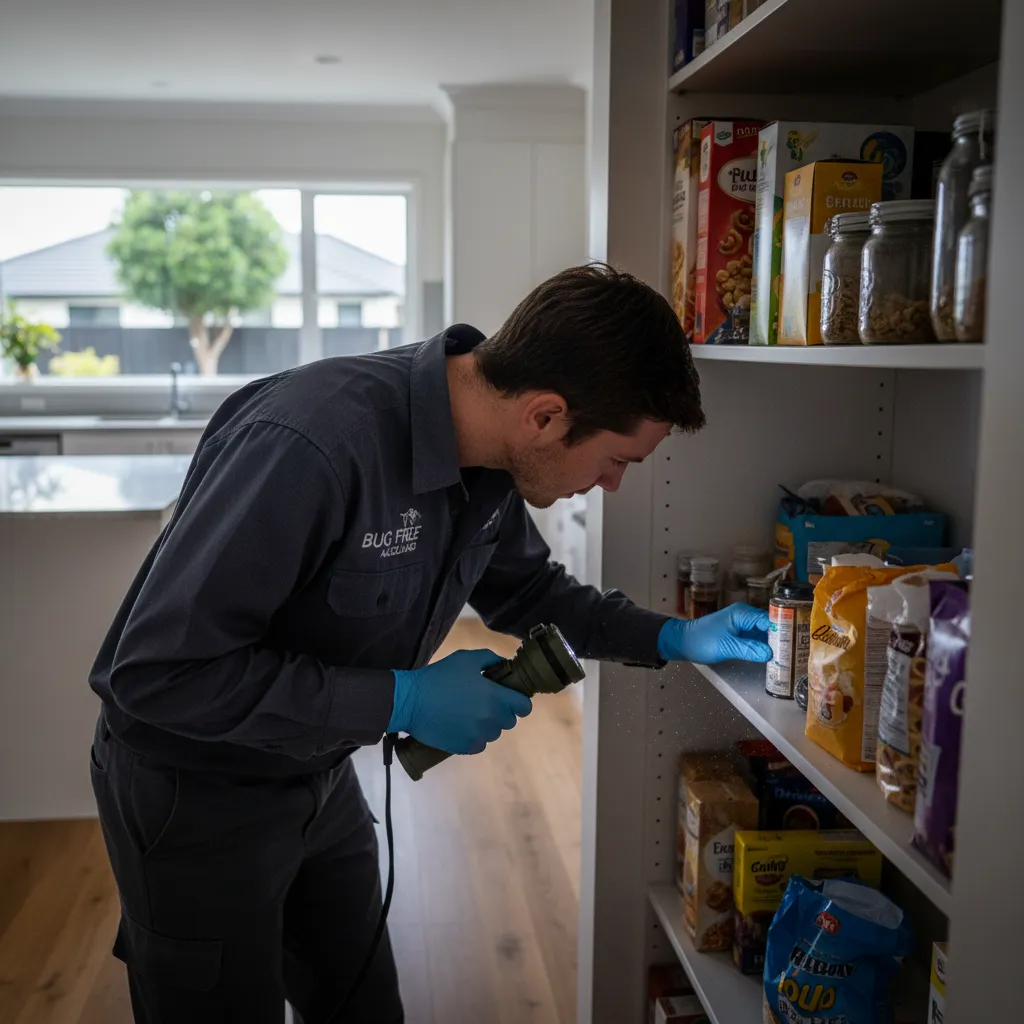
Choosing a licensed and experienced pest control provider in Auckland is essential for a safe and effective moth extermination. They possess the expertise and tools to handle even the most challenging infestations with minimal disruption to your household. For more information on professional pest management, resources like Wikipedia’s page on Pest Control provide a broad overview of industry practices and principles.
Protecting Clothing & Food from Moths
Beyond eradication, implementing robust protection measures is crucial to prevent moths from re-establishing themselves. This involves strategic storage, regular maintenance, and the creation of environments unfavourable to moth activity.
Safeguarding Your Wardrobe and Textiles
Fabric moths can cause irreparable damage to clothing, carpets, and other textiles. Proactive measures are key to their protection.
- Clean Before Storage: Always clean clothes and textiles thoroughly before storing them for extended periods. Moths are attracted to human oils, food stains, and perspiration. Dry cleaning or washing in hot water will kill any existing eggs or larvae.
- Airtight Storage: Store valuable or seasonal clothing in airtight containers, garment bags, or vacuum-sealed bags. Materials like plastic bins with tight-fitting lids are ideal. Avoid storing items in cardboard boxes, as moths can chew through them.
- Regular Rotation and Inspection: Routinely check items in your wardrobe, especially those made of wool, silk, or fur, even if they are not frequently worn. Shake out garments outdoors to dislodge any potential larvae or eggs.
- Ventilation and Light: Moths prefer dark, undisturbed areas. Ensure good air circulation in wardrobes and periodically expose items to light.
- Cedar and Lavender (Repellents): While not a cure for infestation, cedar blocks, cedar oil, and lavender sachets can help deter adult moths from laying eggs. Ensure cedar wood is sanded periodically to release its aromatic oils.
These preventative steps significantly reduce the likelihood of fabric moths finding a suitable breeding ground in your home. For comprehensive advice on protecting your belongings, the U.S. EPA offers guidance on clothes moth control which includes several non-chemical methods.
Securing Your Pantry and Food Items
Pantry moths can quickly contaminate a significant portion of your dry goods. Vigilance and proper storage are the best defence.
- Airtight Food Containers: Transfer all dry goods – cereals, flour, rice, pasta, pet food, nuts, spices, dried fruits – from their original packaging into sturdy, airtight containers made of glass, metal, or thick plastic. This prevents moths from laying eggs on packaging and larvae from chewing through.
- Inspect Groceries: Before storing, inspect all new groceries, especially bulk items, for any signs of moth activity. Small infestations can be brought into the home through contaminated products.
- FIFO System: Implement a “First-In, First-Out” system to ensure older food items are used first, reducing the chance of them sitting long enough to become infested.
- Clean Up Spills: Promptly clean up any food spills or crumbs in your pantry, as these can attract moths.
- Freezing New Grains: For highly susceptible items like flour, grains, or nuts, consider freezing them for 48-72 hours after purchase to kill any latent eggs or larvae before storing them in airtight containers.
By making your pantry an inhospitable environment, you drastically reduce the risk of future pantry moth outbreaks.
Long-Term Storage Solutions
For items requiring long-term storage, whether textiles or non-perishable food, specialised solutions offer enhanced protection against moth infestations.
- Climate-Controlled Storage: If storing valuable textiles or furniture, consider a climate-controlled storage unit. Stable temperatures and humidity levels can deter pests.
- Vacuum Sealing: For clothing and blankets, vacuum-sealed bags offer an excellent barrier against moths and moisture, saving space while protecting items.
- Dry Ice for Bulk Food Storage: For very large quantities of grains or legumes (e.g., for emergency preparedness), dry ice can be used in sealed containers to displace oxygen and kill insects, including moths, without chemicals. (Caution: handle dry ice safely with gloves and ensure proper ventilation).
- Regular Inspection of Storage Areas: Even in long-term storage, periodic checks are essential. Look for any signs of moth activity around the perimeter of storage containers or in less-used areas.
Implementing these meticulous storage habits is not only about moth prevention but also about maintaining the longevity and quality of your cherished possessions and foodstuffs.
Preventing Future Moth Outbreaks
The battle against moths doesn’t end with eradication; sustained prevention is key to ensuring your Auckland home remains free from these pests. A combination of ongoing vigilance, environmental control, and natural deterrents forms a robust preventative strategy.
Maintaining a Moth-Free Environment
Creating an environment that is undesirable for moths significantly reduces the risk of re-infestation.
- Regular Cleaning Schedule: Adhere to a strict cleaning routine. Vacuum carpets, rugs, and upholstery frequently, especially under furniture and along baseboards. Wipe down pantry shelves regularly.
- Manage Humidity: Moths, particularly clothes moths, thrive in humid conditions. Use dehumidifiers in damp areas of your home, such as basements, attics, or poorly ventilated wardrobes, to keep humidity levels low.
- Seal Entry Points: Inspect windows and doors for gaps or cracks and seal them to prevent moths from entering from outside. While many indoor moths breed inside, some may originate externally.
- Declutter: Reduce clutter, especially in storage areas, wardrobes, and pantries. Less clutter means fewer hidden spots for moths to breed and easier access for cleaning.

A clean, dry, and well-maintained home is the most effective natural barrier against moth infestations.
Regular Inspections and Early Detection
Proactive monitoring is crucial for catching potential infestations before they escalate.
- Seasonal Checks: Conduct thorough inspections of wardrobes, linen cupboards, and pantries at least seasonally. Pay close attention to items rarely used or stored for long periods.
- Pheromone Traps as Monitors: Place pheromone traps in areas susceptible to moth activity. While they catch adult males, their primary value lies in alerting you to the presence of moths early on, even if populations are low. If you start catching moths in the traps, it’s a signal to investigate further.
- Check Incoming Items: Be mindful of bringing infested items into your home. This includes second-hand clothing, antique furniture (which can harbour eggs in upholstery), and bulk food items from stores where packaging may have been compromised.
Early detection allows for targeted intervention, often preventing the need for more extensive and costly treatments.
Natural Moth Repellents and Preventative Measures
While not strong enough to eradicate an existing infestation, several natural substances can help deter moths from settling in your home.
- Cedar: The scent of cedarwood (from species like Juniperus virginiana) is a traditional moth repellent. Use cedar hangers, blocks, or chips in wardrobes and drawers. Remember to refresh the scent by sanding the wood periodically.
- Lavender: Lavender sachets or essential oil diffusers can also help deter moths due to their strong scent, which moths dislike. Place sachets in drawers and cupboards.
- Eucalyptus and Peppermint Oil: Similar to lavender, these essential oils can be used on cotton balls or in diffusers in problem areas as a deterrent.
- Herbal Sachets: Mixtures of dried herbs like rosemary, thyme, cloves, and bay leaves can be placed in muslin bags and strategically positioned in pantries and wardrobes.
- Sunlight and Airflow: Moths prefer dark, still environments. Periodically air out closets and expose items to sunlight to make these areas less appealing.
By integrating these natural preventative measures with rigorous cleaning and smart storage, Auckland residents can create a comprehensive defence against both fabric and pantry moths, ensuring a healthier and more protected home environment.
People Also Ask
How do I know if I have moths in my house in Auckland?
Look for small, fluttering moths (fabric moths) in dark areas like wardrobes, or moths flying in zigzags (pantry moths) around food. Key signs include irregular holes in clothes, silken webbing in food packages, and tiny larvae or faecal pellets on textiles or dry goods.
What is the best way to get rid of moths in my wardrobe?
Start by washing all affected clothing in hot water or dry cleaning. Thoroughly vacuum the wardrobe, paying attention to cracks. Store cleaned items in airtight bags. For persistent issues, professional pest control is recommended for targeted treatments.
Are pantry moths dangerous to humans?
Pantry moths are not directly dangerous to humans and do not bite or transmit diseases. However, their larvae contaminate food with webbing, faeces, and shed skins, rendering the food unpalatable and unsuitable for consumption. Ingesting them in small quantities is generally harmless but not desirable.
How long does it take to get rid of a moth infestation?
The duration varies based on the severity. Minor infestations might be resolved with thorough DIY cleaning within a few weeks. Larger or more established infestations, especially those requiring professional treatment, can take 1-3 months or more to fully eliminate all life cycles and ensure no recurrence.
What attracts moths to my home?
Moths are primarily attracted to their food sources. Fabric moths seek out natural fibres like wool, silk, and fur, often drawn by human oils and food stains on clothing. Pantry moths are attracted to dry food goods such as cereals, grains, nuts, and pet food. Dark, undisturbed, and humid environments also provide ideal breeding grounds.
Can professional pest control truly eliminate all moths?
Yes, professional pest control services significantly increase the likelihood of complete moth elimination. They use targeted insecticides and Insect Growth Regulators (IGRs) that disrupt the moth life cycle, treating hidden areas often missed by DIY methods. Combined with homeowner cooperation on cleaning and prevention, professionals can effectively eradicate even severe infestations.