Mice control Auckland involves a comprehensive strategy of inspection, population reduction, and exclusion to eliminate the House Mouse (Mus musculus) from residential and commercial properties. To effectively manage these pests in New Zealand’s humid climate, professional exterminators utilize tamper-resistant bait stations, advanced trapping mechanisms, and rigorous proofing techniques to seal entry points and prevent re-infestation.
Professional Mice Control in Auckland
Auckland is a vibrant city, but its unique geography and temperate climate create the perfect breeding ground for unwanted pests. Among the most persistent and troublesome of these are rodents. When homeowners search for mice control Auckland, they are often facing an urgent situation. A mouse infestation is not merely a nuisance; it is a threat to property hygiene, structural integrity, and the peace of mind of your family.
The density of housing in suburbs ranging from the North Shore to Manukau means that rodent populations can easily migrate between properties. Unlike rural areas where pests might stay outdoors, the urban environment of Auckland pushes mice into roof voids, sub-floors, and kitchen cavities. Professional intervention is rarely about setting a single trap; it requires a systematic approach that understands the behavior of rodents in an urban New Zealand setting.
Effective control requires moving beyond store-bought solutions. While DIY methods may catch the occasional straggler, they rarely address the breeding nest hidden deep within the walls. Professional technicians employ integrated pest management (IPM) strategies that prioritize safety and long-term results. This involves identifying high-activity zones, selecting the appropriate bait formulations that compete with available food sources, and physically altering the environment to make it less hospitable to pests.
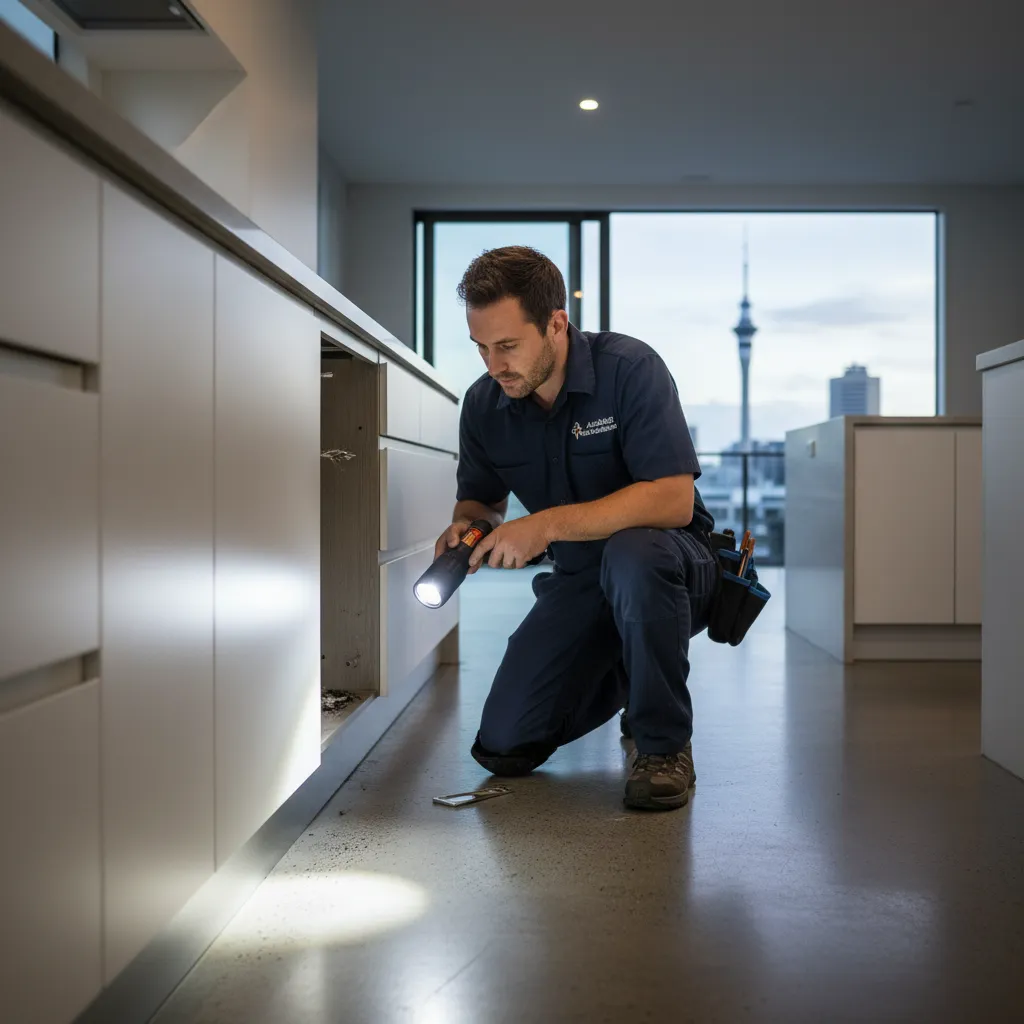
Identifying the Intruder: Mice vs. Rats
Before implementing a treatment plan, it is critical to correctly identify the species. In Auckland, the two most common structural pests are the House Mouse (Mus musculus) and the Norway Rat (Rattus norvegicus), though the Roof Rat (Rattus rattus) is also prevalent. Mistaking a mouse for a young rat is a common error, but their control methods differ significantly.
Physical Differences
Mice are significantly smaller than rats. An adult mouse typically measures 12-20 cm from nose to tail, whereas a rat can be double that size. A key distinguishing feature is the head structure; mice have small, triangular heads with relatively large ears and eyes. In contrast, young rats have larger heads and feet in proportion to their bodies compared to adult mice.
Droppings as Evidence
Often, you will see the signs of the pest before you see the animal itself. Mouse droppings are small, approximately 3-6mm long, and pointed at both ends, resembling grains of black rice. Rat droppings are much larger, blunt at the ends, and shaped like olive pits or capsules. Finding droppings in pantry cupboards, behind appliances, or in the hot water cupboard is a definitive sign of activity.
Behavioral Traits
Mice are curious explorers. They will investigate new objects, which can make them easier to trap if the traps are placed correctly. However, they are also sporadic feeders, nibbling at many different food sources. Rats are neophobic, meaning they fear new objects. If you place a trap in a rat’s path, it may avoid it for days. Understanding these behavioral nuances is why professional identification is the first step in successful pest management.
Why Mice Are a Winter Problem Indoors
As the seasons change in Auckland, so does pest behavior. The onset of winter triggers a migration of rodents from exterior gardens and bushy areas into the warmth of human dwellings. This phenomenon is driven by two primary biological needs: thermoregulation and caloric intake.
Seeking Warmth
Mice do not hibernate. They remain active year-round but struggle to maintain their body temperature in cold, wet conditions. Auckland’s winters, characterized by high humidity and frequent rain, drive mice to seek dry, insulated shelter. Your home’s roof cavity, insulated with fiberglass or wool, mimics the perfect natural nest. Once inside, the warmth from recessed lighting, hot water cylinders, and general central heating makes it an ideal environment for breeding.
Resource Scarcity
Outdoors, seeds, insects, and vegetation become scarce during winter. Inside your home, however, the pantry is always stocked. Mice are attracted to high-calorie foods such as cereals, grains, chocolate, and pet food. Even small crumbs left under a toaster or behind a fridge can sustain a mouse population. The combination of warmth and an endless food supply can cause a small incursion to explode into a full-blown infestation within weeks, as a single female mouse can produce up to 10 litters a year.
Our Proven Mouse Control Methods
When dealing with mice control in Auckland, safety and efficacy must go hand in hand. We utilize a multi-faceted approach designed to eliminate the current population while ensuring the safety of your children and pets.
Tamper-Resistant Bait Stations
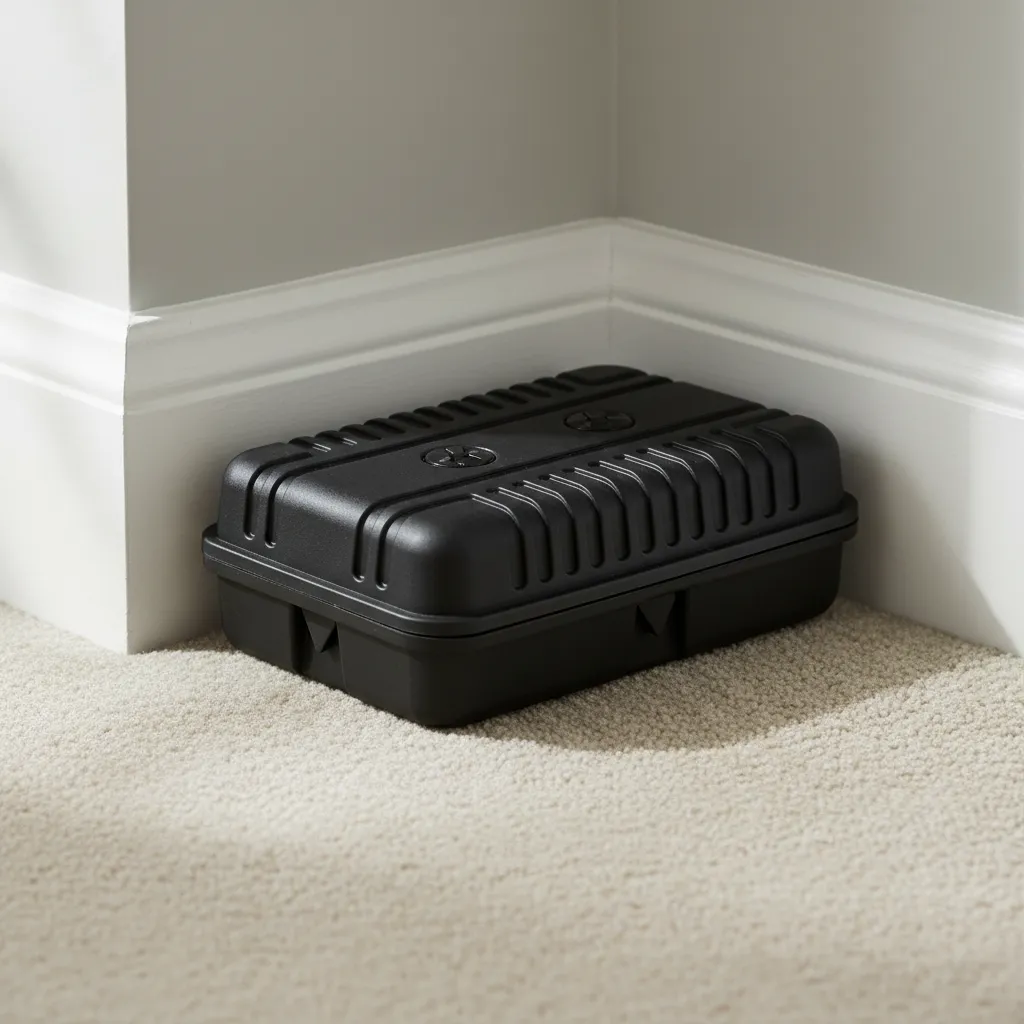
The cornerstone of modern residential mouse control is the use of tamper-resistant bait stations. These are hard plastic boxes that are locked and can only be opened with a special key. The bait blocks are secured inside on metal rods, preventing mice from dragging the poison out into open areas where pets might find it. The stations are designed with small entry holes that allow rodents in but keep children’s fingers and paws out.
Advanced Baits and Traps
We utilize second-generation anticoagulant baits that are highly palatable to mice. These single-feed baits are effective because mice do not die immediately; they return to their nests before succumbing. This prevents “bait shyness,” where other mice learn to avoid the food source. In sensitive areas where baiting is not appropriate, such as food manufacturing facilities or nurseries, we deploy high-sensitivity snap traps and multi-catch mechanical traps.
Strategic Placement
Success lies in placement. Mice have poor eyesight but excellent senses of touch and smell. They tend to run along walls (using their whiskers, or vibrissae, for guidance). Therefore, placing stations in the middle of a room is ineffective. We strategically position control devices along runways, behind appliances, in roof voids, and near identified entry points to intercept rodents as they travel.
Prevention: Sealing Tiny Entry Gaps
Eradication is only half the battle. To ensure the problem does not return next winter, you must physically stop mice from entering. This process, known as exclusion or pest proofing, is vital for long-term control.
The Pencil Test
A mouse can squeeze its body through any opening that its skull can fit through. If you can fit a standard pencil into a crack or hole (approximately 6mm), a mouse can enter. Their skeletons are incredibly flexible, allowing them to flatten themselves to gain access to your home.
Common Entry Points in Auckland Homes
Auckland homes, particularly older villas and bungalows, are riddled with potential entry points. Common vulnerabilities include:
- Pipe Penetrations: Gaps where plumbing pipes enter the cabinetry under the sink.
- Weep Holes: Ventilation gaps in brick veneer cladding.
- Garage Door Seals: Worn rubber seals at the bottom of garage doors.
- Roof Overhangs: Gaps between the fascia and the soffit.
Proofing Materials
We do not use expanding foam alone, as mice can easily chew through it. Instead, we utilize rodent-proof materials such as copper mesh, steel wool, and heavy-gauge hardware cloth. These materials are stuffed into cavities and sealed with caulk or sealant. For larger vents, we install steel mesh covers that allow airflow but block pest access. Sealing these gaps not only keeps mice out but also improves your home’s energy efficiency by reducing drafts.
Health Risks Associated with Rodents
Ignoring a mouse problem is a health hazard. Mice are vectors for numerous diseases that can affect humans and pets. In New Zealand, the primary concerns include Salmonellosis and Leptospirosis.
Salmonellosis: Mice constantly dribble urine and drop feces as they forage. If they walk across food preparation surfaces or get into food packaging, they spread Salmonella bacteria, which causes severe food poisoning.
Asthma and Allergies: As mouse urine dries, it crystallizes and can become airborne. Along with dander and fecal particles, this can trigger asthma attacks and allergic reactions, particularly in children and the elderly.
Damage to Wiring: Beyond biological health, there is a physical safety risk. Mice have incisors that grow continuously. To keep them sharp and short, they must gnaw on hard materials. They frequently chew on electrical wiring in roof voids, which is a leading cause of undetermined structural fires. For more information on environmental health risks, refer to the Ministry of Health NZ guidelines.
Choosing the Right Pest Control Service
Not all exterminators are created equal. When selecting a provider for mice control in Auckland, look for certification and experience. A reputable company should be a member of the Pest Management Association of New Zealand (PMANZ), ensuring they adhere to strict codes of practice regarding chemical safety and animal welfare.
Ask potential providers about their warranty policies. Rodent control often requires a follow-up visit to replenish bait and check traps. A trustworthy service will offer a guarantee period, returning to treat the property at no extra cost if the infestation persists within a reasonable timeframe. By choosing a certified professional, you ensure that the job is done safely, effectively, and with minimal disruption to your daily life.
Frequently Asked Questions
How much does pest control for mice cost in Auckland?
The cost of mice control in Auckland typically ranges from $180 to $350+ GST, depending on the size of the property and the severity of the infestation. This usually includes an initial inspection, bait station deployment, and a follow-up visit.
How do you get rid of mice permanently?
Permanent removal requires a two-step process: eradication and exclusion. First, the existing population must be removed using baits or traps. Second, all entry points (gaps larger than 6mm) must be sealed with steel wool or mesh to prevent new mice from entering.
Do mice leave on their own?
No, mice rarely leave a home on their own if they have access to warmth and food. In fact, they will breed rapidly. Ignoring the problem usually leads to a larger infestation and more significant property damage.
Is the landlord or tenant responsible for mice control in NZ?
Generally, if the infestation was present at the start of the tenancy or is caused by structural issues (holes in walls), the landlord is responsible. If the infestation is caused by the tenant’s lack of cleanliness (leaving food out), the tenant may be responsible.
How long does it take to get rid of mice?
Professional treatments typically take 2 to 3 weeks to fully eliminate a mouse population. The bait takes several days to work, and it may take time for all mice to feed on it. Follow-up visits ensure the cycle is broken.
Are mouse baits safe for dogs and cats?
Professional pest controllers use tamper-resistant bait stations that pets cannot open. While the bait itself is toxic, the stations prevent access. It is crucial to inform your technician about pets so they can place stations in inaccessible areas.