Office building pest control in Auckland is a crucial service focused on eradicating and preventing infestations in commercial premises, ensuring a safe, healthy, and productive environment for employees and clients. It involves strategic, often discreet, interventions tailored to the unique challenges of modern office spaces, addressing both immediate threats and long-term preventative measures.
Maintaining a clean and pest-free office environment is paramount for any business in Auckland. Beyond the immediate discomfort and aesthetic concerns, pests can pose significant health risks, cause structural damage, and severely impact a company’s reputation and operational efficiency. Expert office building pest control provides a robust defence against these threats, safeguarding your investment and the well-being of your workforce.
Pests Affecting Office Environments in Auckland
Auckland’s diverse climate can make office buildings attractive targets for a variety of pests seeking shelter, food, and water. Understanding the common culprits and their specific threats is the first step in developing an effective pest management strategy. Infestations, if left unchecked, can quickly escalate from minor nuisances to serious health hazards and financial liabilities for businesses.
Common Office Pests and Their Risks
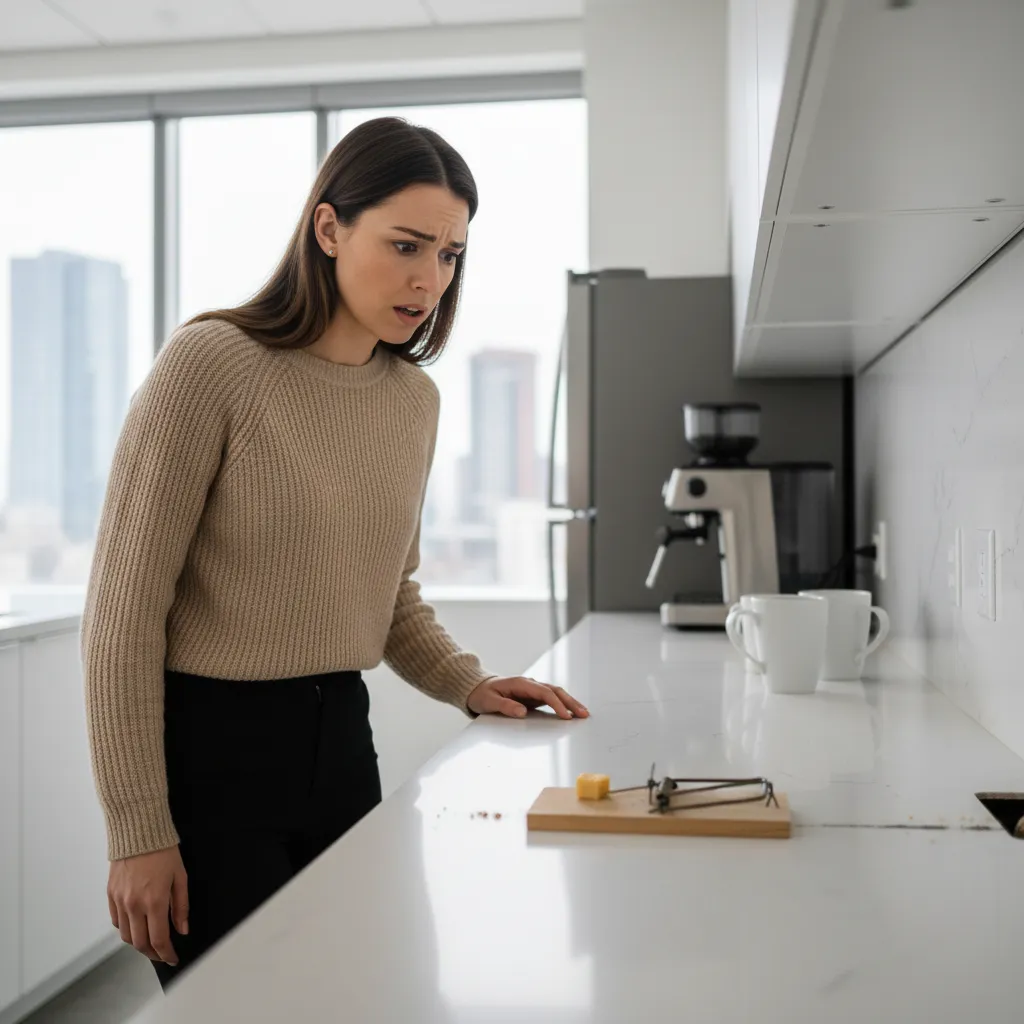
Office environments, despite appearing sterile, offer numerous attractions for pests. Rodents such as mice and rats are notorious for contaminating food, spreading diseases like leptospirosis, and chewing through electrical wiring, posing fire risks and causing significant data loss. Their presence can severely undermine a professional image.
Cockroaches, another common intruder, thrive in warm, dark, and humid areas, often found in kitchenettes or washrooms. They carry bacteria, allergens, and pathogens, contributing to food poisoning and respiratory issues. A single sighting can trigger alarm among staff and visitors, impacting morale and trust.
Ants, while generally less hazardous, are a major nuisance, contaminating food supplies and appearing in large numbers, which can be particularly unwelcome in client-facing areas. Certain species, like the Argentine ant, are invasive and challenging to control without professional intervention.
Spiders, though often harmless, can cause distress, especially if found in large numbers or if they are a species like the White-tailed spider, whose bite can be painful. Webbing also creates an unkempt appearance, reflecting poorly on maintenance standards.
Finally, seasonal pests like flies and mosquitoes can be carriers of various diseases, disrupt concentration, and create an uncomfortable atmosphere, especially during warmer months. Effective control requires understanding their breeding habits and entry points.
Health and Safety Implications for Staff
The presence of pests in an office building extends beyond mere annoyance; it directly impacts the health and safety of employees. Pests can exacerbate allergies and asthma, especially from cockroach droppings, rodent dander, and insect exoskeletons. These allergens become airborne, reducing indoor air quality and contributing to respiratory problems.
Food contamination is a critical concern, particularly in office kitchen areas where food is stored and prepared. Pests like rodents and cockroaches can transmit bacteria such as Salmonella and E. coli, leading to severe gastrointestinal illnesses. This directly violates workplace health and safety standards and can result in staff absenteeism.
Beyond physical ailments, the psychological impact of pests cannot be underestimated. Persistent pest problems can cause stress, anxiety, and a general sense of unease among staff, affecting productivity and morale. Employees may feel uncomfortable or unsafe in their workspace, leading to decreased job satisfaction and increased turnover. Furthermore, businesses have a legal obligation under New Zealand’s Health and Safety at Work Act 2015 to provide a safe environment, making robust pest control an essential compliance measure.
Minimizing Business Disruption During Pest Control
For any Auckland business, operational continuity is paramount. When addressing pest issues, the last thing a company needs is for the solution to become another problem. Professional office building pest control services prioritize discreet and efficient interventions designed to cause minimal interruption to daily business activities.
Strategic Scheduling and Discreet Services
A key aspect of effective commercial pest control is the ability to schedule treatments outside of regular business hours. This means technicians can carry out necessary work during evenings, weekends, or public holidays, ensuring that employees are not present, and the office environment remains undisturbed during peak operational times. This strategic approach prevents any direct interference with staff productivity, meetings, or client interactions.
Discretion also extends to the physical presence of pest control teams. Many reputable Auckland pest control providers use unmarked vehicles and professional, understated uniforms. This helps maintain the confidentiality of the service, avoiding any unnecessary attention or speculation that could potentially affect a business’s reputation. The aim is to resolve the pest issue silently and effectively, allowing the business to operate as usual without external distractions.
Integrated Pest Management (IPM) for Long-Term Results
Integrated Pest Management (IPM) is a cornerstone of modern, responsible office building pest control. Unlike traditional methods that rely heavily on reactive chemical treatments, IPM focuses on a comprehensive, long-term strategy that combines several approaches for effective and sustainable pest management. This holistic approach prioritizes prevention and minimizes risks to people and the environment.
IPM involves meticulous monitoring and identification of pests, understanding their life cycles and habits, and then implementing a combination of strategies. These can include physical exclusion (sealing entry points), improved sanitation practices, biological controls, and, only when necessary, targeted use of low-toxicity pesticides. The emphasis is on identifying the root cause of the infestation and addressing it systematically, rather than just treating symptoms. For businesses in Auckland, embracing IPM means fewer repeated pest outbreaks, reduced chemical exposure, and a more sustainable solution that protects both the building and its occupants.
Proactive Measures for Businesses
Beyond professional pest control services, businesses themselves play a vital role in preventing pest infestations. Implementing proactive measures can significantly reduce the likelihood of pests taking hold. Effective waste management is crucial; ensuring all food waste is properly sealed and regularly removed prevents attracting rodents and insects. Prompt cleaning of spills and crumbs in kitchenettes and dining areas also eliminates food sources.
Building maintenance is another critical factor. Regularly inspecting and sealing cracks, crevices, and gaps around pipes, windows, and doors can block common entry points for pests. Installing screens on windows and ensuring doors fit tightly can also be highly effective. Educating staff on the importance of maintaining a clean personal workspace, storing food in sealed containers, and promptly reporting any signs of pest activity creates a collective defense against infestations. These simple yet effective measures complement professional pest control efforts, fostering a truly healthy and pest-free office environment.
Safe & Environmentally Friendly Pest Control Solutions
In today’s corporate landscape, environmental responsibility and employee well-being are non-negotiable. Businesses in Auckland are increasingly seeking pest control solutions that are not only effective but also safe for occupants and the environment. Modern office building pest control prioritizes methods that align with these values.
Eco-Friendly and Sustainable Practices
Professional pest control services in Auckland are moving towards eco-friendly and sustainable practices, moving away from broad-spectrum, persistent pesticides. This involves utilizing targeted treatments that focus directly on the pest species and affected areas, minimizing the impact on non-target organisms and the broader environment. Examples include the use of baits with active ingredients that are specific to certain pests, rather than sprays that disperse widely.
Non-chemical methods are also a significant component of eco-friendly approaches. These can include advanced trapping systems, heat treatments for specific infestations like bed bugs (though less common in offices, still relevant for unique cases), and exclusion techniques like installing physical barriers. The goal is to reduce the chemical footprint while maintaining high efficacy, ensuring that the pest problem is resolved without introducing new risks to the office ecosystem. For more information on sustainable pest management, you can refer to resources from reputable environmental agencies or organizations.
Compliance with Auckland’s Health & Safety Regulations
Operating an office building in Auckland requires strict adherence to various health and safety regulations, which include maintaining a pest-free environment. Businesses are obligated to provide a safe working space, and pest infestations can easily breach these standards. Professional pest control providers are knowledgeable about local bylaws and national health and safety guidelines, ensuring all treatments comply with these requirements. This includes using products approved for commercial use and following strict application protocols to protect building occupants.
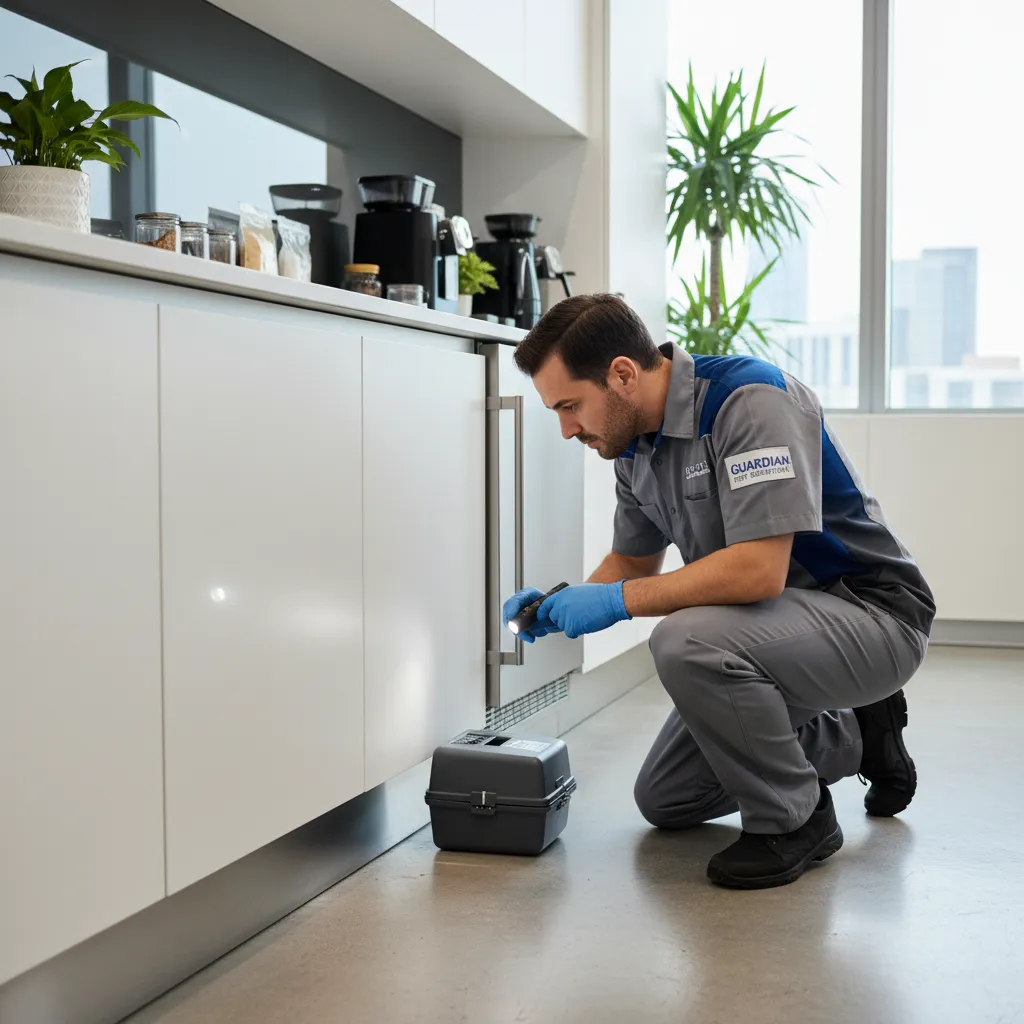
Certified technicians are trained not only in pest eradication techniques but also in the safe handling and application of all materials, minimizing risks of exposure. They understand the importance of clear communication, providing Material Safety Data Sheets (MSDS) when required and explaining procedures to building managers. This commitment to compliance protects the business from potential fines, legal liabilities, and reputational damage, ensuring peace of mind for employers and employees alike. For comprehensive information on health and safety compliance, consult official New Zealand government resources like the Ministry of Business, Innovation and Employment (MBIE) or WorkSafe NZ.
Ensuring Employee Wellbeing and Peace of Mind
The ultimate goal of safe and environmentally friendly pest control is to ensure the wellbeing and peace of mind of employees. By employing low-toxicity and targeted solutions, businesses can significantly reduce the risk of chemical exposure, which can be a concern for individuals with sensitivities or allergies. This contributes to healthier indoor air quality, a critical factor for productivity and overall comfort in the workplace.
Transparency in the pest control process is also vital. Reputable Auckland pest control services will clearly communicate the methods being used, the safety precautions in place, and any necessary post-treatment ventilation or re-entry instructions. This open approach builds trust and reassures employees that their health is a top priority. A workspace free from the threat of pests and the worry of harmful chemical residues allows employees to focus on their work in a comfortable and secure environment, enhancing job satisfaction and productivity.
Regular Inspections & Preventative Maintenance Programs
Effective office building pest control in Auckland is not a one-time event; it’s an ongoing commitment to maintaining a healthy and productive workspace. Regular inspections and preventative maintenance programs are the most reliable way to ensure long-term pest freedom and avoid costly, disruptive infestations.
Customized Pest Management Plans for Offices
Every office building is unique, with varying layouts, age, location, and operational practices. A one-size-fits-all approach to pest control is rarely effective. Professional pest control providers in Auckland offer customized pest management plans tailored to the specific needs and challenges of each commercial property. This begins with a thorough initial inspection to identify existing pest activity, potential entry points, high-risk areas (like kitchenettes, waste disposal zones, storage rooms), and any environmental factors contributing to infestations.
Based on this assessment, a bespoke plan is developed. This plan outlines specific treatment strategies, a schedule for routine inspections and maintenance, recommended sanitation improvements, and employee education initiatives. It accounts for the types of pests common to the area, the building’s vulnerabilities, and the business’s operational hours. Such customized plans ensure that resources are allocated efficiently, providing maximum protection while minimizing unnecessary interventions. Regular reporting and communication are also integral, keeping building management informed of activities and findings.
Addressing Seasonal Pest Challenges in Auckland
Auckland’s temperate climate means that pest activity often fluctuates with the seasons. A comprehensive pest management program must proactively address these seasonal challenges. For instance, cooler winter months often see an increase in rodent activity as they seek warmth and shelter indoors. Spring and summer, conversely, can bring a surge in ant, fly, and spider populations. Termites may also become more apparent during specific periods, particularly after rainfall.
An effective preventative maintenance program includes seasonal adjustments to treatments and monitoring. This might involve more intensive exterior barrier treatments in spring to prevent insects from entering, or enhanced rodent baiting programs in autumn to intercept them before they establish themselves indoors. By anticipating these patterns, pest control services can deploy targeted interventions before infestations take hold, providing consistent protection throughout the year. This proactive approach is far more effective and less disruptive than reacting to a full-blown infestation.

The Value of Proactive Pest Management for Long-Term Protection
Investing in proactive pest management, including regular inspections and preventative maintenance, offers significant long-term value for office buildings in Auckland. The most immediate benefit is cost savings. Preventing an infestation is invariably less expensive than the extensive and often disruptive treatments required to eradicate an established pest problem. Early detection means smaller, more manageable interventions, avoiding damage repairs, product losses, and potential business downtime.
Furthermore, consistent pest control protects a business’s brand reputation. An office known for pest issues can suffer severe reputational damage, deterring clients and potential employees. Maintaining a pristine, pest-free environment signals professionalism and care, reinforcing a positive brand image. Crucially, it ensures continuous compliance with health and safety regulations, minimizing legal risks. Ultimately, a proactive approach fosters a consistently healthy, safe, and productive workspace, allowing businesses to thrive without the persistent worry of pests.
By partnering with expert office building pest control services in Auckland, businesses can establish a resilient defense against pests, ensuring their premises remain a clean, safe, and productive environment for everyone.
People Also Ask
How often should an office building in Auckland have pest control?
The frequency of office building pest control in Auckland depends on factors like location, building age, industry, and previous pest activity. Generally, monthly or quarterly inspections and preventative treatments are recommended for most commercial properties to maintain a pest-free environment. High-risk areas or buildings with a history of infestations may require more frequent visits.
What types of pests commonly infest Auckland office buildings?
Common pests found in Auckland office buildings include rodents (mice, rats), cockroaches, various ant species, spiders, and seasonal insects like flies and mosquitoes. Pests are often attracted to areas with food waste, water sources, and sheltered entry points like cracks in foundations or poorly sealed windows.
Are the pest control treatments safe for office workers and the environment?
Reputable office building pest control services in Auckland prioritize the use of safe, low-toxicity, and environmentally friendly methods. Integrated Pest Management (IPM) strategies minimize chemical use through targeted applications, physical barriers, and non-chemical traps. Technicians also adhere to strict health and safety guidelines, ensuring treatments are safe for occupants and the environment when applied correctly.
Can pest control services be conducted without disrupting daily office operations?
Yes, professional office building pest control services are designed to minimize disruption. This is achieved through strategic scheduling (e.g., after-hours, weekends), discreet service delivery with unmarked vehicles, and the use of fast-acting, low-odour products. The aim is to complete treatments efficiently and without impacting employee productivity or client interactions.
What proactive steps can office managers take to prevent pests?
Office managers can implement several proactive measures, including ensuring strict waste management protocols (sealed bins, regular emptying), maintaining cleanliness in kitchenettes, sealing cracks and crevices in the building’s exterior, ensuring doors and windows are properly sealed, and educating staff on proper food storage and waste disposal. These steps significantly reduce attraction and entry points for pests.
Why is professional pest control important for an office building’s reputation?
Professional pest control is crucial for maintaining an office building’s reputation because pest sightings can severely damage a company’s image among clients, visitors, and employees. Infestations imply poor hygiene and neglect, which can lead to a loss of trust, decreased employee morale, and negative word-of-mouth. A pest-free environment reflects professionalism, attention to detail, and a commitment to health and safety.