Pest control maintenance plans in Auckland are comprehensive, recurring service agreements designed to prevent infestations before they start. These programs typically involve scheduled inspections, proactive barrier treatments, and monitoring strategies tailored to Auckland’s unique humid climate, ensuring homes and businesses remain pest-free year-round.
The Necessity of Ongoing Pest Protection in Auckland
Auckland is a beautiful place to live and work, but its distinct geography and climate create a perfect storm for pest activity. Situated on an isthmus with a subtropical climate, the region experiences high humidity, moderate rainfall, and relatively mild winters. While these conditions are excellent for lush vegetation, they also provide an ideal breeding ground for a wide variety of pests, including cockroaches, ants, rodents, and spiders.
Unlike cooler regions where pest activity might cease entirely during winter, Auckland’s pests are often active year-round. Rodents, for instance, seek warmth indoors as temperatures drop slightly, while cockroaches thrive in the moisture-laden air typical of the region. A one-off treatment might solve an immediate crisis, but without ongoing pest protection programs, re-infestation is almost a certainty. The dense urban environment mixed with green corridors allows pests to migrate easily between properties, meaning your neighbor’s infestation can quickly become your problem if your defenses are down.
Preventative vs. Reactive Control: The Cost of Waiting
When it comes to pest management, property owners generally fall into two categories: those who react to problems and those who prevent them. Understanding the difference between preventative and reactive control is crucial for long-term property maintenance and budget management.
The Pitfalls of Reactive Control
Reactive pest control is the “firefighting” approach. You wait until you see a rat in the kitchen or a trail of ants in the pantry before calling a professional. By the time visible signs of an infestation appear, the population is likely already established within the walls, roof voids, or subfloors. Treating a full-blown infestation is often more expensive, requires more aggressive chemical applications, and causes significant disruption to your daily life or business operations. Furthermore, the damage caused by pests—such as chewed wiring by rodents or structural damage by borers—may have already occurred.
The Power of Preventative Maintenance
Preventative pest control maintenance plans in Auckland focus on creating an inhospitable environment for pests. This approach utilizes chemical barriers, monitoring stations, and environmental management to stop pests from entering the structure in the first place. It is a proactive investment similar to servicing a car; regular small costs prevent catastrophic engine failure. By maintaining a continuous protective shield, you avoid the stress of emergency call-outs and the gross factor of encountering pests in your living or working space.
Core Benefits of Regular Maintenance Plans
Opting for a scheduled maintenance program offers advantages that go far beyond simply killing bugs. It is a holistic approach to property care.
1. Health and Safety
Pests are vectors for disease. Cockroaches can spread Salmonella and E. coli, while rodents carry leptospirosis and other pathogens. Regular maintenance ensures that these disease carriers are kept at bay, protecting the health of your family, employees, or customers. For businesses, particularly in the hospitality sector, this is not just a benefit but a regulatory requirement.
2. Protection of Property Value
Your property is likely your biggest investment. Termites (though less common in NZ, borer is a major issue), rats, and mice can cause extensive physical damage. Rodents are notorious for chewing through electrical wiring, which poses a significant fire risk. Regular inspections allow technicians to identify and rectify potential entry points and vulnerability zones before damage occurs.
3. Cost Effectiveness
While a monthly or quarterly fee might seem like an added expense, it is often cheaper than the cumulative cost of emergency treatments and property repairs. Emergency call-outs often carry premium charges, and the remediation of a severe infestation requires more labor and materials than a standard maintenance visit.
4. Peace of Mind
Knowing that a professional is monitoring your property provides invaluable peace of mind. You don’t have to worry about seasonal spikes in pest activity because your program is adjusted to anticipate them.
What Our Comprehensive Plans Include
A high-quality pest control maintenance plan in Auckland is not a “spray and pray” service. It is a structured protocol designed to address the specific needs of the property. Here is what you can expect from a professional program:
Initial Comprehensive Inspection
Every plan begins with a deep-dive audit of the premises. Technicians assess current pest levels, identify entry points (such as gaps in plumbing or unsealed eaves), and evaluate environmental factors contributing to pest pressure (such as overhanging trees or drainage issues).
Exterior Perimeter Defense
The first line of defense is the exterior. Services typically include:
- Residual Barrier Sprays: Applying long-lasting treatments to the foundation, window frames, and door thresholds to deter crawling insects.
- De-webbing: Removal of spider webs from eaves, fences, and external structures to discourage spider populations.
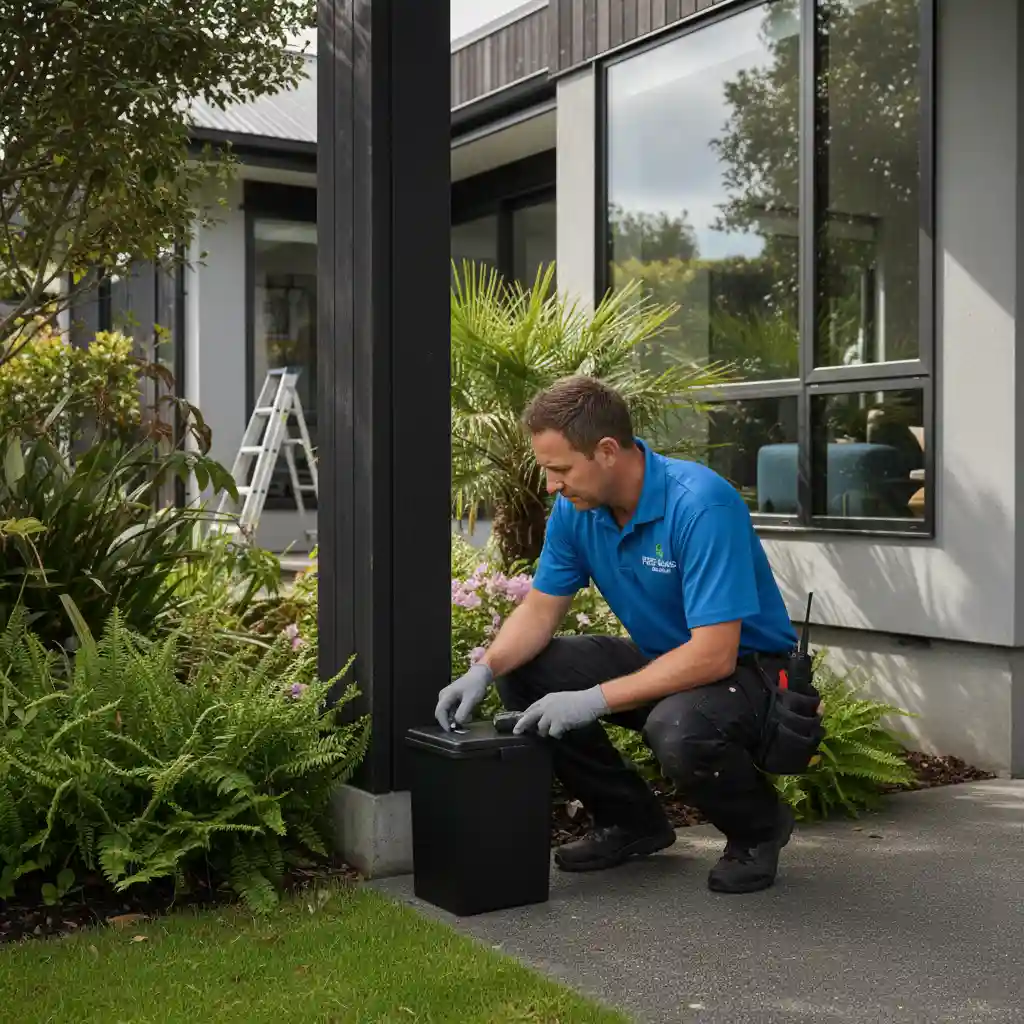
- Bait Station Management: Installation and servicing of tamper-resistant rodent bait stations along perimeter fences and near entry points.
Interior Targeted Treatments
Inside the property, the focus shifts to safety and precision. Treatments may include:
- Gel Baiting: Discreet application of cockroach and ant gels in hinges, crevices, and behind appliances.
- Dusting Roof Voids: Applying insecticidal dust to roof cavities and subfloors where pests often nest.
- Monitoring Traps: Placing glue boards or pheromone traps to monitor activity levels between visits.
Detailed Reporting
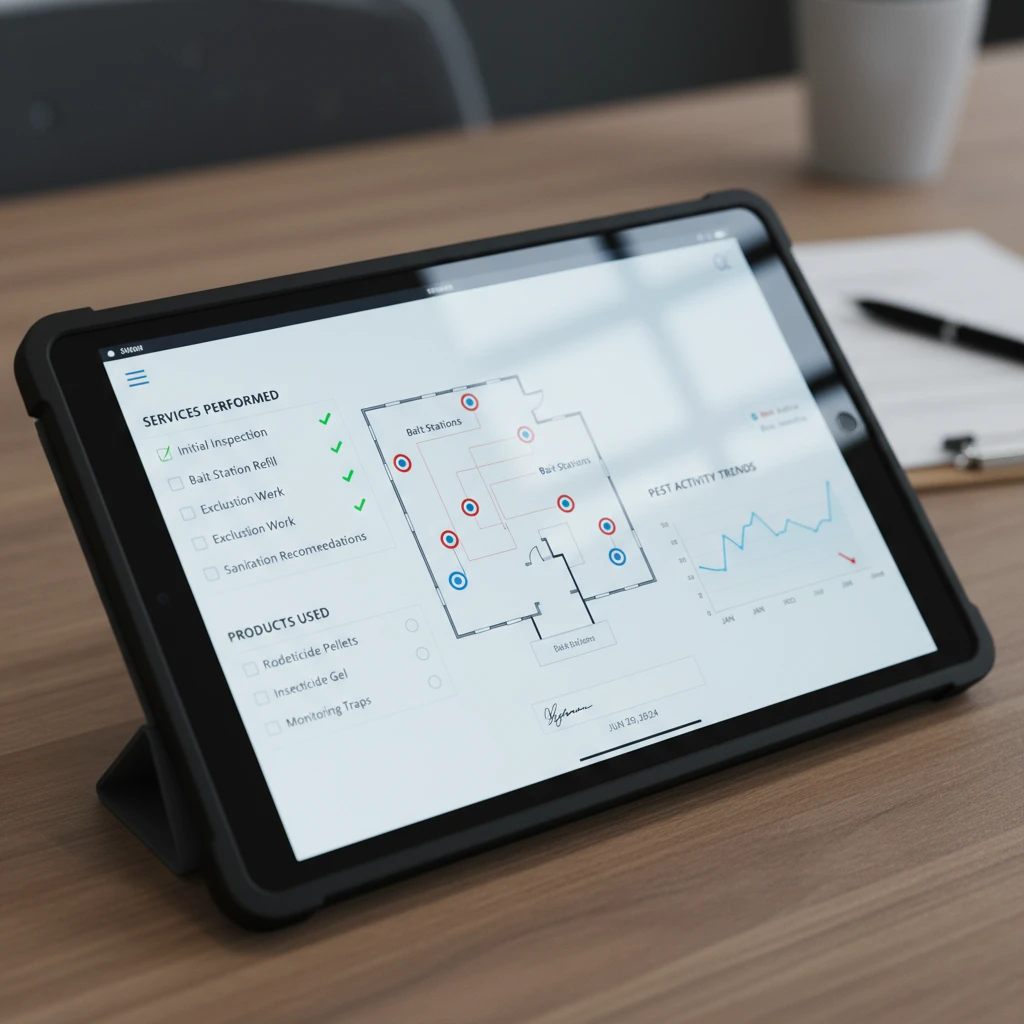
After every visit, you should receive a detailed report outlining what products were used, what activity was found, and recommendations for structural or sanitary improvements.
Customizable Service Frequencies for Every Property
One size does not fit all when it comes to pest control. The frequency of service depends heavily on the type of property, the surrounding environment, and the tolerance for pest activity.
Residential Maintenance Plans
For most standalone homes in Auckland, a quarterly (every 3 months) or tri-annual (every 4 months) service is sufficient. This frequency aligns with the changing seasons:
- Spring: Focus on breeding prevention as temperatures rise.
- Summer: High-intensity control for peak activity of flies, ants, and cockroaches.
- Autumn: Rodent prevention as rats and mice look for winter shelter.
- Winter: Maintenance of interior barriers and monitoring.
Commercial Maintenance Plans
Commercial properties, especially those handling food, require more frequent attention. Monthly services are the industry standard for restaurants, cafes, warehouses, and food processing plants. High-risk environments may even require weekly inspections to comply with strict food safety standards and auditing requirements.
Auckland-Specific Pests Covered Under Maintenance
Auckland’s ecosystem supports a specific range of pests that maintenance plans must target effectively.
1. Cockroaches (Gisborne and German)
The Gisborne cockroach is an outdoor native that often wanders inside, while the German cockroach is an indoor pest that breeds rapidly in kitchens. Maintenance plans use different strategies for each: exterior barriers for Gisbornes and growth regulators (IGRs) for Germans.
2. Rodents (Norway Rats, Roof Rats, Mice)
Roof rats are particularly problematic in Auckland due to the abundance of fruit trees and overhanging branches. They are agile climbers that nest in roof voids. Norway rats are more likely to burrow under foundations. A maintenance plan manages both through strategic bait placement and exclusion advice.
3. Ants (White-footed and Argentine)
Invasive ant species like the Argentine ant can form super-colonies. Reactive spraying often makes these ants bud off into new colonies, making the problem worse. Maintenance plans utilize non-repellent transfer insecticides that allow ants to carry the treatment back to the nest, eliminating the colony at the source.
Commercial Compliance and Documentation
For Auckland businesses, pest control is not optional—it is a legal necessity. The Ministry for Primary Industries (MPI) and local councils enforce strict hygiene standards. A commercial pest control maintenance plan ensures compliance with the Food Act 2014.
Professional providers offer comprehensive documentation folders (often digital) that include:
- Safety Data Sheets (SDS) for all chemicals used.
- Trend analysis logs showing pest activity over time.
- Site maps indicating the location of all bait stations and traps.
- Proof of service for external auditors.
This level of documentation is critical for passing food safety audits and maintaining a reputable brand image.
Choosing the Right Pest Control Provider
Not all pest control companies in Auckland are created equal. When selecting a partner for an ongoing maintenance plan, consider the following criteria to ensure you are receiving safe and effective service.
Certifications and Training
Ensure the technicians are registered and certified. In New Zealand, reputable companies are often members of the Pest Management Association of New Zealand (PMANZ). Membership indicates adherence to a strict code of ethics and ongoing professional development.
Eco-Friendly Options
With Auckland’s proximity to harbors and waterways, environmental responsibility is key. Look for providers who practice Integrated Pest Management (IPM). IPM prioritizes mechanical and physical controls before resorting to chemical interventions and selects products with low toxicity to non-target species.
Transparency and Guarantees
A trustworthy provider will offer a service warranty. If pests return between scheduled maintenance visits, the company should return to treat the issue at no extra cost. Be wary of providers who do not offer this service guarantee, as it suggests a lack of confidence in their treatment methods.
Frequently Asked Questions
How much does a pest control maintenance plan cost in Auckland?
The cost varies based on property size and frequency. Residential plans typically range from $120 to $200 per quarter, while commercial plans are quoted based on square footage and risk levels. Investing in a plan is generally 20-30% cheaper annually than paying for one-off emergency treatments.
Are the chemicals used in maintenance plans safe for pets and children?
Yes, modern pest control focuses on targeted application. Professionals use tamper-resistant bait stations and low-toxicity gels placed in areas inaccessible to pets and children. Always follow the technician’s advice regarding drying times, which is usually 2-4 hours for spray treatments.
Do I need to leave my house during a maintenance visit?
For exterior-only treatments, you do not need to leave. For interior spray treatments, it is standard practice to vacate the property for 3 to 4 hours to allow the treatment to dry and settle. However, many modern gel and bait treatments do not require you to leave at all.
What happens if pests return between scheduled visits?
Reputable Auckland pest control companies include a service guarantee in their maintenance plans. If pest activity persists or returns between scheduled visits, the provider will return to re-treat the affected area free of charge.
Does a maintenance plan cover all types of pests?
Most standard plans cover “general pests” such as cockroaches, ants, spiders, rats, and mice. Specialized pests like bed bugs, fleas, or borer usually require separate, intensive treatments and are not included in standard maintenance fees unless specified.
How often should a commercial kitchen be serviced for pests?
Commercial kitchens in Auckland should be serviced monthly. High-frequency service is required to break the breeding cycle of German cockroaches and to ensure continuous compliance with the Food Act 2014 and local council health regulations.