Pantry pests identification in Auckland involves recognising common stored product insects like weevils, moths, and beetles that infest dry goods in kitchens. Effectively identifying these invaders is the crucial first step towards implementing targeted prevention and elimination strategies, safeguarding your food supply and maintaining a hygienic home environment in the Auckland region.
Understanding Pantry Pests: A Local Perspective for Auckland Kitchens
Auckland, with its mild climate and bustling urban environment, provides an ideal habitat for a variety of common household pests, including those unwelcome guests known as pantry pests. These aren’t just a nuisance; they can contaminate food, render it inedible, and cause significant economic losses if left unchecked. Understanding their habits, preferred foods, and life cycles is fundamental to effective management.
Pantry pests, often referred to as stored product pests, are insects that infest dry food products commonly found in kitchen pantries and storage areas. This includes flour, cereals, pasta, rice, pet food, spices, dried fruits, nuts, and even chocolate. They are expert hitchhikers, often introduced into homes through contaminated groceries. Once inside, they can quickly multiply, turning a minor issue into a widespread infestation.
For Auckland homeowners and businesses, vigilance is key. The warm, humid conditions prevalent in many parts of the region can accelerate the development of these pests, making prompt identification and action even more critical. Knowing what to look for, and where, will empower you to protect your kitchen and pantry from these persistent invaders.
Identifying Common Pantry Pests in Your Auckland Kitchen
Accurate identification is the cornerstone of effective pantry pest management. While many different species can infest stored food, a few are particularly common in Auckland kitchens. Familiarising yourself with their appearance and tell-tale signs of infestation will significantly aid your efforts.
Indian Meal Moths: The Web Spinners
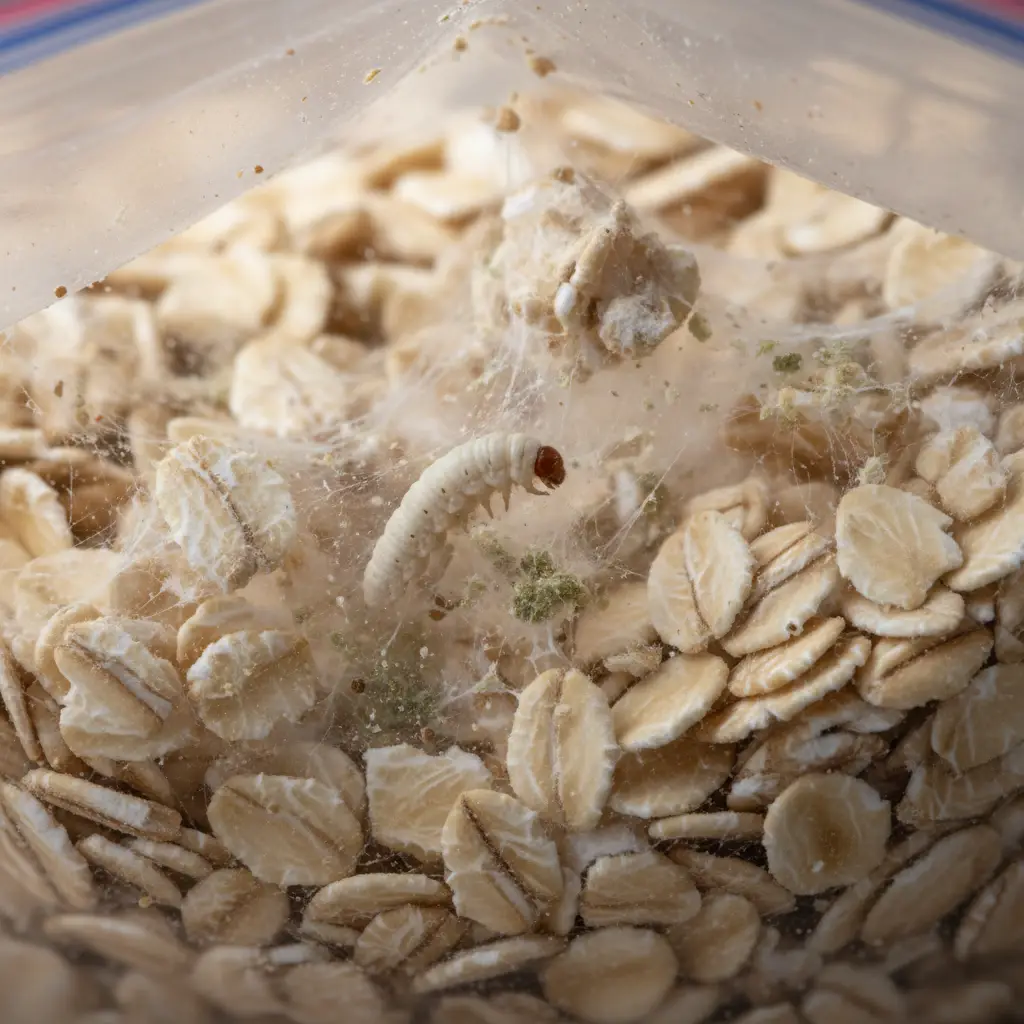
The Indian meal moth (Plodia interpunctella) is one of the most prevalent pantry pests worldwide, and Auckland is no exception. Adults are small moths, about 10-14 mm long, with distinctive bronze or coppery-coloured outer wings and lighter greyish-white inner wings. They are often seen flying in erratic patterns around kitchens, especially near food sources or light fixtures. The real damage, however, is done by their larvae.
Larvae are off-white, worm-like caterpillars with a dark head, growing up to 12 mm long. They feed on a wide range of dry foods, including grains, cereals, nuts, dried fruits, and even pet food. A clear sign of their presence is the silken webbing they spin as they move and feed, often visible on food packaging or within the food itself, resembling fine spiderwebs. You might also find cocoons in corners of cupboards or on ceilings as they prepare to pupate.
Grain Weevils: Small but Destructive
Grain weevils, particularly the granary weevil (Sitophilus granarius) and rice weevil (Sitophilus oryzae), are tiny, reddish-brown to black beetles, typically 2-3 mm long, with a distinct snout or proboscis. While similar in appearance, granary weevils cannot fly, whereas rice weevils can.
These pests are particularly fond of whole grains such as wheat, corn, rice, and barley. Adult females chew a small hole in a grain kernel, lay an egg inside, and then seal the hole. The larva develops entirely within the kernel, emerging as an adult. Signs of infestation include seeing adult weevils crawling in or around grain products, or finding tiny holes in individual kernels. Infested grains may also have a fine powder or dust, indicating their feeding activity. Learn more about weevils on Wikipedia.
Sawtoothed Grain Beetles: The Invaders
The sawtoothed grain beetle (Oryzaephilus surinamensis) is another common pantry pest. These are slender, flattened reddish-brown beetles, about 2.5-3 mm long. Their name comes from the six saw-like projections on each side of their thorax (the segment behind the head). Unlike weevils, they lack a snout.
Sawtoothed grain beetles are general feeders and can infest a wide variety of dry stored products, including flour, cereals, pasta, dried fruit, pet food, and even chocolate. They cannot penetrate intact packaging, but readily enter through tiny openings or tears. Their presence is often indicated by seeing the adults crawling actively in and around food packages and on pantry shelves. You might also notice fine, dusty residue in infested products.
Flour Beetles: Red and Confused
Two main species of flour beetles, the red flour beetle (Tribolium castaneum) and the confused flour beetle (Tribolium confusum), are common pantry pests. Both are small, reddish-brown, flattened beetles, about 3-4 mm long. The main visual difference is subtle: the confused flour beetle has antennae that gradually thicken towards the tip, while the red flour beetle’s antennae have a three-segmented club at the end.
These beetles primarily infest milled grain products like flour, cake mixes, and cereals, but can also be found in nuts, chocolate, and dried fruits. Heavy infestations can give food a greyish tint and a disagreeable odour or taste due to a secretion they produce. You’ll typically find adults and larvae crawling through the infested food.
Spider Beetles: The Round Intruders
Spider beetles (e.g., Gibbium psylloides, Ptinus spp.) are less common but can be quite unsettling due to their spider-like appearance. They are small (2-5 mm), reddish-brown to black, with long legs and antennae, and a humpbacked, often globular body. They are nocturnal and prefer dark, damp places.
Spider beetles are general scavengers and can infest a wide range of dried plant and animal products, including flour, dried fruits, spices, pet food, and even wool or museum specimens. Signs of their presence include seeing the adults crawling at night, or finding them in secluded corners of the pantry. Their larvae are C-shaped and yellowish-white.
Comprehensive Pantry Inspection: Where and What to Look For
Once you suspect pantry pests, a thorough inspection is paramount. This isn’t just about spotting adult insects; it’s about uncovering their hiding spots and the extent of the infestation. A systematic approach will yield the best results.
Begin by emptying your entire pantry or food storage area. Remove all food items, containers, and shelf liners. This provides a clear view and prevents missing hidden infestations. Pay close attention to items that have been in storage for a long time, open packages, or those with damaged packaging.
Your Inspection Checklist
- Examine All Dry Food Products: Look closely at flour, rice, pasta, cereals, spices, pet food, birdseed, dried fruit, nuts, and even tea bags or coffee. Check for:
- Adult insects: Weevils, beetles, or moths crawling.
- Larvae/Caterpillars: Small, worm-like creatures.
- Webbing: Fine, silken threads, particularly from Indian meal moth larvae.
- Chewed packaging: Small holes or tears in bags, boxes, or plastic wraps.
- Fine powder or dust: Residue from feeding activity.
- Odour: A musty or unpleasant smell from heavily infested products (especially from flour beetles).
- Check Packaging Seals: Even supposedly sealed bags can have tiny imperfections or tears. Insects like sawtoothed grain beetles can exploit these.
- Inspect Containers: Look inside and around storage containers, even supposedly airtight ones. Check the seals for any cracks or gaps.
- Clean Out Shelf Liners: Pests can hide underneath or within the crevices of shelf liners.
- Examine Pantry Shelves and Cracks: Look for insects, larvae, pupae, or webbing in cracks, crevices, corners, and along shelf edges. Use a flashlight for better visibility.
- Check Adjoining Areas: Pests can sometimes migrate. Inspect nearby cupboards, drawers, and even ceiling-wall junctions for activity, especially if you see moths flying.
- Review Expiry Dates: Old or expired food items are more susceptible to infestation as they are often overlooked.
Remember, some pests are tiny and excellent at hiding. A magnifying glass can be a useful tool during your inspection. If you find any signs of infestation, assume the product is contaminated and proceed with elimination.
Effective and Safe Elimination Methods for Pantry Pests
Once identified, prompt and thorough action is crucial to eliminate pantry pests and prevent their return. Combining immediate disposal with deep cleaning and preventative measures offers the most effective solution.
Immediate Action: Contain and Dispose
The first and most critical step is to remove all infested items. Do not just throw them in your kitchen bin, as pests can escape and re-infest. Instead:
- Bag and Seal: Place all infested food items, including their packaging, into a sturdy plastic bag. Seal it tightly.
- Immediate Disposal: Take the sealed bag immediately to an outdoor rubbish bin. Do not leave it inside your house.
- Consider Extreme Temperatures: For items you’re unsure about but want to save (e.g., unopened packages that might be exposed), placing them in a freezer at 0°F (-18°C) for at least 4-7 days can kill all life stages of most pantry pests. Alternatively, heating items in an oven at 130°F (54°C) for 30-40 minutes can also be effective, but be cautious with food safety and packaging.
Deep Cleaning: Eradicating Traces
After disposing of infested food, a thorough deep clean of your pantry is essential:
- Vacuum Thoroughly: Use a vacuum cleaner with a hose attachment to meticulously clean all shelves, cracks, crevices, corners, and even hinge areas of your pantry. This will remove spilled food particles, eggs, larvae, and pupae. Immediately empty the vacuum cleaner bag or canister into an outdoor bin.
- Wash Surfaces: Wipe down all pantry surfaces (shelves, walls, doors) with hot, soapy water. A mild solution of vinegar and water (1:1 ratio) can also be effective. Ensure you get into all corners and edges. Rinse with clean water and dry thoroughly.
- Clean Containers: Wash all reusable food containers with hot, soapy water, especially if they previously held infested food. Dry them completely before reuse.
- Check Appliances: Don’t forget to inspect and clean areas around toasters, microwaves, and other small appliances where food crumbs might accumulate.
Natural Repellents and Preventative Hacks
While not a substitute for proper cleaning, some natural methods can help deter pests:
- Bay Leaves: Placing a few bay leaves in canisters of dry goods (e.g., flour, rice) is a traditional remedy believed to repel weevils.
- Clove or Mint Essential Oil: A few drops of these essential oils on cotton balls placed in pantry corners can act as a repellent, though effectiveness varies. Avoid direct contact with food.
- Diatomaceous Earth (Food Grade): This fine powder is a natural desiccant that can dehydrate and kill insects. Lightly dusting empty shelves or cracks can offer some protection, but use with caution and ensure it’s food-grade if near food. Always follow product instructions.
Long-Term Prevention Strategies for a Pest-Free Pantry
Prevention is always better than cure when it comes to pantry pests. Implementing a few consistent habits can significantly reduce the risk of future infestations in your Auckland home.
The Importance of Airtight Storage
This is arguably the most critical preventative measure. Once you bring dry goods home:
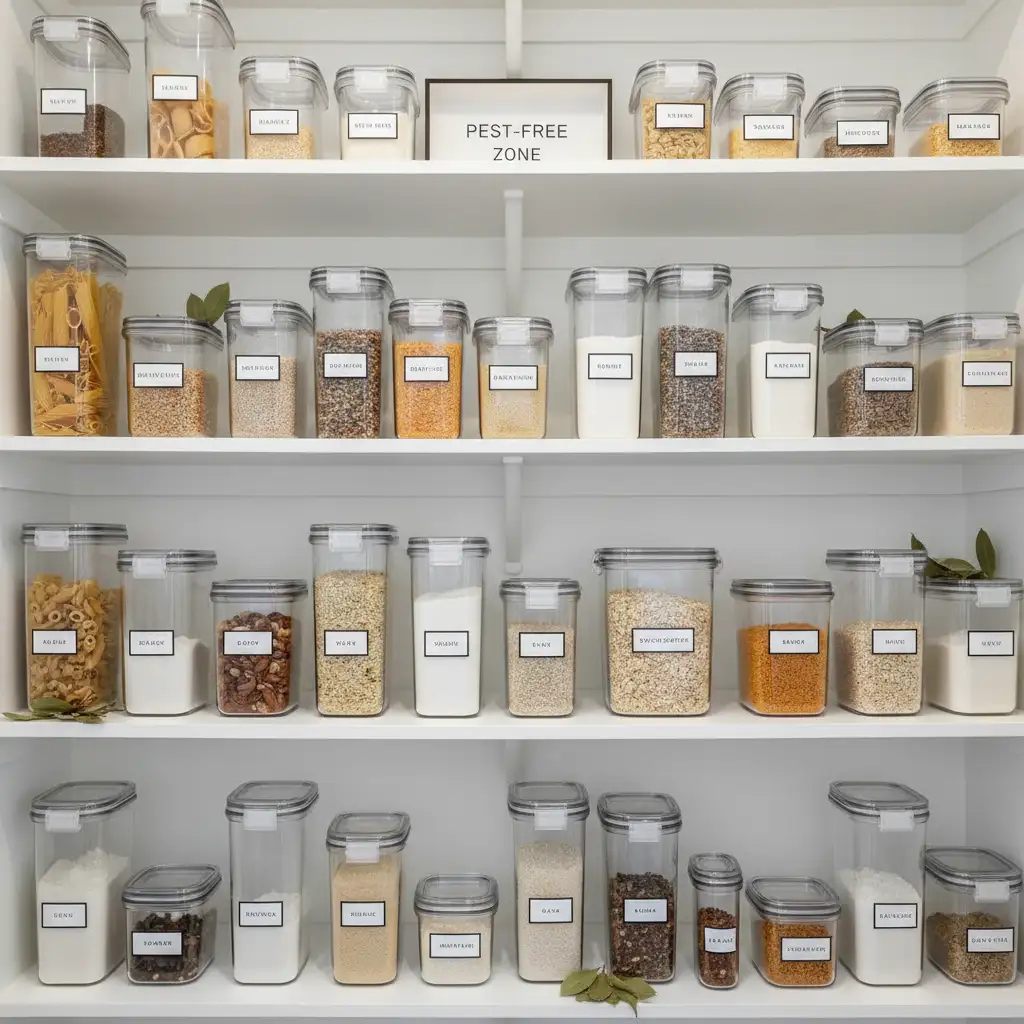
- Transfer to Airtight Containers: As soon as possible, transfer flour, sugar, cereals, pasta, rice, nuts, and pet food from their original packaging (which often provides easy entry points for pests) into sturdy, airtight containers made of glass, thick plastic, or metal.
- Label and Date: Label containers with the contents and purchase date to ensure older items are used first.
- Avoid Overstocking: While bulk buying can be economical, don’t buy more than you can use within a reasonable timeframe. The longer food sits, the higher the risk of infestation.
Smart Grocery Habits
Pantry pests often hitchhike into your home from the grocery store. A few careful habits can prevent this:
- Inspect Packaging: At the store, check packages for any signs of damage, holes, or insects before purchasing. Avoid torn or unsealed bags.
- Freezing New Grains: For highly susceptible items like flour, cornmeal, or whole grains, consider placing them in the freezer for 48-72 hours immediately after purchase. This will kill any potential eggs or larvae that might be present.
- Shop Wisely: Try to purchase only what you need to reduce storage time, especially for high-risk items.
Maintaining a Clean Environment
A clean pantry is an uninviting one for pests:
- Regular Cleaning: Establish a routine for cleaning your pantry. Once a month, remove items, wipe down shelves, and vacuum crumbs and spills.
- Prompt Spill Cleanup: Immediately clean up any food spills or crumbs. Even small amounts can attract pests.
- Keep it Dry: Pests are often attracted to moisture. Ensure your pantry is dry and well-ventilated. Fix any leaks promptly.
- Rotate Stock: Practice