Pest exclusion techniques in Auckland involve a proactive strategy to prevent pests from entering your home by identifying and sealing off potential entry points. This comprehensive approach ensures your property remains secure against common invaders like rodents, insects, and spiders, safeguarding health and structural integrity for lasting peace of mind.
Identifying Pest Entry Points
Effective pest exclusion begins with a thorough inspection to pinpoint exactly where pests might be gaining access to your property. Many homeowners are surprised to learn how small a gap a pest needs to squeeze through. For instance, mice can enter through an opening as small as a dime, and many insects require even less space. Your initial goal is to think like a pest, systematically examining every inch of your home’s exterior and interior for vulnerabilities.
Exterior Inspection Strategy
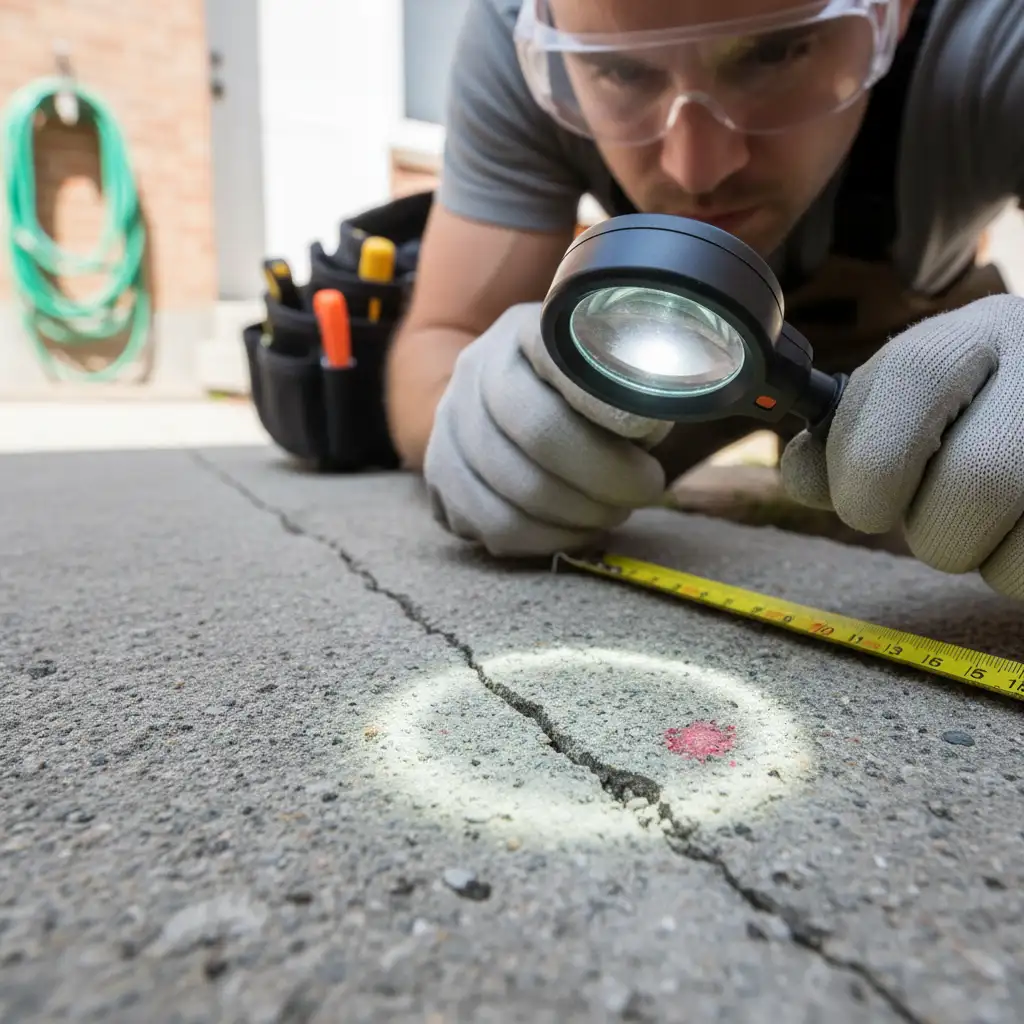
Start your inspection from the outside, circling your entire home. Pay close attention to the foundation, looking for cracks, crumbling mortar, or gaps where utility lines enter the building. Check all doors and windows; ensure seals are intact, screens are free of tears, and there are no gaps between frames and the wall. Don’t forget the roofline: inspect eaves, soffits, and any areas where the roof meets the wall for potential openings. Vents (bathroom, dryer, attic) are common culprits, often lacking fine mesh screens or having damaged covers. Landscaping can also create bridges for pests, so note any tree branches touching the roof or dense shrubbery near the foundation.
Interior Inspection Strategy
Once outside, move inside, focusing on areas where pipes and wires enter walls, especially under sinks, behind appliances, and in utility rooms. Check attics and basements or crawl spaces meticulously, as these often provide hidden access points. Look for signs of pest activity like droppings, gnaw marks, nests, or insect trails, which can indicate current or past entry points. Dark, undisturbed areas are prime locations for pests to establish themselves. Kitchens and bathrooms, with their access to water and food, are particularly vulnerable.
Common Entry Points for Pests in Auckland Homes
Auckland’s unique climate and urban-rural interface mean certain entry points are more prevalent for local pests. Understanding these specific vulnerabilities is key to an effective exclusion strategy. The most common invaders in Auckland include various rodents (mice, rats), cockroaches, ants, spiders, and occasionally possums or birds.
Roof and Attic Access Points
Rats and possums frequently access homes via the roof. Look for damaged roof tiles, loose flashing, or gaps around chimneys and vent pipes. Unsealed eaves and soffits offer direct access to attics, where pests can nest and cause significant damage. Ensure all attic and gable vents are fitted with sturdy screens. Overhanging tree branches provide easy bridges for climbing pests directly to your roof.
Foundation and Ground-Level Entry
Cracks in the foundation, gaps around pipework entering the home (e.g., water, gas, electrical lines), and poorly sealed crawl space vents are primary entry points for rodents and ground-dwelling insects like ants and cockroaches. Even small gaps under exterior doors or around window frames can be an invitation for pests. Basements, often damp and dark, are particularly susceptible to these ground-level breaches.
Utility and Plumbing Penetrations
Around plumbing lines under sinks, behind toilets, and where washing machine hoses exit, there are often unsealed gaps leading directly outdoors or into wall voids. Similarly, electrical conduits and cable lines can have small openings at their points of entry. These often overlooked areas are highways for ants, cockroaches, and even small rodents. It’s crucial to seal these thoroughly, not just with expanding foam but often with more durable materials.
Sealing Cracks & Gaps Effectively
Once identified, sealing these entry points is the cornerstone of pest exclusion. The choice of material is critical, as it needs to be durable, weather-resistant, and effective against the specific pests you’re targeting.
Choosing the Right Sealant
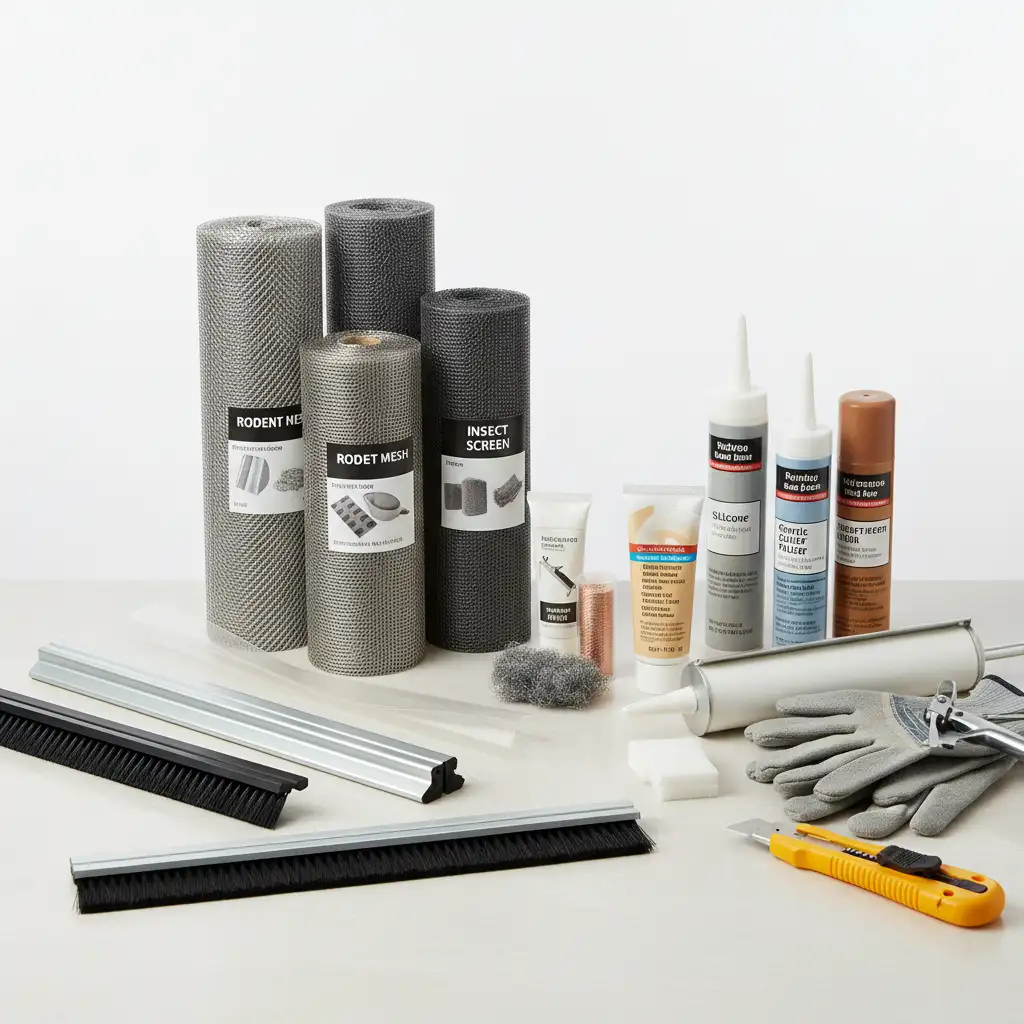
For small cracks and gaps (up to about 1/4 inch), high-quality silicone or acrylic latex caulk is ideal. Silicone offers excellent flexibility and water resistance, making it suitable for exterior use around windows and doors. Acrylic latex is easier to clean up and paint over, better for interior finishes. For larger gaps, expanding foam sealants can be effective, but be aware that rodents can chew through standard foam. For areas susceptible to rodent gnawing, consider foams infused with repellents or combine them with steel wool.
Repairing Foundation and Structural Breaches
Larger cracks in concrete foundations or crumbling mortar joints require more robust solutions. Masonry repair compounds or hydraulic cement are effective for sealing these breaches. For gaps around pipes entering the foundation, a cement patch or metal flashing combined with a strong sealant can provide a long-lasting barrier. Always ensure the repair material creates a smooth, impenetrable surface.
Installing Pest-Proof Barriers
Beyond sealing cracks, installing physical barriers provides an additional layer of protection, particularly for areas like doors, windows, and vents.
Door and Window Sealing
Install door sweeps on all exterior doors to eliminate gaps at the bottom. Ensure they are the correct length and material (e.g., brush or vinyl sweeps for a tight seal). Weatherstripping should be applied around the perimeter of door and window frames to prevent air and pests from entering. Regularly check screens on windows and screen doors for tears or holes, and repair or replace them immediately. For added protection, consider installing fine mesh screens that are too small for even tiny insects to penetrate.
Ventilation and Drainage Protection
All external vents, including dryer vents, attic vents, and crawl space vents, should be fitted with durable, fine mesh screens (1/4 inch or smaller) to keep out rodents, birds, and insects while maintaining proper airflow. For drainage pipes, particularly those leading from downspouts or utility overflows, ensure grates are securely in place and consider adding screens to prevent pest entry through the plumbing system. You can find more information on general home maintenance and pest prevention practices from reputable sources like the US Environmental Protection Agency, which offers guidelines applicable across various climates.
Advanced Exclusion Measures for Specific Pests
While general exclusion techniques are effective, some pests require specialised approaches due to their unique behaviours or physical capabilities.
Rodent-Specific Exclusion
Rodents, particularly rats and mice, are persistent chewers. For areas prone to rodent entry, use materials they cannot gnaw through. Steel wool packed into holes and then sealed with caulk or expanding foam is highly effective. Hardware cloth (galvanized steel mesh) with a 1/4 inch opening is excellent for covering larger openings in vents or around pipes. Consider adding metal kick plates to the bottom of exterior doors, as rodents often chew through the wood or plastic here.
Insect-Specific Exclusion
Ants and cockroaches exploit even the tiniest gaps. Ensure all cracks around electrical outlets, light fixtures, and wall penetrations are sealed. Fine mesh screens on windows and doors are crucial. For flying insects like mosquitoes, ensure window and door screens are intact and fit snugly. Consider applying insecticidal dusts into wall voids where plumbing enters, as an added layer of protection before sealing.
Bird and Possum Exclusion
Birds and possums often seek shelter in attics or under eaves. Install bird netting or hardware cloth over larger openings, such as open eaves or gaps under solar panels. Ensure chimney caps are securely in place and that any roof repairs seal off potential entry points. Trimming tree branches away from the roofline is also a critical preventative measure against possums.
DIY Pest Exclusion Tips
Many pest exclusion tasks can be effectively handled by homeowners, saving money and providing a sense of control over your living environment. Here are some actionable tips:
Regular Inspections and Maintenance
Make pest exclusion a routine part of your home maintenance. Conduct seasonal inspections, particularly in spring and autumn, to check for new cracks, damaged screens, or worn weatherstripping. Promptly address any issues you find. This proactive approach prevents small problems from becoming large infestations. A quick monthly walk-around the perimeter of your home can make a significant difference.
Landscaping Best Practices
Manage your landscaping to deter pests. Keep shrubs and tree branches trimmed away from your home’s foundation and roof. Remove leaf litter, woodpiles, and other debris that can provide harborage for pests close to your house. Ensure proper drainage away from the foundation to reduce moisture, which attracts many pests. Mulch should be kept a few inches away from the foundation to prevent hiding spots for insects and rodents.
Storage and Food Management
Inside, proper food storage is vital. Keep all food in airtight containers, clean up spills immediately, and don’t leave pet food out overnight. Regularly empty rubbish bins and ensure they have tight-fitting lids. Store items in your garage or shed in sealed containers off the floor to prevent pests from nesting within them. This reduces attractants that might draw pests to your sealed home.

When to Call Professional Pest Control in Auckland
While DIY pest exclusion is highly effective for preventative measures, there are situations where professional help is invaluable, especially in a city like Auckland with its diverse pest challenges. Recognising these instances can save you time, money, and stress in the long run.
Large or Persistent Infestations
If you’re already dealing with a significant pest infestation – whether it’s a large rodent population, a widespread ant problem, or recurring cockroaches despite your best efforts – it’s time to call in the experts. Professionals have access to stronger, more targeted treatments and the expertise to eradicate established colonies efficiently and safely. They can identify hidden nests and breeding sites that might be overlooked by an untrained eye. Ignoring a persistent infestation can lead to structural damage, health risks, and a more complex and costly problem down the line.
Difficult-to-Access Areas and Structural Issues
Some pest entry points are in hard-to-reach areas like high roofs, confined crawl spaces, or complex attic structures. Attempting to access these areas without proper equipment and safety training can be dangerous. Furthermore, if the exclusion work involves significant structural repairs, such as large foundation cracks or extensive roof damage, a professional pest control service often works in conjunction with builders or handymen to ensure the repairs are durable and truly pest-proof. They understand the specific requirements for sealing against pests while maintaining the integrity of your home’s structure. For specific regulations regarding building maintenance and pest control in New Zealand, one can refer to local council guidelines or government resources, such as those provided by Auckland Council.
Preventative Audits and Ongoing Maintenance
Even if you don’t have an active infestation, considering a professional pest audit can be highly beneficial. A local Auckland pest control expert can conduct a comprehensive inspection, identifying potential vulnerabilities you might have missed and recommending the most effective exclusion strategies tailored to your specific property and local pest pressures. Many companies also offer ongoing maintenance plans, which include regular inspections and sealing touch-ups, ensuring your home remains pest-free year-round. This proactive professional involvement can offer peace of mind and long-term protection against pests, making your investment in pest exclusion truly worthwhile.
People Also Ask About Pest Exclusion
What are common pests in Auckland homes that require exclusion?
Common pests in Auckland homes requiring exclusion include various species of rats and mice, ants (especially Argentine ants and black house ants), cockroaches, spiders (such as white-tailed spiders), and occasionally possums or birds seeking shelter in attics or eaves.
How often should I inspect my home for pest entry points?
It is recommended to inspect your home for pest entry points at least twice a year, ideally in spring and autumn, to prepare for seasonal pest activity. Regular quick checks monthly can also help catch new vulnerabilities early.
Are pest exclusion techniques safe for pets and children?
Yes, pest exclusion techniques are inherently safe for pets and children as they focus on physical barriers and sealing, rather than relying on chemicals. When using sealants, ensure proper ventilation during application and allow for curing time as per product instructions.
What materials are best for sealing pest entry points?
For small cracks, use high-quality silicone or acrylic latex caulk. For larger gaps, expanding foam (preferably rodent-resistant), steel wool, and hardware cloth (fine mesh metal) are effective. For foundation repairs, use masonry repair compounds or hydraulic cement.
Can pest exclusion really prevent all types of pests?
While highly effective, complete prevention of ALL pests is challenging due to their adaptability. However, a comprehensive exclusion strategy significantly reduces the likelihood of most common pests entering your home, making your property much less attractive and accessible to them.
What is the difference between pest exclusion and pest control?
Pest exclusion is a preventative strategy focused on sealing off entry points to stop pests from getting inside your home in the first place. Pest control, conversely, deals with eradicating existing pest infestations once they have already gained entry.