Pest monitoring and identification in Auckland involves systematically observing and pinpointing pest activity to enable early intervention and effective control. This proactive approach is crucial for residents and businesses across the region to safeguard property, health, and reputation against a diverse array of pests prevalent in Auckland’s unique climate and urban environment, preventing minor issues from escalating into significant infestations.
The Critical Importance of Pest Surveillance in Auckland
In Auckland’s dynamic urban and natural landscape, proactive pest surveillance is not merely a recommendation; it is a fundamental necessity for both residential and commercial properties. The city’s temperate climate, busy port, and blend of dense urban areas with lush suburban gardens create an ideal environment for a wide range of pests to thrive. Without diligent monitoring, what starts as a minor nuisance can quickly escalate into a full-blown infestation, posing significant risks to public health, structural integrity, and economic stability.
Preventative vs. Reactive Approach: A Paradigm Shift
Traditionally, pest control often adopted a reactive stance, addressing infestations only after they had become obvious and disruptive. However, the modern, world-class approach championed in Auckland prioritises prevention through continuous surveillance. This paradigm shift means actively looking for early signs of pest activity, rather than waiting for visible damage or widespread presence. Preventative monitoring allows for targeted, less intrusive, and often more cost-effective interventions. By catching pests early, the need for extensive chemical treatments can be reduced, aligning with environmentally conscious practices.
Health Implications and Safety
Many common Auckland pests are vectors for diseases. Rodents, such as rats and mice, can transmit leptospirosis, salmonella, and hantavirus. Cockroaches are known to spread bacteria and allergens, exacerbating asthma and other respiratory conditions. Mosquitoes carry diseases like Ross River virus, though less common in NZ, their bites are irritating. Early detection of these pests through monitoring minimises exposure risks, thereby protecting the health and well-being of occupants, employees, and customers. For businesses, particularly in hospitality and food service, robust pest surveillance is paramount for maintaining hygiene standards and complying with health regulations, directly impacting consumer safety and trust.
Property Damage and Structural Integrity
Pests are notorious for the damage they inflict on property. Rodents gnaw on electrical wiring, plumbing, and structural timber, posing fire hazards and compromising building integrity. Termites, though less prevalent in Auckland than in some other regions, can cause extensive, hidden damage to wooden structures. Borer beetles (common house borers) infest untreated timber, weakening furniture and structural elements over time. Early identification through monitoring allows property owners to address these issues before significant, costly repairs become necessary. Regular checks can uncover these silent destroyers, saving thousands in potential damages.
Economic Impact for Businesses and Reputation Management
For businesses in Auckland, an unchecked pest problem can lead to severe economic repercussions. Beyond the direct costs of pest control and potential repairs, there are indirect costs such as product contamination, operational shutdowns, and loss of revenue. Furthermore, a pest infestation can severely tarnish a business’s reputation. Negative reviews, health code violations, and word-of-mouth can quickly deter customers, leading to long-term financial struggles. Proactive pest monitoring demonstrates a commitment to quality, hygiene, and customer care, safeguarding a business’s brand and bottom line. In a competitive market like Auckland, maintaining an impeccable reputation is invaluable.
Essential Tools and Techniques for Effective Pest Monitoring
Effective pest monitoring in Auckland relies on a combination of visual inspections, strategic placement of monitoring devices, and meticulous record-keeping. The right tools and techniques empower property owners and pest management professionals to gather crucial data, pinpoint activity hotspots, and identify specific pest species, leading to more targeted and efficient control measures.
Visual Inspections and Habitat Assessment
The most fundamental tool in pest monitoring is the thorough visual inspection. This involves systematically checking areas prone to pest activity, both indoors and outdoors. Key areas include kitchens, bathrooms, basements, attics, crawl spaces, utility rooms, garden areas, refuse zones, and entry points like windows and doors. Inspectors look for droppings, gnaw marks, nesting materials, shed skins, webbing, active pest sightings, and potential entry points. A critical component of visual inspection is habitat assessment: understanding what attracts pests and where they might harbour. This includes identifying sources of food, water, and shelter, such as leaky pipes, food spills, cluttered areas, overgrown vegetation, and stagnant water.
Traps and Specialized Monitoring Devices
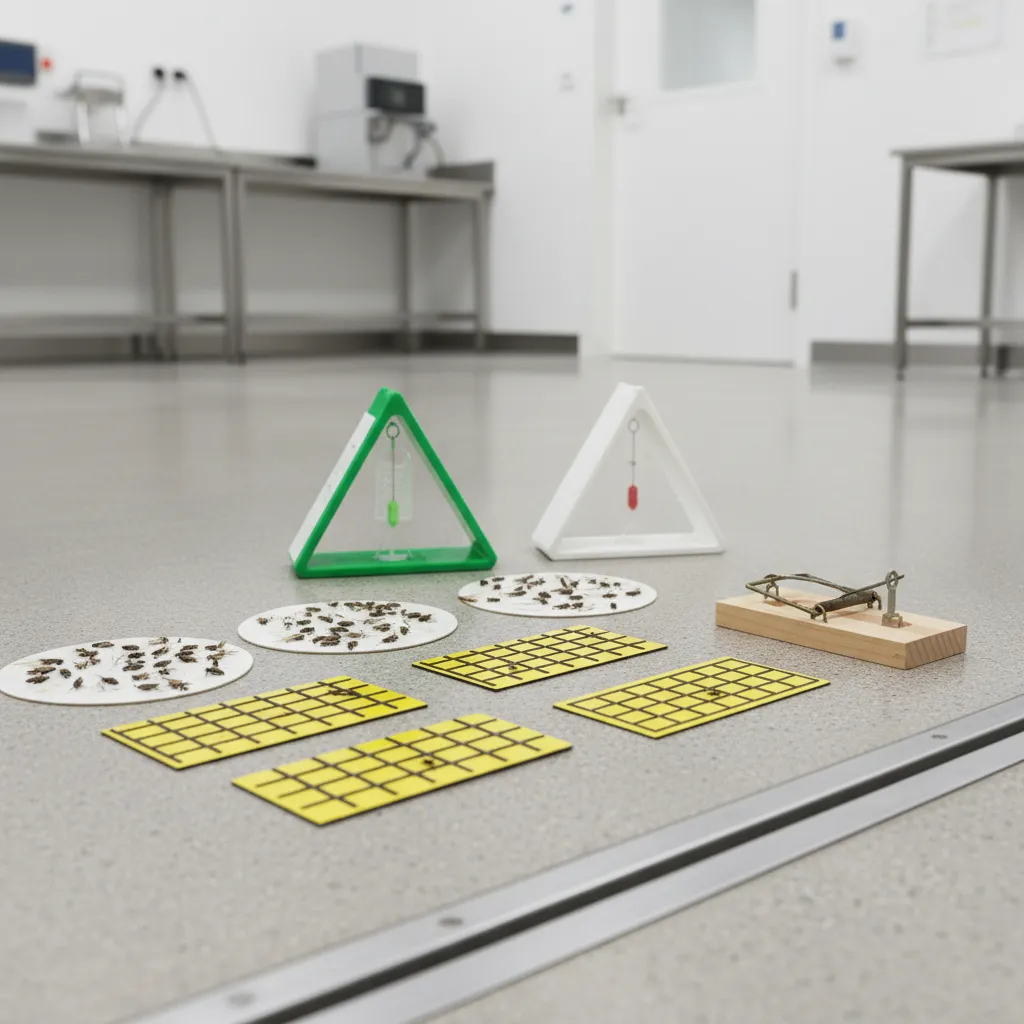
Various types of traps serve as invaluable monitoring tools, not just for capture but also for indicating pest presence and population levels:
- Sticky Traps/Glue Boards: Non-toxic and discreet, these are excellent for monitoring crawling insects like cockroaches, ants, and spiders, as well as rodents. Placed along walls and in suspected travel paths, they catch pests and provide an indication of their species and numbers.
- Pheromone Traps: These traps use synthetic insect pheromones to attract specific pest species, such as pantry moths or certain types of cockroaches. They are highly effective for detecting early infestations and gauging population density.
- Snap Traps/Bait Stations: Primarily for rodents, snap traps confirm presence and help in identification. Tamper-resistant bait stations, while often used for control, also serve as monitoring points, indicating rodent activity through consumed bait.
- Insect Light Traps (ILTs): Used mainly in commercial settings, ILTs attract flying insects with UV light and capture them on sticky boards or in collection trays, providing data on flying insect activity.
- Electronic Sensors: More advanced systems include motion-activated cameras or electronic sensors that detect rodent movement in concealed areas, providing real-time data on activity patterns.
Logbooks and Record-Keeping for Trend Analysis
A robust monitoring program requires meticulous record-keeping. Logbooks, digital databases, or dedicated pest management software are essential for documenting:
- Dates and locations of inspections.
- Types and numbers of pests observed.
- Locations where pests were found or traps deployed.
- Environmental conditions (e.g., weather, recent changes).
- Any treatment applied and its effectiveness.
This data allows for trend analysis, helping to identify seasonal patterns, high-risk areas, and the effectiveness of control strategies. Over time, these records become a vital resource for making informed decisions about future pest management interventions. This systematic data collection empowers a strategic and adaptive approach to pest control.
An Accurate Pest Identification Guide for Auckland’s Common Invaders
Accurate pest identification is the cornerstone of effective pest management. Misidentifying a pest can lead to using incorrect treatments, wasting time and resources, and potentially allowing an infestation to worsen. Auckland is home to a diverse array of pests, each with unique characteristics and vulnerabilities. Knowing precisely what you’re dealing with is the first step toward successful eradication.
Why Accurate Identification Matters
The primary reason for precise identification lies in the specificity of treatments. For instance, the control methods for German cockroaches differ significantly from those for American cockroaches. Similarly, a bait effective for one species of ant may be ignored by another. Incorrect identification can also lead to unnecessary use of pesticides, posing risks to non-target organisms and the environment. Professionals use their expertise to distinguish between similar-looking pests, ensuring the most appropriate and environmentally responsible strategies are employed.
Common Auckland Pests and Their Hallmarks
Here’s a guide to some of Auckland’s most common pests and how to identify them:
- Rodents (Rats & Mice):
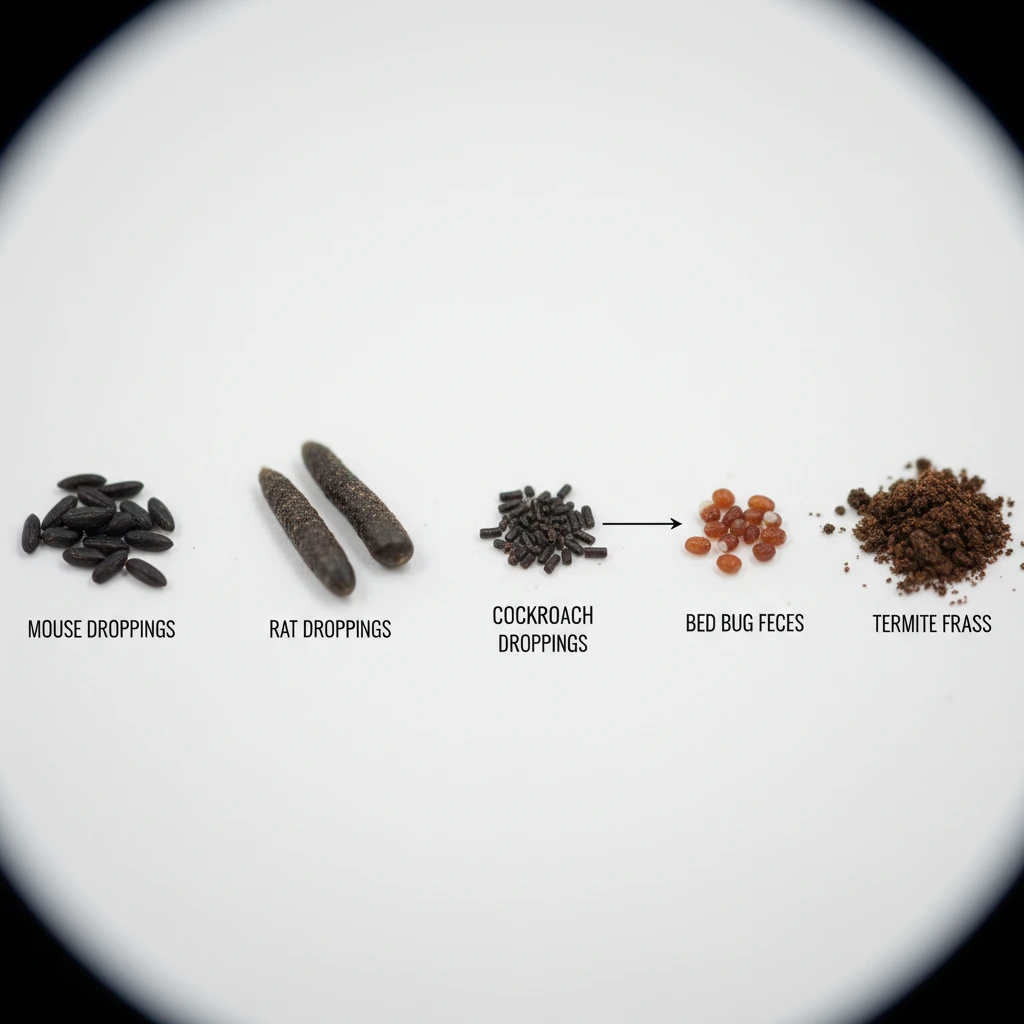
- Signs: Droppings (mice: small, pellet-like; rats: larger, capsule-shaped), gnaw marks on wood, wires, food packaging, scratching noises in walls or ceilings, greasy rub marks along pathways, nests made of shredded materials.
- Appearance: Mice are small (up to 10cm body), typically grey. Rats are larger (15-25cm body), often brown (Norway rat) or black (Roof rat).
- Cockroaches:
- German Cockroach: Small (1.1-1.6cm), light brown with two dark stripes behind the head. Prefers warm, humid areas like kitchens and bathrooms. High reproductive rate.
- American Cockroach: Larger (3.5-5cm), reddish-brown with a yellow figure-eight pattern on its head. Often found in basements, sewers, drains.
- Signs: Oily, musty odour; smear marks on surfaces; egg casings (oothecae); droppings resembling coffee grounds or black pepper.
- Ants:
- Argentine Ant: Small (2-3mm), light to dark brown. Forms large colonies with multiple queens. Distinctive sweet, greasy smell when crushed.
- Black House Ant: Small (2.5-3mm), shiny black. Often trails along paths, walls, and structural elements.
- Signs: Visible trails of foraging ants, ant mounds outdoors, small piles of excavated soil.
- Spiders:
- White-tailed Spider: Dark grey/black body (1-2cm), distinctive white tip on tail. Known for painful bites. Found indoors, often in linen or clothing.
- Common House Spider: Variable in colour, often brown/grey. Builds messy, irregular webs, typically in corners or undisturbed areas.
- Signs: Presence of webs (different types indicate different spiders), actual spider sightings.
- Wasps (German & Common):
- Appearance: Distinct yellow and black striped bodies, defined waist. German wasps are slightly larger and more aggressive.
- Signs: Nests (often papery, grey, spherical, found in trees, eaves, ground, or wall cavities), buzzing sounds, active foraging around sweet foods or rubbish bins.
Utilising Identification Resources and Expert Help
When in doubt, consult reliable identification resources. Many pest control companies offer online guides, and reputable agricultural or environmental agencies (like the Ministry for Primary Industries New Zealand) provide comprehensive information on pests. However, for conclusive identification and effective treatment strategies, especially for new or challenging pests, engaging a professional pest control expert in Auckland is highly recommended. They possess the knowledge, experience, and tools to accurately identify pests and implement targeted, safe, and efficient solutions.
Interpreting Pest Activity Signs: What to Look For
Beyond simply seeing a pest, understanding the subtle signs they leave behind is critical for early detection. Interpreting these indicators can reveal not just the presence of pests, but also their type, population size, and activity patterns, guiding effective intervention.
Droppings and Excrement
Pest droppings are one of the most common and telling signs of an infestation. The size, shape, and location of droppings are crucial for identification:
- Rodent Droppings: Mouse droppings are small (3-6mm), black, and pellet-shaped. Rat droppings are larger (12-19mm), dark, and capsule-shaped with blunt ends (Norway rat) or pointed ends (Roof rat). Fresh droppings are soft and dark, while older ones are hard and grey.
- Cockroach Droppings: Resemble coffee grounds or black pepper for smaller species like German cockroaches, or larger, cylindrical pellets for American cockroaches. They may also leave dark, irregular smear marks on surfaces.
- Fly Specks: Small, dark spots left by flies on walls, ceilings, and light fixtures, often found in clusters.
Gnaw Marks and Damage
Damage to property is a clear indicator of pest activity, particularly rodents and certain insects:
- Rodents: Look for gnaw marks on wood (especially at the base of doors or corners), electrical wires (a significant fire hazard), plastic pipes, food packaging, and structural elements. The marks are typically parallel grooves.
- Insects: Silverfish and cockroaches can damage paper, books, and fabric. Borers leave small, circular exit holes in timber, often accompanied by fine sawdust (frass).
Nests and Harbourage Sites
Pests require shelter, and discovering their nests or harbourage sites provides direct evidence of their presence:
- Rodents: Nests are often found in secluded, undisturbed areas like attics, crawl spaces, wall voids, behind appliances, or in cluttered storage areas. They are typically made from shredded paper, fabric, insulation, or other soft materials.
- Wasps: Paper nests can be found in eaves, attics, wall cavities, trees, or underground. German wasps are particularly known for building large, hidden nests.
- Ants: Ant nests can be visible as small mounds of soil outdoors or located within wall voids, under foundations, or in rotting wood indoors.
- Cockroaches: While they don’t build elaborate nests, they will congregate in dark, warm, humid crevices, behind appliances, or in cracks and voids.
Live Sightings and Activity Patterns
Observing live pests provides direct confirmation. However, interpreting these sightings correctly is key:
- Time of Day: Most pests are nocturnal (rodents, cockroaches). Seeing them during the day often indicates a large population, food scarcity, or significant disturbance, suggesting a well-established infestation.
- Location: Where pests are seen indicates potential entry points, food sources, or harbourage areas. Pests seen in food preparation areas are particularly concerning.
- Numbers: A single sighting might be an isolated incident, but multiple sightings, especially over a short period, point to an active infestation.
Unusual Odours
Some pests leave distinct odours:
- Rodents: A stale, musty, or ammonia-like smell can indicate a significant rodent presence, especially in enclosed areas.
- Cockroaches: A strong, oily, or