Possum removal in Auckland is a crucial service for homeowners and businesses experiencing issues with these nocturnal marsupials. It involves licensed and humane methods to safely trap and relocate possums, ensuring both the welfare of the animals and the protection of your property from damage. Professional intervention is key to effective and compliant possum management.
Signs of Possum Infestation
Identifying a possum infestation early can save your property from significant damage and reduce the stress associated with their presence. Possums are nocturnal creatures, meaning they are most active during the night, which often makes their presence subtle until the problem has escalated. Recognising the tell-tale signs is the first step towards effective and humane possum removal.
Noises in the Roof/Walls
One of the most common indicators of a possum living in your home is unusual noises coming from your roof, walls, or subfloor spaces during the night. These sounds typically include scratching, thumping, hissing, chattering, or a distinct heavy scuttling. Unlike rodents, possums are larger, and their movements tend to be heavier and more deliberate. These noises usually begin shortly after dusk and can continue throughout the night, often disturbing sleep.
Property Damage
Possums are not only noisy but also destructive. They can cause a range of damage to both the interior and exterior of your property. Inside, they might chew through electrical wiring, insulation, timber beams, and plumbing pipes, creating fire hazards or expensive repairs. Outside, they can damage gardens by eating fruit, vegetables, flowers, and even the bark off trees. Look for gnaw marks on wooden structures, torn insulation in your attic, or disturbed roof tiles and vents which they might have used as entry points.
Droppings & Urine
Possum droppings are distinct and can often be found near entry points, in attics, or on decks. They are typically dark, cylindrical, and pellet-like, about 1-2 cm long, often resembling large rat droppings but larger. The smell of possum urine is also a strong indicator, particularly in enclosed spaces like ceilings. This pungent, musky odour can permeate insulation and plaster, creating an unpleasant and persistent smell throughout your home.
Pet Food Disappearance or Disturbance
If you leave pet food outside overnight, you might find it disturbed or completely gone by morning. Possums are opportunistic feeders and will readily consume pet food. They may also raid bird feeders, compost bins, or outdoor fruit trees. Observing these instances, especially alongside other signs, strengthens the likelihood of a possum presence. You might even catch them in the act if you’re up late.

Understanding Possum Behavior
To effectively manage and prevent possum infestations, it’s vital to understand their natural behaviours and ecological role. Possums, particularly the Common Brushtail Possum (Trichosurus vulpecula), are not native to New Zealand and have become a significant pest since their introduction in the 19th century. Their adaptability and generalist diet contribute to their widespread presence, including in urban environments like Auckland. Understanding their habits is crucial for developing targeted and humane removal strategies.
Nocturnal Habits
As mentioned, possums are strictly nocturnal. This means they sleep during the day and become active from dusk until dawn. During daylight hours, they seek shelter in dark, secluded places such as tree hollows, dense vegetation, roof cavities, wall spaces, or under decks. This nocturnal nature explains why homeowners typically hear them at night and rarely see them during the day unless disturbed or dislodged from their hiding spots. Their keen senses, especially hearing and smell, are highly adapted for nighttime foraging.
Dietary Preferences
Possums are omnivores with a highly varied diet, which is a major factor in their success as an introduced species. While they primarily feed on leaves, flowers, fruits, and buds, they are also known to eat insects, birds’ eggs, chicks, and even small mammals. In an urban setting, their diet expands to include garden produce, pet food, compost scraps, and rubbish. This broad diet often puts them in direct conflict with homeowners and gardeners, as they can decimate vegetable patches and ornamental plants. Their preference for certain native New Zealand tree species also poses a significant threat to indigenous flora and fauna. More information about their impact can be found on the Wikipedia page for the Common Brushtail Possum.
Breeding Cycles & Seasons
Possums typically breed throughout the year, but there are peak breeding periods, often in autumn and spring. Females usually produce one young (joey) at a time, which stays in the pouch for approximately 4-5 months before emerging to ride on the mother’s back. Understanding these cycles is important for humane removal, as relocating a mother without her joey can have dire consequences for the young. Professional pest controllers are trained to identify these situations and act accordingly, ensuring the welfare of both mother and offspring.
Common Hiding Spots
Possums are highly skilled at finding shelter. In urban and suburban areas, their preferred daytime resting spots often include residential properties. Common hiding spots range from roof cavities and wall voids to under houses, sheds, and dense garden foliage. They can also be found in old bird nests, woodpiles, and hollow trees. Their ability to squeeze through surprisingly small openings means that even minor gaps in your home’s exterior can become an invitation for a possum seeking a warm, secure den.
Safe Possum Trapping & Relocation
When it comes to dealing with possums on your property, safe and humane trapping and relocation are paramount. Given their status as a pest and the specific regulations surrounding their handling in New Zealand, attempting DIY removal can lead to ineffective results, unnecessary stress for the animal, and potential legal issues. This is where the expertise of licensed professionals becomes indispensable.
The Importance of Professional Expertise
Professional possum removal experts bring invaluable knowledge and experience to the table. They are trained to identify entry points, understand possum behaviour, and deploy the most effective and humane trapping methods. Their expertise ensures that possums are caught safely without causing them harm and that the problem is addressed comprehensively, not just superficially. Attempting to trap a possum yourself can be dangerous, as they can scratch or bite when cornered, and improperly set traps can injure the animal.
Humane Trapping Methods
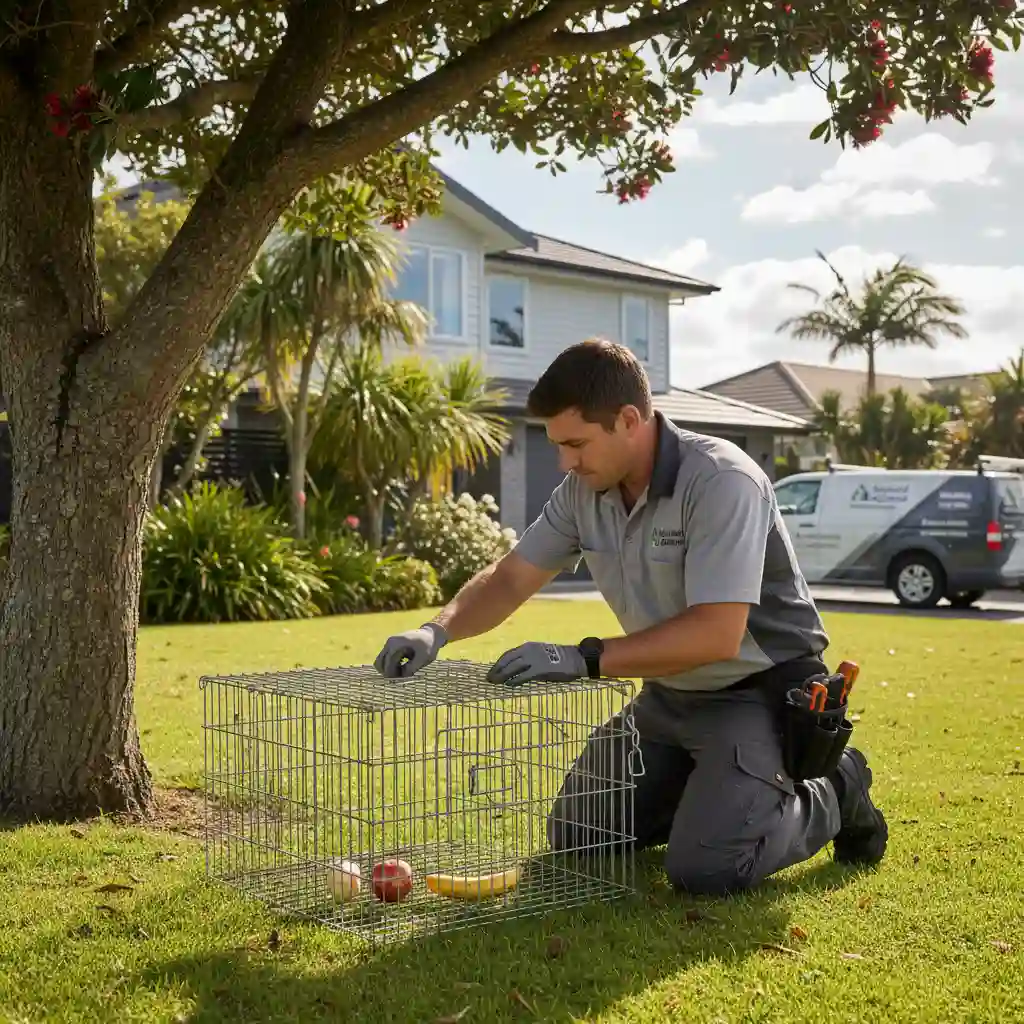
Licensed professionals utilise humane cage traps that are designed to capture possums without causing injury. These traps are typically baited with appealing foods like fruit or sweet vegetables and are monitored regularly to minimise the time the animal spends in confinement. The goal is always to capture the possum alive and unharmed. Once caught, the possum is then carefully handled and prepared for relocation, adhering strictly to ethical guidelines and local regulations.
Legal & Ethical Considerations (NZ Law)
In New Zealand, the Common Brushtail Possum is classified as an unwanted organism under the Biosecurity Act 1993, and there are specific regulations governing its control and relocation. While homeowners can trap possums on their own property, there are strict rules about how and where they can be released. Generally, possums caught on private property should not be relocated and released into public areas or other private properties without consent, as this simply moves the problem. Licensed pest controllers are fully aware of these legal requirements and ensure all actions comply with local and national legislation, often involving euthanasia as a last resort, particularly if the possum is diseased or injured, or if relocation is not a viable option.
Post-Removal Procedures
Effective possum removal extends beyond just trapping the animal. Once a possum has been removed, the professional will also advise on or carry out crucial post-removal procedures. This includes thoroughly inspecting and sealing all potential entry points to prevent new possums from taking up residence. It also involves cleaning and sanitising areas affected by droppings and urine to eliminate odours that might attract other possums and to prevent potential health hazards. This comprehensive approach ensures a long-term solution to your possum problem.
Possum-Proofing Your Property
Once possums have been removed from your property, the next critical step is to implement effective possum-proofing measures. This proactive approach is essential to prevent future infestations and to maintain a possum-free environment. Possums are persistent and resourceful, so a thorough and consistent strategy is required to deter them from returning.
Sealing Entry Points
The most important aspect of possum-proofing is to identify and seal all potential entry points into your home or other structures. Inspect your roof for loose tiles, damaged fascias, or uncapped chimneys. Check for gaps around pipes, vents, and utility lines leading into your walls or subfloor. Use durable materials like heavy-gauge mesh, steel flashing, or concrete to block these openings. Remember, possums can squeeze through surprisingly small gaps, so even minor cracks should be addressed. Pay particular attention to tree branches that overhang your roof, as these act as natural bridges for possums.
Tree & Shrub Management
Maintaining your landscaping plays a significant role in deterring possums. Trim back any tree branches or overgrown shrubs that are close to your roofline or fence. A gap of at least 1-2 metres between vegetation and your house is recommended to prevent possums from using them to access your property. Consider installing possum guards or bands around tree trunks to prevent them from climbing up, especially for trees that provide direct access to your roof. Regular pruning also reduces dense cover where possums might feel safe to nest.
Securing Food Sources
Possums are primarily attracted to properties where food is readily available. Securing all potential food sources is crucial for long-term prevention. This includes storing pet food indoors or in sealed, possum-proof containers. Ensure your compost bins are completely enclosed and robust enough to withstand possum attempts to get in. Secure rubbish bins with tightly fitting lids or bungees, and avoid leaving fallen fruit or garden produce on the ground. Bird feeders should also be made possum-proof or brought in overnight. For more general advice on urban pest control, the Auckland Council website offers resources on pest management.
Regular Property Inspections
Finally, routine property inspections are vital to ensure your possum-proofing measures remain effective and to catch any new vulnerabilities early. Periodically check your roof, gutters, vents, and foundation for any signs of damage or new entry points that possums might exploit. Look for fresh droppings, gnaw marks, or disturbed vegetation. Early detection of potential issues allows for quick rectification, preventing a full-blown re-infestation. Consistency in these preventative measures is key to maintaining a possum-free environment.

People Also Ask
How much does possum removal cost in Auckland?
The cost of possum removal in Auckland can vary depending on several factors, including the severity of the infestation, the accessibility of the possums’ nesting sites, and the specific methods required (e.g., trapping, relocation, proofing). Generally, you can expect to pay anywhere from $200 to $500 for a professional service, which often includes inspection, trapping, removal, and advice on prevention. It’s always best to get a detailed quote from a licensed provider.
Is it legal to kill possums in NZ?
Yes, in New Zealand, the Common Brushtail Possum is considered a pest and an unwanted organism under the Biosecurity Act 1993. This means it is legal for landowners and authorised individuals to kill possums on their property. However, any methods used must be humane, and it’s illegal to cause unnecessary suffering to any animal. Licensed pest controllers ensure methods are both effective and compliant with animal welfare regulations.
Can possums enter a house through small gaps?
Absolutely. Possums are incredibly agile and can squeeze through surprisingly small openings. They typically require a gap of only 8-10 cm (3-4 inches) to gain entry, especially if it’s an irregular shape that allows them to contort their bodies. Common entry points include loose roof tiles, damaged eaves, uncapped chimneys, gaps around pipes, and unsecured vents. Regular inspection and sealing of these vulnerabilities are crucial for possum-proofing.
What attracts possums to my property?
Possums are primarily attracted to properties that offer easy access to food, water, and shelter. Common attractants include fallen fruit, pet food left outdoors, unsecured compost or rubbish bins, and bird feeders. They are also drawn to properties with dense vegetation, overgrown trees providing access to roofs, or easily accessible spaces like roof cavities, sheds, and under decks for shelter during the day.
How long does possum removal take?
The duration of possum removal can vary. Initial inspection and trap setting usually take a few hours. However, catching the possum(s) can take several days, as they are cautious animals. Once trapped, the possum is typically removed within 24 hours. The entire process, including sealing entry points and post-removal sanitation, might extend over a week to ensure all issues are resolved and no new possums enter.
Why is humane possum removal important?
Humane possum removal is important for several reasons. Firstly, it aligns with ethical animal welfare standards, ensuring the possum does not suffer undue stress or injury during capture and handling. Secondly, licensed professionals adhere to legal requirements in New Zealand, which, while classifying possums as pests, still stipulate humane treatment. Lastly, a humane approach often involves more effective long-term solutions, as experts focus on understanding and modifying possum behaviour rather than just temporary eradication, leading to better outcomes for both property owners and the environment.