Possum removal in Auckland involves the humane and ethical displacement of common brushtail possums from residential and commercial properties by licensed professionals. This critical service addresses property damage, health risks, and noise disturbances, ensuring compliance with New Zealand’s pest control regulations for responsible wildlife management.
Signs of Possum Infestation
Identifying a possum infestation early can save significant time, money, and property damage. Possums, being nocturnal creatures, often make their presence known through distinct sounds and physical evidence. Homeowners in Auckland should be vigilant for these indicators, especially during the quieter evening and early morning hours when possums are most active. Recognising these signs is the first step towards seeking effective, humane, and licensed possum removal services.
Nocturnal Noises and Disruptions
One of the most common indicators of possums residing in your roof, walls, or under your house is a variety of nocturnal noises. These can range from scratching, rustling, and thumping sounds as they move about, to more distinct growls, hisses, or chattering. You might hear them scampering across the ceiling or even vocalising during territorial disputes or mating rituals. These sounds are typically most noticeable after dusk and before dawn, often disrupting sleep and causing considerable stress for residents.
Damage to Property and Gardens
Possums are not just noisy; they are also highly destructive. In your garden, you might notice chewed fruit, stripped bark from trees, damaged vegetable patches, and defoliated ornamental plants. Their omnivorous diet means almost any garden plant is at risk. Indoors, signs of damage can include gnaw marks on timber, wiring (posing a fire risk), ductwork, and insulation. They can also tear up roof linings or dislodge tiles, creating entry points for water and other pests. Look for disturbed insulation in your attic or roof cavity, which is a prime nesting spot for possums.
Droppings, Urine Stains, and Odours
Possums leave behind clear evidence of their presence in the form of droppings and urine. Possum droppings are typically dark, pellet-shaped, and can be found in concentrated piles near their entry points, nesting sites, or feeding areas. Urine stains, particularly on ceilings, can appear as dark, spreading patches that are often accompanied by a strong, unpleasant musky odour. This persistent smell is a tell-tale sign of a possum infestation and can permeate through your home, indicating long-term residency and potential health hazards from accumulated waste.
Unexplained Loss of Pet Food or Garden Produce
If you leave pet food outdoors overnight, or if you have fruit trees or vegetable gardens, you might notice items disappearing or being partially eaten. Possums are opportunistic feeders and will readily exploit accessible food sources. This can include raiding rubbish bins, composting areas, or even entering pet doors to access indoor food supplies. An unexplained reduction in pet food or damaged produce can be a strong indicator that a possum is regularly visiting your property.
Understanding Possum Behavior
To effectively manage and prevent possum infestations, it’s crucial to understand the natural behaviors and ecological role of the common brushtail possum, particularly in the unique New Zealand context. While often charming from a distance, their adaptability to urban environments and their impact on native ecosystems make them a significant pest. A deeper understanding of their habits helps in formulating humane and effective removal and prevention strategies.
Common Brushtail Possums in New Zealand
The common brushtail possum (Trichosurus vulpecula) is an introduced species to New Zealand, originally brought over from Australia in the 19th century for the fur trade. Without natural predators in New Zealand, their population exploded, leading to devastating effects on native forests and birdlife. They are now considered a major conservation pest by the New Zealand Department of Conservation. While they thrive in native bush, they are also highly adaptable to urban and suburban areas, drawn by reliable food sources and abundant shelter opportunities in human dwellings.
Nocturnal Habits and Diet
Possums are strictly nocturnal, meaning they are most active between dusk and dawn. During the day, they prefer to sleep in sheltered, dark places such as tree hollows, dense vegetation, or, problematically, within roof cavities, wall spaces, and under houses. They are omnivores with a diverse diet that includes leaves, flowers, fruits, nectar, insects, birds’ eggs, and even small vertebrates. This broad diet is what makes them so destructive to gardens, orchards, and native bush alike. Their strong jaws and sharp claws enable them to access various food sources and create entry points into structures.
Breeding Patterns and Territoriality
Possums can breed year-round, although there are peak breeding seasons, typically from autumn to early summer. Females usually produce one young (joey) per year, which is carried in a pouch for several months before riding on the mother’s back. This consistent breeding means populations can grow rapidly if left unchecked. Possums are also highly territorial, especially males. If one possum is removed, another might move into the vacated territory, highlighting the importance of not just removal, but also robust possum-proofing measures to prevent future infestations. Understanding these patterns informs the timing and comprehensive nature of removal efforts.
Safe Possum Trapping & Relocation
When dealing with possums on your property in Auckland, it is paramount to engage in safe, humane, and legally compliant removal practices. New Zealand has specific regulations regarding pest control, especially for introduced species like the brushtail possum. Attempting to manage possums without the appropriate knowledge, equipment, or licenses can lead to ineffective results, harm to the animals, or even legal repercussions. Professional, licensed possum removers ensure that all procedures adhere to the highest standards of animal welfare and regulatory compliance.
The Legal Framework for Possum Control in New Zealand
In New Zealand, brushtail possums are classified as an unwanted organism under the Biosecurity Act 1993, meaning they are pests. However, their removal is still subject to ethical considerations and local council bylaws. While it is legal to trap possums on your property, there are strict guidelines regarding the type of traps that can be used (e.g., live capture cages are preferred for humane reasons), and the methods of euthanasia or relocation. Critically, it is illegal to release trapped possums into a new location. This regulation prevents the spread of possums to uninfested areas and minimizes stress on the animal. For these reasons, engaging a licensed professional in Auckland is not just a convenience, but often a necessity to ensure compliance and humane practice.
Humane Trapping Techniques
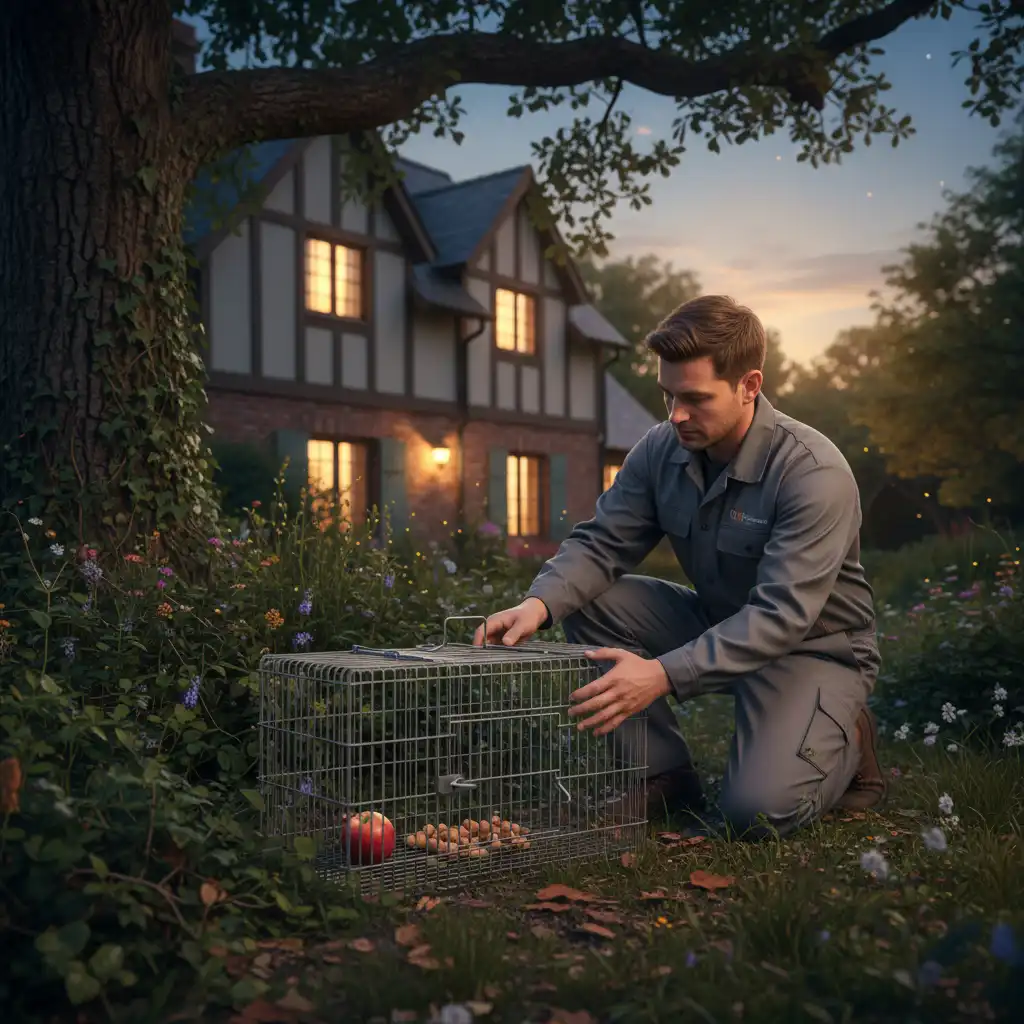
Licensed professionals employ humane trapping techniques that prioritise the welfare of the possum. This typically involves the use of live-capture cage traps, which are designed to safely contain the animal without causing injury. These traps are strategically placed in areas of known possum activity and are often baited with foods attractive to possums, such as fruit, vegetables, or specially formulated possum baits. Regular checking of traps is crucial to minimise the time an animal spends in captivity, reducing stress and potential harm. Once a possum is caught, the professional will assess the situation, determining the most ethical and legal course of action, which often involves humane euthanasia or transfer to a facility if permitted and practical, though direct release is prohibited.
Special attention is given to female possums with joeys. Professionals are trained to identify if a female is lactating or has a joey in her pouch or on her back. In such cases, efforts are made to ensure the joey is captured alongside the mother, preventing orphaned young that would suffer or die. The ethical handling of these situations is a hallmark of a responsible and humane pest control service.
Post-Trapping Procedures and Follow-up
After a possum has been successfully trapped, the work is not over. A professional service will not only remove the animal but will also advise on or carry out post-trapping procedures. This includes thoroughly inspecting the property to identify and seal off all potential entry points to prevent future infestations. Sanitisation of contaminated areas, such as roof cavities where possums have nested and left droppings, is also crucial to eliminate health risks and lingering odours. Comprehensive follow-up ensures that the property remains possum-free and that the underlying reasons for the infestation are addressed. This holistic approach guarantees a long-term solution rather than just a temporary fix.
Possum-Proofing Your Property
Once possums have been removed, the next critical step is to possum-proof your property to prevent their return. Possum-proofing is a comprehensive strategy that involves identifying and sealing potential entry points, eliminating attractants, and implementing deterrents. This proactive approach is essential for long-term pest management and protects your home and garden from future possum-related damage. A licensed professional can provide invaluable expertise in conducting thorough inspections and recommending the most effective proofing measures for your specific property.
Comprehensive Exclusion Strategies
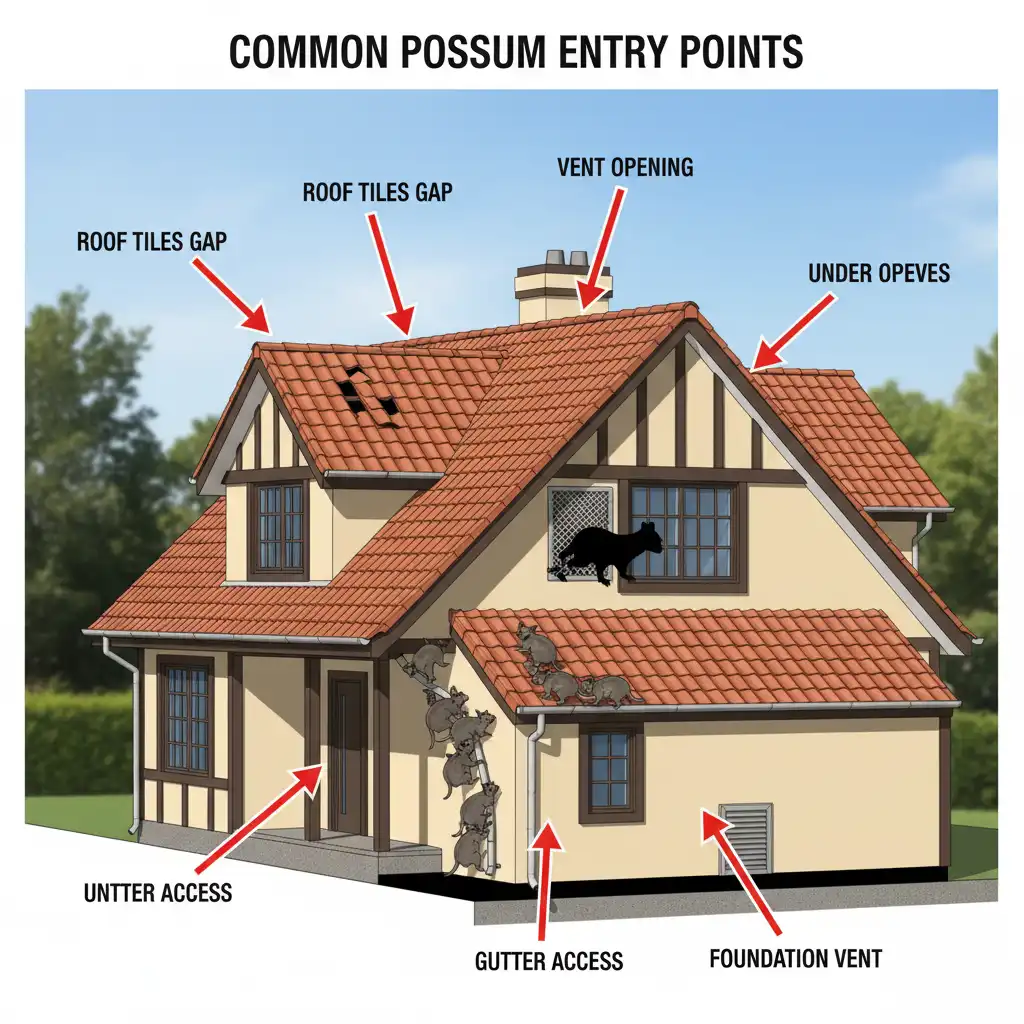
The most effective method of possum-proofing is to physically exclude them from your home. This involves meticulously inspecting the exterior of your property for any gaps, holes, or vulnerabilities that possums could exploit. Common entry points include loose or broken roof tiles, gaps under eaves, uncapped chimneys, unsecured vents, and damaged fascia boards. Possums are remarkably agile and can squeeze through surprisingly small openings. All identified entry points should be sealed with durable materials such as wire mesh (10mm or smaller), sheet metal, or expanding foam for smaller cracks. Ensure that any repairs are robust enough to withstand persistent gnawing and climbing attempts. This is not a task for casual DIYers, as missed spots can render the entire effort useless; professional expertise is highly recommended for a thorough job.
Garden and Food Source Management
Beyond structural exclusion, managing your garden and removing accessible food sources is crucial. Possums are highly attracted to fallen fruit, vegetable gardens, pet food left outdoors, and even compost bins. To mitigate these attractants:
- Trim tree branches: Keep branches trimmed at least 1-2 meters away from your roofline and fences, as possums use them as bridges to access your property.
- Secure rubbish bins: Use bins with tight-fitting, possum-proof lids.
- Protect vegetable gardens and fruit trees: Install netting or wire cages around vulnerable plants.
- Never leave pet food outdoors overnight: Bring pet bowls inside after your pets have finished eating.
- Compost bins: Use enclosed, possum-proof compost bins.
By minimising easy access to food and shelter, you make your property far less appealing to possums.
Effective Deterrents and Landscaping Modifications
While exclusion is primary, some deterrents can also contribute to possum-proofing. Motion-activated lights or sprinklers can startle possums and encourage them to move on, though their effectiveness can vary over time as possums adapt. Spiky strips installed along fences or ledges can make climbing uncomfortable. Consider planting possum-resistant plants around your garden, though possums are opportunistic and may still sample them if other food sources are scarce. Landscaping modifications, such as removing dense ivy or overgrown shrubs that offer cover and pathways to your roof, can also reduce the attractiveness of your property. Combining these strategies creates a multi-layered defence, significantly reducing the likelihood of a recurring possum problem.
Why Choose a Licensed Professional in Auckland
When faced with a possum infestation, the temptation to handle it yourself might arise. However, for residents in Auckland, choosing a licensed and experienced pest control professional for possum removal is not just a convenience, but a critical decision for effectiveness, legality, and humane outcomes. Possums present unique challenges, and navigating these requires specialised knowledge and adherence to specific New Zealand regulations.
Navigating Auckland’s Specific Challenges
Auckland’s diverse urban and suburban landscape, intertwined with green spaces and native bush, creates a complex environment for possum management. Possums thrive in this mix, often moving between natural habitats and human structures. Licensed professionals understand these local dynamics. They are familiar with common possum pathways, nesting sites unique to Auckland architecture, and the specific seasonal behaviours of possums in the region. This local expertise allows for more precise identification of entry points, strategic placement of traps, and tailored possum-proofing recommendations that are truly effective in the Auckland context, ensuring a solution that considers the specific challenges of the area.
The Value of Professional Assessment and Expertise
A professional possum removal service begins with a thorough assessment of your property. This isn’t just about spotting a possum; it’s about understanding the extent of the infestation, identifying all entry and exit points (including those you might miss), evaluating potential risks to your property and family, and determining the most appropriate and humane removal strategy. Professionals possess a deep understanding of possum behaviour, including their diet, breeding cycles, and territorial instincts, which are vital for successful trapping and long-term prevention. They also have access to the correct, humane equipment and the expertise to deploy it safely and effectively, ensuring that the job is done right the first time. Their experience minimises the risk of injury to the possum, pets, or people, and adheres to all ethical guidelines. Engaging an expert provides peace of mind that the problem will be resolved efficiently and responsibly.
Furthermore, licensed professionals are abreast of all relevant New Zealand laws and Auckland Council bylaws pertaining to pest control and wildlife management. This ensures that all removal and exclusion activities are conducted legally, avoiding potential fines or complications. They can also provide comprehensive advice on post-removal sanitisation, repair of damage, and ongoing prevention strategies, offering a holistic solution that untrained individuals cannot replicate. Investing in professional possum removal is an investment in your property’s integrity and your family’s well-being, providing a durable solution to a persistent problem.
In conclusion, dealing with possums requires more than just removing an animal; it demands a strategic, informed, and humane approach. By understanding the signs of infestation, appreciating possum behaviour, and implementing robust proofing measures, property owners can significantly reduce their vulnerability. However, for effective, legal, and truly long-lasting results, the expertise of a licensed possum removal professional in Auckland is indispensable. They offer the specialised knowledge, ethical practices, and comprehensive solutions needed to safeguard your home and contribute to responsible wildlife management in New Zealand.
For further general information about possums and their management in New Zealand, a valuable resource is the Wikipedia page on the Common Brushtail Possum.
People Also Ask
What attracts possums to my property in Auckland?
Possums are primarily attracted to properties in Auckland by readily available food sources (like fallen fruit, pet food, garden produce, and rubbish bins) and accessible shelter (such as roof cavities, wall spaces, under houses, and dense vegetation). They are also drawn to properties with mature trees providing easy access to roofs.
Is it legal to trap and relocate possums myself in Auckland?
While it is legal to trap possums on your own property in New Zealand, it is illegal to release a trapped possum into a new location. Possums are considered an introduced pest, and relocation is prohibited to prevent their spread. For these reasons, professional, licensed removal services are highly recommended to ensure compliance with the Biosecurity Act 1993 and humane handling.
How do I humanely get rid of possums?
Humane possum removal typically involves using live-capture cage traps. Once trapped, the possum must be humanely euthanised by a trained professional or transferred to an authorised facility. The most humane approach also includes extensive possum-proofing of your property afterwards to prevent re-infestation, addressing both the immediate problem and long-term prevention.
What damage can possums cause to my home?
Possums can cause significant damage to homes, including chewing through electrical wiring (a fire hazard), damaging insulation, dislodging roof tiles, gnawing on timber structures, and contaminating areas with droppings and urine. In gardens, they can devastate fruit trees, vegetable patches, and ornamental plants.
How much does professional possum removal cost in Auckland?
The cost of professional possum removal in Auckland can vary widely depending on the extent of the infestation, the number of possums, the complexity of trapping and proofing required, and any necessary repairs. It’s best to get a detailed quote from a licensed pest control company after an initial assessment of your specific situation.
When is the best time of year for possum removal?
Possum removal can be performed year-round. However, special care is needed during peak breeding seasons (typically autumn to early summer in New Zealand) to ensure that mothers with joeys are handled ethically and that young are not orphaned. Professionals are adept at identifying and managing these situations sensitively.