Protecting native wildlife in New Zealand during pest control efforts involves strategic and humane methods designed to target invasive species while safeguarding endemic fauna. This critical balance ensures the preservation of New Zealand’s unique biodiversity, requiring a deep understanding of local ecosystems and the implementation of responsible pest management techniques, particularly in sensitive areas like Auckland’s diverse natural landscapes.
The Importance of New Zealand’s Native Wildlife
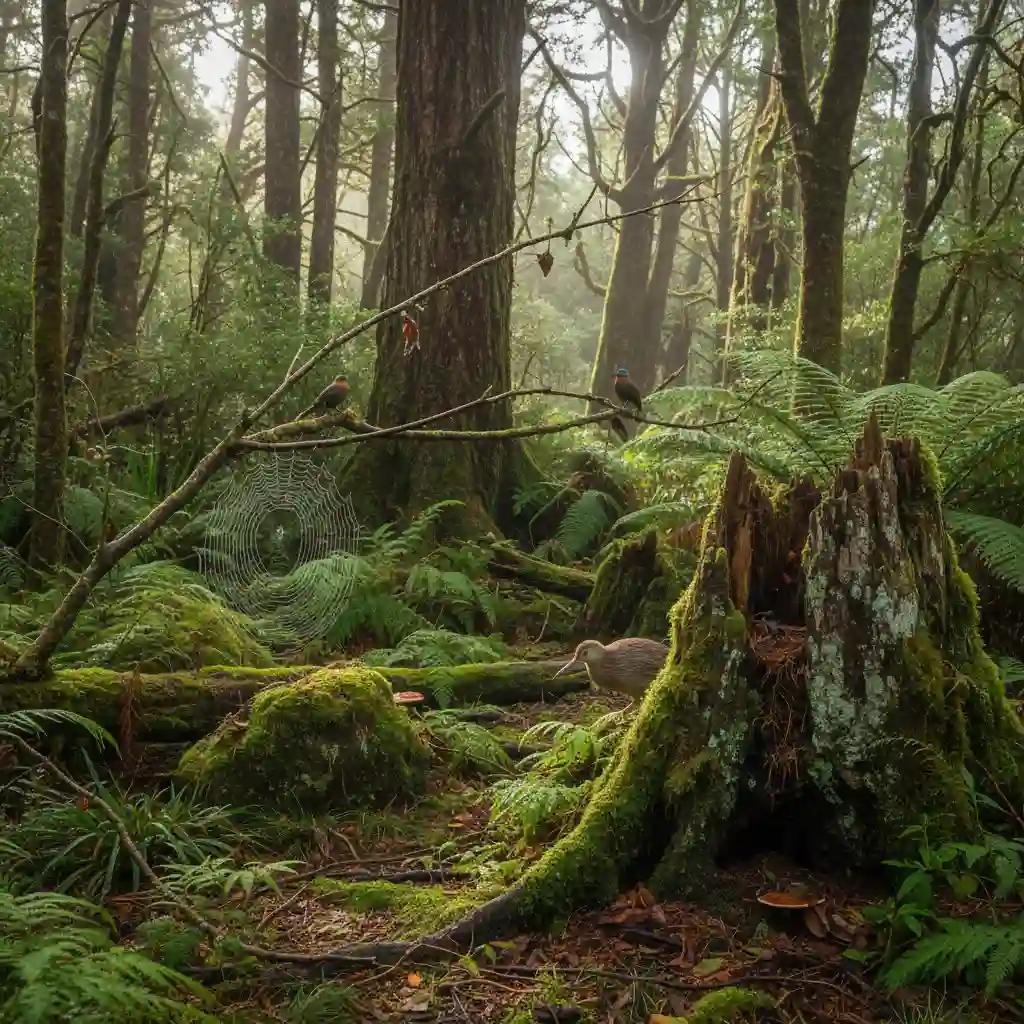
New Zealand is globally renowned for its extraordinary native wildlife, a result of millions of years of isolated evolution. This isolation led to a unique ecosystem dominated by birds, insects, and reptiles, with very few native land mammals. Species like the Kiwi, Tūī, Kakapo, and various gecko species are found nowhere else on Earth, making their conservation a matter of global significance. These endemic species play crucial roles in maintaining ecological balance, pollination, seed dispersal, and overall ecosystem health. The intricate web of life they form is fragile, and the loss of even one species can have cascading effects throughout the environment.
Beyond ecological value, New Zealand’s native wildlife holds profound cultural significance for Māori, woven into their whakapapa (genealogy), waiata (songs), and pūrākau (legends). The concept of kaitiakitanga, or guardianship, is central to Māori environmental ethics, emphasizing the responsibility to protect and care for the natural world. This cultural connection reinforces the national commitment to wildlife protection.
However, this unique biodiversity faces an existential threat from introduced mammalian pests. Species such as stoats, possums, rats (Norway, ship, and Pacific), feral cats, and hedgehogs, introduced by early settlers, have devastated native populations. Having evolved in the absence of mammalian predators, New Zealand’s native birds and reptiles are particularly vulnerable to these invaders. These pests prey directly on eggs, chicks, and adult birds, compete for food resources, and destroy native flora, which many native species depend on. This catastrophic impact underscores the urgent need for effective pest control to ensure the survival of New Zealand’s natural heritage.
Threats to Native Species from Introduced Pests
The scale of the threat posed by introduced pests is immense. Rats alone consume millions of native bird eggs and chicks annually. Stoats, highly efficient predators, can wipe out entire populations of ground-nesting birds. Possums, while herbivores, decimate native forests by eating leaves, flowers, and fruits, depriving native birds and insects of their food sources and habitat. Feral cats are notorious predators of small birds, lizards, and insects. Addressing these threats requires a comprehensive and sustained approach to pest management that is both effective against target species and safe for non-target native wildlife.
Minimizing Non-Target Species Harm in Pest Control
Effective pest control in New Zealand must be meticulously planned and executed to minimize the risk of harming non-target native species. The primary goal is precision: targeting the pests that threaten native ecosystems while ensuring the safety of the very wildlife we aim to protect. This requires a deep understanding of pest biology, native species behaviour, and the specific characteristics of different control methods.
Understanding Risks and Impacts
One of the most significant risks is secondary poisoning, where a native predator (like a kārearea/falcon or ruru/morepork) preys on a pest animal that has ingested poison bait. Another risk is accidental trapping of native birds, reptiles, or even insects in traps intended for pests. Habitat disruption and the unintended impact of pesticides on the wider environment are also critical considerations. Therefore, choosing the right pest control method is paramount.
Integrated Pest Management (IPM) Principles
Auckland pest control efforts often employ Integrated Pest Management (IPM) strategies, which combine multiple approaches to achieve long-term, sustainable pest reduction with minimal environmental impact. IPM involves:
- Monitoring: Regularly assessing pest populations and native species activity to understand spatial and temporal distribution.
- Prevention: Modifying habitats to make them less attractive to pests or creating barriers.
- Targeted Control: Using specific methods that are highly effective against the target pest but safe for non-target species. This includes species-specific baits, lures, and trap designs.
- Evaluation: Continuously monitoring the effectiveness of control measures and their impact on both pest and native populations.
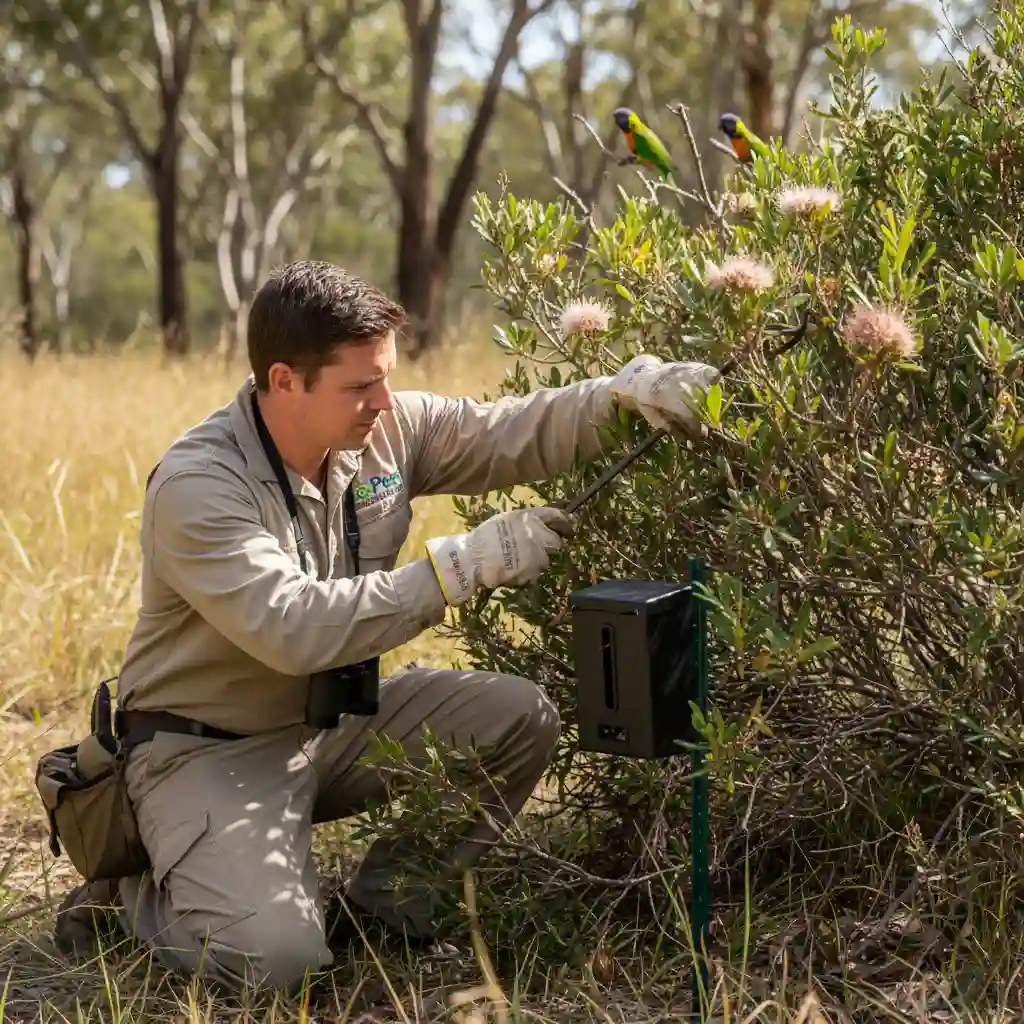
For instance, using baits that are dyed a specific colour (e.g., green for possums) can deter native birds from consuming them, as they may associate certain colours with inedible items. Similarly, bait stations are designed with small entrances to exclude larger native birds and animals while allowing pests to access the bait. Traps are often secured in tunnels or boxes to prevent non-target access. This thoughtful design is a cornerstone of responsible pest control in New Zealand.
Monitoring and Mitigation Strategies
Robust monitoring protocols are essential. This includes pre-operation surveys to identify native species presence, ongoing monitoring during pest control operations to detect any non-target interactions, and post-operation assessments to gauge success and identify areas for improvement. Wildlife cameras, tracking tunnels, and acoustic monitoring can provide invaluable data. If non-target interactions occur, rapid response and mitigation measures, such as adjusting bait types, relocating traps, or implementing alternative methods, are crucial. Collaboration with local iwi and conservation groups often provides vital local knowledge for these strategies.
Safe and Humane Pest Control Practices Near Wildlife
Executing pest control in proximity to native wildlife demands not only effectiveness but also a commitment to humane practices and minimal environmental disturbance. This is particularly relevant in Auckland’s diverse landscape, from suburban gardens bordering regional parks to remote conservation islands in the Hauraki Gulf. Professional pest control operators in NZ are trained to adhere to stringent guidelines that prioritise the safety of native species.
Choosing the Right Bait and Trap
The selection of baits and traps is critical. For baits, options range from acute toxins (fast-acting, used in pulse applications) to chronic toxins (slower-acting, requiring multiple doses). The choice depends on the target pest, the specific environment, and the presence of native species. For instance, less toxic baits or those with antidotes available are preferred in areas with high native bird populations. Bait stations are designed to be tamper-proof and exclude native wildlife, ensuring only target pests can access the bait. External links to resources like the Department of Conservation (DOC) provide extensive information on best practices for safe bait use and wildlife protection. DOC’s pest control guidelines offer valuable insights into methods that protect native species.
When it comes to traps, humane kill traps (e.g., A24 Goodnature traps, DOC series traps) are widely used and approved for specific pests. Trap placement is crucial: away from native bird nesting sites, flight paths, and foraging areas. Traps are secured to prevent larger native animals from interfering with them. Regular checking of traps is also vital to ensure efficacy and to swiftly remove caught animals, preventing scavenging by non-target species.
Non-Lethal and Alternative Methods
While lethal control is often necessary for invasive species, non-lethal methods can complement efforts or be primary solutions in certain contexts. These include:
- Exclusion: Fencing or netting to prevent pest access to sensitive areas (e.g., predator-proof fences around wildlife sanctuaries).
- Habitat Modification: Removing overgrown vegetation that provides cover for pests, or planting native species that discourage them.
- Biocontrol: Introducing natural enemies of a pest, though this requires extensive research to ensure no negative impact on native ecosystems.
These methods are often integrated into a broader pest management plan, particularly in urban-fringe areas of Auckland where public acceptance and environmental sensitivity are high.
Training and Expertise of Pest Control Technicians
Professional pest control technicians working in New Zealand, especially in ecologically sensitive areas like Auckland, undergo rigorous training. This training covers not only the effective application of pest control methods but also extensive education on native flora and fauna identification, ecological sensitivity, and the legal and ethical responsibilities associated with working near wildlife. Technicians are equipped to identify signs of native species presence and adjust their strategies accordingly, ensuring that the pest control activities are conducted with the utmost care and responsibility. They also understand the importance of humane practices as stipulated by organizations like the Ministry for Primary Industries (MPI) Animal Welfare Act.
Collaboration with Conservation Efforts in Auckland
Auckland, a sprawling metropolis with significant natural areas, presents unique challenges and opportunities for integrating pest control with wider conservation goals. The region is home to numerous regional parks, significant wetlands, and offshore islands that serve as vital refuges for native species. Effective protection of native wildlife from pest control efforts in Auckland is therefore inherently collaborative, involving government agencies, conservation groups, local communities, and professional pest control providers.
Auckland’s Unique Ecosystems
From the Waitākere Ranges in the west to the Hunua Ranges in the south, and the pristine conservation islands of the Hauraki Gulf, Auckland boasts a diverse range of ecosystems. These areas are critical habitats for a multitude of native birds, bats, reptiles, and invertebrates. Pest control operations in these areas require tailored strategies, recognising the specific ecological values and the prevalence of different pest species. For example, methods used on predator-free islands will differ significantly from those applied in urban backyards, though the underlying principle of native wildlife protection remains constant.
Working with Key Stakeholders
Successful native wildlife protection hinges on strong partnerships. In Auckland, this often means collaboration between:
- Auckland Council: Responsible for managing regional parks, biodiversity, and implementing pest management strategies across the region.
- Department of Conservation (DOC): Manages significant conservation land, including many of Auckland’s Hauraki Gulf islands, where intensive predator eradication programs are ongoing.
- Local Iwi and Hāpu: Bringing invaluable traditional knowledge (mātauranga Māori) and kaitiakitanga principles to conservation efforts.
- Community Conservation Groups: Hundreds of volunteer groups across Auckland dedicate countless hours to trapping, weeding, and restoring native habitats. Professional pest controllers often work in conjunction with these groups, providing expertise and support.
- Private Landowners: Many important native habitats exist on private land, making their involvement crucial for landscape-scale pest control.
This multi-stakeholder approach ensures that pest control efforts are holistic, informed by diverse perspectives, and integrated into broader conservation strategies. Professional pest control companies operating in Auckland often serve as valuable partners, providing technical expertise, resources, and skilled personnel to these collaborative projects. They ensure that commercial pest control aligns with the highest environmental standards, contributing positively to Auckland’s biodiversity goals.
Community Involvement and Education
Educating the public about the importance of native wildlife and responsible pest control practices is a cornerstone of conservation in Auckland. Campaigns like ‘Pest-Free Auckland’ and ‘Predator Free 2050’ rely heavily on community engagement, encouraging residents to trap pests in their own backyards. Professional pest control providers often play a role in this education, advising homeowners and businesses on eco-friendly options and the specific risks to native species in their local environment. By fostering a shared sense of responsibility, Auckland can achieve significant strides in protecting its precious native wildlife from the ongoing threat of introduced pests, ensuring that pest control efforts are part of the solution, not the problem.
People Also Ask
What are the most common pest threats to New Zealand’s native wildlife?
The most significant threats to New Zealand’s native wildlife come from introduced mammalian predators, including stoats, possums, several species of rats (Norway, ship, and Pacific), feral cats, and hedgehogs. These pests prey on native birds, eggs, chicks, lizards, and insects, and compete with native species for food resources, causing widespread damage to ecosystems.
How can pest control be done humanely and safely for native animals in NZ?
Humane and safe pest control for native animals in NZ involves using species-specific traps and baits, placing bait stations and traps strategically to exclude non-target species, regular monitoring of control devices, and employing humane kill traps. Integrated Pest Management (IPM) strategies, which combine multiple approaches, are also critical to minimise environmental impact and protect native wildlife.
What role do Auckland pest control companies play in protecting native wildlife?
Auckland pest control companies play a vital role by providing expert knowledge and services that adhere to national environmental guidelines. They employ trained technicians who understand native ecosystems, use targeted and humane methods, and often collaborate with local conservation groups and agencies. Their professional services help manage pest populations effectively while prioritising the safety of New Zealand’s unique native species.
Are there any non-lethal pest control methods that help protect native wildlife?
Yes, non-lethal methods include exclusion techniques like predator-proof fencing around sensitive habitats, habitat modification to make areas less attractive to pests, and cultural practices. While lethal control is often necessary for established invasive populations, these methods can complement efforts or be primary solutions in specific contexts to protect native wildlife.
How does the Department of Conservation (DOC) contribute to protecting native wildlife from pests?
The Department of Conservation (DOC) is New Zealand’s lead agency for conservation. DOC implements large-scale pest eradication programs, manages predator-free islands, develops best practice guidelines for pest control, and conducts extensive research. Their efforts are crucial in protecting native species across New Zealand, often working with communities and other stakeholders to achieve conservation goals.
What can individuals do to help protect native wildlife from pests in their own backyard?
Individuals can significantly help by setting approved traps for rats and possums in their backyards, planting native species to create habitat, securing pet food and rubbish to avoid attracting pests, and joining local community conservation groups. Being aware of the local native species and choosing pest control methods that are safe for them is also essential.