Restaurant Pest Control Auckland: An Essential Guide to Food Safety
Restaurant pest control in Auckland is a non-negotiable aspect of operating a successful and compliant food establishment. It involves implementing strategic measures to prevent, monitor, and eliminate pests, safeguarding public health, preserving food quality, and ensuring adherence to stringent New Zealand food safety regulations and Auckland Council health codes. Effective pest management is crucial for maintaining a pristine reputation and operational integrity.

Pest Challenges in Auckland’s Culinary Landscape
Auckland’s vibrant restaurant scene, with its diverse range of eateries from bustling cafes to fine dining establishments, presents unique challenges for pest management. The constant movement of goods, open doors, food waste, and the warmth of kitchen environments create ideal conditions for various pests to thrive. Understanding the specific threats is the first step towards robust protection.
Common Pests in Auckland’s Food Establishments
Restaurants are particularly vulnerable to a specific array of pests, each posing distinct risks:
- Rodents (Rats and Mice): These are perhaps the most damaging pests. They contaminate food with droppings and urine, chew through wiring causing fire hazards, damage property, and spread diseases like Salmonella and Leptospirosis. Their presence can lead to immediate health code closures.
- Cockroaches (German, Oriental, American): Highly adaptable and prolific breeders, cockroaches carry bacteria and pathogens on their bodies, contaminating food preparation surfaces, utensils, and food itself. Their nocturnal habits often mean infestations go unnoticed until they are severe.
- Flies (House Flies, Drain Flies, Fruit Flies): Flies are notorious disease carriers, transferring pathogens from decaying matter to food and surfaces. Fruit flies are a particular nuisance in bars and areas with fermentation, while drain flies thrive in damp, organic-rich environments like drains.
- Ants (Pharaoh Ants, Argentine Ants): Drawn to sweet and greasy foods, ants can quickly infest kitchens and storage areas, contaminating food products and making food preparation unhygienic.
- Stored Product Pests (Weevils, Moths): Found in dry food storage areas, these pests infest grains, flour, spices, and other dry goods, leading to significant product loss and contamination.
The Risks: Health, Reputation, Financial
An unchecked pest infestation in a restaurant carries far-reaching consequences:
- Health Risks: Pests are vectors for numerous diseases, posing severe health risks to both staff and customers. Food poisoning outbreaks linked to pests can have catastrophic effects.
- Reputational Damage: A single sighting of a pest by a customer can instantly destroy a restaurant’s reputation, leading to negative reviews, social media backlash, and a loss of trust that is incredibly difficult to rebuild. Health inspector closures are public knowledge and equally damaging.
- Financial Losses: This includes direct costs from contaminated food wastage, fines for health code violations, legal fees, loss of business during closures, and the significant expense of remedial pest control treatments.
- Staff Morale: Working in an environment with pests can be demoralizing for staff, impacting productivity and increasing turnover.
Why Restaurants are Prone to Infestations
The very nature of a restaurant operation makes it a high-risk environment:
- Abundant Food Sources: Spills, crumbs, open food containers, and waste bins provide a constant buffet for pests.
- Water Sources: Leaky pipes, condensation, floor drains, and washing areas offer essential hydration for pests.
- Warmth and Shelter: Kitchen appliances, wall voids, and storage areas provide ideal harborage, especially during colder months.
- Entry Points: Open delivery doors, cracked foundations, unprotected vents, and even incoming supplier deliveries offer easy access.
- High Traffic: Constant movement of staff, customers, and goods provides numerous opportunities for pests to be inadvertently introduced.
HACCP Compliant Pest Management Programs
For any food business in New Zealand, adhering to the principles of HACCP (Hazard Analysis and Critical Control Points) is fundamental. A robust pest management strategy is an integral part of an effective HACCP system, ensuring food safety at every stage.
Understanding HACCP and Its Role
HACCP is an internationally recognized systematic approach to food safety. It identifies potential biological, chemical, and physical hazards in food production and establishes critical control points (CCPs) to prevent these hazards from occurring. Pest activity is a significant biological and physical hazard that must be controlled.
A HACCP-compliant pest control program goes beyond simply reacting to infestations; it focuses on proactive prevention, continuous monitoring, and meticulous record-keeping. It demonstrates a commitment to food safety that satisfies regulatory bodies and reassures customers.
Key Components of a HACCP-Aligned Pest Strategy
An effective program integrates several critical elements:
- Hazard Identification and Risk Assessment: Identifying specific pest risks relevant to the restaurant’s location, structure, and operations. This includes mapping pest entry points, harborage areas, and food/water sources.
- Monitoring and Inspection: Regular, scheduled inspections by trained pest control professionals to detect early signs of pest activity. Strategic placement of monitoring devices (e.g., rodent bait stations, insect traps) is crucial.
- Preventative Measures: Implementing structural repairs (sealing gaps, repairing screens), improving sanitation practices, effective waste management, and educating staff on their role in prevention.
- Action Thresholds and Corrective Actions: Defining what level of pest activity triggers specific corrective measures. For instance, a single rodent sighting might trigger an immediate intensive treatment plan.
- Treatment Methods: Utilizing targeted, approved pest control methods that minimize chemical use while maximizing effectiveness, always prioritizing food safety.
- Verification and Validation: Regularly reviewing the program’s effectiveness and making adjustments as needed based on monitoring data and audit results.
Documentation and Auditing
Meticulous record-keeping is a cornerstone of HACCP compliance. A professional pest control provider will furnish comprehensive documentation, including:
- Detailed pest activity logs and trend reports.
- Records of all inspections, treatments, and pest findings.
- Maps indicating the placement of monitoring devices.
- Certificates of compliance and product data sheets (e.g., Material Safety Data Sheets for any chemicals used).
- Recommendations for structural improvements and sanitation enhancements.
This documentation is invaluable during health inspections and external audits, proving that the restaurant has a robust, proactive, and compliant pest management system in place. Failing to provide such documentation can result in non-compliance findings and potential penalties from authorities like the New Zealand Ministry for Primary Industries (MPI).
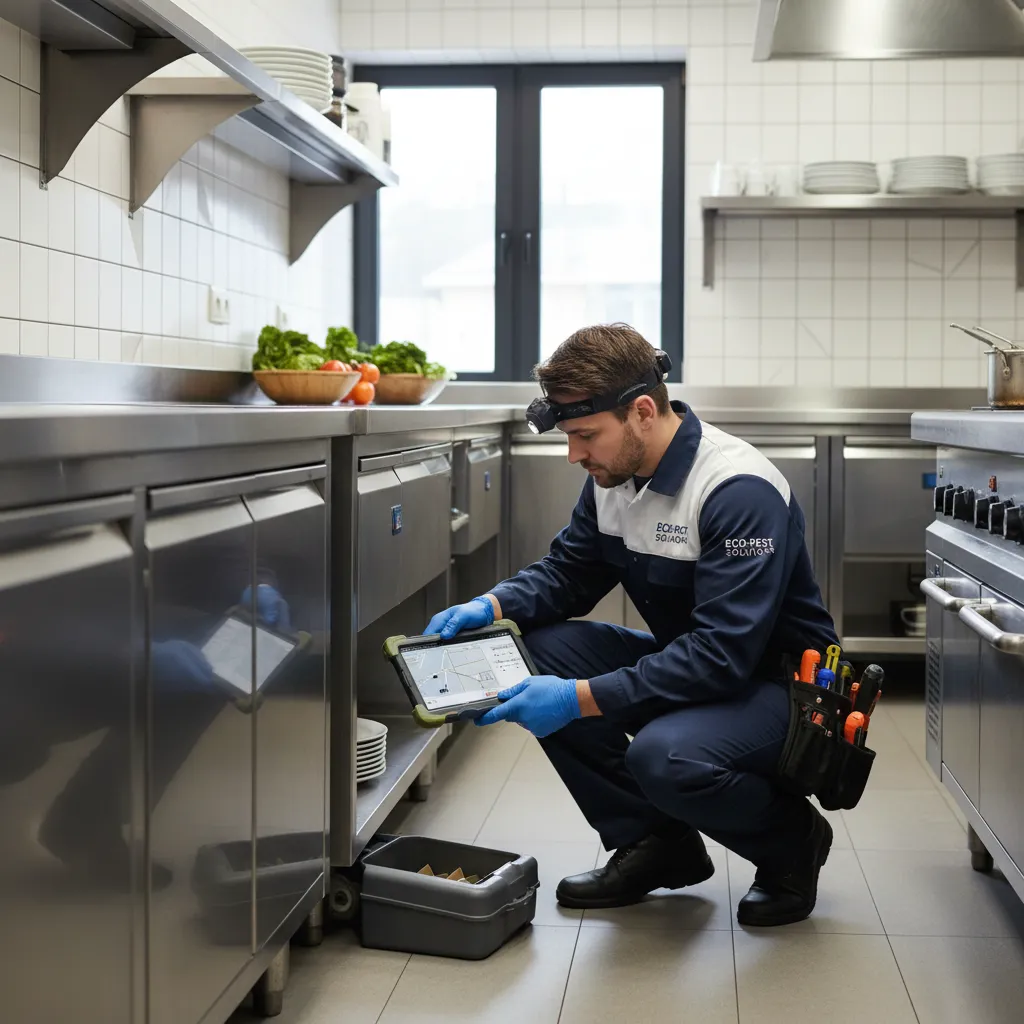
Discreet, Effective, and Integrated Pest Treatments
For a restaurant, pest control needs to be not only highly effective but also discreet and minimally disruptive. An Integrated Pest Management (IPM) approach is the gold standard, combining various methods to achieve long-term control while prioritizing safety and operational continuity.
Integrated Pest Management (IPM) Philosophy
IPM is a holistic, sustainable approach that focuses on long-term prevention of pests through a combination of techniques, including biological control, habitat manipulation, modification of cultural practices, and use of resistant varieties. In a restaurant context, this means:
- Non-Chemical First: Prioritizing exclusion, sanitation, and physical controls (traps) before resorting to chemical treatments.
- Targeted Application: When chemicals are necessary, using the least toxic and most targeted products, applied precisely where needed to minimize exposure to food, surfaces, and people.
- Continuous Monitoring: Regularly assessing the situation and adapting strategies based on pest activity.
Targeted Treatment Methods
A professional pest control service in Auckland will employ a range of tailored methods:
- Exclusion: Sealing cracks and crevices, installing door sweeps, repairing damaged screens, and ensuring proper ventilation to prevent pests from entering the premises. This is often the most critical long-term strategy.
- Sanitation Programs: Working with restaurant staff to implement rigorous cleaning schedules, proper waste disposal protocols, and prompt spill cleanup. A clean environment is a less attractive one for pests.
- Baiting Systems: Strategically placed rodent bait stations (tamper-resistant for safety) and insect gel baits offer highly effective, discreet control. These are especially useful in areas where spraying is not feasible.
- Trapping: Glue boards, snap traps, and multi-catch traps are used for monitoring and eliminating rodents and crawling insects in sensitive areas.
- Residual Sprays: Applied carefully and judiciously in non-food contact areas or during off-hours, these treatments create a barrier against pests. Modern formulations are often low-odor and fast-drying.
- Insect Light Traps (ILTs): Essential for fly control, strategically placed ILTs capture flying insects without the use of chemicals, often in back-of-house areas.
- Fumigation/Heat Treatments: In severe cases, or for specific pests like stored product pests, more intensive treatments may be required. These are typically planned during extended closures to avoid disruption.
Minimizing Disruption During Business Hours
Discretion is paramount for restaurants. Reputable pest control providers understand this and offer services designed to minimize impact:
- Off-Hour Servicing: Scheduling treatments and inspections during non-operating hours (early mornings, late evenings, or closing days) to avoid customer interaction.
- Unmarked Vehicles: Using unmarked vehicles to maintain a low profile and avoid drawing attention to pest control activities.
- Trained Technicians: Professionals who are trained to work efficiently, quietly, and with minimal fuss, respecting the restaurant’s operational flow.
- Food-Safe Products: Utilizing products and methods approved for use in food environments, ensuring no contamination risk.
Preventing Health Code Violations and Protecting Your Reputation
In Auckland, the local council rigorously enforces food safety standards. A single pest sighting or evidence of pest activity can trigger immediate penalties, severely damaging a restaurant’s standing and operational viability.
Auckland Council Health Regulations and Fines
Auckland Council’s environmental health officers conduct regular inspections to ensure compliance with the Food Act 2014 and associated regulations. Pest activity is a major red flag. Violations can range from warnings and orders to improve, to significant fines, temporary closure, or even permanent revocation of operating licenses in severe or repeated cases. Public health risk is taken very seriously, and pest infestations fall directly into this category.
Beyond the legal and financial ramifications, a health code violation due to pests becomes public record. This can be devastating for a business built on trust and customer perception. Negative news travels fast, especially in the digital age, making proactive prevention essential.
Proactive vs. Reactive Pest Control
The choice between proactive and reactive pest control is critical for restaurants:
- Reactive Approach: Waiting until a pest problem is evident (e.g., customer sightings, droppings) before calling for help. This approach is costly, causes significant disruption, damages reputation, and often requires more intensive, less discreet treatments. It’s a crisis management strategy.
- Proactive Approach: Implementing a regular, scheduled pest management program that focuses on prevention, monitoring, and early detection. This approach is more cost-effective in the long run, maintains a consistent level of food safety, protects reputation, and minimizes the need for disruptive emergency treatments. It’s a risk management strategy.
For restaurants, a proactive approach is the only sustainable and responsible choice. It reflects a commitment to hygiene and customer safety, which are core tenets of successful food service.
Staff Training and Awareness
While professional pest control services are indispensable, restaurant staff play a crucial role in the overall pest management strategy. They are the