Silverfish control in Auckland involves identifying and eliminating these nocturnal pests from homes and apartments, focusing on reducing moisture and food sources, and applying targeted treatments. Effective management requires understanding their habits and employing both professional pest control services and diligent homeowner prevention strategies to ensure a pest-free living environment.
Silverfish Control in Auckland: An Overview
Silverfish (Lepisma saccharina) are primitive, wingless insects known for their destructive feeding habits on starches and cellulose. In Auckland’s often humid climate, apartments and homes provide ideal conditions for these pests to thrive, leading to significant damage to books, documents, clothing, and pantry items. Understanding the local context is crucial; Auckland’s varied housing types, from modern apartments to older villas, each present unique challenges for pest control. The prevalence of high humidity, particularly during certain seasons, creates an environment where silverfish can flourish, making proactive control measures essential for residents.
These elusive pests are not merely a nuisance; their prolonged presence can lead to irreversible damage to valuable possessions and compromise indoor air quality by encouraging mould growth in damp areas they inhabit. For Auckland homeowners and tenants, comprehensive silverfish control isn’t just about eliminating visible pests; it’s about safeguarding property, preserving cherished items, and maintaining a healthy living space. This guide will provide an authoritative framework for identifying, eradicating, and preventing silverfish infestations specifically tailored to the Auckland environment, emphasizing both professional intervention and sustainable DIY practices.
Why Auckland is Prone to Silverfish Infestations
Auckland’s temperate climate, characterized by relatively high humidity levels throughout much of the year, creates an ideal breeding ground for silverfish. The combination of moisture, prevalent in many older homes and even poorly ventilated modern apartments, along with readily available food sources (like paper, textiles, and food scraps), makes residential properties highly attractive. Additionally, the increasing density of urban living means infestations can spread more easily between adjoining units in apartment complexes. This underscores the need for a community-wide awareness and proactive individual efforts.
Recognizing Signs of a Silverfish Infestation
Detecting a silverfish infestation early is key to effective control. These nocturnal creatures are masters of hiding, often remaining unseen until their numbers grow substantially. However, they leave behind tell-tale signs that astute homeowners can spot. Vigilance and regular inspection of susceptible areas can help in early detection and prevent widespread damage.
Common Indicators of Silverfish Presence
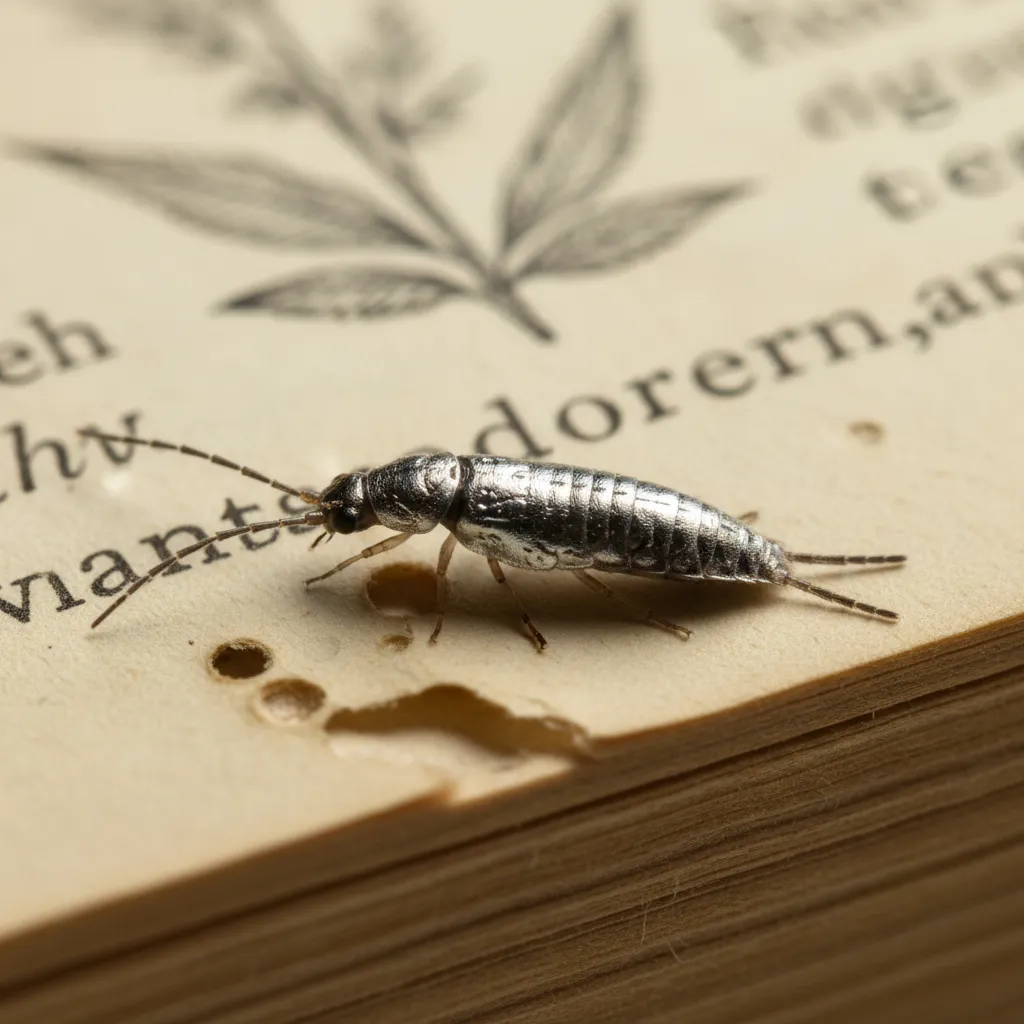
The most common signs include irregular holes, notches, or etchings on paper products, books, photographs, and cardboard boxes. Fabrics, especially cotton, linen, and silk, can also show similar damage. You might notice yellow stains or scale dust, which are tiny, powdery residues left behind as they shed their exoskeletons. These scales are often found in secluded, undisturbed areas where silverfish hide. Furthermore, their droppings, resembling tiny black peppercorns, can be found near feeding sites, indicating active infestation.
Where to Look for Silverfish Activity
Silverfish prefer dark, damp, and undisturbed environments. Common hiding spots in Auckland homes and apartments include bathrooms, kitchens (especially under sinks), laundries, basements, attics, cluttered closets, pantries, and storage areas. They are often found behind wallpaper, in wall voids, within books on shelves, or in boxes of stored papers and clothes. Inspecting these areas regularly, particularly those with higher humidity, can help identify an infestation before it escalates. Shining a flashlight into dark crevices at night can sometimes reveal them scurrying for cover.
Effective Strategies for Silverfish Eradication
Once an infestation is confirmed, a multi-pronged approach is usually required for successful eradication. While DIY methods can offer temporary relief for minor issues, professional pest control is often the most effective and long-term solution, especially for persistent or extensive infestations in Auckland.
DIY Methods for Minor Infestations
For small, localized silverfish problems, several DIY strategies can be employed. Trapping them using sticky traps or jar traps (a jar wrapped in tape with food bait inside) can reduce numbers. Food-grade diatomaceous earth (DE) can be sprinkled in cracks and crevices; its microscopic sharp edges dehydrate and kill silverfish upon contact. Cedar shavings or essential oils like lavender and cedarwood are also sometimes used as repellents, though their effectiveness as eradicators is limited. Vacuuming thoroughly, especially in infested areas, helps remove silverfish, their eggs, and food sources. Remember to dispose of the vacuum bag contents immediately outside the home.
Professional Silverfish Control Services in Auckland
For more significant or recurring silverfish problems, engaging a professional pest control service in Auckland is highly recommended. Experts possess the knowledge, equipment, and access to more potent and targeted treatments that are not available to the general public. They can accurately identify the extent of the infestation, locate hidden breeding grounds, and implement integrated pest management (IPM) strategies. These often include:
- Targeted Insecticide Applications: Using residual insecticides in cracks, crevices, wall voids, and other harborage areas.
- Baiting Systems: Placing baits that silverfish consume and carry back to their nests, affecting the entire colony.
- Fumigation (in extreme cases): A more intensive treatment for severe, widespread infestations, particularly in large commercial spaces or entire homes.
- Moisture Assessment and Recommendations: Professionals can identify and advise on structural issues contributing to high humidity.
A reputable pest control company in Auckland will also provide post-treatment advice and follow-up services to ensure the problem is fully resolved and to establish long-term prevention plans. Selecting a service provider with local experience is crucial, as they understand the specific challenges posed by Auckland’s climate and building types.
Critical Role of Moisture Control in Silverfish Management
Silverfish thrive in humid environments. Therefore, managing and reducing moisture levels within your Auckland home or apartment is perhaps the most critical long-term strategy for silverfish control and prevention. Without adequate moisture, silverfish cannot survive or reproduce effectively.
Identifying and Eliminating Moisture Sources
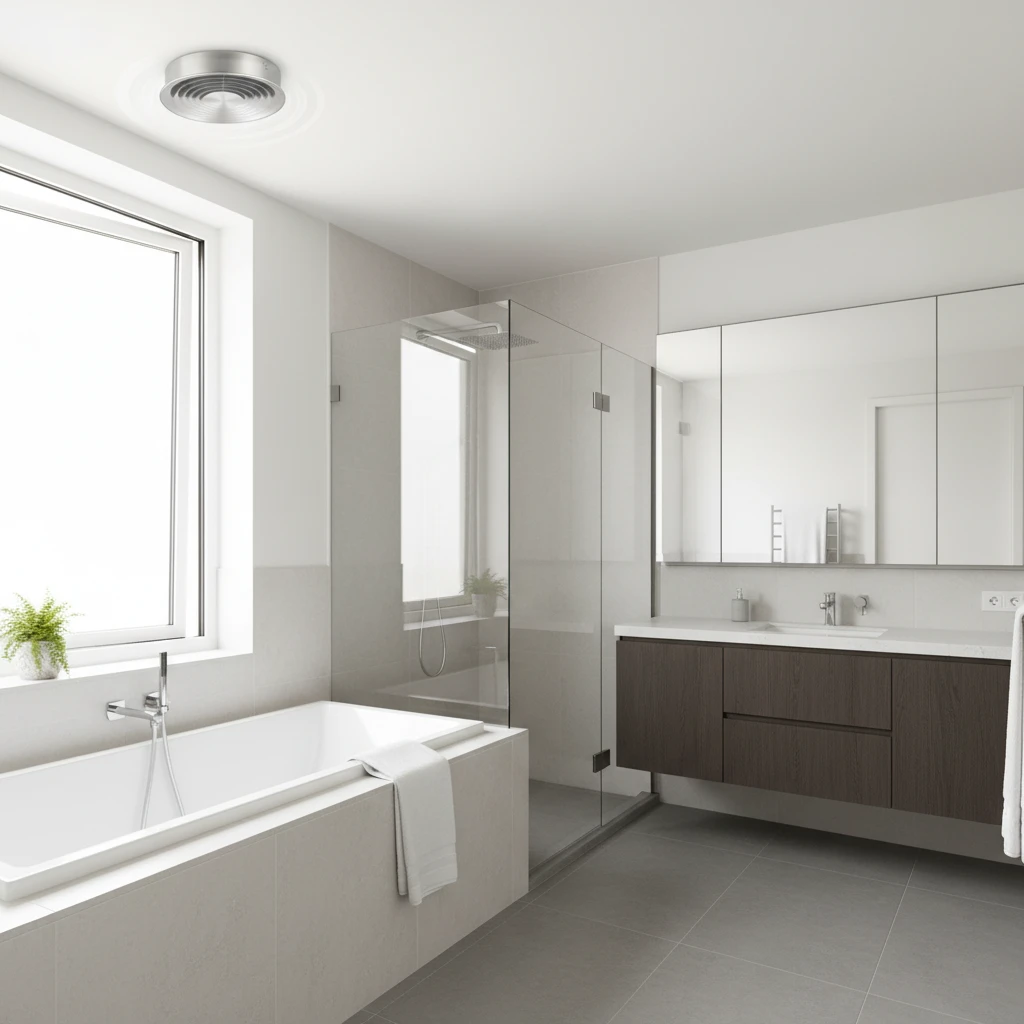
Start by identifying and repairing any leaky pipes, dripping faucets, or roof leaks. Ensure proper drainage around the foundation of your home. In bathrooms and kitchens, seal gaps around tubs, sinks, and tiles to prevent water ingress. Inspect basements and crawl spaces for standing water or excessive dampness. Good ventilation is paramount: use exhaust fans in bathrooms and kitchens during and after showering or cooking, and ensure they are functioning correctly. Consider installing dehumidifiers in particularly damp areas such as basements, laundries, or poorly ventilated rooms, especially during Auckland’s wetter months. Even simple habits like wiping down shower walls and ensuring clothes dryers are properly vented to the outside can make a significant difference.
Improving Ventilation and Air Circulation
Beyond fixing leaks, improving overall air circulation is vital. Open windows and doors regularly to allow fresh air to circulate, particularly on dry days. Avoid over-stuffing closets and storage areas, as this restricts airflow and creates pockets of stagnant, humid air. Elevate stored items off the floor using shelving units, especially in garages or storage lockers, to allow air movement. If you have a subfloor space, ensure it’s well-ventilated to prevent moisture build-up that can encourage silverfish and other pests. For more information on humidity’s impact on pests, you can consult resources from the U.S. Environmental Protection Agency (EPA) regarding indoor air quality and moisture control, which are universally applicable principles.
Comprehensive Silverfish Prevention Tips for Auckland Residents
Once silverfish have been eradicated, or if you’re looking to prevent an infestation from occurring, ongoing vigilance and proactive measures are essential. Prevention is always more cost-effective and less stressful than dealing with a full-blown infestation.
Reducing Food Sources and Harborage
Silverfish feed on starches, cellulose, and proteins. To starve them out:
- Store Food Properly: Keep all dry pantry items (flour, sugar, pasta, cereals) in airtight containers.
- Declutter: Reduce clutter, especially in storage areas, attics, and basements. Old newspapers, magazines, cardboard boxes, and rarely used clothing are prime silverfish food sources and hiding spots.
- Vacuum and Clean Regularly: Regular vacuuming and cleaning remove food crumbs, dust, and silverfish eggs. Pay special attention to cracks, crevices, and baseboards.
- Inspect Deliveries: Before bringing in groceries, old books, or second-hand furniture, inspect them thoroughly to avoid introducing silverfish into your home.
Sealing Entry Points and Cracks
Silverfish can enter homes through tiny cracks and openings. Seal all cracks and crevices in walls, floors, and around utility penetrations using caulk or appropriate sealants. Repair damaged window and door screens. Ensure weather stripping around doors and windows is intact. These measures not only keep silverfish out but also help with general pest control and improve energy efficiency. For comprehensive advice on home maintenance that deters pests, consider resources like those provided by New Zealand’s Ministry of Business, Innovation and Employment (MBIE) for building standards and maintenance advice, as effective pest prevention often goes hand-in-hand with good property upkeep.
Routine Inspections and Monitoring
Regularly inspect susceptible areas, especially those mentioned earlier (bathrooms, kitchens, laundries, storage). Look for any signs of silverfish activity or potential entry points. Using sticky traps in key areas can serve as an early warning system, indicating if silverfish are present even before an apparent infestation takes hold. Consistent monitoring allows for quick action, preventing small problems from becoming large ones.
People Also Ask About Silverfish Control in Auckland
How do I know if I have silverfish in my Auckland apartment?
Look for small, irregular holes or etchings on books, papers, fabrics, and cereal boxes. You might also find tiny yellow stains, silvery scales, or small black droppings (like peppercorns) in damp, dark areas such as bathrooms, kitchens, or storage spaces. Seeing a live silverfish scurrying away in the dark is a clear sign.
Are silverfish harmful to humans or pets?
Silverfish are not known to bite humans or pets, nor do they carry diseases. They are considered nuisance pests that primarily cause damage to property by feeding on starchy materials like paper, glue, clothing, and some foods. Their presence can, however, indicate underlying moisture issues in a home.
What attracts silverfish to Auckland homes?
Silverfish are strongly attracted to high humidity and moisture, as well as food sources rich in carbohydrates and starches. This includes paper products, books, cardboard, fabrics (cotton, linen, silk), cereals, and even plaster. Auckland’s often humid climate, combined with common household items, provides an ideal environment for them.
Can I get rid of silverfish myself, or do I need a professional in Auckland?
For minor infestations, DIY methods like reducing moisture, decluttering, using diatomaceous earth, or sticky traps can be effective. However, for persistent or widespread problems in Auckland, professional pest control is highly recommended. Experts can identify hidden harbourage areas and apply targeted, long-lasting treatments that are not available to the public.
How long does silverfish treatment take in Auckland?
The duration of silverfish treatment in Auckland can vary depending on the severity of the infestation and the chosen method. Professional treatments often involve an initial application followed by a follow-up visit a few weeks later. Complete eradication and ongoing prevention can be a continuous process, requiring consistent moisture control and cleanliness from the homeowner.
What is the best way to prevent silverfish from returning to my Auckland home?
The best prevention involves consistent moisture control (fixing leaks, using dehumidifiers, improving ventilation), reducing food sources (storing items in airtight containers, decluttering), sealing cracks and crevices in walls and floors, and regular cleaning and vacuuming. Ongoing vigilance and prompt action at the first sign of return are key.