Silverfish control in Auckland involves a multi-faceted approach to eliminate existing infestations and prevent future ones in local homes. This includes understanding the pest’s habits, implementing environmental modifications like humidity reduction, removing food sources, and strategically applying DIY or professional pest management techniques.
Identifying Silverfish and Their Damage in Auckland Homes
Silverfish, scientifically known as Lepisma saccharina, are primitive, wingless insects characterized by their metallic, silvery-grey appearance and distinctive fish-like movements. They typically grow to about 10-15 mm in length, possess a flattened body, two long antennae at the front, and three tail-like appendages at the rear. These nocturnal pests thrive in dark, damp, and undisturbed environments, making many Auckland homes, especially older ones or those with poor ventilation, ideal breeding grounds.
Common Habitats and Signs of Infestation
In Auckland, silverfish are frequently found in bathrooms, laundries, kitchens, basements, attics, and cluttered storage areas. They are also drawn to cardboard boxes, bookshelves, and wardrobes. Because they are shy and nocturnal, you might not see the insects themselves, but rather the evidence of their presence. Key signs of a silverfish infestation include:
- Irregular holes or notches: Often found on paper goods like books, magazines, important documents, wallpaper, and cardboard.
- Yellowish stains: These can appear on fabrics (cotton, linen, silk, synthetic fibres), clothing, and even curtains.
- Faecal pellets: Tiny, pepper-like droppings, often found near damaged materials.
- Shed skins: As silverfish mature, they moult, leaving behind their translucent exoskeletons.
- Visible silverfish: Seeing live silverfish, particularly at night when you switch on a light, is a clear indicator of an active infestation.
Understanding these indicators is the first crucial step in effective silverfish control Auckland. Early detection allows for quicker intervention, minimizing potential damage to your property and belongings.
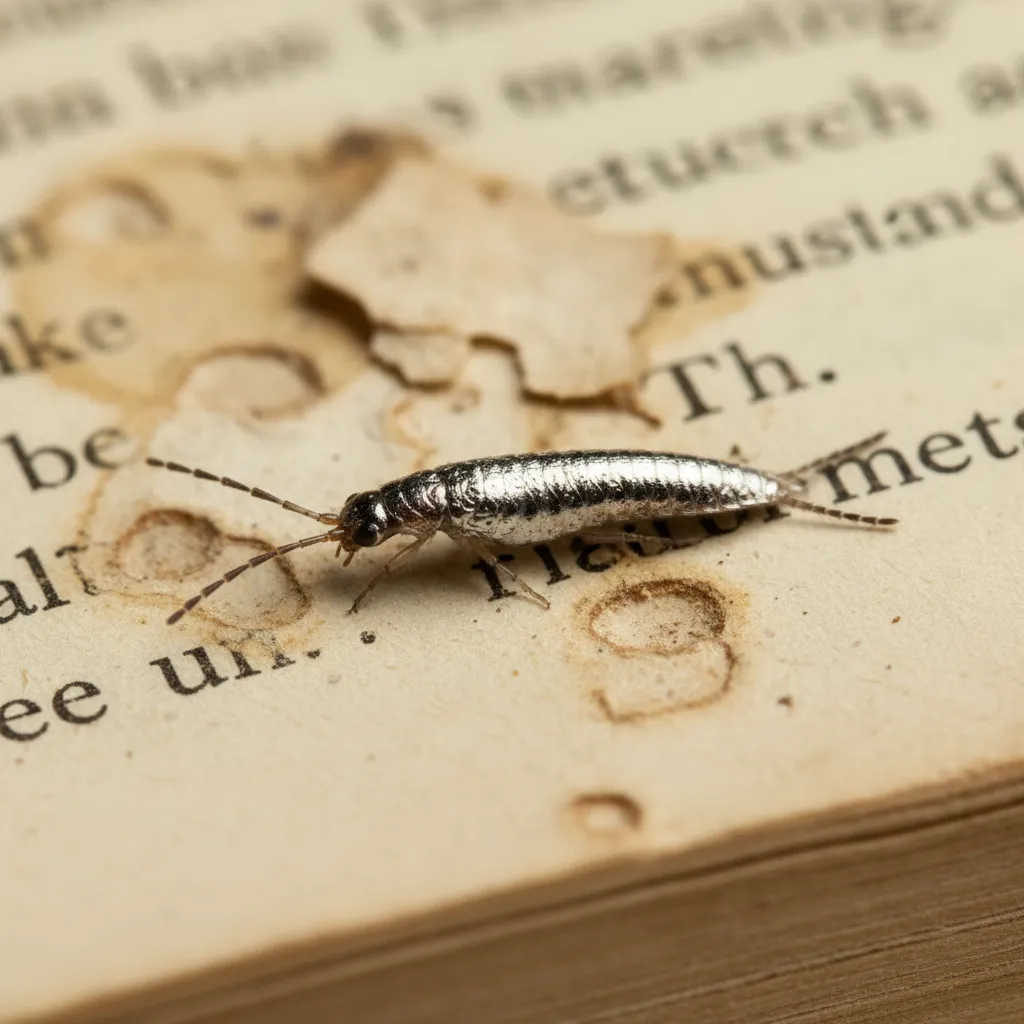
Why Silverfish Are a Nuisance
While not known to transmit diseases or bite humans, silverfish can cause significant damage to household items. Their diet consists primarily of starches and polysaccharides, found in a wide variety of materials common in homes:
- Paper products: Books, photographs, newspapers, magazines, glue in bookbindings, wallpaper paste, and cardboard boxes are all vulnerable.
- Fabrics: Cotton, linen, silk, rayon, and other natural or synthetic fibres can be consumed, leading to unsightly holes and damage to clothing, upholstery, and carpets.
- Food items: Dried foods like cereals, flour, oats, and pet food are also attractive to silverfish if not stored properly.
- Other items: Even some types of insulation, synthetic fabrics, and dead insects can serve as food sources.
The cumulative damage from an unchecked silverfish population can be substantial, especially to items of sentimental or financial value. Therefore, swift and effective silverfish control is essential for Auckland homeowners.
Creating a Hostile Environment: Reducing Humidity and Food Sources
The most effective long-term silverfish control and prevention strategy in Auckland homes revolves around modifying their preferred environment. By eliminating their essential needs – moisture and food – you make your home significantly less attractive to these pests.
Moisture Control Strategies
Silverfish thrive in high humidity, ideally between 75-95%. Reducing moisture levels is paramount:
- Ventilation: Ensure bathrooms, laundries, and kitchens are well-ventilated. Use extractor fans during and after showering or cooking. Open windows when weather permits to allow air circulation.
- Dehumidifiers: For naturally damp areas like basements, attics, or poorly ventilated rooms, a dehumidifier can drastically reduce moisture levels.
- Fix leaks: Promptly repair any leaky pipes, dripping taps, or roof leaks. Even small water sources can sustain a silverfish population.
- Seal cracks and crevices: Silverfish can enter through tiny gaps. Seal cracks in foundations, around windows and doors, and in plumbing entry points. This not only reduces entry points but also helps control air flow and humidity.
- Improve drainage: Ensure outdoor drainage systems are working correctly to prevent water accumulation near the house foundation.
Eliminating Food Sources and Harbourage
Beyond moisture, silverfish need access to food and hiding spots. Taking proactive steps to remove these will starve them out and reduce places they can multiply:
- Declutter: Reduce clutter, especially in storage areas like basements, attics, and garages. Silverfish love to hide and feed on stored papers, cardboard boxes, and old fabrics.
- Store items properly: Keep books, important documents, and fabrics in airtight plastic containers rather than cardboard boxes. This denies them food and prevents access.
- Vacuum regularly: Frequent vacuuming removes food crumbs, dust, and potential silverfish eggs. Pay special attention to cracks, crevices, and under furniture.
- Food storage: Store all dry food items (flour, sugar, cereals, pet food) in sealed, airtight containers. Clean up spills immediately.
- Cleanliness: Maintain general cleanliness, especially in kitchens and pantries. Wipe down surfaces, sweep floors, and ensure there are no accessible food particles.
- Repair damaged wallpaper: Loose or peeling wallpaper can provide both food (the paste) and shelter for silverfish.
DIY Solutions vs. Professional Silverfish Control in Auckland
Once you’ve addressed the environmental factors, you can consider direct control methods. Both DIY approaches and professional pest control services offer solutions for silverfish control in Auckland, with varying levels of effectiveness and long-term results.
Effective DIY Methods
For minor infestations, several DIY methods can be effective:
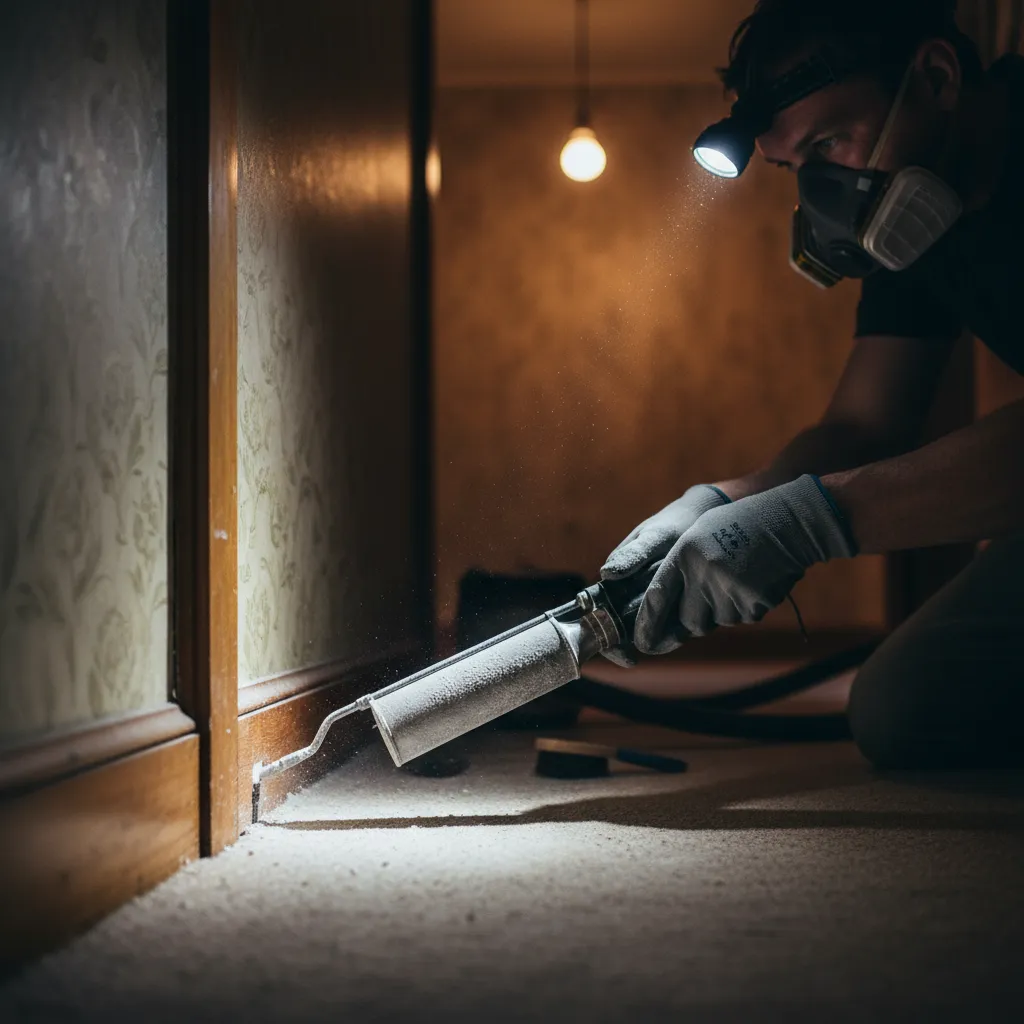
- Diatomaceous Earth (DE): Food-grade DE is a natural, non-toxic powder made from fossilized diatoms. Its microscopic sharp edges cut through the silverfish’s protective outer layer, causing dehydration. Sprinkle a thin layer in cracks, crevices, behind appliances, and along baseboards where silverfish are suspected. Ensure it’s food-grade if used around pets or children.
- Sticky Traps: Commercial sticky traps designed for insects can capture silverfish. Place them in areas of high activity.
- Glass Jars: A simple trap involves placing a rough material (like masking tape) around the outside of a glass jar, allowing silverfish to climb in. Once inside, they can’t climb the smooth glass walls to escape. A small piece of bread or a starchy item can be used as bait at the bottom.
- Cedar Oil/Repellents: Some essential oils, particularly cedar oil, are thought to repel silverfish. While not a definitive extermination method, diffused oils or cedar blocks can help deter them from certain areas.
- Boric Acid: Boric acid can be used as a dust in wall voids and hard-to-reach areas. It acts as a stomach poison and abrasive. However, it should be used with caution, especially around children and pets, as it can be toxic if ingested. Always follow product instructions carefully.
For more insights into managing household pests naturally, you can consult resources like Wikipedia’s page on Silverfish, which provides a broad overview of the species and control methods.
When to Call Professional Pest Control Auckland
While DIY methods can offer temporary relief, a significant or recurring silverfish problem often requires the expertise of professional pest control Auckland services. Here’s why and what to expect:
- Thorough Inspection: Professionals can identify the extent of the infestation, locate hidden breeding grounds, and determine entry points that might be missed during a DIY inspection.
- Targeted Treatments: They have access to commercial-grade insecticides and baiting systems that are more potent and have longer residual effects than retail products. These treatments are applied strategically to cracks, crevices, wall voids, and other harbourage areas.
- Safety: Professional pest controllers are trained to use chemicals safely, minimizing risk to your family and pets. They understand appropriate application rates and safety precautions.
- Long-Term Solutions: Beyond immediate treatment, professionals can offer advice on structural modifications, ongoing monitoring, and integrated pest management (IPM) plans to ensure long-term silverfish prevention.
- Guarantees: Many reputable pest control companies offer guarantees on their services, providing peace of mind.
If you’re constantly battling silverfish despite your best efforts, or if you notice widespread damage, contacting a local Auckland pest control expert for a consultation is highly recommended. They can provide a tailored plan for effective silverfish control Auckland.
Long-Term Silverfish Prevention Strategies for Aucklanders
True silverfish control extends beyond eradication; it’s about establishing habits and maintaining conditions that make your Auckland home unattractive to these pests indefinitely. This proactive approach combines environmental management with consistent vigilance.
Ongoing Environmental Management
The core of long-term prevention lies in consistently managing the factors that attract silverfish:
- Maintain Low Humidity: Continue to use extractor fans, ventilate your home daily, and run dehumidifiers in naturally damp areas. Consider investing in a hygrometer to monitor humidity levels, aiming for below 50% indoors.
- Regular Inspections: Periodically check basements, attics, cupboards, and storage areas for signs of moisture (dampness, mould) and silverfish activity. Early detection of a returning problem can prevent a full-blown infestation.
- Seal and Repair: Regularly inspect your home’s exterior and interior for new cracks, gaps, or deteriorating seals around windows, doors, and utility pipes. Promptly repair any issues to deny entry points.
- Proper Storage Habits: Make it a habit to store all paper, fabric, and dried food items in airtight containers. Avoid storing cardboard boxes directly on concrete floors in damp basements. Use plastic bins with secure lids.
Integrated Pest Management for Sustainable Prevention
An Integrated Pest Management (IPM) approach combines various strategies for sustainable pest control:
- Education: Understand the lifecycle and habits of silverfish so you can anticipate and address potential problems proactively.
- Sanitation: Consistency in cleaning, vacuuming, and decluttering is key. Remove dust, crumbs, and debris that can serve as food or shelter.
- Exclusion: Continuously work on sealing entry points and eliminating harbourage areas within your home.
- Monitoring: Use sticky traps or other monitoring tools in vulnerable areas to detect silverfish presence before populations grow large. This allows for targeted intervention if needed.
- Limited Pesticide Use: If chemical treatments are necessary, they should be applied judiciously and precisely, rather than broadcast spraying. This minimizes environmental impact and exposure.
By integrating these practices into your regular home maintenance routine, Auckland homeowners can significantly reduce the risk of silverfish infestations, securing lasting relief and protecting their property from these persistent pests. For further information on pest management strategies, local council websites or New Zealand government agricultural resources may offer valuable insights relevant to the local environment and regulations. A good example of government advice on pest control general principles can be found on sites like the US Environmental Protection Agency’s IPM principles page, which offers universal advice on effective and responsible pest management.
People Also Ask About Silverfish Control in Auckland
What attracts silverfish to Auckland homes?
Silverfish are primarily attracted to Auckland homes by high humidity (often found in bathrooms, laundries, and basements) and abundant food sources like starches, sugars, paper, and fabrics. Dark, undisturbed areas also provide ideal harbourage.
Are silverfish harmful to humans or pets?
No, silverfish are not considered harmful to humans or pets. They do not bite, sting, or transmit diseases. Their primary concern is the damage they cause to household items like books, clothes, and food products by feeding on starches and cellulose.
How can I tell if I have a silverfish infestation in my Auckland home?
Signs of a silverfish infestation include finding small, irregular holes or notches on paper products and fabrics, yellowish stains, tiny pepper-like droppings, shed skins, or seeing the silverfish themselves, especially at night in damp areas.
What is the best DIY method for silverfish control in Auckland?
For DIY control, food-grade Diatomaceous Earth (DE) is highly effective when sprinkled in cracks and crevices. Sticky traps and simple glass jar traps can also help monitor and reduce populations. Addressing humidity and clutter is crucial for long-term success.
When should I call a professional pest control service for silverfish in Auckland?
You should consider calling a professional pest control service in Auckland if your silverfish infestation is severe, persistent despite DIY efforts, or if you’re experiencing significant damage to your belongings. Professionals can offer thorough inspections and more targeted, effective treatments.
How can I prevent silverfish from returning to my Auckland home?
Preventing silverfish involves consistently reducing humidity (using ventilation, dehumidifiers), eliminating food sources (proper food storage, decluttering), sealing entry points, and regular cleaning. An Integrated Pest Management (IPM) approach provides the most sustainable long-term prevention.