Spider bite treatment in Auckland primarily involves immediate first aid, symptom management, and knowing when to seek professional medical attention. While most spider bites in the region are harmless and cause only minor local reactions, understanding the signs of more serious bites and implementing effective prevention strategies is crucial for all Auckland residents to ensure safety and peace of mind.
Recognizing Spider Bite Symptoms in Auckland
Identifying a spider bite can be challenging as symptoms often mimic other insect bites or skin conditions. However, understanding the typical presentation can guide appropriate action. Most spider bites are relatively benign, causing localized reactions that resolve within a few days. The appearance and severity of symptoms depend on the spider species, the amount of venom injected, and an individual’s reaction to the venom.
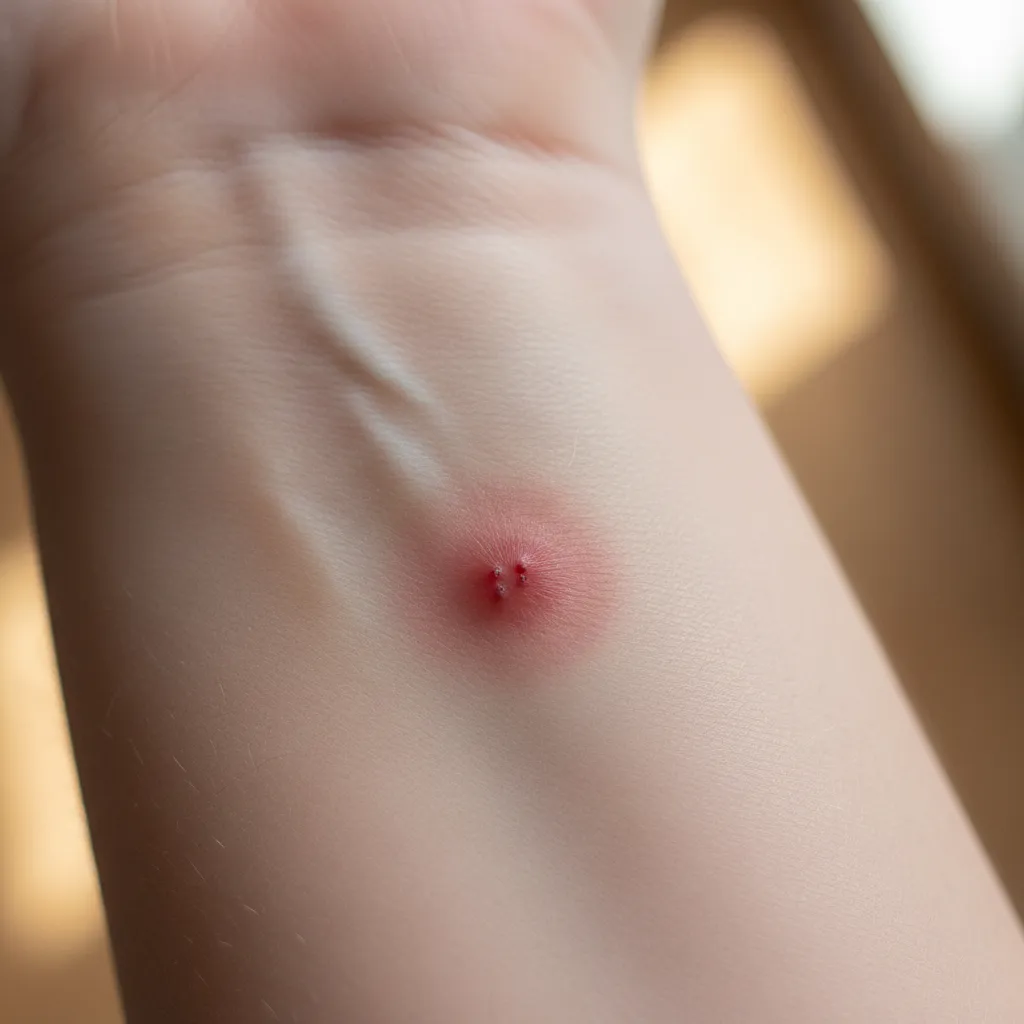
Common Benign Bite Symptoms
For the vast majority of spider bites encountered in Auckland, symptoms are mild and localized. These often include:
- Minor Redness and Swelling: A small, reddish bump or welt around the bite site, similar to a mosquito bite.
- Itching or Mild Pain: A localised itching sensation or a dull, throbbing pain that is usually not severe.
- Small Puncture Marks: Sometimes, two tiny puncture marks may be visible, though this is not always the case.
- Discomfort: General irritation at the bite site that typically subsides within hours to a few days.
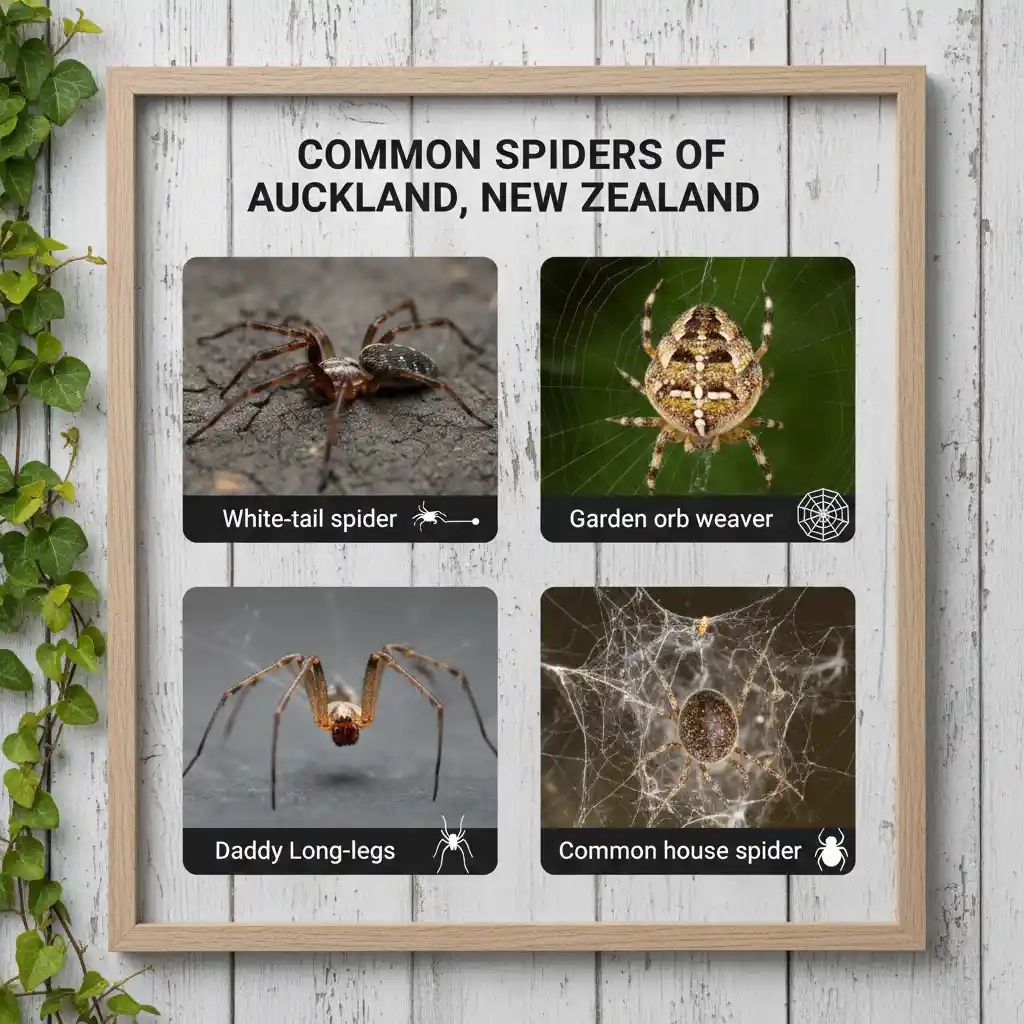
These symptoms are characteristic of bites from common house spiders, such as daddy long-legs, common house spiders, and garden orb weavers, which are prevalent throughout Auckland. Their venom is not considered medically significant to humans.
Symptoms of More Concerning Bites (White-tail Spider)
While New Zealand lacks highly venomous spiders like those found in Australia, the white-tail spider (Lampona cylindrata and Lampona murina) is often associated with more noticeable and sometimes concerning symptoms, though its danger is frequently exaggerated. If bitten by a white-tail spider, symptoms may include:
- Initial Stinging Pain: Often described as an immediate, sharp sting, followed by a burning or itching sensation.
- Localized Swelling and Redness: More pronounced than benign bites, potentially spreading slightly.
- Blistering or Ulceration (Rare): In a small percentage of cases, some individuals may develop a blister or, very rarely, a necrotic lesion (skin ulceration) at the bite site. It’s important to note that the link between white-tail spider bites and necrotic ulcers is a subject of ongoing debate in the medical community, with many experts suggesting other causes for such severe reactions.
- Systemic Symptoms (Extremely Rare): Nausea, headache, or flu-like symptoms are exceedingly rare but have been reported in highly sensitive individuals.
It’s crucial not to panic if you suspect a white-tail bite. Most reactions are mild and resolve without severe complications. Proper first aid and monitoring are usually sufficient.
Distinguishing Spider Bites from Other Insect Bites
Differentiating spider bites from other insect bites (mosquitoes, fleas, bed bugs) or even skin infections can be tricky. Here are some pointers:
- Onset: Spider bites often present with immediate pain or itching, whereas some insect bites (like bed bugs) may appear hours later.
- Appearance: Spider bites are typically a single lesion, while flea or bed bug bites often appear in clusters or lines.
- Context: Consider where you were when bitten. Spiders are often found in dark, undisturbed areas.
Immediate First Aid for Spider Bites
Administering prompt and correct first aid can significantly reduce discomfort and prevent potential complications from a spider bite. Even if you’re unsure if it’s a spider bite, these steps are generally safe and beneficial for most minor skin irritations.
Cleaning the Wound
The first and most critical step is to thoroughly clean the bite area. This helps prevent secondary bacterial infections, which are often a greater risk than the venom itself.
- Wash Gently: Use mild soap and water to gently clean the wound and the surrounding skin.
- Rinse Thoroughly: Ensure all soap residue is rinsed away.
- Pat Dry: Gently pat the area dry with a clean cloth.
Pain Relief and Reducing Inflammation
Once cleaned, focus on alleviating pain and reducing swelling.
- Cold Compress: Apply a cold compress or ice pack wrapped in a cloth to the bite site for 10-20 minutes at a time, several times a day. This helps constrict blood vessels, reduce swelling, and numb the area.
- Elevate: If the bite is on a limb, elevate it to a position above the heart if possible. This can further help reduce swelling.
- Over-the-Counter Medications: For pain relief, consider over-the-counter pain relievers like paracetamol (acetaminophen) or ibuprofen, following dosage instructions carefully.
- Antihistamines: Oral antihistamines (e.g., loratadine, cetirizine) can help reduce itching and minor swelling. Topical corticosteroid creams (e.g., hydrocortisone) can also be applied to alleviate itching, but avoid broken skin.
Monitoring the Bite Site
Vigilant monitoring is essential to track the bite’s progression and identify any signs of worsening symptoms or infection. Observe the bite site daily for changes in:
- Size and Redness: Is the area getting larger or redder?
- Pain Level: Is the pain increasing, or becoming more severe?
- Pus or Discharge: Any signs of pus, fluid leakage, or an unpleasant smell could indicate infection.
- Blistering or Ulceration: While rare, watch for any development of blisters or open sores.
Take photos of the bite daily to easily track changes. If you notice any concerning developments, it’s time to seek medical advice.
When to Seek Medical Attention for Spider Bites
While most spider bites in Auckland are not medical emergencies, knowing when to escalate care is vital. Prompt medical attention can prevent complications, especially in vulnerable individuals.
Warning Signs Requiring Medical Attention
Consult a doctor or seek urgent care if you experience any of the following:
- Worsening Pain or Swelling: If the pain becomes severe, or the swelling spreads rapidly beyond the immediate bite area.
- Spreading Redness or Red Streaks: This could indicate a spreading infection (cellulitis).
- Pus or Foul-Smelling Discharge: Clear signs of a bacterial infection.
- Open Sore or Ulceration: If the bite site develops an open wound that doesn’t heal or appears to be getting worse.
- Systemic Symptoms: Fever, chills, body aches, nausea, vomiting, dizziness, headache, or widespread rash – these indicate a more significant reaction, potentially systemic.
- Difficulty Breathing or Swallowing: Although extremely rare with New Zealand spiders, these are signs of a severe allergic reaction (anaphylaxis) and require immediate emergency medical care (call 111).
- Symptoms in Vulnerable Groups: Special consideration should be given to young children, the elderly, or individuals with compromised immune systems, as their reactions can be more severe.
Vulnerable Groups and Special Considerations
Certain populations are more susceptible to severe reactions or complications from spider bites:
- Children: Their smaller body mass can mean a higher concentration of venom, and they may not be able to articulate symptoms clearly.
- Elderly: Older adults may have weaker immune systems or underlying health conditions that complicate recovery.
- Immunocompromised Individuals: Those with conditions like diabetes, HIV, or who are undergoing chemotherapy may have impaired healing or a higher risk of infection.
- Allergic Individuals: Anyone with a history of severe allergic reactions to insect stings or bites should be extra cautious.
If a vulnerable person is bitten, it’s often prudent to seek medical advice sooner rather than later, even if symptoms initially appear mild.
Emergency Services Contact
In cases of severe allergic reactions (e.g., anaphylaxis with difficulty breathing, widespread hives, swelling of the face/throat) or if you suspect a bite from a highly venomous species (though rare in Auckland, such as an imported redback or funnel-web), **immediately call 111** for emergency medical assistance. When in doubt about the severity, especially for children, contact Healthline (0800 611 116) or your GP.
Common Spiders in Auckland and Their Bites
Auckland is home to numerous spider species, most of which are harmless to humans. Understanding the types you might encounter can help manage fear and ensure appropriate action if a bite occurs. New Zealand does not have native spiders that pose a significant threat to human life, unlike Australia.
White-tail Spider (Lampona cylindrata & Lampona murina)
The white-tail spider is perhaps the most infamous spider in New Zealand due to widespread anecdotal reports of its bites causing necrotic lesions. They are sleek, dark grey to black, with a distinctive white spot or stripe on their tail. They prefer to live indoors in crevices and under bark outdoors.
- Bite Characteristics: Bites are often described as initially painful, similar to a bee sting. While the link to severe skin ulceration is largely unsubstantiated by scientific evidence, local redness, swelling, and itching are common. In rare cases, blistering might occur.
- Medical Consensus: Current medical consensus in New Zealand and Australia suggests that most white-tail spider bites result in minor, localized reactions that heal without complications. Severe necrotic arachnidism is extremely rare and often attributed to other causes, such as secondary bacterial infections or unrelated skin conditions.
Garden Orb Weavers, Daddy Long-legs, and Common House Spiders
These spiders are ubiquitous in Auckland and are largely harmless.
- Garden Orb Weavers: These large, often colourful spiders build impressive circular webs, typically outdoors. They are reluctant to bite, and their venom is mild, causing only a minor sting and localized irritation if a bite occurs.
- Daddy Long-legs (Pholcidae): Commonly found in homes, these spiders have long, thin legs and small bodies. Despite myths, their fangs are too small to penetrate human skin effectively, and their venom is harmless to humans.
- Common House Spiders (Steatoda spp.): Often confused with true black widows (which are not native to NZ), these spiders are typically dark brown or black with a round abdomen. Bites are rare and usually cause mild, localized pain and redness.
It’s important to differentiate these harmless spiders from more concerning species found elsewhere, which often leads to unnecessary panic.
Effective Spider Bite Prevention Strategies for Auckland Homes
Prevention is always better than cure, especially when it comes to managing spiders in and around your Auckland home. Implementing a few simple strategies can significantly reduce your chances of encountering spiders and, consequently, getting bitten.
Sealing Entry Points
Spiders often enter homes through small cracks and openings. Making your home less accessible is a key preventative measure.
- Seal Cracks and Gaps: Inspect your home’s foundation, walls, and around windows and doors for any cracks or gaps. Use caulk to seal these openings.
- Install/Repair Screens: Ensure all windows and doors have well-fitting screens that are free of tears.
- Door Sweeps: Install door sweeps on exterior doors to prevent spiders from crawling underneath.
Decluttering and Regular Cleaning
Spiders love dark, undisturbed places. Regular cleaning and decluttering remove their preferred habitats and food sources.
- Vacuum and Dust Regularly: Pay attention to corners, under furniture, behind curtains, and in closets where spiders often build webs.
- Reduce Clutter: Keep storage areas, basements, and attics tidy. Store items in sealed plastic containers rather than cardboard boxes, which spiders can easily penetrate.
- Remove Webs: Regularly sweep away cobwebs, both indoors and outdoors.
Garden and Exterior Maintenance
Your garden can be a major source of spiders. Maintaining the exterior of your home can keep them from venturing indoors.
- Trim Vegetation: Keep shrubs, trees, and vines trimmed away from the exterior walls of your house. Spiders can use these as bridges to get indoors.
- Remove Debris: Clear away leaf litter, woodpiles, compost heaps, and other garden debris near your home. These provide excellent hiding spots for spiders.
- Check Outdoor Lighting: Outdoor lights can attract other insects, which in turn attract spiders looking for food. Consider using yellow or sodium vapour bulbs, which are less attractive to insects.
Professional Pest Control Services
For persistent spider problems, especially with species like the white-tail, professional pest control can be an effective solution. Local Auckland pest control services understand the specific spider challenges in the region.
- Targeted Treatments: Professionals can apply targeted treatments that effectively reduce spider populations around your home.
- Identification and Advice: They can identify specific spider species and offer tailored advice for long-term prevention.
- Safe Application: Ensure any pest control service uses methods safe for pets and children.
While prevention is key, remember that a few spiders in your home are normal and generally harmless. For further reading on New Zealand spiders, you can consult Te Ara – The Encyclopedia of New Zealand.

Debunking Common Spider Bite Myths
Misinformation about spider bites is rampant, often leading to unnecessary fear and incorrect treatment. Let’s clarify some common myths relevant to Auckland residents.
- Myth: All spider bites are dangerous.
Reality: The vast majority of spider bites in Auckland, and indeed worldwide, are harmless. Most result in minor irritation, redness, and swelling, similar to a mosquito bite. Only a tiny fraction of spider species have venom potent enough to cause significant harm to humans. - Myth: White-tail spider bites always cause necrotic ulcers.
Reality: This is a persistent and largely debunked myth. While some individuals may experience a more pronounced local reaction, including blistering, scientific and medical evidence overwhelmingly indicates that white-tail spider bites rarely, if ever, lead to severe necrotic lesions. Such ulcers are more commonly caused by bacterial infections, certain medical conditions, or other factors unrelated to spider venom. For more detailed information, reputable health organisations like the New Zealand Ministry of Health provide guidance. - Myth: You can always feel a spider bite.
Reality: While some bites, particularly from larger spiders, may cause an immediate sharp sensation, many go unnoticed. Bites can occur while sleeping or when a spider is trapped against the skin, resulting in delayed awareness. - Myth: Spiders are aggressive and actively seek to bite humans.
Reality: Spiders are generally shy creatures and will only bite defensively if they feel threatened, trapped, or if their web is disturbed. They do not actively hunt humans. - Myth: You can identify the spider by the bite mark alone.
Reality: It is almost impossible to identify a specific spider species based solely on the appearance of a bite. Bite reactions vary greatly between individuals and depend on numerous factors. If possible and safe, collecting the spider for professional identification is the most reliable method, but this is rarely necessary for treatment.
Understanding these truths helps reduce anxiety and ensures that focus remains on appropriate first aid and medical care when necessary.
By following these guidelines for recognizing symptoms, administering first aid, understanding when to seek medical help, and implementing effective prevention strategies, Auckland residents can confidently manage spider bites and maintain a safe, comfortable home environment. While spiders are a natural part of our ecosystem, being informed and prepared is your best defence.
People Also Ask About Spider Bites in Auckland
What does a white-tail spider bite look like in Auckland?
A white-tail spider bite typically appears as a red, itchy, or painful bump, often with an initial stinging sensation. While widely associated with necrotic ulcers, medical evidence suggests severe skin damage is rare; most bites result in minor, localized reactions that heal within a few days.
When should I go to the doctor for a spider bite in Auckland?
You should seek medical attention if the bite area shows signs of increasing pain, spreading redness, significant swelling, pus, blistering, or an open sore. Additionally, if you experience systemic symptoms like fever, chills, body aches, or a widespread rash, or if the bite is on a young child, elderly person, or someone with a compromised immune system, consult a doctor.
Are there any dangerous spiders in Auckland?
New Zealand does not have native spiders that are considered highly dangerous to humans, unlike those found in Australia. The white-tail spider is often considered the most concerning due to its bite, but severe reactions are rare and largely anecdotal. Common house spiders, daddy long-legs, and garden orb weavers are largely harmless.
How can I prevent spider bites in my Auckland home?
To prevent spider bites, seal cracks and gaps in your home’s foundation, windows, and doors. Regularly clean and declutter living spaces, removing cobwebs and reducing potential hiding spots. Keep your garden tidy by trimming vegetation away from your house and clearing debris. Consider professional pest control for persistent issues.
What is the immediate first aid for a spider bite?
For immediate first aid, clean the bite area gently with soap and water. Apply a cold compress or ice pack wrapped in a cloth to reduce swelling and pain. Elevate the affected limb if possible. Over-the-counter pain relievers and antihistamines can help manage discomfort and itching.
Can a spider bite get infected?
Yes, a spider bite can get infected, often due to scratching the area with unclean hands or if the skin barrier is broken. Bacterial infections are a more common cause of severe symptoms and skin damage than the spider venom itself. Watch for increasing redness, warmth, swelling, pus, or a foul smell, and seek medical attention if these occur.