Termite inspection and treatment in Auckland are essential services designed to protect properties from the devastating damage caused by subterranean termites, which thrive in New Zealand’s climate. Professionals employ advanced detection methods and targeted treatment strategies to eradicate active infestations and establish robust long-term protection, safeguarding your home or business.
Unmasking the Enemy: Signs of Termite Activity
Identifying termite activity early is crucial for preventing extensive and costly structural damage to your Auckland property. Termites, often called “silent destroyers,” can work undetected for years, making vigilance paramount. Knowing what to look for can empower property owners to act swiftly when suspicion arises. Ignoring these subtle indicators can lead to severe structural compromise and diminished property value.
Mud Tubes on Foundations or Walls
One of the most definitive signs of subterranean termites is the presence of mud tubes. These pencil-sized tunnels are constructed by termites from soil, wood, and saliva to protect themselves from predators and dry environments as they travel between their underground colony and your home’s wooden structures. Look for these tubes on concrete foundations, crawl spaces, basement walls, or even inside drywall.
Discarded Wings Near Windows or Doors
Termite swarmers, or ‘alates,’ are reproductive termites that leave the colony to establish new ones. After they find a mate and a suitable location, they shed their wings. Finding small, translucent wings resembling fish scales near windowsills, doors, or light sources, especially after a warm, humid day, is a strong indicator of a nearby termite colony. These swarms often occur during specific times of the year, particularly in Auckland’s warmer months.
Damaged or Hollow-Sounding Wood
Termites consume wood from the inside out, leaving a thin veneer of paint or wood. If you tap on wooden structures like floorboards, skirting boards, or doorframes and they sound hollow, it could be a sign of termite damage. Further investigation might reveal galleries or tunnels within the wood itself. Probing suspected areas with a screwdriver can sometimes expose these hidden pathways.
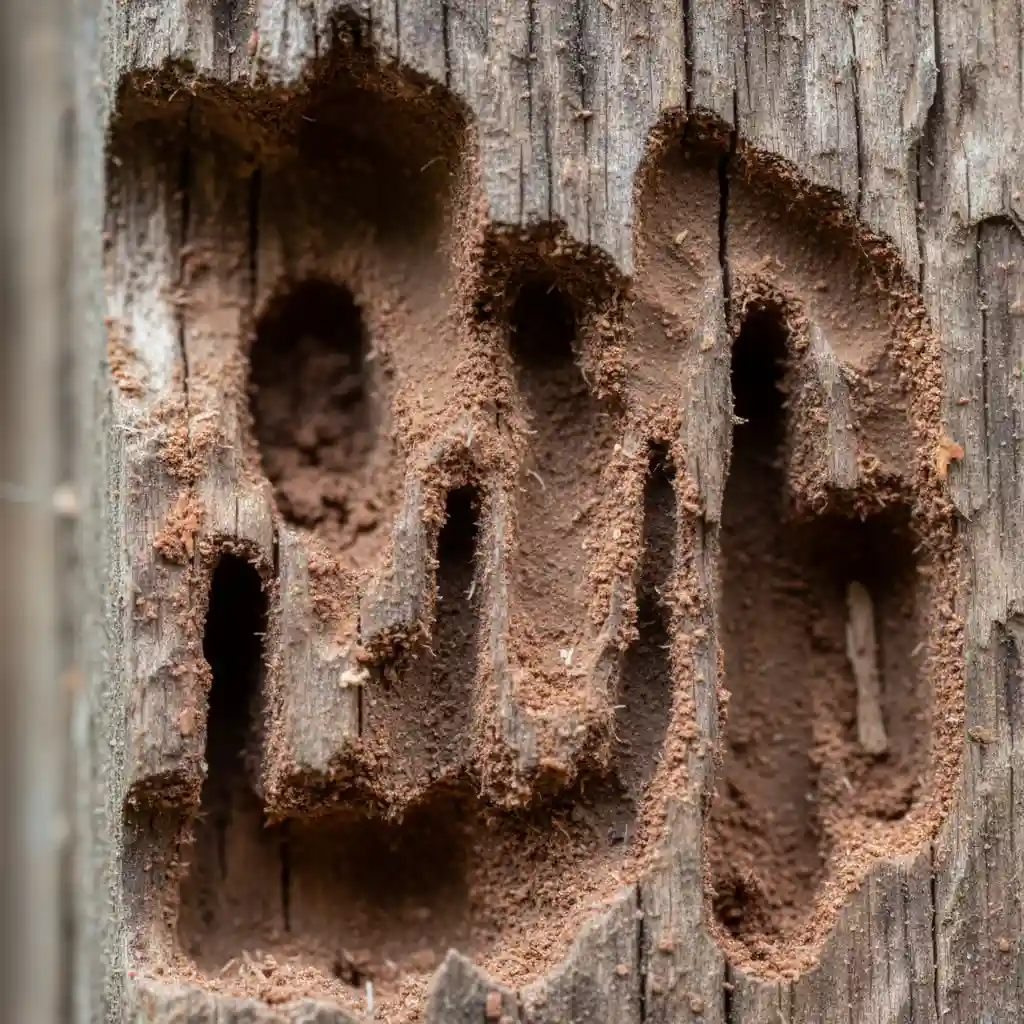
Other less obvious signs include distorted paint or wallpaper, which may indicate termites tunneling just beneath the surface, or small holes in drywall where termites have chewed through. Sometimes, a faint, musty odour similar to mildew can also be present in areas with heavy termite activity, particularly if moisture is also a factor. Recognizing these early warning signs can be the difference between a minor treatment and extensive, expensive repairs.
Frass (Termite Droppings)
While subterranean termites don’t typically expel frass in visible piles, drywood termites (less common but present in some parts of NZ) do. Frass appears as tiny, pellet-like droppings, often resembling sawdust or coffee grounds, near infested wood. If you notice small mounds of these pellets, particularly in areas like attics or wooden furniture, it warrants immediate investigation.
Beyond the Surface: Comprehensive Termite Inspections in Auckland
Given the destructive potential of termites, a professional, comprehensive termite inspection is the cornerstone of effective pest management in Auckland. These aren’t just superficial checks; they are meticulous assessments designed to uncover hidden infestations and potential risk areas, providing peace of mind to homeowners and safeguarding their investments.
The Importance of Professional Expertise
DIY termite checks are rarely sufficient. Experienced termite inspectors possess specialized knowledge of termite biology, behaviour, and common infestation patterns specific to Auckland’s climate and building types. They understand where termites are most likely to enter a property and the subtle signs often missed by the untrained eye. Their expertise allows for a thorough assessment, distinguishing termite activity from other wood-destroying organisms.
What an Inspector Looks For
A comprehensive inspection covers all accessible areas of a property, both interior and exterior:
- Interior: Inspectors examine subfloors, roof voids (attics), basements, skirting boards, door frames, window frames, kitchen and bathroom cabinetry, and any timber in contact with the ground. They look for mud tubes, damaged wood, discarded wings, and listen for hollow sounds.
- Exterior: The focus extends to foundations, exterior walls, decks, verandas, fences, garden beds, retaining walls, sheds, and any timber elements near the soil line. Inspectors also assess drainage issues, woodpiles, tree stumps, and other environmental factors that attract termites.
Advanced Detection Tools
Modern termite inspections utilize a range of sophisticated tools to enhance detection capabilities:
- Moisture Meters: Termites are drawn to moisture. These devices help locate areas of elevated moisture content in walls or floors, which can indicate termite activity or conditions conducive to it.
- Thermal Imaging Cameras: While not seeing termites directly, thermal cameras can detect heat signatures associated with active termite colonies due to their metabolic activity, even behind walls. This non-invasive technology helps pinpoint areas for further investigation.
- Termite Detection Devices: Acoustic or radar-based tools can sometimes detect the faint sounds or vibrations of termites chewing within timber.
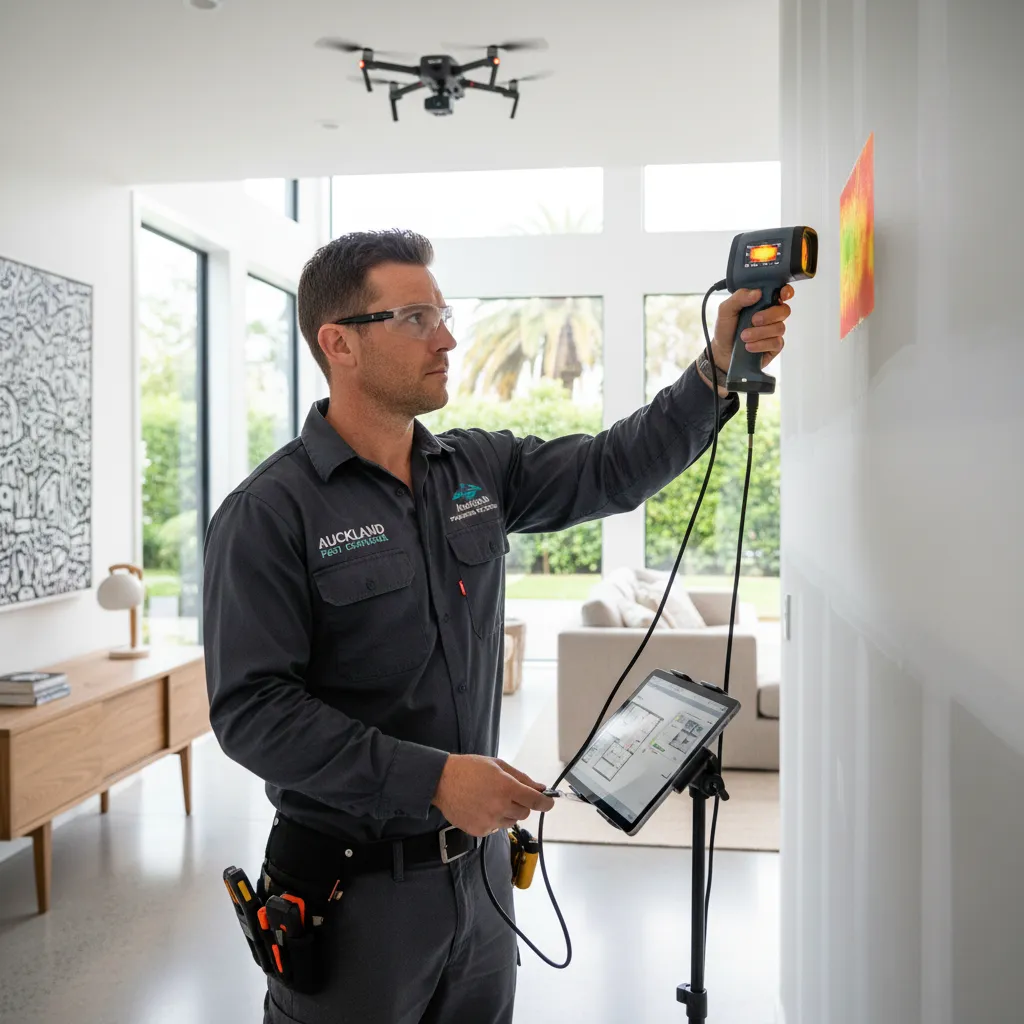
Upon completion, a detailed report is provided, outlining any findings, identifying species (if possible), noting conducive conditions, and recommending a tailored treatment plan. This report is vital for understanding the scope of any problem and guiding the next steps.
Eradication Strategies: Effective Termite Treatment Options
Once termites are detected, selecting the most appropriate and effective treatment method is paramount. Professional pest control companies in Auckland offer a range of solutions tailored to the specific type of termite, the extent of the infestation, and the property’s unique characteristics. The goal is complete eradication and preventing future incursions.
Chemical Barrier Treatments
One of the most common and effective methods involves creating a continuous chemical barrier around the perimeter of the property. Liquid termiticides, such as fipronil or imidacloprid-based products, are applied to the soil adjacent to the foundation, creating a treated zone that termites cannot penetrate. Termites attempting to cross this barrier are exposed to the active ingredient, which they then carry back to their colony, leading to widespread mortality. This method offers immediate protection and can last for several years, providing a robust defence. For more details on common pest control methods, refer to resources like Wikipedia’s page on Pest Control.
Termite Baiting Systems
Baiting systems offer an alternative, often less invasive, approach. These systems involve placing bait stations containing a slow-acting termiticide around the property. Foraging termites discover the bait, consume it, and share it with other colony members, including the queen, ultimately leading to the colony’s gradual decline and elimination. Baiting systems are particularly effective for monitoring termite activity and can be used as a standalone treatment or in conjunction with chemical barriers. They are a discreet option, ideal for properties where extensive digging for a liquid barrier is undesirable.
Direct Colony Treatment
In cases where specific termite activity points are identified (e.g., inside wall cavities, active mud tubes), direct colony treatment may be employed. This involves applying termiticide dusts, foams, or non-repellent liquids directly into the infested areas. The aim is to eliminate the active termites quickly at the source and disrupt their pathways, providing rapid knockdown in localized areas. This method is often used as a supplementary treatment alongside broader barrier or baiting systems.
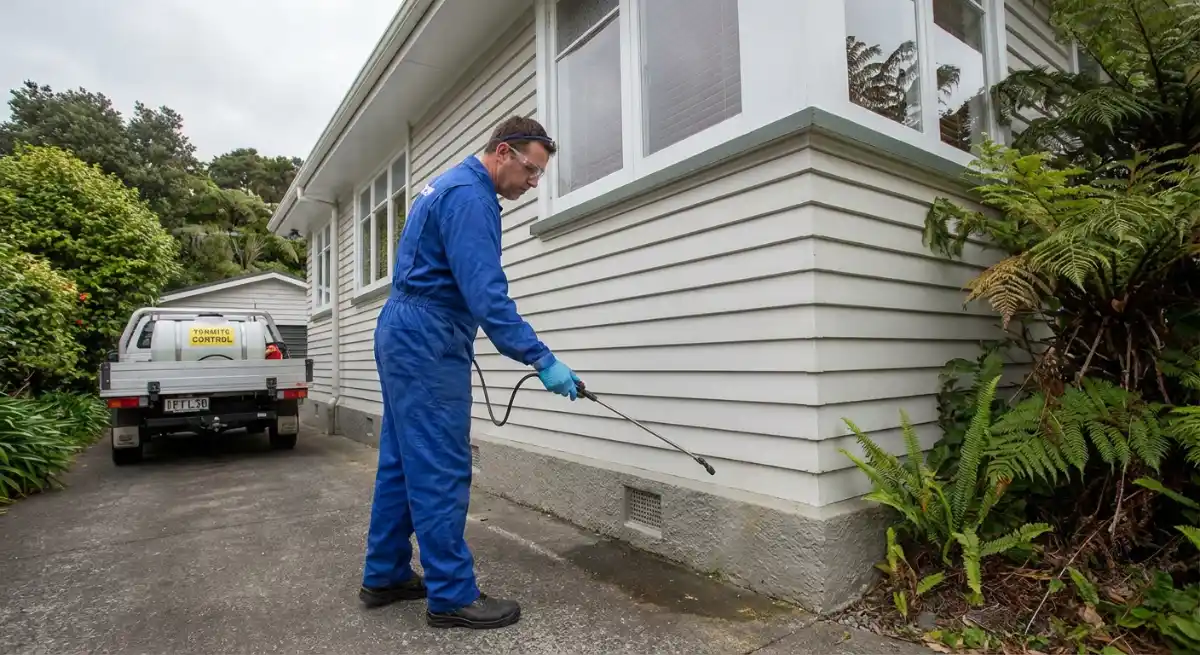
The choice of treatment depends on factors like termite species, property construction, environmental considerations, and budget. A professional termite expert will assess your situation and recommend the most suitable strategy, often combining methods for maximum effectiveness. Ongoing monitoring is typically recommended after any treatment to ensure complete eradication and detect any new activity.
Securing Your Investment: Long-Term Termite Protection Plans
Termite eradication is only half the battle; ensuring long-term protection against future infestations is equally critical. Given Auckland’s conducive climate for termites, a proactive and ongoing protection plan is the most effective way to safeguard your property against these relentless pests. These plans offer continuous monitoring, regular maintenance, and peace of mind.
Ongoing Monitoring and Re-inspections
The foundation of any robust long-term protection plan is regular monitoring. Even after a successful treatment, new termite colonies can emerge or existing ones can find new entry points. Professional pest control services typically include annual or bi-annual re-inspections. During these visits, technicians meticulously check for any new signs of activity, re-evaluate conducive conditions, and ensure that previous treatments remain effective. This continuous vigilance is essential, especially in high-risk areas.
Environmental Modifications and Preventative Measures
While chemical treatments and baits are effective, addressing environmental factors that attract termites significantly enhances long-term protection. This includes:
- Moisture Control: Repairing leaky pipes, ensuring proper drainage away from foundations, and improving ventilation in subfloors and attics reduces the moisture termites need to thrive.
- Reducing Wood-to-Soil Contact: Removing any timber, trellises, or garden beds that directly contact the soil and your home’s foundation.
- Eliminating Food Sources: Clearing away woodpiles, old tree stumps, and excess timber debris from around the property.
- Sealing Entry Points: Sealing cracks in foundations and ensuring proper sealing around pipes and utility entry points can block potential access routes for termites.
Adopting these preventative measures in conjunction with professional treatments creates a multi-layered defence system.
Annual Service Agreements and Warranties
Many pest control companies offer annual service agreements that include regular inspections, ongoing monitoring, and often, a warranty on their treatments. These agreements ensure that your property remains protected year-round, with any new activity addressed promptly and effectively without additional major costs. A warranty typically covers re-treatment should termites reappear within the specified period, offering significant financial protection.
Investing in a comprehensive long-term termite protection plan is not just an expense; it’s a critical investment in the structural integrity and value of your Auckland property. It ensures that your home or business remains free from the threat of termites, saving you from potentially devastating repair costs down the line. Consult with local Auckland pest control experts to devise a tailored protection strategy that suits your property’s specific needs and risks.
Protecting your property from termites is a continuous commitment, especially in Auckland’s climate where these pests are a persistent threat. By understanding the signs of activity, engaging in professional inspections, implementing targeted treatments, and maintaining a robust long-term protection plan, you can effectively safeguard your home or business. Don’t wait for visible damage; proactive measures are your best defence against the silent destroyers.
People Also Ask (FAQ)
How much does a termite inspection cost in Auckland?
The cost of a termite inspection in Auckland can vary depending on the size and type of property, its accessibility, and the specific pest control company. Typically, prices range from $150 to $400 for a comprehensive inspection. Many companies offer free quotes, and some may include the inspection cost as part of a larger treatment package.
What are the common signs of termites in Auckland homes?
Common signs of termites in Auckland homes include mud tubes on foundations or walls, discarded wings near windows or doors, hollow-sounding timber when tapped, distorted paint or wallpaper, and sometimes a faint musty odour. Early detection through these signs is critical.
How often should I get my home inspected for termites in NZ?
Given New Zealand’s climate, it is generally recommended to have your home inspected for termites at least once a year by a qualified professional. In high-risk areas or if you’ve had previous infestations, bi-annual inspections might be advisable to ensure continuous protection.
Are DIY termite treatments effective in Auckland?
DIY termite treatments are generally not recommended or effective in Auckland. Termites are complex pests, and complete eradication requires specialized knowledge, equipment, and professional-grade termiticides. Improper DIY attempts can scatter colonies or provide only temporary relief, leading to more extensive and costly damage in the long run.
What’s the difference between termite baiting and chemical barriers?
Termite baiting systems involve placing stations with slow-acting termiticide around the property, which termites consume and share, leading to colony elimination. Chemical barriers, on the other hand, involve applying liquid termiticide to the soil around the foundation, creating a treated zone that repels or kills termites upon contact, providing immediate protection.
How long does professional termite treatment last?
The longevity of professional termite treatment depends on the method used, the termiticide product, and environmental factors. Chemical barriers can last from 5 to 10 years, while baiting systems require ongoing monitoring and replenishment. Most reputable companies offer warranties and recommend annual re-inspections to maintain efficacy.