Termite Inspection & Treatment in Auckland is crucial for protecting properties from significant structural damage caused by these destructive pests. Effective strategies involve thorough professional inspections to identify activity and implementing targeted treatment solutions, followed by robust long-term protection plans tailored to Auckland’s unique environmental conditions.
Signs of Termite Activity: Early Detection for Auckland Homes
Recognising the subtle, and sometimes overt, signs of termite activity is the first critical step in safeguarding your Auckland property. Termites are notoriously secretive, often working undetected for years, causing extensive damage before their presence becomes obvious. Given Auckland’s temperate, humid climate, which is highly conducive to termite proliferation, vigilance is paramount. Early detection can significantly reduce repair costs and prevent irreversible structural compromise.
Understanding the Threat: Why Auckland is Vulnerable
Auckland’s environmental conditions, characterised by mild winters and humid summers, create an ideal breeding ground for subterranean termites, the most common and destructive species found in New Zealand. These pests thrive in moist environments and are constantly searching for cellulose, which is abundant in the timber framing, flooring, and other wood-based materials found in most homes and commercial buildings across the region. The presence of older timber structures, coupled with modern building practices that can sometimes create concealed entry points, further exacerbates the risk.
Common Visual Cues of Termite Infestation
While termites hide, they do leave tell-tale signs. Homeowners should regularly inspect accessible areas for these key indicators:
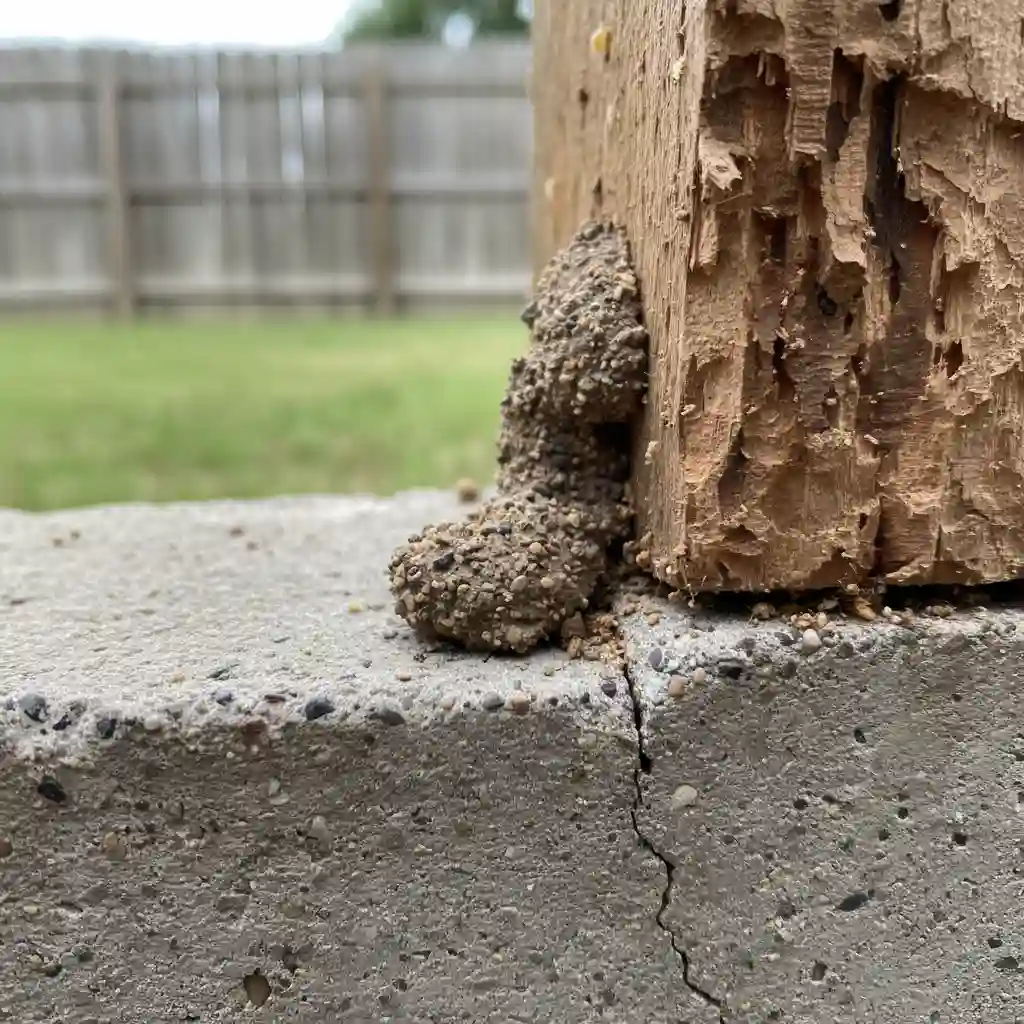
- Mud Tubes: These pencil-sized tunnels, often found on foundations, walls, or wooden beams, are subterranean termites’ protected pathways between their underground colony and your home’s timber. They are made of soil and wood particles.
- Damaged Wood: Tap on wooden structures. If it sounds hollow or papery, or if you notice blistering or sagging wood, it could indicate internal tunnelling by termites. This damage is often hidden beneath paint or wallpaper.
- Discarded Wings: After a termite swarm, you might find piles of translucent, shed wings near windows, doors, or light sources. Swarmers are reproductive termites leaving the nest to establish new colonies.
- Frass (Termite Droppings): While mainly associated with drywood termites (less common but still a concern in parts of NZ), these tiny, pellet-like droppings, often resembling sawdust or coffee grounds, can be found near infested wood.
Subtle Indicators That Demand Attention
Beyond the obvious, some subtle changes in your property can hint at a termite problem:
- Stuck Windows or Doors: As termites consume timber, they introduce moisture into the wood, causing it to warp and swell. This can make opening windows and doors difficult, mimicking signs of humidity or foundation issues.
- Tunnels in Wood: Carefully inspect any exposed wood for maze-like tunnels or galleries. This is a clear sign of termite activity.
- Unusual Odour: Some people report a faint, musty, or mildew-like odour emanating from walls or floors, which can be attributed to the moist environment created by an active termite colony.
- Noises: In very quiet environments, you might hear faint clicking sounds coming from walls, which are the termites moving and chewing.
The Importance of Professional Assessment
Even if you identify some of these signs, accurately diagnosing a termite infestation requires the expertise of a professional. DIY attempts often fail to address the root cause, leading to continued damage. A qualified pest control specialist understands termite behaviour, knows where to look, and can differentiate termite damage from other wood-boring pests or moisture issues.
Comprehensive Termite Inspections: Uncovering Hidden Dangers
A thorough termite inspection is the cornerstone of effective pest management in Auckland. It’s not just about finding existing termites; it’s about identifying conditions conducive to infestations and developing a strategic plan for prevention or eradication. For homeowners and businesses in Auckland, a professional inspection provides invaluable peace of mind and protection for their most significant investment.
Why Professional Inspections are Non-Negotiable
Unlike other pests, termites rarely reveal their full extent until significant damage has occurred. A professional inspector possesses the training, experience, and specialised tools to detect hidden colonies, assess the severity of an infestation, and pinpoint potential entry points that are often overlooked by the untrained eye. Attempting a DIY inspection can lead to critical oversights, allowing a termite problem to escalate silently.
The Inspection Process: What to Expect
A comprehensive termite inspection typically involves a meticulous examination of both the interior and exterior of your property:
- Exterior Inspection: The inspector will examine the foundation, perimeter, crawl space vents, decks, patios, and landscaping for signs of mud tubes, damaged wood, and conducive conditions like wood-to-ground contact or excessive moisture. They will check utility entry points and any timber features.
- Interior Inspection: Inside, the focus shifts to areas prone to moisture and wood exposure, including basements, subfloors, attics, garages, utility rooms, and areas around plumbing. Walls, ceilings, floors, and window/door frames will be scrutinised for any visible or subtle signs of termite activity or damage.
- Accessible Areas: All accessible wooden elements, from structural timbers to skirting boards and door frames, will be tapped and visually inspected.
The inspector will also assess any environmental factors contributing to potential termite problems, such as poor drainage, leaky pipes, or excessive vegetation near the foundation.
Advanced Inspection Technologies
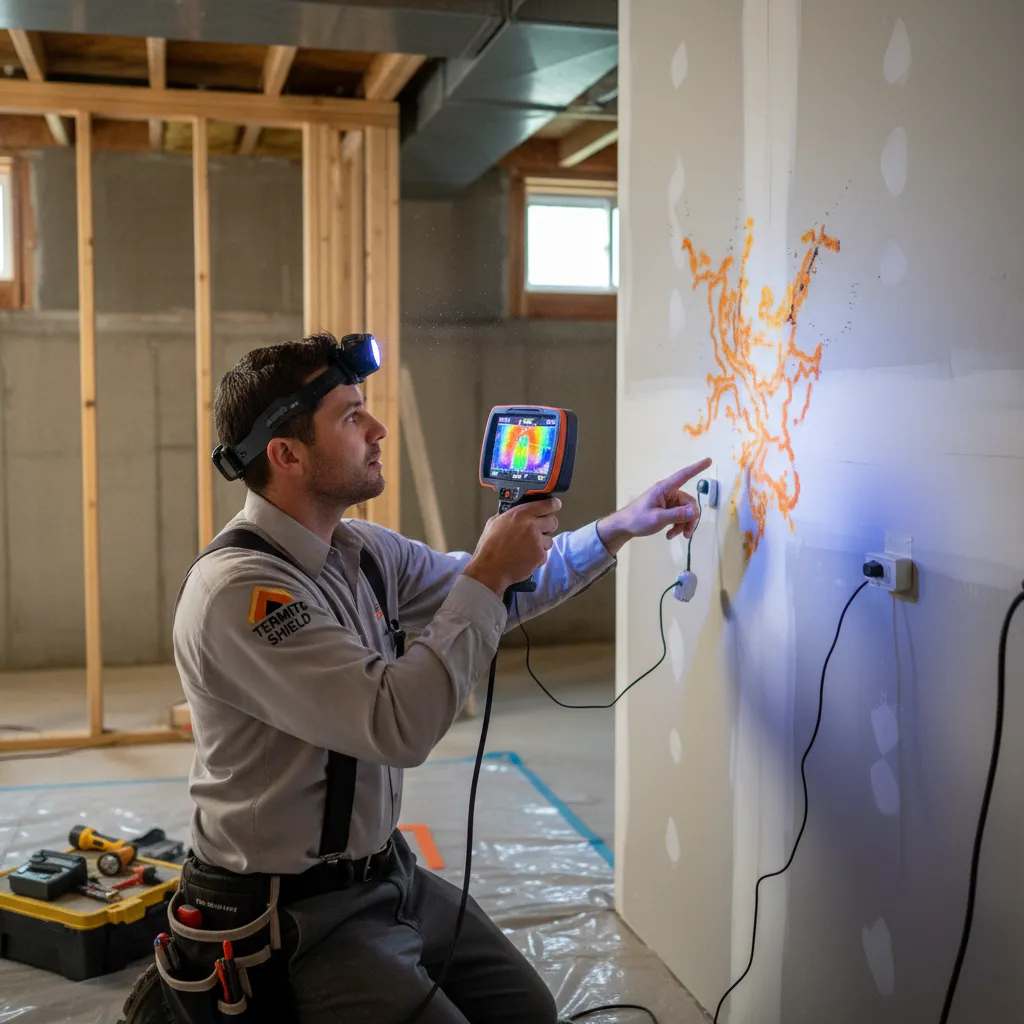
Modern termite inspections often go beyond visual checks, utilising advanced technologies to detect hidden threats:
- Moisture Meters: Termites are drawn to moisture. These devices help inspectors locate areas of elevated moisture within walls or timbers, indicating potential termite activity or conditions that attract them.
- Thermal Imaging Cameras: While not directly detecting termites, thermal cameras can identify temperature differentials within walls. Active termite colonies generate heat, and their tunnels can disrupt insulation, creating thermal anomalies that guide the inspector to potential infestation sites.
- Borescopes/Endoscopes: For hard-to-reach or concealed areas, a borescope with a small camera can be inserted into tiny drilled holes to inspect wall voids or other inaccessible spaces without causing significant damage.
Regularity is Key for Auckland Properties
Given Auckland’s termite risk, annual professional inspections are highly recommended, even if no signs of activity are present. For properties with a history of termite issues or those in high-risk areas, more frequent inspections might be advisable. Regular inspections serve as an early warning system, preventing minor issues from escalating into major structural crises and ensuring that any preventative measures remain effective. Organizations like the New Zealand Ministry of Business, Innovation and Employment (MBIE) Building Performance highlight the importance of structural integrity, which includes protection from pests like termites.
Effective Termite Treatment Options: Tailored Solutions for Auckland
Once a termite infestation is confirmed in an Auckland property, selecting the appropriate treatment strategy is paramount for effective eradication and long-term protection. There is no one-size-fits-all solution; the best approach depends on the termite species, the severity and location of the infestation, and the specific characteristics of your property. Professional pest control experts in Auckland offer a range of proven methods to tackle these destructive pests.
Chemical Barrier Treatments: A Proven Defence
Chemical barrier treatments involve applying liquid termiticides to the soil around the foundation of a structure. This creates an undetectable chemical barrier that termites cannot penetrate. When termites forage through treated soil, they either die upon contact or carry the termiticide back to the colony, transferring it to other termites through grooming and feeding, leading to a domino effect of mortality.
- Perimeter Treatment: This involves trenching and treating the soil immediately adjacent to the building’s foundation.
- Subfloor/Sub-slab Injection: For properties with concrete slabs or enclosed subfloors, termiticides can be injected directly into the soil beneath, forming a continuous barrier.
- Active Ingredients: Modern termiticides are highly effective, often containing non-repellent active ingredients like fipronil or chlorantraniliprole, which termites cannot detect, ensuring they unknowingly pass through the treated zone.
These barriers can last for several years, offering robust protection.
Termite Baiting Systems: Intelligent Eradication
Termite baiting systems are an environmentally sensitive and highly effective alternative or complement to chemical barriers. These systems involve placing bait stations containing cellulose-based bait laced with a slow-acting insect growth regulator (IGR) around the perimeter of the property. Termites feed on the bait, share it with their nest mates, and the IGR disrupts their growth process, eventually leading to the collapse of the entire colony.
- Installation: Bait stations are typically installed in the ground at strategic intervals around the property, with additional stations placed directly where termite activity is detected.
- Monitoring: Regular monitoring of bait stations is crucial to detect termite activity and replenish bait as needed.
- Benefits: Baiting systems are less invasive than chemical treatments, reduce the use of liquid chemicals around the home, and are particularly effective for properties with complex foundations or drainage issues where traditional barriers might be difficult to apply.
Direct Wood Treatments: Targeted Attack
For localised infestations or as part of a broader treatment plan, direct wood treatments can be highly effective. These involve applying termiticides directly to infested timber or drilling small holes and injecting foam or dust termiticides into wall voids, galleries, or other hidden spaces where termites are active.
- Foams and Dusts: These penetrate deep into voids and crevices, reaching termites that might otherwise be inaccessible.
- Borate Treatments: Borate-based products can be applied to unfinished wood surfaces to prevent termite infestations. They penetrate the wood, creating a protective barrier that is toxic to termites when ingested. These are often used during construction or renovation.
Choosing the Right Strategy for Auckland
The decision on the best treatment method for your Auckland property should always be made in consultation with a licensed and experienced pest control professional. They will consider factors such as:
- The specific species of termite involved.
- The extent and location of the infestation.
- The construction type of your home.
- Environmental considerations and proximity to water sources.
- Your budget and long-term protection goals.
An integrated pest management (IPM) approach often combines several methods for maximum efficacy, ensuring both immediate eradication and sustained protection. Further information on pest control regulations can be found from New Zealand’s Environmental Protection Authority (EPA).
Long-Term Termite Protection Plans: Sustained Defence for Your Property
Effective termite management in Auckland extends far beyond initial inspection and treatment. To truly safeguard your property against these relentless pests, a comprehensive long-term protection plan is essential. This proactive approach ensures ongoing vigilance, addresses potential vulnerabilities, and provides continuous peace of mind that your investment is secure from future infestations.
The Value of Ongoing Monitoring
Even after successful treatment, the threat of re-infestation, especially in a high-risk area like Auckland, remains. Long-term protection plans typically include regular follow-up inspections and monitoring. This might involve:
- Scheduled Re-inspections: Annual or bi-annual visits by a pest control professional to check for any new signs of termite activity, assess the integrity of existing barriers or bait stations, and identify any new conducive conditions.
- Bait Station Servicing: For properties utilising baiting systems, ongoing monitoring and replenishment of bait are critical to maintain their effectiveness and detect new termite colonies attempting to establish themselves.
- Detailed Reporting: Professional services provide detailed reports after each visit, outlining findings, treatments applied, and recommendations for property owners to help maintain a termite-free environment.
Preventative Measures: A Proactive Approach
Beyond professional interventions, property owners play a crucial role in long-term termite prevention. Implementing these measures can significantly reduce the attractiveness of your home to termites:
- Moisture Control: Repair leaky pipes, ensure good drainage around the foundation, keep gutters clean, and address any areas of standing water. Proper ventilation in subfloors and attics is also vital to reduce humidity.
- Eliminate Wood-to-Ground Contact: Ensure no wood elements of your home, including deck posts, siding, or window frames, are in direct contact with the soil. Maintain a clear space between soil and any timber structures.
- Remove Wood Debris: Keep firewood piles, lumber, old stumps, and construction debris away from your home’s foundation. If firewood must be stored outdoors, elevate it and cover it.
- Garden and Landscaping Maintenance: Trim shrubs and trees away from the house to allow for airflow and prevent concealed termite entry. Avoid excessive mulch directly against the foundation.
- Seal Cracks: Seal any cracks in your home’s foundation or around utility entry points to deny termites easy access.
Maintenance and Environmental Control
Regular maintenance of your property’s exterior and interior is not just for curb appeal; it’s a critical component of termite prevention. This includes:
- Regularly cleaning gutters and downspouts to prevent water accumulation near the foundation.
- Ensuring proper grading around your home to direct water away from the structure.
- Fixing any timber rot or water damage promptly, as decaying wood is highly attractive to termites.
- Considering termite-resistant materials for any new construction or renovations, particularly in the subfloor or foundation areas.
Warranty and Guarantee: Your Peace of Mind
Reputable pest control companies in Auckland often provide warranties or guarantees on their termite treatments. These assurances typically cover re-treatment if termites return within a specified period and, in some cases, may even include repair guarantees for new damage. Understanding the terms of your warranty is crucial and provides an added layer of protection and confidence in your long-term termite management strategy.
Conclusion
Protecting your Auckland property from termites requires a multi-faceted approach, combining expert inspections, targeted treatments, and a commitment to long-term preventative measures. By understanding the signs of activity, entrusting your property to qualified professionals for comprehensive inspections and tailored treatments, and actively participating in ongoing prevention, you can ensure your home or business remains secure against the silent destruction of termites. Investing in professional termite inspection and treatment is an investment in the longevity and safety of your property.
People Also Ask
How often should I get a termite inspection in Auckland?
In Auckland, it’s highly recommended to get a professional termite inspection annually, especially given the region’s conducive climate for termites. Properties with a history of termite issues or those in high-risk areas might benefit from more frequent checks, typically every six months.
What is the average cost of termite treatment in Auckland?
The cost of termite treatment in Auckland varies significantly based on factors such as the severity of the infestation, the size of your property, the type of termites, and the chosen treatment method (e.g., chemical barrier, baiting system). Initial inspections may range from a few hundred dollars, with comprehensive treatments potentially costing several thousands. It’s best to get a detailed quote from a local professional.
Are there DIY options for termite control, or do I need a professional?
While some DIY products exist, professional termite control is almost always recommended. Termites are difficult to eradicate completely without expert knowledge, specialized equipment, and strong termiticides. DIY attempts often only address visible termites, leaving the main colony intact and leading to continued, unseen damage. Professionals can accurately diagnose the problem and provide effective, long-lasting solutions.
How long does termite treatment last?
The longevity of termite treatment depends on the method used. Chemical barrier treatments can remain effective for 5 to 10 years, sometimes longer, depending on the product and application. Termite baiting systems require ongoing monitoring and replenishment of bait, offering continuous protection as long as they are maintained. Long-term protection also relies on regular follow-up inspections and property maintenance.
What are the most common types of termites found in Auckland?
The most common type of termite found in Auckland and throughout New Zealand is the subterranean termite, primarily the Australian subterranean termite (Coptotermes acinaciformis). These termites live in underground colonies and build mud tubes to access food sources, posing a significant threat to timber structures.
Can termites cause structural damage to my home?
Yes, termites can cause extensive and severe structural damage to your home. They silently consume cellulose materials, including wooden beams, floor joists, wall studs, and other timber components, weakening the integrity of the structure. Over time, this can lead to sagging floors, collapsing ceilings, and compromised foundations, potentially costing tens of thousands in repairs if left untreated.