Tick removal and prevention in Auckland are crucial for safeguarding outdoor enthusiasts, families, and pets from potential health risks. Ticks, though small, can transmit pathogens and cause discomfort. Understanding their local prevalence, proper removal methods, and effective prevention strategies is essential for anyone enjoying Auckland’s natural environments.
Dangers of Ticks in Auckland
While New Zealand is not endemic for many of the serious tick-borne diseases found globally, such as Lyme disease, it is still vital for Auckland residents to be aware of the potential risks associated with tick bites. Ticks, though not always carrying severe pathogens, can cause localized skin irritation, allergic reactions, and secondary infections. Furthermore, there’s always a risk of exotic ticks being introduced, particularly via imported animals, which could potentially carry more dangerous diseases.
Auckland’s diverse environment, from lush parklands to dense bush areas, provides ideal habitats for various tick species. The most commonly encountered native tick species in New Zealand include the New Zealand cattle tick (Haemaphysalis longicornis), also known as the bush tick, which can bite humans, pets, and livestock. While these native ticks are not typically associated with the debilitating diseases found overseas, their bites can still be irritating and, in some cases, lead to complications if not properly managed.
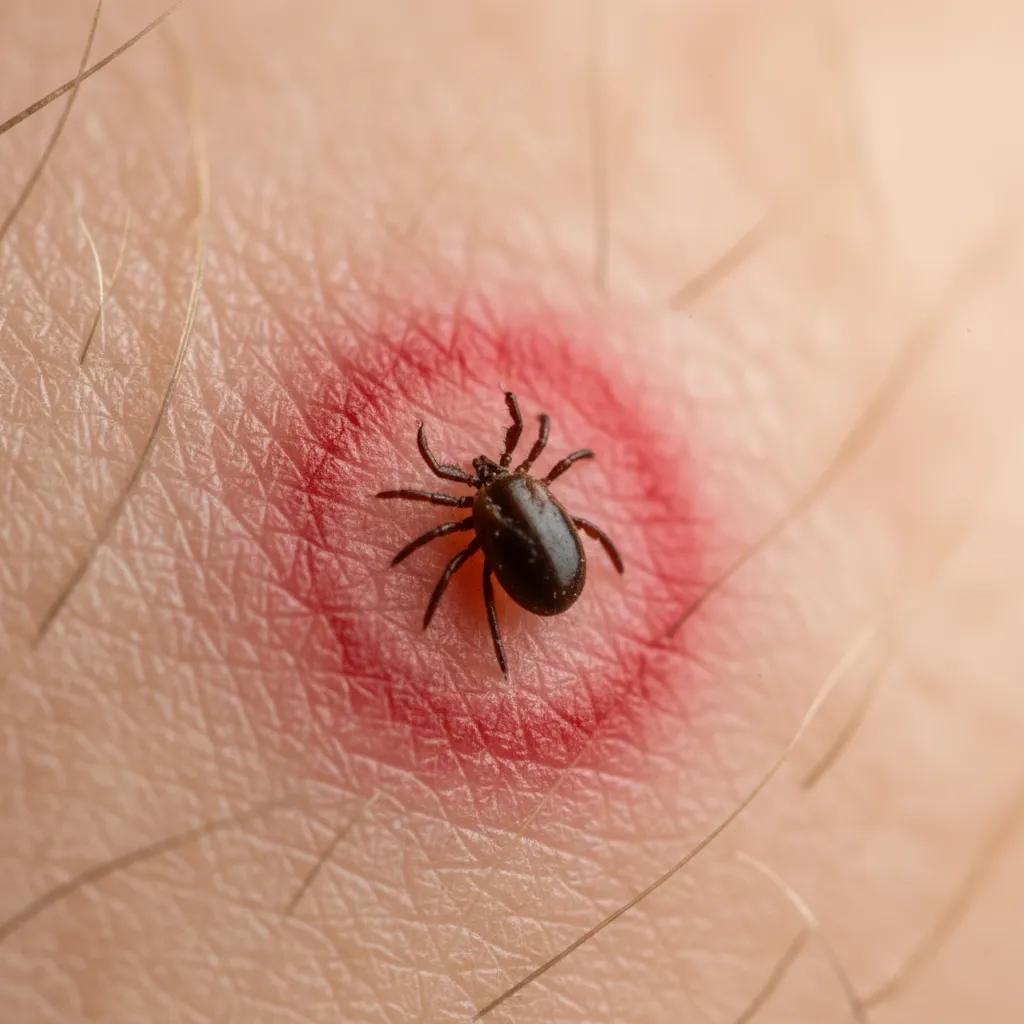
Symptoms following a tick bite can range from a simple red bump at the bite site to more significant allergic reactions. Some individuals may experience itching, swelling, or localized pain. In rare instances, an embedded tick can lead to a localized skin infection if the bite area is not kept clean or if the tick is removed improperly. For pets, heavy tick infestations can lead to anaemia, and some animals may develop a severe allergic reaction to tick saliva. It’s crucial to distinguish between typical bite reactions and any unusual symptoms, such as fever, rash, or neurological changes, which would warrant immediate medical attention, especially if there’s a travel history to regions with endemic tick-borne diseases.
Understanding the local tick population dynamics, including their preferred habitats and active seasons, empowers Aucklanders to take proactive measures. Ticks thrive in warm, humid conditions and are often found in long grass, dense bush, and leaf litter. Being vigilant during outdoor activities, particularly in spring and summer, significantly reduces exposure risks. The mild Auckland climate means ticks can be present for much of the year, making year-round awareness a key component of effective prevention.
Recognizing Potential Tick-Borne Symptoms
Although severe tick-borne illnesses are uncommon in New Zealand, it’s prudent to be aware of general symptoms associated with such diseases, particularly if you have recently travelled internationally. These can include:
- Fever and chills
- Muscle aches and joint pain
- Headache
- Fatigue
- Rashes that may expand or change over time
- Swollen lymph nodes
If you experience any of these symptoms after a known tick bite, or after spending time in tick-prone areas, it is important to consult a healthcare professional. Provide them with details of your outdoor activities and potential exposure to aid in accurate diagnosis and treatment. Early detection is always beneficial for managing any health concern effectively.
Safe Tick Removal Techniques
Proper and prompt tick removal is paramount to minimizing the risk of infection and irritation. Mishandling a tick during removal can cause it to regurgitate stomach contents into the bloodstream or leave parts of its mouth embedded in the skin, increasing the likelihood of complications. Adhering to a precise, gentle method is crucial for effective and safe removal.
The most recommended method for tick removal involves using fine-tipped tweezers. Avoid using bare fingers, as this can squeeze the tick’s body, potentially forcing pathogens into the wound. Before starting, ensure you have good lighting and perhaps a magnifying glass to clearly see the tick and its mouthparts.
Step-by-Step Tick Removal Guide:
- Gather Your Tools: You will need fine-tipped tweezers, antiseptic wipes or rubbing alcohol, and a small container or ziplock bag to dispose of the tick.
- Position the Tweezers: Grasp the tick as close to the skin’s surface as possible. This means aiming for the tick’s head or mouthparts, not its engorged body.
- Pull Upward with Steady Pressure: Pull straight upward with slow, steady pressure. Avoid twisting or jerking the tick. Twisting can cause the tick’s mouthparts to break off and remain embedded in the skin. The goal is to remove the entire tick, including its head.
- Inspect the Bite Site: After removal, examine the bite area to ensure no tick parts are left behind. If mouthparts remain, and you cannot easily remove them with tweezers, consult a medical professional.
- Clean the Area: Thoroughly clean the bite area and your hands with rubbing alcohol, an iodine scrub, or soap and water.
- Dispose of the Tick: Place the live tick in a sealed bag or container. You can kill it by submerging it in alcohol or crushing it (though avoid direct contact with bare skin). If you suspect the tick might be relevant for identification or testing (e.g., if you have concerning symptoms), you might want to preserve it for medical analysis.
- Monitor for Symptoms: Keep an eye on the bite area for several weeks for any signs of rash or infection. Also, be vigilant for any general symptoms like fever or muscle aches.
What NOT to Do:
- Do not twist or jerk the tick: This increases the chance of leaving mouthparts embedded.
- Do not squeeze or crush the tick’s body: This can force potentially infected fluids into the bite wound.
- Do not use home remedies: Avoid applying heat (matches, cigarettes), petroleum jelly, nail polish, or essential oils. These methods are ineffective and can irritate the tick, causing it to burrow deeper or release more saliva.
- Do not use blunt-nosed tweezers: These can squeeze the tick’s body and are less effective at grasping the mouthparts.
If you are unsure about removing a tick, or if the tick is deeply embedded, or if you experience unusual symptoms after a bite, seek advice from a doctor or veterinarian promptly. For pets, specific tick removal tools are also available and can be very effective.
Outdoor Tick Prevention Strategies
Effective tick prevention in Auckland relies on a multi-faceted approach, combining personal protection, diligent checks, and environmental management. By implementing these strategies, you can significantly reduce your risk of encountering ticks and enjoying Auckland’s beautiful outdoors with greater peace of mind.
Personal Protection Measures:
- Wear Appropriate Clothing: When venturing into tick-prone areas, wear long-sleeved shirts and long trousers. Tuck your trousers into your socks or boots to create a barrier. Lighter-coloured clothing can also help you spot ticks more easily.
- Use Insect Repellent: Apply an EPA-registered insect repellent containing DEET, picaridin, or oil of lemon eucalyptus to exposed skin. For clothing, products containing permethrin can be highly effective, but do not apply permethrin directly to skin. Always follow product instructions carefully.
- Stay on Designated Paths: When hiking or walking in parks and bushland, try to stay on cleared trails. Avoid walking through tall grass, dense undergrowth, and leaf litter where ticks often hide.
- Perform Thorough Tick Checks: After spending time outdoors, especially in bushy or grassy areas, conduct a full body check on yourself, your children, and your pets. Pay close attention to warm, moist areas such as the scalp, behind the ears, armpits, groin, and the backs of knees. Ticks can be very small, so be meticulous.
- Shower After Outdoor Activities: Showering within two hours of coming indoors can help wash off any unattached ticks before they have a chance to bite.
Environmental Management Around Your Home:
While Auckland’s natural reserves are important, managing your own property can also contribute to tick prevention, particularly if you live near bushland or have extensive gardens. A well-maintained garden is less inviting to ticks.
- Mow Your Lawn Regularly: Keep your grass short. Ticks prefer taller grass and shaded areas.
- Clear Leaf Litter: Remove leaf litter and clear brush from around your house and at the edge of your lawn. This reduces tick habitats.
- Create a Barrier: Consider creating a landscape barrier, such as a three-foot-wide strip of wood chips or gravel, between wooded areas and your lawn. This can restrict tick migration into recreational areas.
- Discourage Wildlife: Reduce areas that attract deer, rodents, and other wildlife that can carry ticks into your yard. This includes removing bird feeders if they attract unwanted animals, and ensuring rubbish bins are secure.
For more detailed information on preventing tick bites and protecting your family, resources like the New Zealand Ministry of Health offer general advice on biting insects.

Protecting Pets from Ticks in Auckland
Our furry companions are often at the forefront of tick encounters, especially given Auckland’s love for outdoor pet activities. Protecting pets from ticks is crucial not only for their health but also for preventing ticks from being brought into your home. A proactive and consistent approach is essential.
Veterinary Products and Treatments:
The most effective line of defence for pets often comes in the form of veterinary-prescribed or recommended tick prevention products. These are specifically formulated to repel or kill ticks before they can transmit diseases. Options include:
- Spot-on Treatments: These liquid medications are applied to a small area on your pet’s skin (usually between the shoulder blades) and absorbed into the bloodstream or spread across the skin’s surface. They typically offer protection for several weeks to a month.
- Oral Medications: Chewable tablets are becoming increasingly popular. They work systemically, killing ticks when they bite the treated animal. Many oral medications offer excellent, long-lasting protection (often one to three months).
- Tick Collars: Some collars release active ingredients that repel or kill ticks. Ensure the collar is fitted correctly (snug enough that two fingers can fit underneath) and check for skin irritation.
- Shampoos and Dips: While less common for long-term prevention, specific shampoos and dips can kill ticks on contact and are useful for immediate removal of heavy infestations.
Always consult with your local Auckland veterinarian to determine the most suitable tick prevention product for your pet, considering their species, age, weight, lifestyle, and any existing health conditions. They can provide tailored advice based on the prevalence of ticks in your specific area.
Regular Grooming and Inspections:
Even with preventative treatments, regular physical checks are a vital part of protecting your pet. Ticks can still attach, and early detection and removal are key.
- Daily Checks: After walks, especially through long grass or bush, thoroughly inspect your pet’s fur. Run your hands over their entire body, paying extra attention to warm, hidden areas like between their toes, inside their ears, around their muzzle, under their collar, and in their armpits and groin.
- Grooming: Regular brushing not only helps you spot ticks but also removes loose fur and debris, making it easier to check the skin.
- Identifying Ticks: Ticks feel like small bumps on your pet’s skin. They can range in size from a pinhead to a pea when engorged.
Environmental Control for Pet Safety:
Just as with human prevention, managing your pet’s environment can reduce their exposure to ticks.
- Yard Maintenance: Keep your lawn mowed, trim shrubs and bushes, and remove leaf litter. This reduces tick habitats where your pet might pick them up.
- Fencing: If possible, fence off areas that are difficult to maintain or are heavily wooded to restrict your pet’s access to high-risk zones.
- Check Bedding: Regularly wash your pet’s bedding in hot water to kill any ticks or eggs that might have been brought inside.
Being diligent about protecting your pets not only keeps them safe but also contributes to the overall tick prevention strategy for your entire household. For further guidance on pet health and safety in New Zealand, resources like the SPCA New Zealand offer valuable information.

Navigating Auckland’s beautiful outdoor spaces while ensuring safety from ticks is entirely achievable with the right knowledge and consistent application of prevention and removal techniques. While the risk of severe tick-borne diseases in New Zealand remains low, vigilance against all tick bites is a responsible approach. By understanding the local environment, employing safe removal practices, adopting comprehensive prevention strategies for yourself and your family, and meticulously protecting your pets, you can continue to enjoy everything Auckland’s unique landscape has to offer without undue worry. Prioritize regular checks, consult with professionals when in doubt, and embrace these guidelines as part of your outdoor safety routine. Your proactive efforts are the best defence against ticks, ensuring healthier adventures for everyone.
People Also Ask
Are ticks common in Auckland, New Zealand?
Ticks, particularly the native New Zealand cattle tick (Haemaphysalis longicornis), can be found in Auckland’s outdoor environments, including long grass, bushland, and parks. While not as prevalent as in some other countries, they are present, and vigilance is advised for humans and pets, especially during warmer months.
What are the signs of a tick bite on humans?
A tick bite on humans typically appears as a small, red bump at the bite site. It may be itchy, swollen, or cause localized pain. It’s crucial to monitor the area for any unusual changes, such as an expanding rash, or general symptoms like fever, headache, or muscle aches, and seek medical attention if these occur.
How do I safely remove a tick from myself or my pet?
To safely remove a tick, use fine-tipped tweezers to grasp the tick as close to the skin’s surface as possible. Pull straight upward with steady, even pressure, avoiding twisting or jerking. After removal, clean the bite area with rubbing alcohol or soap and water, and dispose of the tick properly. For pets, specialized tools and veterinary advice are also available.
What are the best tick repellents to use in Auckland?
For personal use in Auckland, insect repellents containing DEET, picaridin, or oil of lemon eucalyptus are effective for exposed skin. For clothing, permethrin-based products can be used. Always follow product instructions. For pets, consult your veterinarian for appropriate spot-on treatments, oral medications, or tick collars tailored to your animal’s needs.
Can ticks in Auckland transmit diseases?
While New Zealand is not endemic for many severe tick-borne diseases like Lyme disease, tick bites can still cause local irritation, allergic reactions, or secondary infections. There is also a small risk of exotic disease-carrying ticks being introduced. Monitoring the bite area and any general health changes after a bite is important.
How can I protect my pets from ticks in Auckland?
Protect your pets from ticks in Auckland by using veterinary-recommended preventative products (spot-ons, oral medications, collars). Conduct daily full-body checks after outdoor activities, especially in bushy or grassy areas. Maintain a tidy yard by regularly mowing and clearing leaf litter to reduce tick habitats, and consult your vet for personalized advice.