The health risks of pests in Auckland encompass a range of serious concerns, including the transmission of bacterial diseases like Leptospirosis and Salmonellosis by rodents, and severe asthma triggers caused by cockroach allergens. Additionally, pests such as flies and ants contaminate food surfaces, leading to gastroenteritis and other digestive illnesses in residential and commercial environments.
Understanding the Threat: Why Auckland Homes are Vulnerable
Auckland’s unique geographical and climatic conditions create a perfect storm for pest proliferation. With a humid, temperate climate that rarely sees freezing temperatures, pests such as rats, mice, cockroaches, and flies can breed year-round. This continuous cycle increases the density of pest populations in urban and suburban areas, directly correlating to an increased risk of exposure for residents.
For homeowners and tenants, understanding the health risks of pests in Auckland is not merely about comfort; it is a matter of public safety. Pests are not just nuisance invaders; they are vectors—living organisms that can transmit infectious pathogens between humans or from animals to humans. In the dense housing of Auckland, from the historic villas of Ponsonby with their accessible subfloors to the modern apartments of the CBD, no dwelling is entirely immune to the biological hazards these intruders bring.
Major Diseases Carried by Pests in Auckland
The most alarming aspect of pest infestations is the silent transmission of disease. Many pests carry pathogens internally in their gut or externally on their bodies, fur, and feet. In New Zealand, while we are free from some of the more exotic tropical diseases like Malaria, we face significant risks from bacterial and viral infections spread by common household pests.
Leptospirosis
Leptospirosis is a serious bacterial infection that is a notable concern in New Zealand. While often associated with rural farming, urban rats and mice in Auckland are frequent carriers. The bacteria are shed in the urine of infected rodents. Humans can contract the disease through direct contact with urine or by touching soil, water, or surfaces contaminated by it. Symptoms range from flu-like headaches and fevers to severe kidney or liver failure.
Salmonellosis and Campylobacter
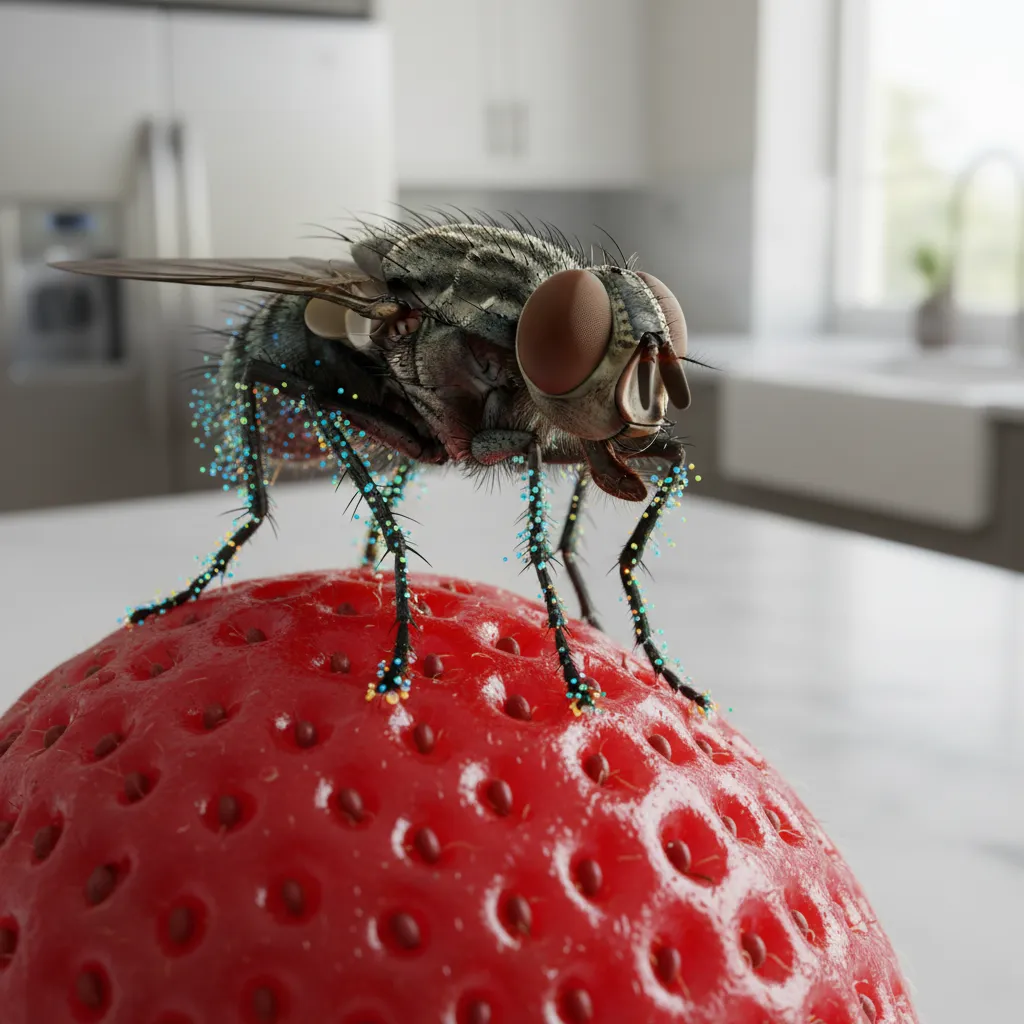
Gastrointestinal illnesses are frequently linked to pest activity. Rodents, flies, and cockroaches are notorious for harboring Salmonella and Campylobacter bacteria. As these pests forage for food, they move across sewage, decaying matter, and garbage before walking across kitchen counters, cutlery, and uncovered food. According to the New Zealand Ministry of Health, foodborne illnesses remain a significant burden on the healthcare system, and pest suppression is a critical preventative measure.
E. Coli and Dysentery
Cockroaches, particularly the German Cockroach common in Auckland kitchens, are mechanical vectors for E. coli. They thrive in unsanitary conditions and can transfer fecal matter directly onto food preparation surfaces. The ingestion of these pathogens can lead to severe diarrhea, abdominal cramping, and dehydration.
Allergies and Respiratory Complications
Beyond infectious diseases, pests are a leading cause of indoor allergens. This is a critical issue in Auckland, where respiratory conditions such as asthma are already prevalent due to the humid environment and housing stock issues (dampness/mould).
Cockroach Allergens
The German Cockroach and the American Cockroach produce potent allergens found in their saliva, droppings (feces), and decomposing body parts (shed skins). When these particles dry out, they become airborne and settle into dust, fabrics, and ventilation systems. For individuals with asthma, inhaling these microscopic particles can trigger severe attacks. Studies have shown that children living in homes with high cockroach infestations are more likely to be hospitalized for asthma-related complications.
Dust Mites and Rodent Dander
While dust mites are microscopic arachnids rather than “pests” in the traditional extermination sense, their presence often correlates with the same humid conditions that attract other pests. Furthermore, rats and mice shed dander and fur that can cause allergic reactions in sensitive individuals, manifesting as sneezing, itchy eyes, and skin rashes.
Food Contamination and Bacterial Spread
Food safety is the first line of defense against pest-borne illness. Pests represent a biological hazard in both residential kitchens and commercial hospitality environments.

The Mechanism of Contamination
Contamination occurs through three primary mechanisms:
- Direct Consumption: Pests eating the food and leaving saliva behind.
- Excretion: Rodents and insects defecating and urinating on or near food supplies. A single mouse can produce dozens of droppings a day.
- Physical Transfer: Pests walking through pathogens (like raw meat juices or garbage) and tracking them onto ready-to-eat foods like fruit or bread.
Economic and Health Costs
Consuming contaminated food does not always result in immediate hospitalization, but can lead to sub-clinical chronic digestive issues. For businesses, the discovery of pest-contaminated food can lead to immediate closure by Auckland Council environmental health officers, alongside severe reputational damage.
The Psychological Impact of Infestations
While physical health risks are often prioritized, the psychological toll of a pest infestation in Auckland homes should not be underestimated. The presence of pests often leads to:
- Sleep Disturbance: The sound of rats scratching in the ceiling or walls (common in Auckland roof cavities) can cause significant sleep deprivation.
- Anxiety and Stress: Constant worry about hygiene, the safety of children, and the social stigma of having pests can lead to chronic stress.
- Entomophobia: In severe cases, residents may develop an intense, irrational fear of insects, leading to obsessive cleaning behaviors or the inability to feel comfortable in their own home.
Specific Auckland Pests and Associated Risks
To effectively mitigate the health risks of pests in Auckland, one must identify the specific culprit. Different pests pose different biological threats.
Rats and Mice
Auckland has significant populations of Norway Rats, Ship Rats, and House Mice. Apart from Leptospirosis and Salmonella, they can also introduce parasites like fleas and mites into the home. Their gnawing habits also pose a fire hazard by damaging electrical wiring.
German Cockroaches
These small, light-brown cockroaches breed rapidly indoors. They are the primary source of pest-related asthma triggers and are difficult to eradicate without professional intervention due to their resistance to many over-the-counter sprays.
Ants
While often seen as a nuisance, ants (such as the White Footed Ant) travel extensively. They can move from outdoor waste bins to indoor pantries, mechanically transferring bacteria. They do not typically bite or sting humans in NZ (unlike fire ants elsewhere), but they are significant contaminators.
Spiders (White Tail)
New Zealand has few dangerous spiders, but the White Tail spider is a common concern. While their venom is not considered lethal, their bites can be painful and cause localized swelling. The primary health risk from a spider bite is often secondary infection—bacteria entering the wound if the bite site is scratched or not kept clean.
When to Seek Medical Attention
If you suspect that your health has been compromised by a pest infestation, vigilance is required. You should seek medical advice if you experience:
- Unexplained Fevers: High temperatures accompanied by muscle aches could indicate a viral or bacterial infection like Leptospirosis.
- Persistent Digestive Issues: Vomiting, diarrhea, or stomach cramps lasting more than 24 hours.
- Severe Allergic Reactions: Difficulty breathing, wheezing, or swelling of the face and throat requires immediate emergency care.
- Infected Bites: Any insect or spider bite that becomes red, hot to the touch, or oozes pus suggests a secondary bacterial infection.
Prevention and Professional Control
Mitigating the health risks of pests in Auckland requires a proactive approach involving exclusion, sanitation, and professional management.
Sanitation and Exclusion
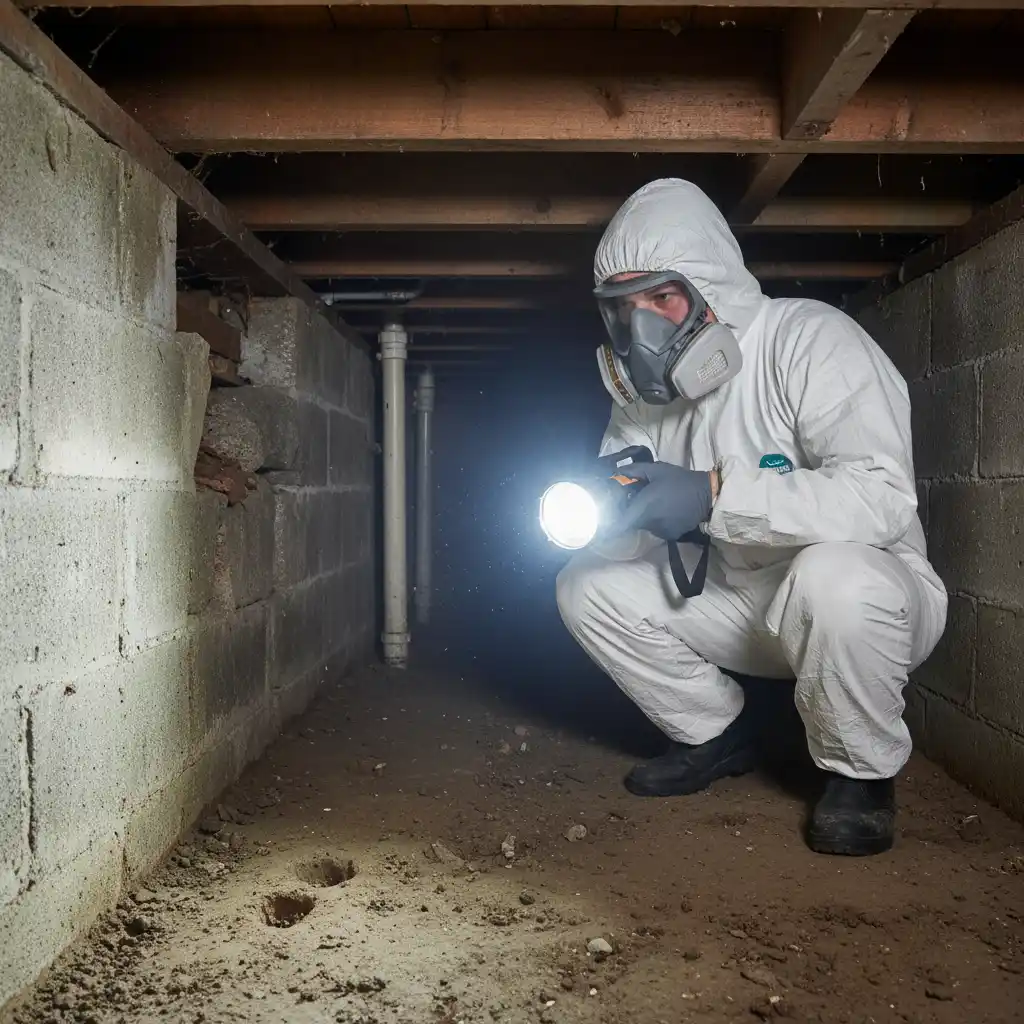
Minimizing food sources and entry points is crucial. This includes sealing cracks in foundations, ensuring fly screens are intact, and managing rubbish effectively. In Auckland’s damp climate, running dehumidifiers can also reduce the moisture levels that pests like cockroaches and mites crave.
The Role of Professional Pest Control
While DIY solutions exist, they often fail to address the root of the infestation. Professional pest control technicians in Auckland utilize integrated pest management (IPM) strategies. This involves not just poisoning pests, but identifying nesting sites, blocking entry points, and using commercial-grade treatments that are safe for families and pets but effective against the target species. For severe infestations, particularly those involving German Cockroaches or large rodent populations, professional intervention is often the only way to fully eliminate the health risk.
For more detailed information on health conditions related to environmental factors, resources such as Health Navigator NZ provide valuable guidance for New Zealanders.
Frequently Asked Questions
Can house mice in Auckland make you sick?
Yes, house mice can transmit diseases such as Salmonellosis and Leptospirosis through their urine and droppings. They also contaminate food surfaces and can introduce parasites like fleas into the home.
Do cockroaches really cause asthma?
Yes, cockroach allergens found in their saliva, feces, and shedding skins are potent asthma triggers. They can cause respiratory distress, particularly in children and the elderly living in infested homes.
Are White Tail spider bites dangerous?
While White Tail spider bites can be painful and cause swelling, they are generally not lethal. The main risk is secondary bacterial infection at the bite site. Medical attention should be sought if the wound becomes infected.
What diseases do flies carry in NZ?
Flies in New Zealand are known vectors for Campylobacter, Salmonella, and E. coli. They transfer these pathogens from faeces and decaying matter directly onto food.
Is Leptospirosis common in Auckland?
Leptospirosis is present in New Zealand and can be found in Auckland, particularly in areas with high rodent populations. It is a serious illness transmitted through contact with rodent urine.
How do I sanitize my kitchen after a pest infestation?
To sanitize after an infestation, dispose of any potentially contaminated food. Wash all surfaces, cutlery, and cookware with hot, soapy water followed by a disinfectant. Wear gloves and a mask when cleaning up droppings to avoid inhaling particles.